

In the 1940s, Fazal e Elahi Gorey Fakhre Quaum was a rich dealer of foreign goods in British India. He lived a luxurious life in Delhi, driving an Impala car when few owned such vehicles. He moved to Kolkata for better business chances and was called ‘Gorey Wale’ for trading with the British.
A Bold Stand for Freedom
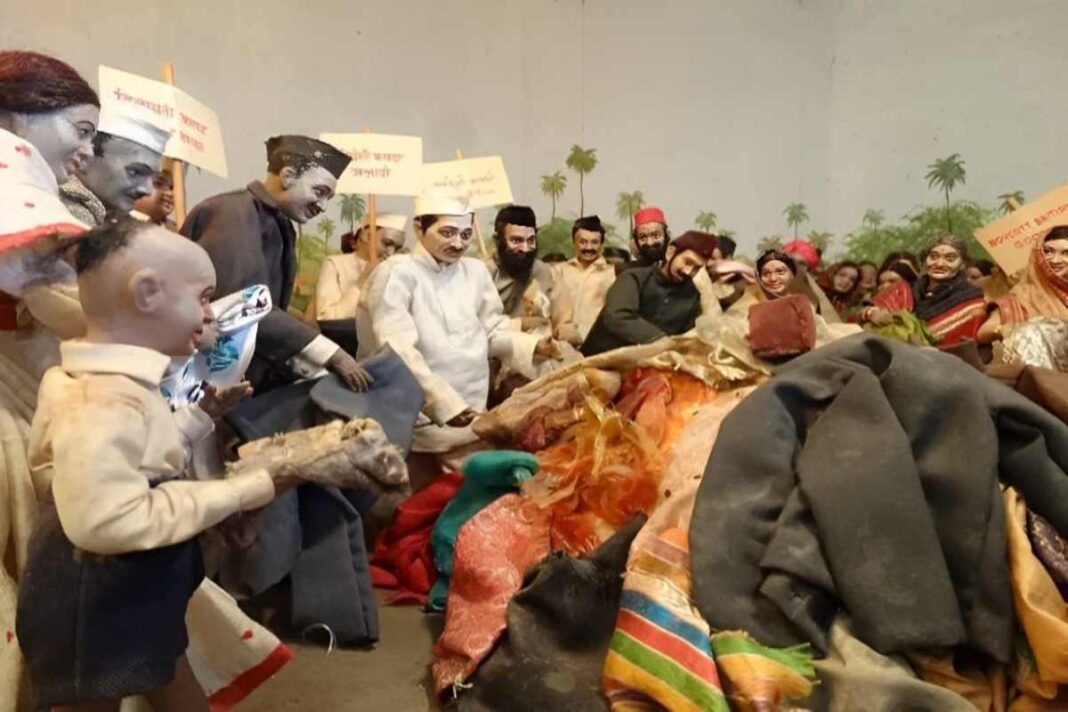
As the Swadeshi movement grew stronger, Fazal e Elahi made a brave choice. He gathered all his British goods, took them to Kolutolla crossing near Mohammed Ali Library, and set them on fire before a shocked crowd. This act ended his British trade and earned him the title ‘Fakhre Quaum’ (Pride of the Community).
His actions inspired others. Local people rushed home, brought their British items, and burned them too. This sparked the boycott movement among Muslims and others in Kolkata. Fazal e Elahi’s sacrifice went beyond words, showing his true commitment to freedom.
Aftermath and Family Legacy
After burning his goods, Fazal e Elahi faced financial hardship. He used his remaining wealth to support the freedom struggle and started making Indian products like candles and ink to survive. His grandson, Mohammad Younis, began a small business when Bangladesh and West Bengal were one state.
During Partition, the family split. Shaikh Mohammed Younus Fakhre Quaum had eleven siblings. Most moved to Pakistan, but four stayed in India. They lost property and faced many struggles.
Today, Fazal e Elahi’s great-granddaughter-in-law, Rukhshi Kadiri Elias, is an entrepreneur. She and her husband, Elias Mohammad Shaikh, keep their ancestor’s story alive. They share how Mahatma Gandhi would stay at Fazal e Elahi’s home during visits to Kolkata.
This tale of sacrifice shows how one man’s bold action can inspire a community and contribute to a nation’s fight for freedom.
For detailed story, please visit: Awaz the voice
Also Read:The Magic of Storytelling: Shazi Zaman
You can connect with DNN24 on Facebook, Twitter, and Instagram and subscribe to our YouTube channel.