
India’s Energy Dilemma: Global oil markets are witnessing a rapid resurgence, with forecasts indicating that the price of crude oil could reach $100 per barrel by the end of 2024, as both Goldman Sachs and Citibank predicted. This surge in oil prices is attributed to recent decisions by Saudi Arabia and Russia to extend voluntary production cuts for an additional three months, causing prices to soar to their highest levels since November of the previous year.
This escalating trend in oil prices poses significant challenges for India, a nation heavily reliant on imports, to meet over 85 percent of its crude oil demands. The benchmark Brent crude is nearing $95 per barrel, while West Texas Intermediate crude from the U.S. hovers around $91 per barrel. This marks a sharp increase from three months ago when prices ranged between $75 and $80 per barrel.
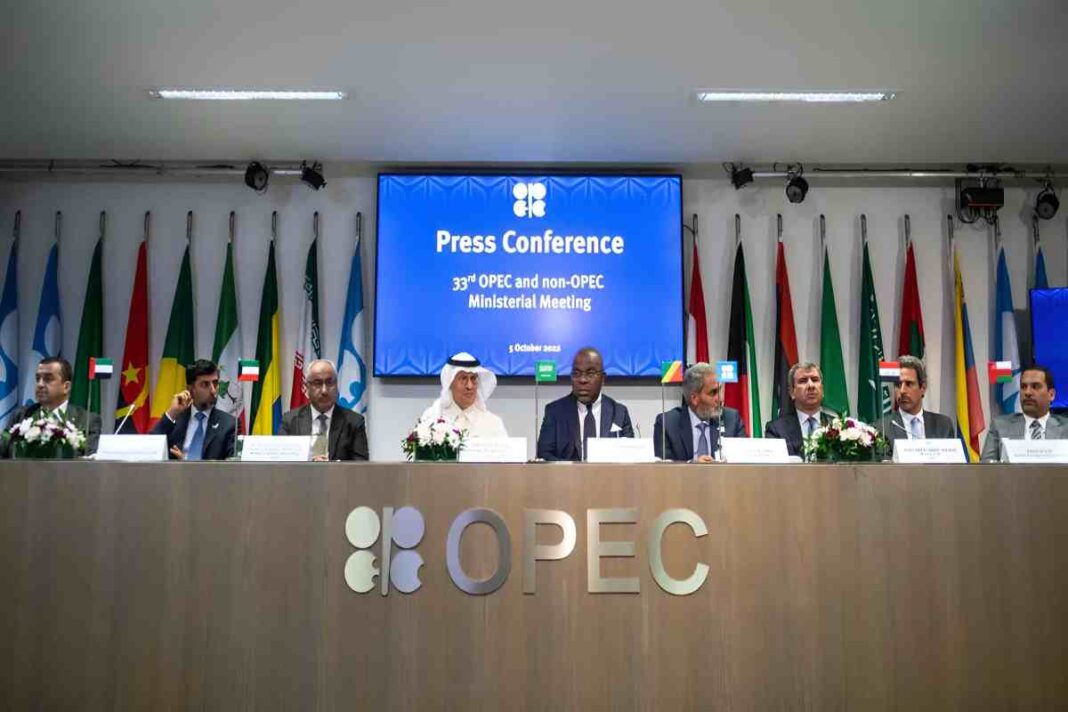
Saudi Arabia’s leadership within the Organization of Petroleum Exporting Countries (OPEC) Plus cartel implemented these production cuts, which took effect in July, following an earlier output reduction of 1.15 million barrels per day for the entire cartel in April. As an OPEC+ member, Russia extended its 300,000 barrels per day reduction for three months.
The supply contraction and increased demand from China have driven the current price spiral. Increasing industrial output and consumer spending have led to a surge in demand despite India’s uncertain economic outlook as the world’s largest oil importer.
Maintaining manageable fuel import bills for India becomes increasingly challenging under these conditions. The possibility of discounted oil purchases for developing economies from OPEC+ remains unlikely. Consequently, India must continue its focus on diversifying its energy sources by investing in new and renewable energy technologies.
In conclusion, India faces mounting challenges due to rising oil prices, emphasizing the urgency of shifting toward renewable energy sources to reduce dependence on hydrocarbons from abroad.
For a detailed story, please visit: Awaz the voice
Also Read: India’s Global Leadership: G-20 and Development
You can connect with DNN24 on Facebook, Twitter, and Instagram and subscribe to our YouTube channel.