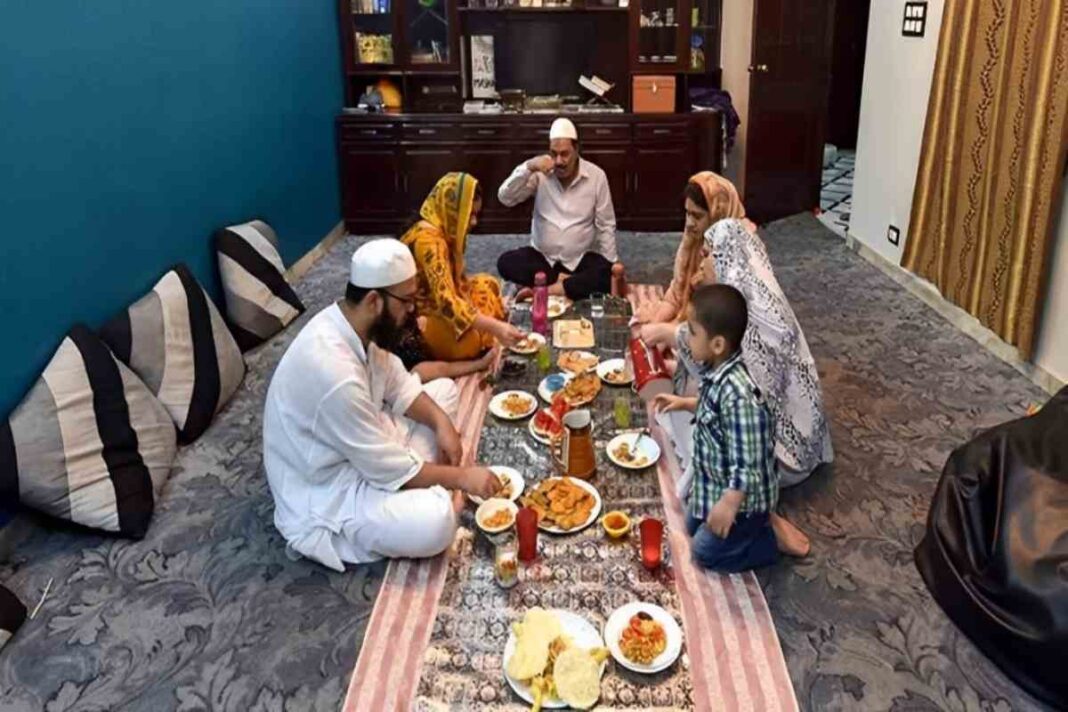

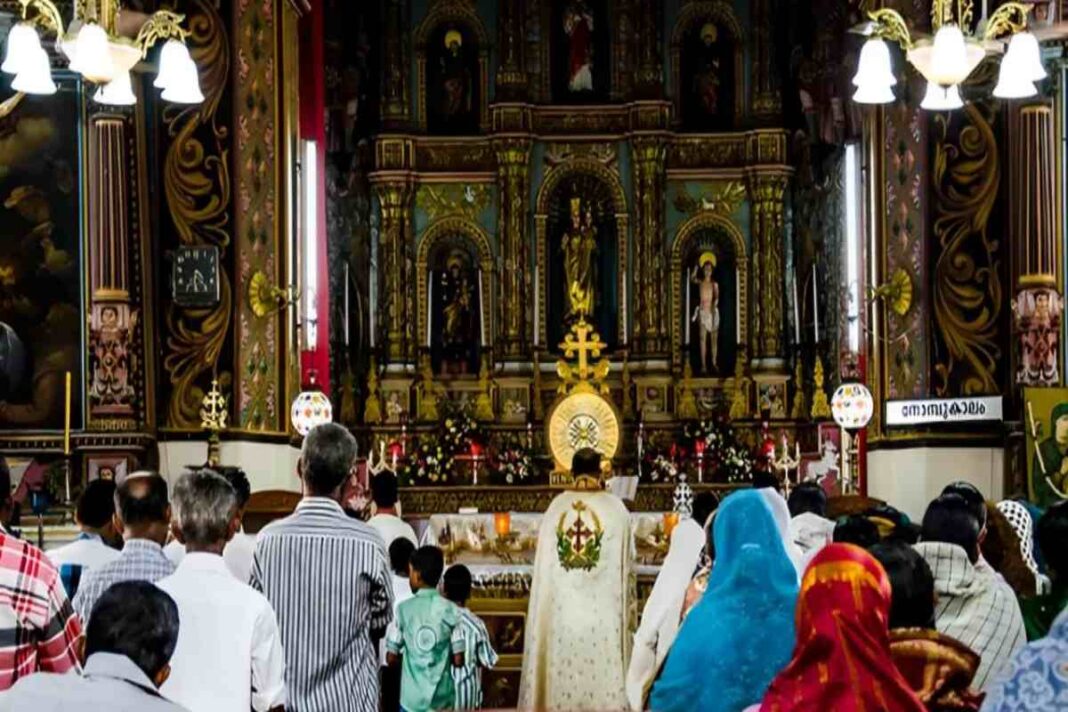

As Muslims worldwide start on the month-long fast of Ramzan, a cornerstone of Islamic tradition, Christians in the Eastern hemisphere participate in the 40-day Lent, while Hindus end the Magh month of voluntary fasting and Spiritual Discipline. These synchronicities show the interdependence of religious traditions, highlighted by their practice within India, a mosaic of many cultures and religions.
Distinct Yet Harmonious
Although the Hindu holiday of Navratri generally coincides with Ramzan, this year observes a temporal disjunction, postponing the latter by almost a month. Unlike the free nature of fasting in Christianity and Hinduism, Ramzan necessitates tremendous self-discipline for Muslims, signifying a group undertaking rather than a personal decision. This disparity made the optics of Ramzan fasting noticeable among the quieter observances of other religions.
Communal Significance
The Lenten month recalls Jesus Christ’s fortitude of 40 days without food or drink while overcoming temptation from Satan. Christians participate in prayer, modest food, and deeds of charity, imbuing the season with spiritual meditation. For Hindus, the Magh month denotes a time of devotion and spiritual regeneration, highlighted by fasting and the observance of different festivals. The Magh Snan Mela embodies concepts of moderation, non-violence, and faith, providing followers benefits and spiritual satisfaction.
Unity Amidst Diversity
The closeness and convergence of these holy days serve as a witness to the natural connectedness across varied groups. While Muslims follow severe fasting from dawn to sunset, Hindus endure nine days of fasting during Navratri, stressing moderation and abstention from grains and meat. Despite the theoretical gaps, the common dedication to spiritual discipline produces a feeling of communal respect and togetherness, transcending denominational barriers.
In essence, these ecumenical observances create a rich tapestry of spiritual practice, expressing the universal yearning for transcendence and connection with the divine despite the variety of religious manifestations.
For a detailed story, please visit: Awaz the voice
Also Read: Embracing Eternity: The Heartfelt Story of the Mini Taj Mahal in Guwahati, Assam
You can connect with DNN24 on Facebook, Twitter, and Instagram and subscribe to our YouTube channel.