
Monday, March 30, 2026
24.1 C
Delhi

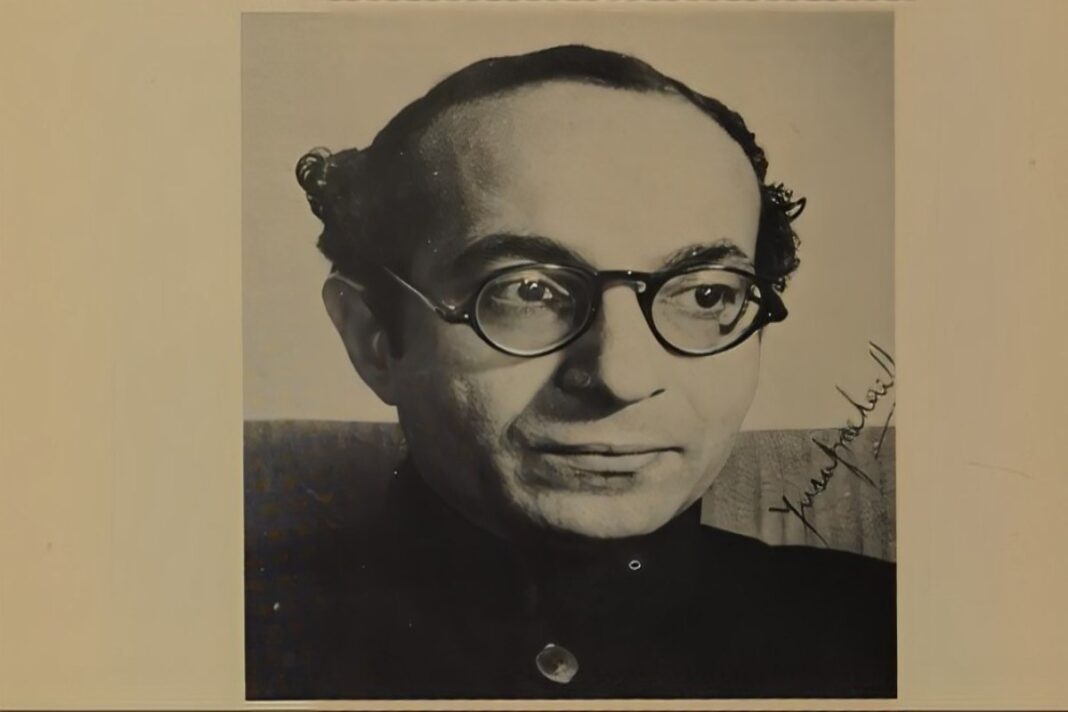
Yusuf Meherally: The Young Freedom Fighter Who Coined “Quit India” 

Yusuf Meherally was a young freedom fighter who died at just 44 years old on 2 July 1950. He got sick in British jail during the Quit India Movement. He was good at organising people and giving speeches. In 1927, he became famous during protests the Simon Commission. 

The “Simon Go Back” Slogan 

Meherally started the Bombay Youth League to fight against the British government. When the Simon Commission came to India, there was heavy security. Meherally and his friends dressed up as coolies to enter Mumbai port. When the commission got off the ship, they showed black flags and shouted, “Simon Go Back”. This slogan became very popular all over India. People shouted it, wrote it on walls, and even flew kites with it. But many didn’t know that Meherally had made up this slogan. 

Role in the Quit India Movement 

Meherally became an important socialist leader and was close to Mahatma Gandhi. When Gandhi decided to start a big movement in 1942, Meherally helped plan it. He even gave it the name “Quit India Movement”, which Gandhi liked. Before the movement started, Meherally helped organize secret camps to prepare for the leaders’ arrests. He told many people to go underground to keep fighting. 

As the Mayor of Mumbai, Meherally knew about the government’s plans. He used this information to help the freedom struggle. In a big meeting, he told people that they would not just fill up jails this time, but they would stop the whole British government in India from working. Meherally’s work was very important for the 1942 revolution. He planned well and made sure the fight for freedom would continue even if the main leaders were arrested. 

For detailed story, please visit: Awaz the voice

Also Read:The Magic of Storytelling: Shazi Zaman 

You can connect with DNN24 on FacebookTwitter, and Instagram and subscribe to our YouTube channel.

LEAVE A REPLY

Please enter your comment!
Please enter your name here

Hot this week

Mir Mehdi Majrooh: Ghalib’s ‘Son’ and the Last Vestige of Delhi’s Culture

Ghalib’s story is incomplete without this forgotten disciple. From Delhi’s mushairas to exile and blindness, Mir Mehdi Majrooh preserved the poet’s soul through letters and loss.

My Father: A Voice from a War Zone

History remembers wars through Generals and decisive battles. But...

IUST Rising under Prof. Shakil Ahmad Romshoo: Shaping Minds, Building Futures

The Islamic University of Science and Technology (IUST) has...

Turning Limitless Potential Into Real Results

U.S. Ambassador Sergio Gor on shaping the U.S.-India relationship into the defining strategic partnership of the 21st century and delivering tangible benefits for both nations.

Topics

Mir Mehdi Majrooh: Ghalib’s ‘Son’ and the Last Vestige of Delhi’s Culture

Ghalib’s story is incomplete without this forgotten disciple. From Delhi’s mushairas to exile and blindness, Mir Mehdi Majrooh preserved the poet’s soul through letters and loss.

My Father: A Voice from a War Zone

History remembers wars through Generals and decisive battles. But...

IUST Rising under Prof. Shakil Ahmad Romshoo: Shaping Minds, Building Futures

The Islamic University of Science and Technology (IUST) has...

Turning Limitless Potential Into Real Results

U.S. Ambassador Sergio Gor on shaping the U.S.-India relationship into the defining strategic partnership of the 21st century and delivering tangible benefits for both nations.

Bangladesh: Emerging from the Year of Lawlessness

Year 2025 was a turbulent one for Bangladesh politics marked by mob violence on the streets, atrocities against religious minorities and refugees and persecution of independent media, topped by Islamist resurgence. The new government, led by Tarique Rehman, has brought in stability but has its work cut out.

Anjum Rahbar: A Poetic Journey from Education to Imagination

She is a poet of Urdu-Hindi literature whose every...

Related Articles