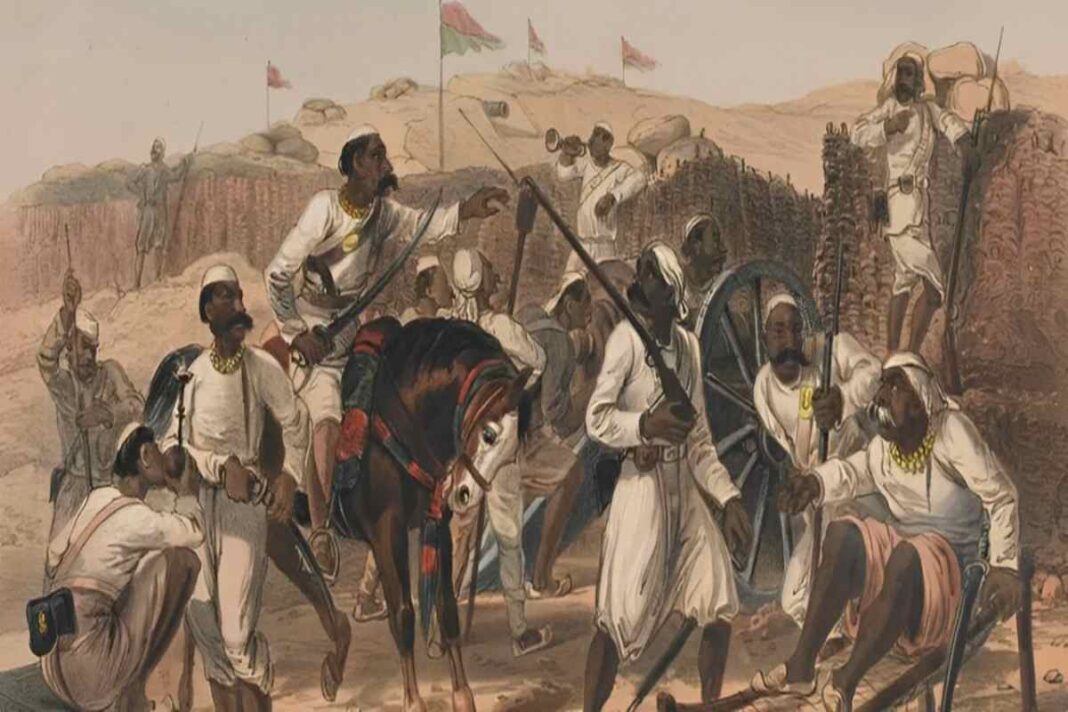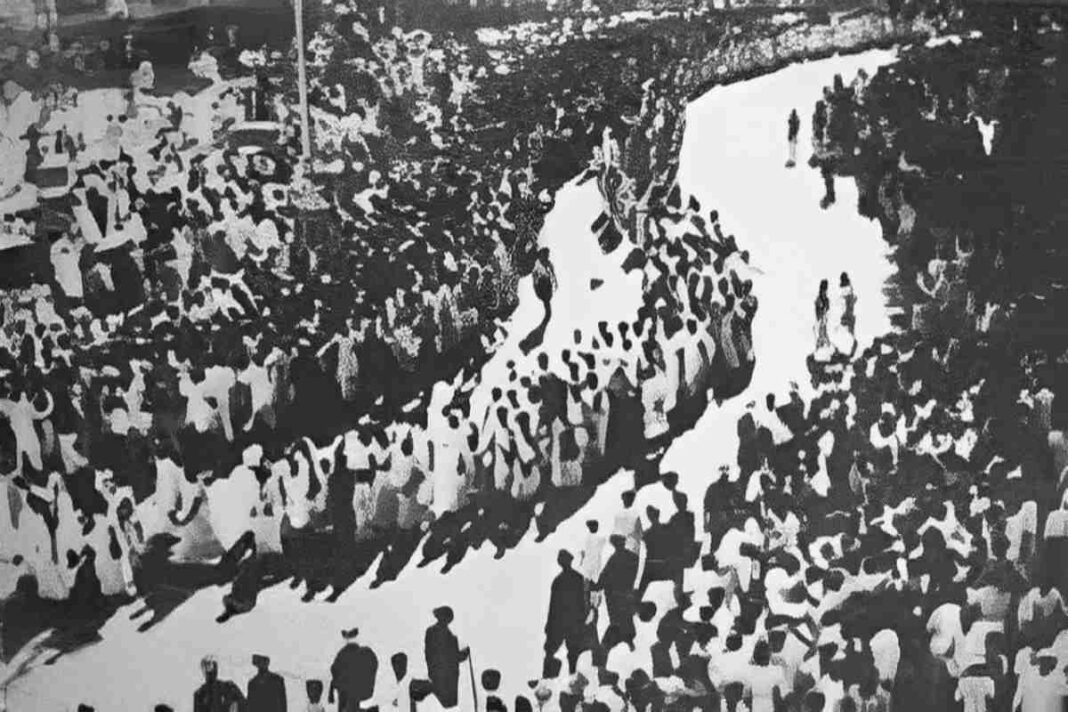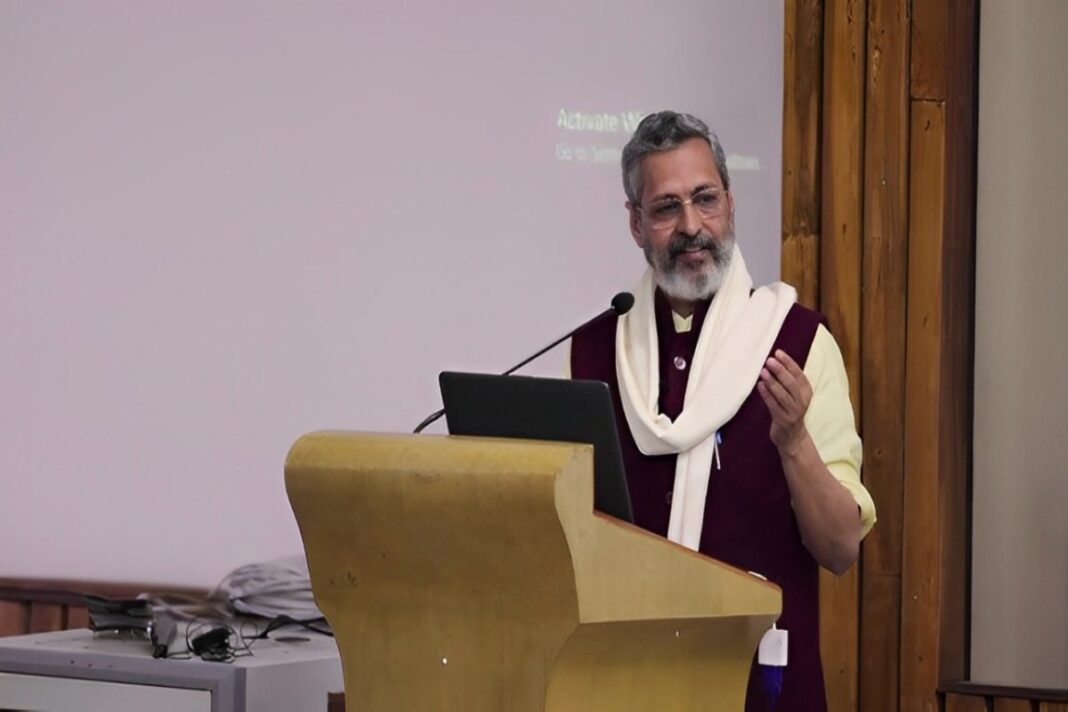

In the post-independence era, our universities did not give due attention to India’s rich intellectual heritage. The knowledge traditions were reduced to mere linguistic studies, with Sanskrit being taught as a language rather than a reservoir of vast knowledge. This disruption of the continuity of our intellectual heritage was a significant loss, as these traditions held immense potential to address the challenges of the present day.
Tapping into the Wealth of Indian Philosophical Traditions
India’s philosophical traditions, such as Nyaya, offer valuable insights and models for conflict resolution. The Nyaya tradition, with its three forms of debate – Vadh, Vivadh, and Vithri – provides a structured approach to engaging in dialogue and resolving conflicts. Similarly, the concept of Purvpaksh and Uttarpaksh, where conflicting parties argue from each other’s perspectives, can be a powerful tool for conflict resolution.
Reviving the Spirit of Dialogue and Pluralism
Throughout India’s history, there have been periods of vibrant intellectual dialogue and exchange, even during times of foreign invasions and rule. From the 6th century BC, when Jain philosophy produced the concept of Anekantavada, to the Mughal era, when Indian texts like Yoga Vasistha were studied by the princes, India has a rich legacy of cross-cultural exchange and intellectual discourse. However, the colonial era disrupted this tradition, as the British sought to divide and conquer by associating knowledge with identity. We must reclaim this spirit of pluralism and open dialogue, recognising that these knowledge traditions belong to all of humanity, not just to specific communities or identities.
By reconnecting with our intellectual heritage and drawing upon the wisdom of ancient Indian philosophies, we can find innovative solutions to the challenges of the present day. This process of rediscovery and reintegration is essential for India to reclaim its rightful place as a global leader in the realm of ideas and knowledge.
For detailed story, please visit: Awaz the voice
Also Read:The Magic of Storytelling: Shazi Zaman
You can connect with DNN24 on Facebook, Twitter, and Instagram and subscribe to our YouTube channel.