

When India became independent, there were concerns about implementing adult franchise (universal adult voting rights) in a vast and largely illiterate country. Some argued that the number of voters would be too extensive to manage, and illiteracy would make elections ridiculous unless a system was devised for illiterate voters to cast their votes secretly and wisely. However, the Indian Constituent Assembly decided to give voting rights to all adults, showing faith in the ordinary people’s political understanding. This bold move provided a model for newly liberated Asian and African nations.
Sudan Seeks India’s Help for Democratic Elections
In 1952, Egypt, Britain, and Sudan agreed that Sudan would hold free elections as the first step towards independence from British-Egyptian rule. However, with less than 2% literacy, Britain argued that Sudan was not ready for democratic elections based on universal adult suffrage. The Sudanese nationalists cited the example of successful Indian elections and believed that, like India, Sudan could also conduct fair elections.
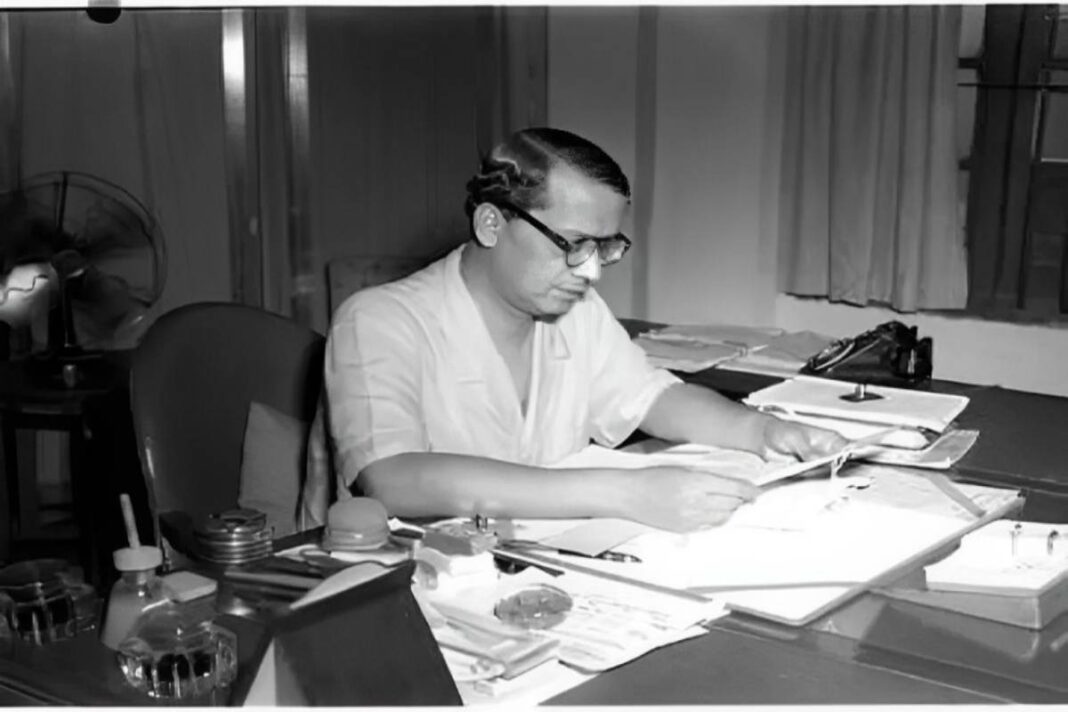
Sukumar Sen Leads Sudan’s First Free Elections
Sukumar Sen, India’s first Chief Election Commissioner, was appointed as Chairman of the Sudan Electoral Commission in March 1953 to ensure free and fair elections. The commission included representatives from Sudan, Egypt, Britain, the United States, and India. Despite allegations of unfairness by Western powers, the elections were conducted successfully in November 1953, bringing the National Unionist Party to power.
Sen declared the elections free and fair, stating that even if the illiterate Sudanese vaguely understood the process, their interest in voting was an achievement. The Economist magazine praised Sen’s experience conducting the “labyrinthine” Sudanese elections, concluding that the results reflected a rejection of the British administration and cooperation with the Umma party.
The successful Sudanese elections under Indian guidance added to India’s prestige as a torchbearer of electoral democracy. They showed the world that everyone, regardless of literacy level, deserves equal political rights and the opportunity to choose their leaders through the democratic process.
For detailed story, please visit: Awaz the voice
Also Read: India’s Global Leadership: G-20 and Development
You can connect with DNN24 on Facebook, Twitter, and Instagram and subscribe to our YouTube channel.