
In the heartland of Uttar Pradesh, a place steeped in history and culture, lies a tradition as vibrant and enduring as the city itself, The Rampuri caps. Nawabi caps, symbols of heritage and sophistication, crafted with precision and vibrant colors, transcend time in Uttar Pradesh’s cultural legacy.
Rampur: Where Tradition Meets Craftsmanship
They are nestled in the city of Rampur, Uttar Pradesh; the origins of the Rampuri cap date back to the Nawabi era. Like the famous Rampuri knife, these caps have carved a niche for themselves, garnering admiration for their exquisite craftsmanship. The Rampuri cap is inextricably linked to the identity of the Nawabs, and it is only fitting that they bear the illustrious name of “Nawabi caps.”

A Legacy of Names: Raza Cap and Hamid Cap
The names of eminent Nawabs carry forward the legacy of the Rampuri cap. The Raza Cap, named after Nawab Raza Ali Khan, and the Hamid Cap, honoring his Father Nawab Hamid Ali Khan, stand as a testament to the rich history of Rampur and the Nawabi tradition. These caps are not just headwear but a living embodiment of respect and admiration for the Nawabs.
Craftsmanship Beyond Compare
What sets the Rampuri cap apart from the rest is the meticulous craftsmanship that goes into its making. The process is an art form requiring skilled hands and unwavering dedication. The key to the cap’s elegance lies in the intricate pleats or plates meticulously added during the crafting process. These pleats not only add to the aesthetics but also symbolize the dedication and precision of the artisans.
A Glimpse into History: The Gandhi Cap Connection
The history of the Rampuri cap is not limited to the confines of Rampur. It extends to the national stage, entwined with the Father of the Nation, Mahatma Gandhi. 1931, during a meaningful visit to Rampur to meet Mohammad Ali Jauhar, Mahatma Gandhi was presented with a hand-made cotton cap by Bi Amma as a mark of respect. This simple yet meaningful gesture gave birth to the “Gandhi cap,” symbolizing India’s freedom struggle. This connection between the Rampuri cap and India’s struggle for independence adds a layer of historical significance to its legacy.

A Cultural Treasure of Uttar Pradesh
The Rampuri cap is not just a piece of clothing but a cultural treasure of Uttar Pradesh. It holds a place of honour and recognition as the state symbol of Uttar Pradesh. Its presence transcends the boundaries of Rampur, captivating the hearts and heads of people across the state and beyond.
Uzair Ahmed Speaks: A Tradition Beyond Borders
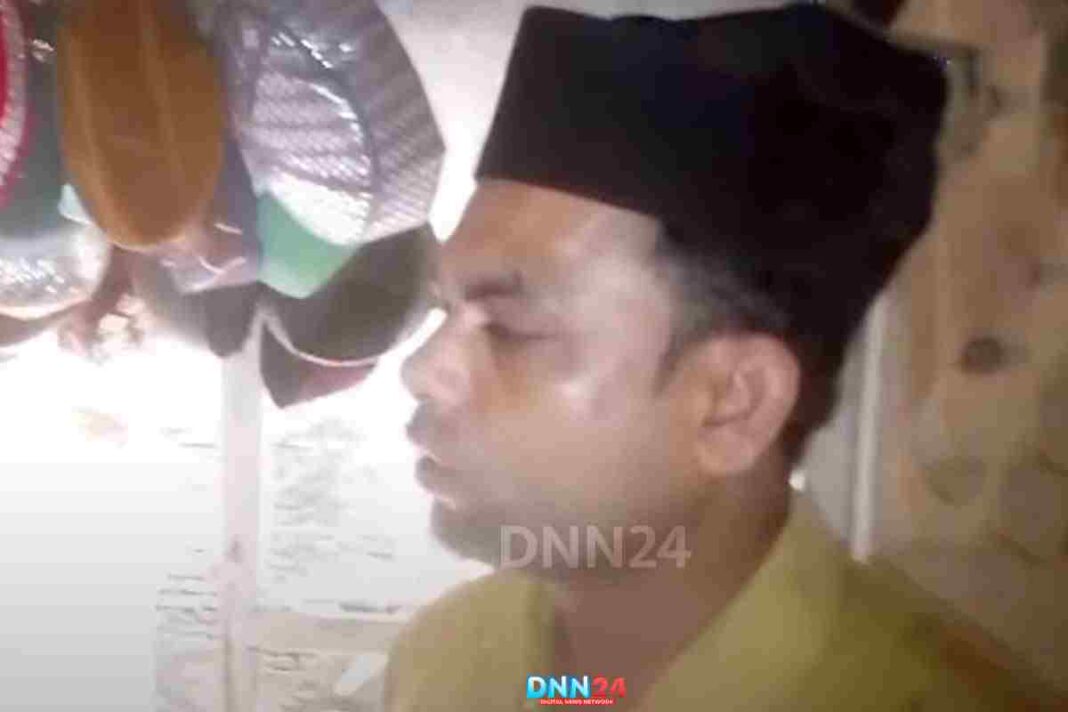
In a conversation with DNN24, Uzair Ahmed sheds light on the widespread popularity of Rampuri caps. He emphasizes that these caps are not confined to Rampur alone; they have garnered attention and affection in other states. It’s been nearly half a century since Rampuri caps began their journey, yet they continue to exude the regal charm of the Nawabs.
Conclusion

The Rampuri cap weaves a story of elegance, tradition, and craftsmanship in the tapestry of Uttar Pradesh’s cultural heritage. It stands as a testament to the legacy of the Nawabs, the struggle for independence, and the enduring spirit of a city that takes pride in its cultural roots. As we adorn these caps, we do more than just headwear; we carry forward a piece of history and tradition, a symbol of our rich heritage.
Also Read: Revolutionizing Fire Prevention: Srinagar’s Innovative Hero Mohd Shaiq
You can connect with DNN24 on Facebook, Twitter, and Instagram and subscribe to our YouTube channel.