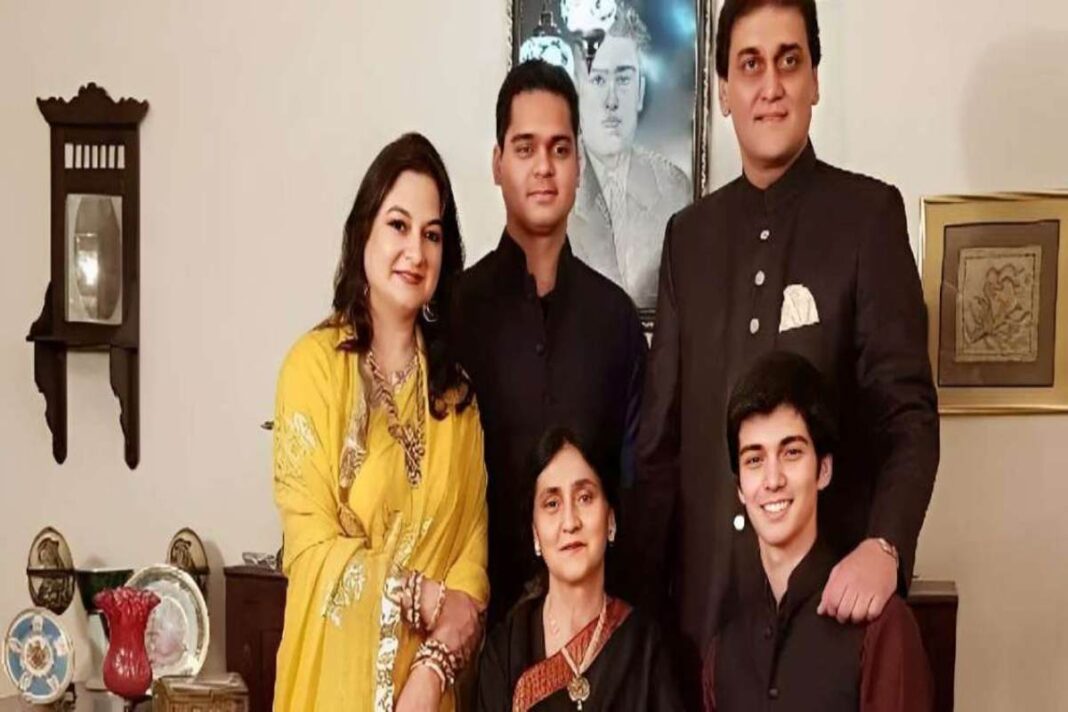


A visit to the home of M A Faiz Khan, the great-great-grandson of H.E. Nawab Sir Vicar-Ul-Umara Bahadur, offers a look into the rich history of the Paigah family. This family is known for its love of fine textiles, beautiful garments, and stunning gems. Faiz Khan believes that visiting Hyderabad’s Salarjung Museum is exciting for anyone studying Indian fashion history. The museum holds many treasures that reflect the elegance of the Nizam and Paigah families.
Fashion of the Royals
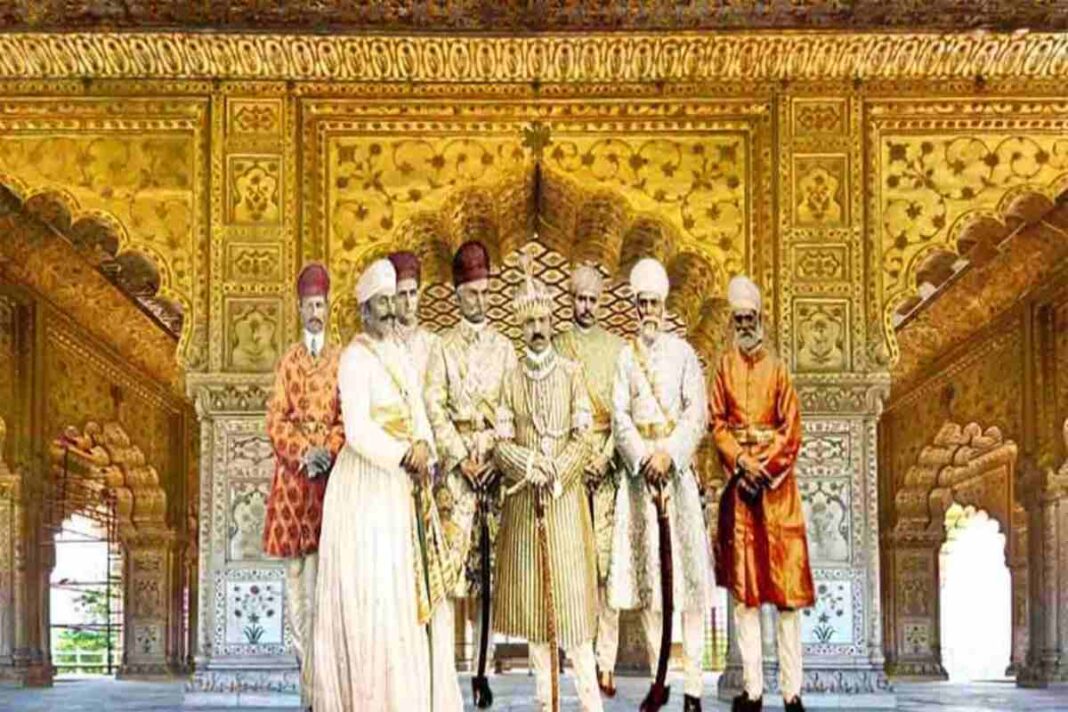
Faiz Khan explains that the Nizam and Paigah families had a unique style of dress. They wore outfits like ‘angrakhas’, ‘neema’, and ‘jama’. In the late 19th century, the ‘sherwani’ became popular. This outfit was made from luxurious fabrics like brocade and silk, often decorated with intricate embroidery. The sherwani was a symbol of royal elegance and was worn with a ‘dastar’ (headgear). The colors of these outfits were inspired by the grand Nizam’s Palace, featuring deep maroon, royal blue, and emerald green.
The Influence of the Paigah Family
Faiz Khan shares that the Paigah grooms wore beautiful Polki jewelry and vibrant colors, making them look regal. The traditional attire included the ‘Kimkhab choga’ and ‘achkans’, which were made from luxurious materials. Even today, the sherwani remains popular for festive occasions, although it is not as powerful as it once was. The Paigah family played a significant role in changing fashion norms, especially for women, during a time when strict customs were common. The style of Princess Durru Shehvar and others has inspired many designers and brands worldwide.
For detailed story, please visit: Awaz the voice
Also Read: Prazna Foundation: A Compassionate Approach to Menstrual Health and Women’s Dignity
You can connect with DNN24 on Facebook, Twitter, and Instagram and subscribe to our YouTube channel.