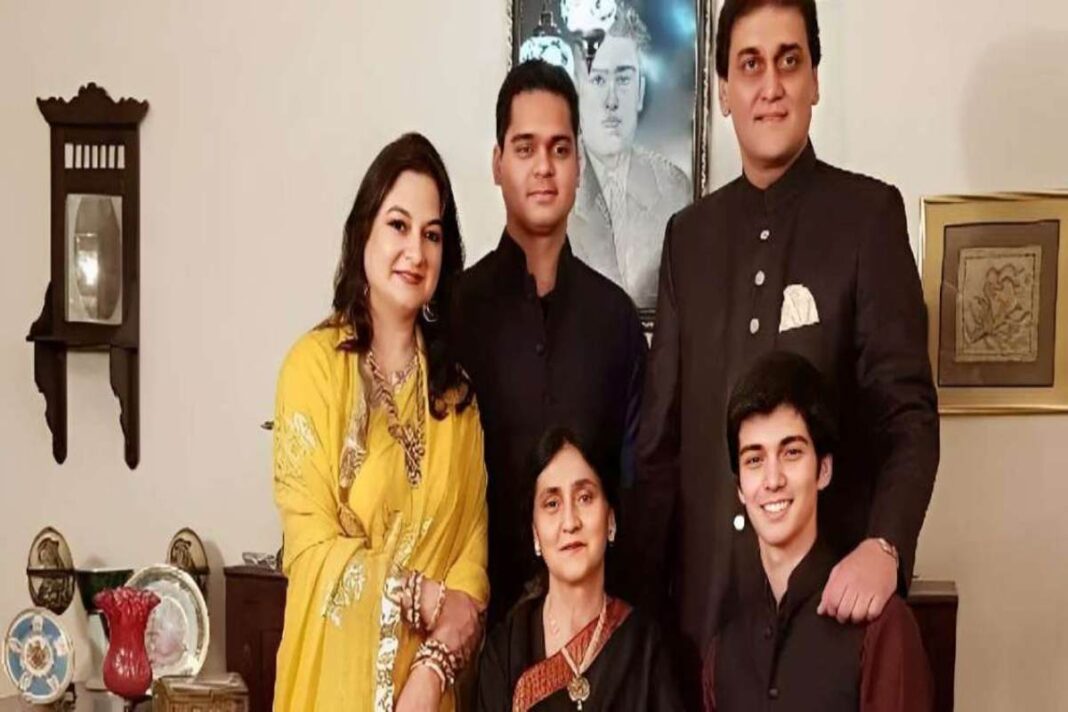

M A Faiz Khan descends from the noble Paigah family – the great-great grandson of H E Nawab Sir Vicar-Ul-Umara Bahadur. Family: This family is great lovers of Indian textiles, exquisite fabrics and dresses, and fine jewellery. In fact, Faiz Khan was born and raised in this environment where music had great tradition. It is said that they find it thrilling to take students of Indian fashion history to the Hyderabad Salar Jung Museum. The museum contains many valuable items that would demonstrate the styles of the bygone days of menswear. Their home also has family photos, and the chosen pictures featuring the Nizam and Paigah family bear a splendid taste.
The Royal Paigah and Nizam Impact to the Fashion Trend
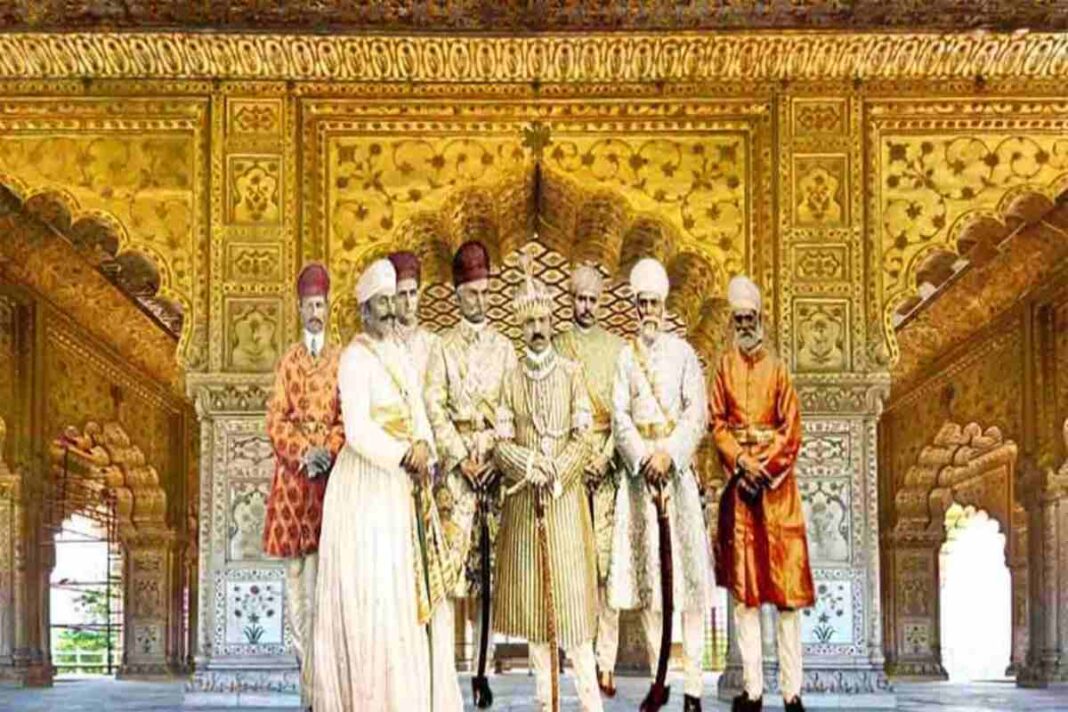
According to Faiz Khan, India has a diverse history and royal families are the gatekeepers of history and style. Footwear of royal style, as Mojris and juthis, have fabulous stitching that is still valued in contemporary weddings. But in the day to day wear, the Jama, ‘angrakhas’ and Dastaar have been replaced by western dressing. The Sherwani is still fashionable in special occasions only but not as dominant as it was in nineteenth century.
Modern Reflections of Royal Style
Paigah grooms formerly decorated with sparkling Polki jewellery and head jewels which reveal their essence of royalty. The colour of their attires was bright, ruby red and deep blue such that they resembled royalty. The Kimkhab choga and achkans were very comfortable clothes and contributed to their glamour touch. However, what set them apart in history was that they were people with refined taste despite their riches. About this, Faiz Khan adds that the royals also altered fashion laws affecting women’s clothing during periods of modesty.
The Nizams, in general, and more particularly Mir Mahboob Ali Khan, used to have a great penchant for fabrics. They accumulated a huge stock of clothing and other accessories and put them in a large wardrobe he constructed. Nowadays, Nizams and Paigah royals have enriched many brides and grooms.
For detailed story, please visit: Awaz the voice
Also Read: Prazna Foundation: A Compassionate Approach to Menstrual Health and Women’s Dignity
You can connect with DNN24 on Facebook, Twitter, and Instagram and subscribe to our YouTube channel.