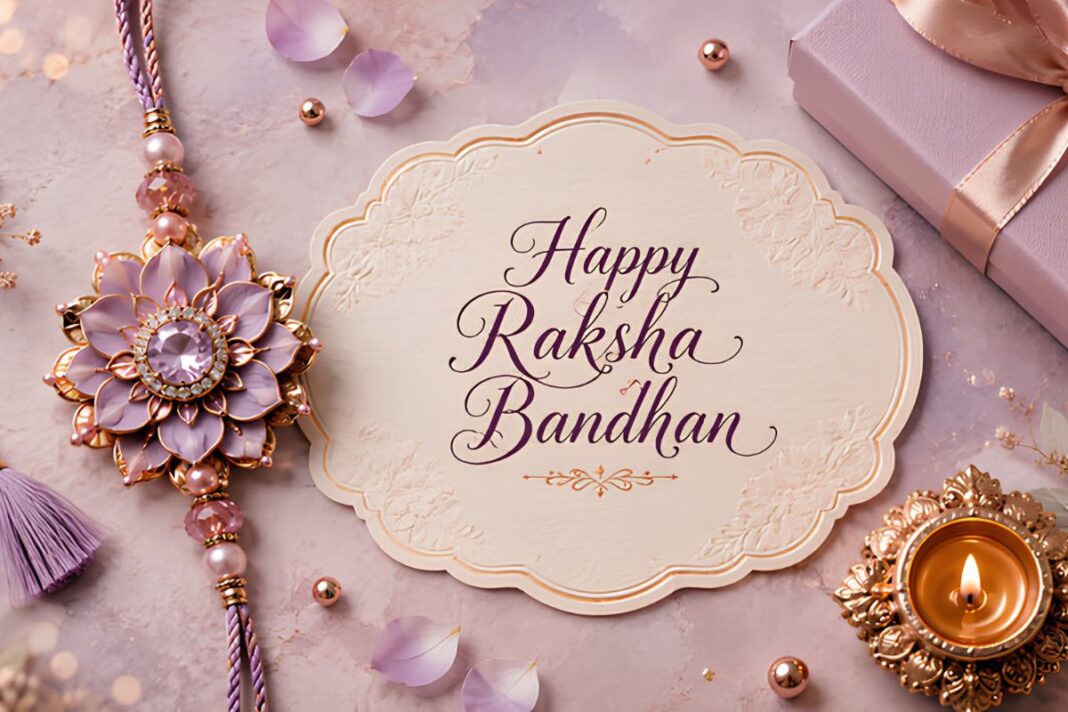

As Raksha Bandhan arrives, millions of wrists across India carry a silken thread with a large promise. Sisters tie a rakhi on to the wrists of their brothers, offer a prayer and receive in return not merely a gift but the promise of being there. Yet the festival’s emotional quotient does not rest on a single origin story. It has gathered meaning from ritual, folklore, poetry and the quiet daily lives of families living as one.
A Thread at the Fort
One of the most striking legends tied to Rakhi leads back to 16th-century Chittor. Rani Karnavati, widow of Rana Sanga and regent during her son’s minority, faced the advance of Bahadur Shah of Gujarat. In the popular telling, she sent a rakhi to the Mughal emperor Humayun, asking him for help to thwart the enemy.
The gesture, the story goes, moved Humayun enough to set out to help Chittor, but he was too late. The fort had already fallen, and Karnavati had committed jauhar. Humayun then drove Bahadur Shah away and restored Mewar to Karnavati’s son. This version continues to be retold at Raksha Bandhan because it turns a fragile thread into something stronger than political rivalry or religious difference.
It is a story of courage, vulnerability and a bond that crosses political and religious lines. It is also a story that deserves to be told with care. The Karnavati and Humayun episode is a popular legend, not a fact. Historical accounts note that sources from the period do not record the Rakhi at all. Humayun’s own memoirs offer different reasons for his conflict with Bahadur Shah in 1535 and make no mention of a rakhi.
That gap in the record does not make the story worthless. It simply makes its meaning more honest. A cherished legend should not be presented as a documented event. But it is fair to ask why generations have kept telling it anyway.
The answer may sit in the moral imagination behind Raksha Bandhan itself. Protection, in that imagination, is not supposed to be limited by blood, throne or faith. In the popular narrative, Karnavati turns a fragile thread into a diplomatic appeal, and Humayun’s imagined response turns power into responsibility. The story, therefore, belongs to both folklore and the history of memory. It shows how communities preserve their ideals through narrative, even when the archive cannot confirm them.
History, Ritual and the Older Thread
The festival itself is older and wider than the Chittor legend suggests. Ancient Hindu texts and popular legends speak of the protective power of threads tied around the arm or wrist, while ritual texts associate the full moon of Shravana with the tying of such protective threads. The modern sister-and-brother ceremony is one strand in a much longer history of raksha (protection) and bandhan (bonding).
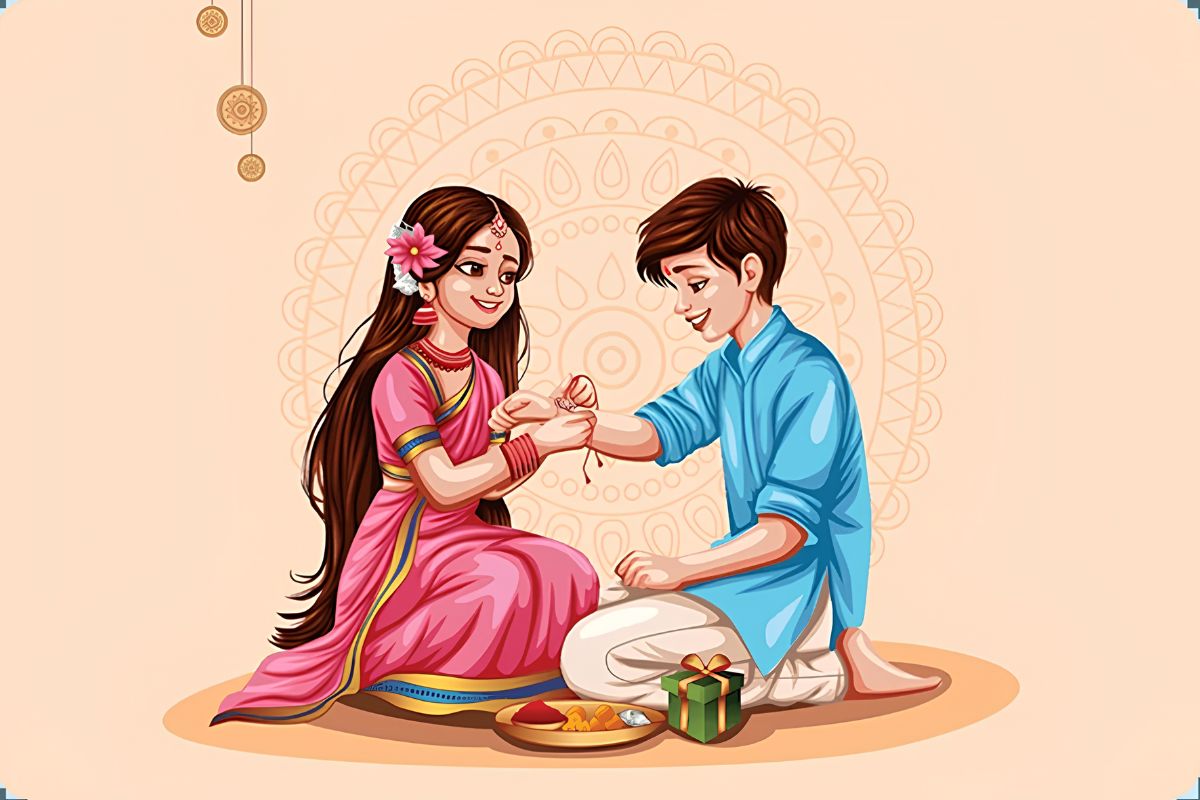
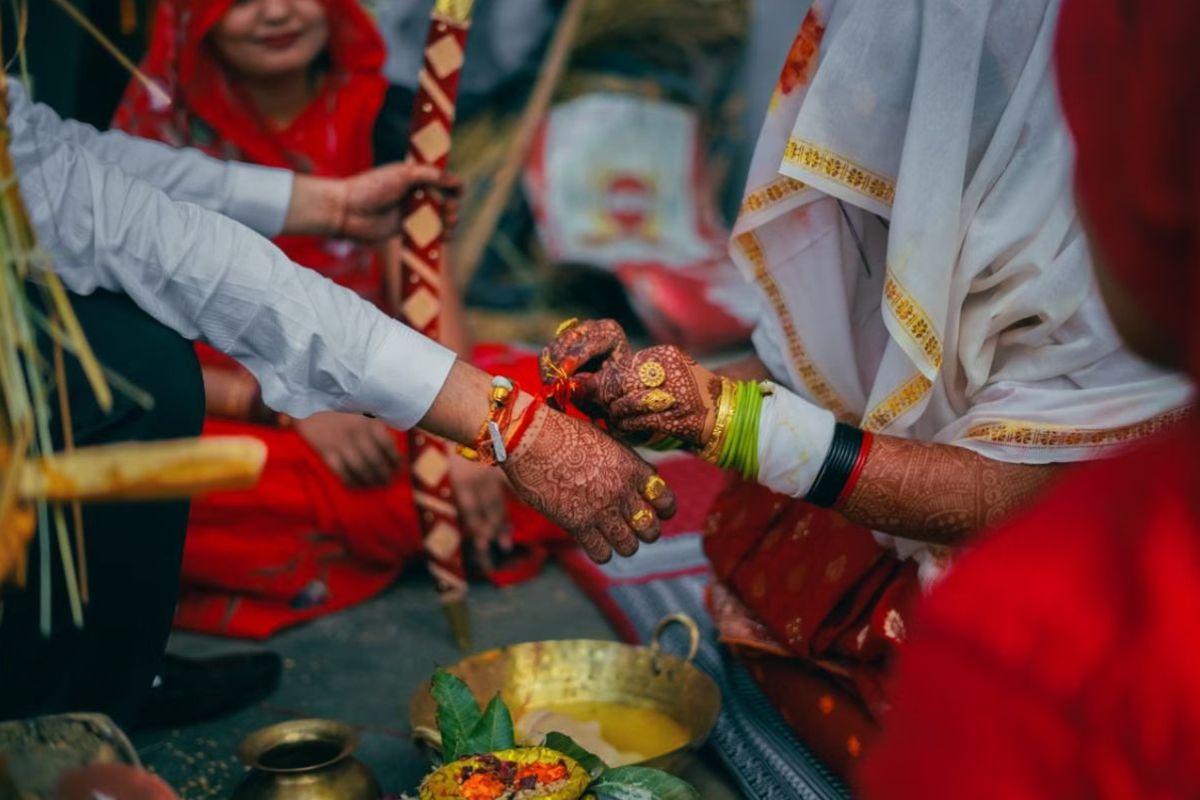
Across northern India, Rakhi has also been tied upon the return of married daughters to their birth homes. The festival lets a sister who has moved to another household renew her bond with her brother and natal family. The journey home is not a decorative detail. It functions as a social bridge.
A brother is reminded that care is a duty that does not end with her marriage, and a sister is reminded that leaving her parents’ house has not erased her place within it. In many rural communities, where women traditionally married outside their own village, Raksha Bandhan became an important occasion for renewing these ties. The brother’s role was never only emotional. He remained a practical link between his married sister and her parental home.
The ritual has never belonged only to blood siblings. People have tied rakhis to chosen brothers, community figures and anyone whose protection or support they wished to acknowledge. Such practices reveal how kinship in India can be built symbolically too. The thread, in every case, says something simple. I recognise you, I trust you, and I accept a duty toward you.
Nazeer’s Poetry of Belonging
Few literary images capture Rakhi’s colourful public life as vividly as the poem “Rakhi” by Nazeer Akbarabadi. Nazeer, whose real name was Wali Muhammad and who lived from 1735 to 1830, was one of Urdu’s great poets of ordinary life. Rather than writing only of kings, courts and romantic ideals, he brought festivals, bazaars, food, poverty, seasons and common people into verse.
His opening image is a bazaar overflowing with colour, rakhis arriving from every direction- golden, green, silky, yellow and scarlet. Nazeer notices the glitter of pearls and the flash of silk, but his poem is not simply a description of festive goods. He watches young people moving through the celebration with rakhis on their hands, and confesses a playful longing to become a Brahmin for the day. By the close, the poet imagines himself wearing the sacred thread and applying a tilak, arriving as a Brahmin to tie a rakhi for someone dear.
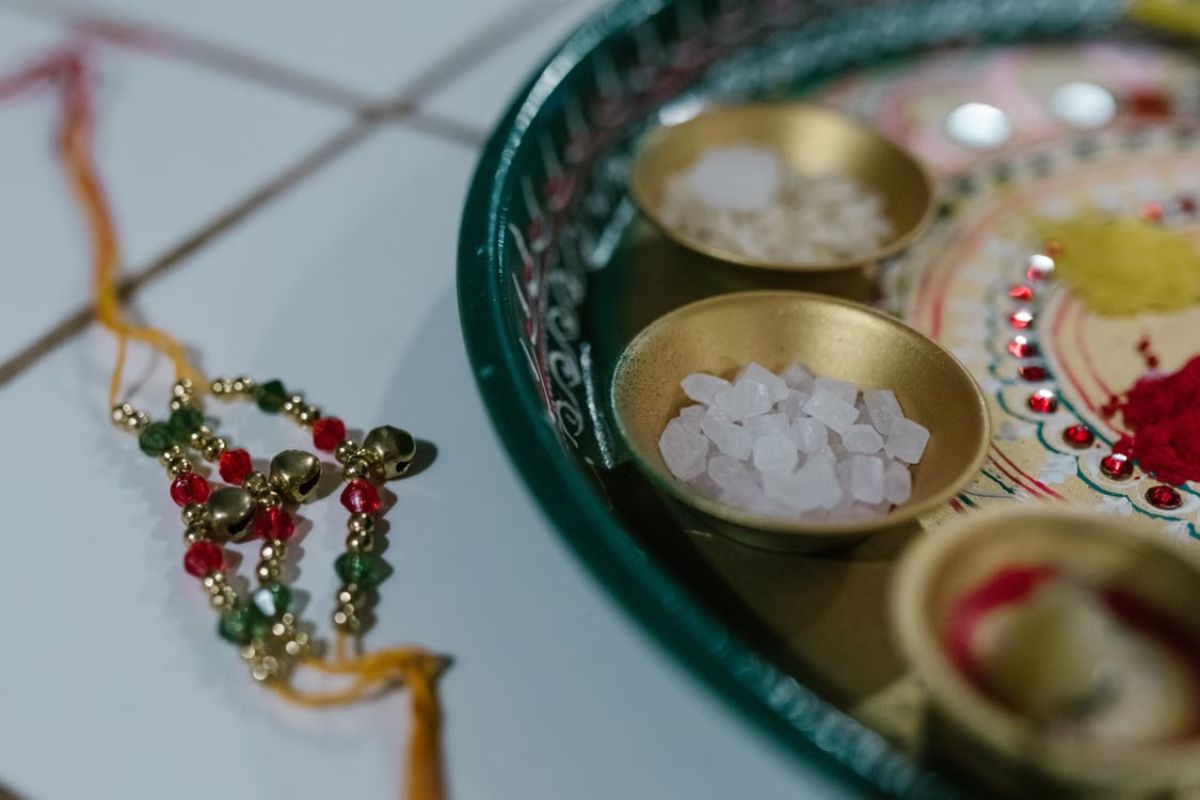
The moment is theatrical and a little mischievous, but it also records a shared civic culture. A Muslim poet in 18th-century India steps into the visual and emotional world of a Hindu festival without treating it as distant or forbidden. He hears the bazaar, sees the colours and claims his own place in the celebration through poetry.
Nazeer’s poem matters precisely because it shows the festival as lived culture- public, sensory, funny and open. That India was built not only in royal chronicles but also in markets, gestures, clothing, language, and the simple freedom to be moved by another community’s celebration.
When the Thread Reaches Bhabhi
Another Rajasthani tradition quietly widens the festival’s usual picture. In many Marwari families, a sister ties a rakhi to her brother and also presents a lumba rakhi to her bhabhi, the brother’s wife.
Unlike the ordinary wrist rakhi, the lumba is fastened to the bhabhi’s bangle, where its thread, beads or tassel hang like a small pendant. The custom is closely associated with Rajasthan and Marwari communities, and its name is linked to women’s bangles, the very place that gives this Rakhi its distinctive shape. This is not a small variation.
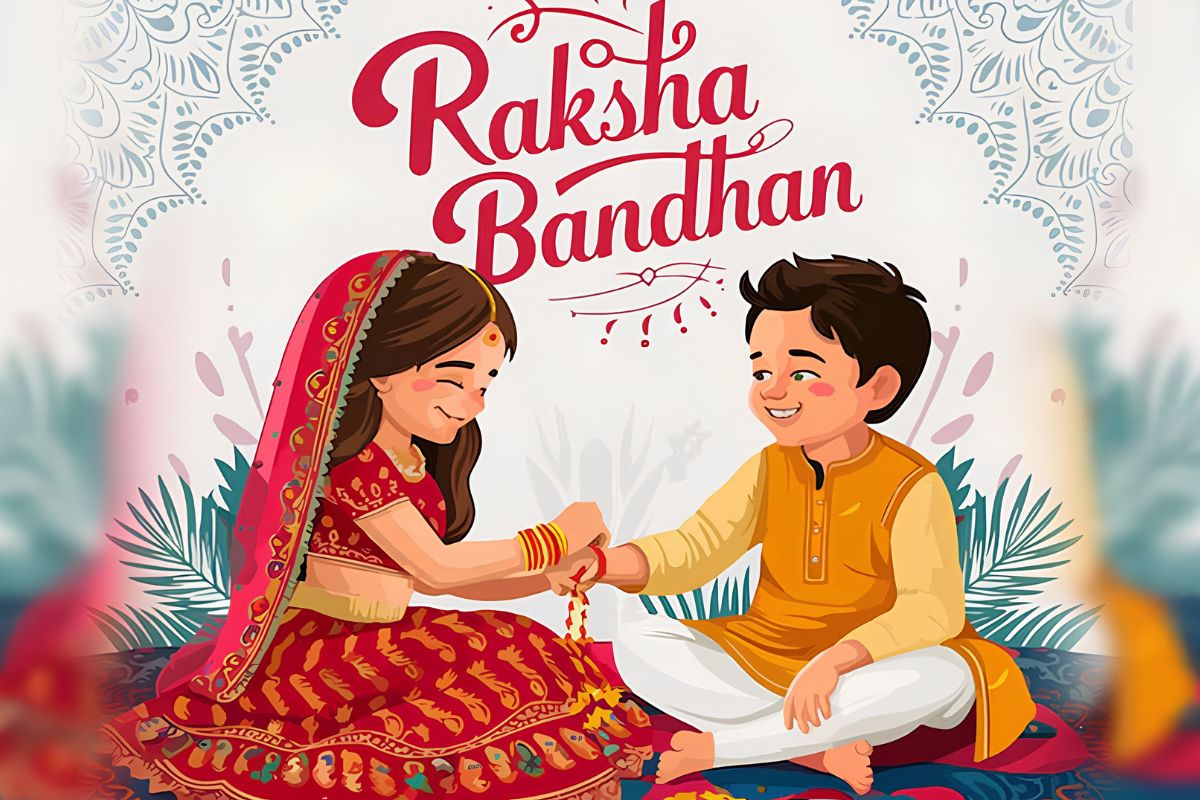
It recognises that a brother’s life is now joined to another woman’s life, and that the sister-brother bond exists within a larger household. The bhabhi is not left standing outside the ritual. She is included in it. The sister’s affection for her brother extends to the person who now shares his home, his responsibilities, and his future. In this act, protection becomes mutual family regard. It honours the bhabhi’s place in the family and wishes for harmony between her and her sister-in-law.
The custom should not be described as universal even within Rajasthan. It belongs particularly to Rajasthani and Marwari communities, though its popularity has since travelled beyond them. Its spread shows how traditions change without losing their centre.
A Promise That Keeps Widening
The most inspiring truth of Raksha Bandhan is not that a single thread once changed an emperor’s mind. It is that people keep using a thread to express a duty that politics, distance and time cannot easily undo. Rakhi asks for protection, but it also offers recognition. It says that care is its own form of courage, that kinship can be chosen as well as inherited, and that the finest traditions are never walls around the past. They are living bridges into one another’s lives.
Also Read: From Guns to Glamour: Surrendered Naxal Women Walk Fashion Ramp
You can connect with DNN24 on Facebook, Twitter, and Instagram and subscribe to our YouTube channel.