

Every autumn, shopkeepers across India close their ledgers on Diwali night and open a fresh one the next morning. The habit looks like simple bookkeeping, yet it carries centuries of farming, faith and trade inside it. To see why Diwali became the festival of business, wealth and new beginnings, you have to start in a field, long before the first shop opened its doors.
The Harvest That Started It
Diwali falls near the new moon of the month of Kartika, just after the main autumn harvest. For a farming family of that era, this was the one stretch of the year when the granaries were full. A family that had spent months watching the sky for rain finally had grain in store. Debts could be paid, seed could be set aside for the next season, and money could be spent with some confidence. A season like that calls for celebration, and it also calls for a clean start.
As villages grew into market towns and farmers were joined by traders, the habits of the harvest moved with them. Merchants adopted the same rhythm. They closed old ledgers, settled what they owed, offered worship to wealth and opened new account books for the coming year. The festival tied money to blessing, and the two have stayed together ever since.
The Goddess at the Door
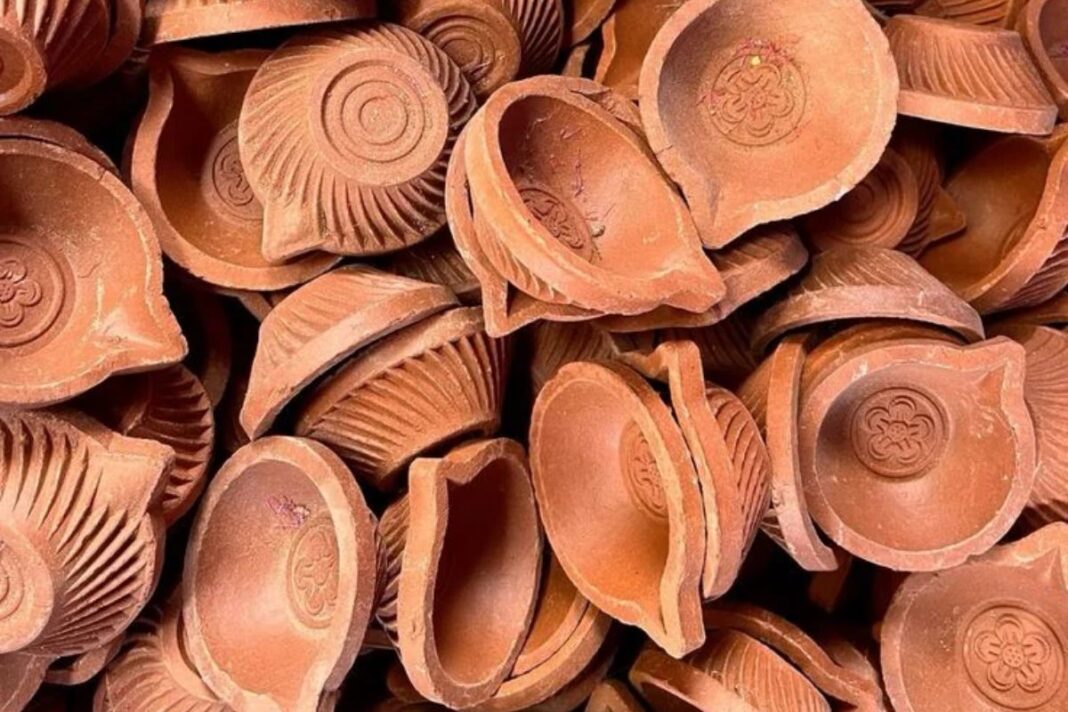
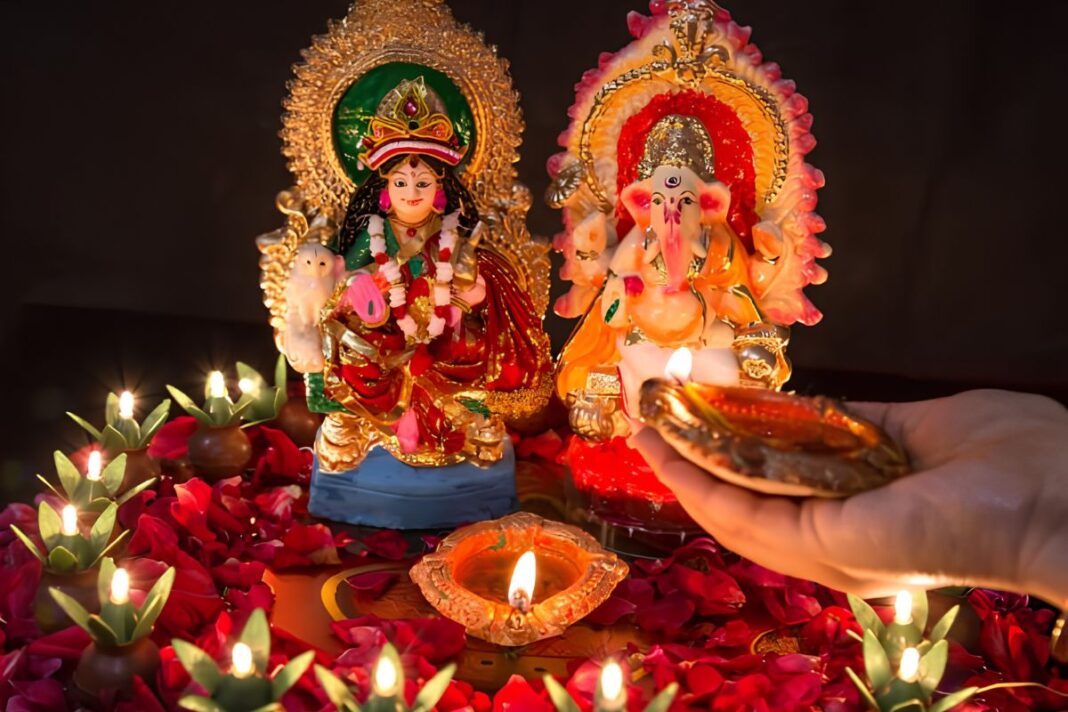
At the centre of the festival stands Lakshmi, the Hindu goddess of wealth, fortune and prosperity. Families line their homes with oil lamps called diyas, draw rangoli patterns at the entrance and leave doors and windows open so that she may walk in.
(Image-Pinterest)
Walk through an Indian lane on the evening of Diwali, and the effect is hard to miss. Rows of small flames follow the steps, sweet shops stay open late, and doorways glow with colour. Each of these small acts carries a meaning. Light stands for clarity and hope. A swept and washed house shows readiness. An open door shows trust in what is coming. Behind all of it sits an old teaching that prosperity comes to those who practise discipline, gratitude, generosity and honest effort.
Five Days, One Clean Slate
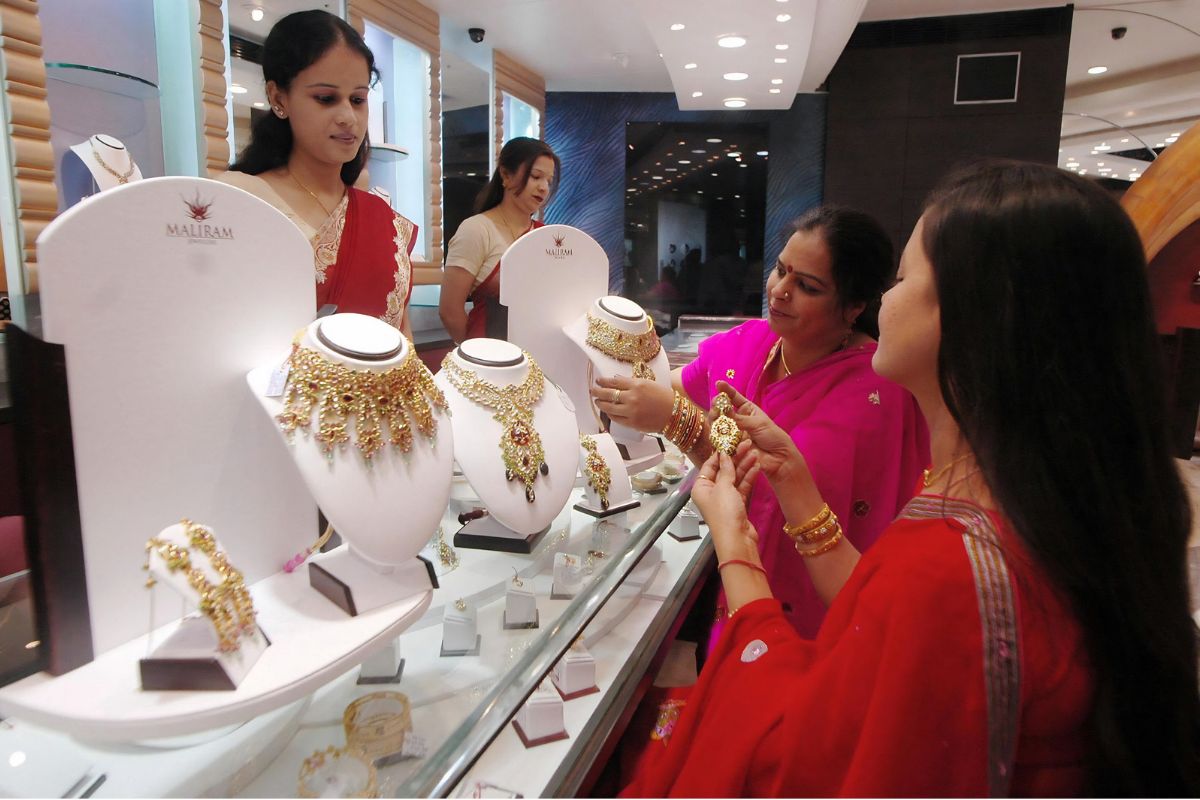
Diwali runs for five days, and every day adds to the idea of beginning again. The first day is Dhanteras. Homes are cleaned, and people buy something auspicious, often gold, silver or kitchen utensils. The name joins dhan, which means wealth, with teras, the thirteenth lunar day.
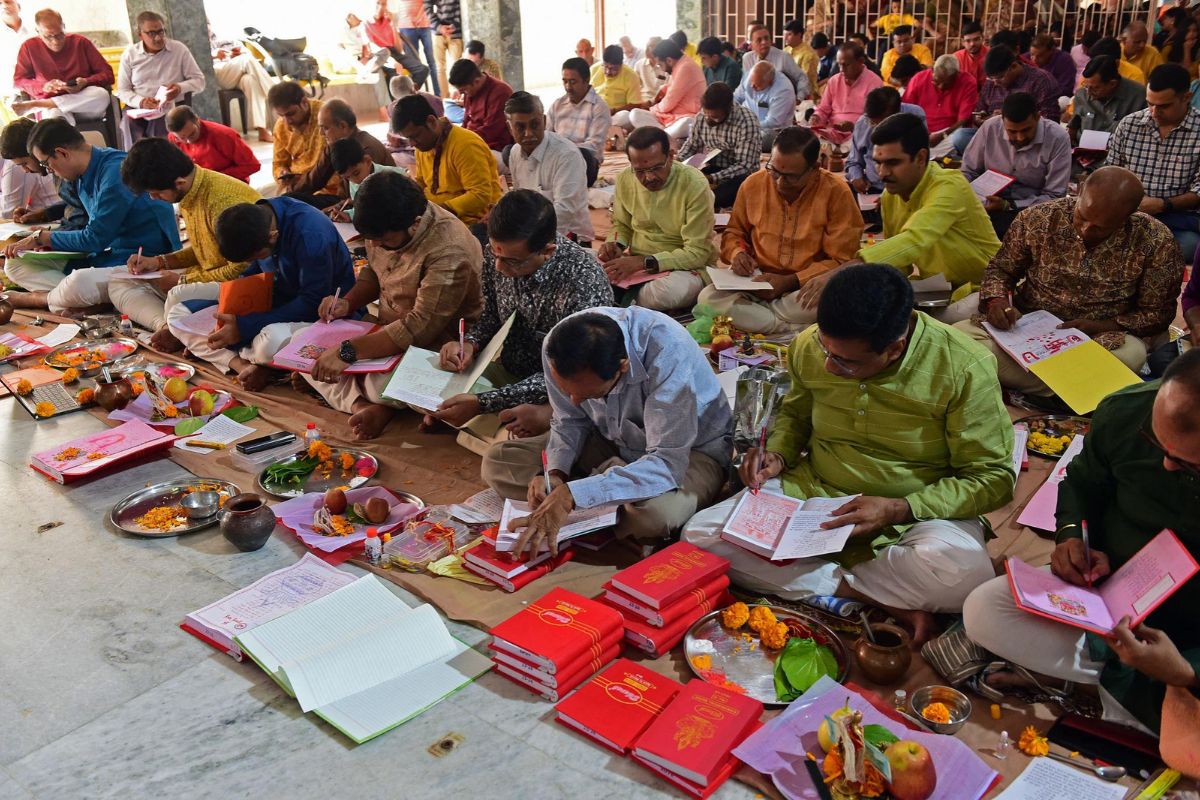
The third day is the main night of Diwali. Families hold Lakshmi Puja, light lamps, share sweets, exchange gifts and sit together. The fourth day is known by different names in different regions, including Govardhan Puja, Balipratipada and Annakut. It also opens the month of Kartika and marks the start of the new year in the Vikrama calendar. Merchants treat it with special care. They perform religious ceremonies and open their new account books.
Read in order, the sequence forms a full cycle. The past is cleaned, prosperity is welcomed, relationships are celebrated, new records are begun, and the household steps forward with some hope.
The Day the Books Open
For many trading communities, especially in western India and the Deccan, the day after Diwali became the first day of a new financial or accounting year. Historians note that merchants opened fresh books of accounts after the festival. That made Diwali a religious occasion and a working business milestone at the same time.
In Gujarat, the custom carries on today as Chopda Pujan, the worship of account books, ledgers and the tools of trade. Business owners ask for blessings on honest dealings, steady growth and stability before the new financial year begins.
The lesson inside the ritual has lasted because it is sound. A business grows on capital, and it also depends on integrity, planning and trust. Diwali gave commerce a sacred calendar and reminded traders that money should be earned fairly, shared and used with care.
When a Festival Moves a Market
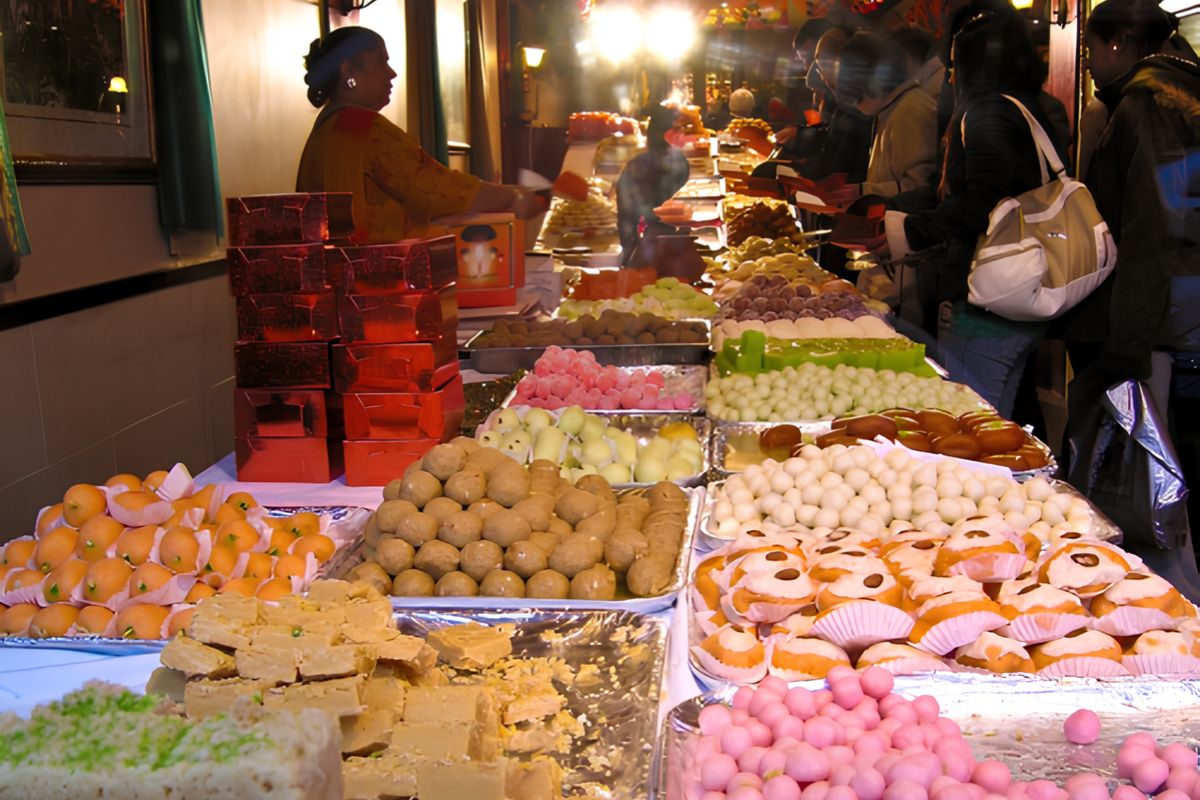
Today Diwali is the biggest holiday season in India. It lifts demand for jewellery, clothing, electronics, vehicles, home décor, sweets, gifts, travel, hotels and online shopping. National Geographic has compared its cultural and commercial weight to Christmas or Thanksgiving in the United States.
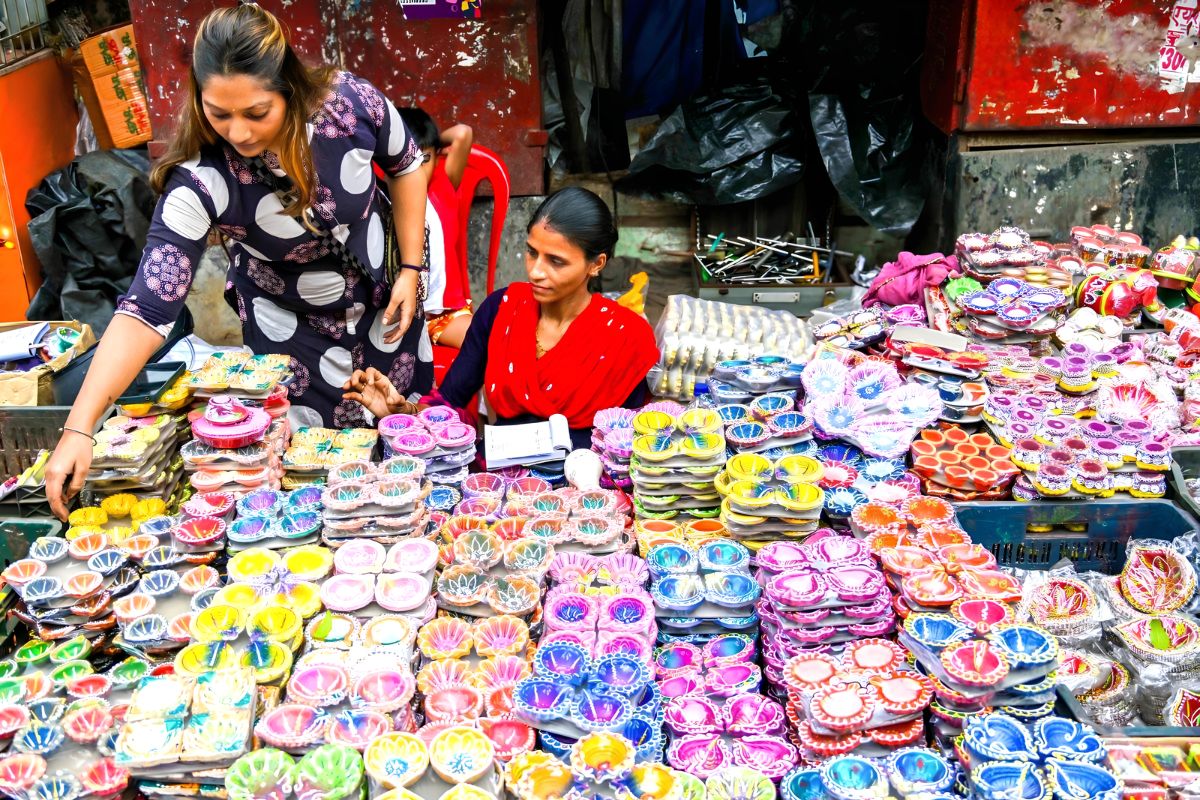
The effect reaches well past the large brands. Potters, artisans, sweet makers, decorators, retailers, delivery workers, small shopkeepers and online sellers all see work increase in these weeks. For many of them, Diwali is the busiest and most hopeful stretch of the year, a season of extra jobs and first attempts at running a business.
The present scale owes a good deal to rising incomes, growing cities and digital commerce. Online marketplaces now hold large festive sales, which carry Diwali shopping into small towns and let small and medium businesses find buyers far from their own street.
Wealth With Duties Attached
Wealth during Diwali comes with obligations. Traditional practice includes giving to the poor, feeding others, sharing sweets and strengthening bonds in the community. Britannica notes that charity and generosity sit alongside worship, feasting and gifts in the festival.
That balance is what gives Diwali its dignity. Money has the most meaning when it keeps moving, when a good year helps the family, the employees, the artisans, the neighbours and those in need. The lamp makes the point well. One flame can light a hundred others and burn just as brightly afterwards.
A Fresh Start for Everyone
The promise of a new beginning belongs to everyone, and shop owners hold no special claim on it. Students set new goals. Families mend quarrels. Workers look for better openings. Neighbourhoods put effort into cleaning and cooperating. For many celebrants, the fourth day is also the new year, a time for gifts and good wishes.
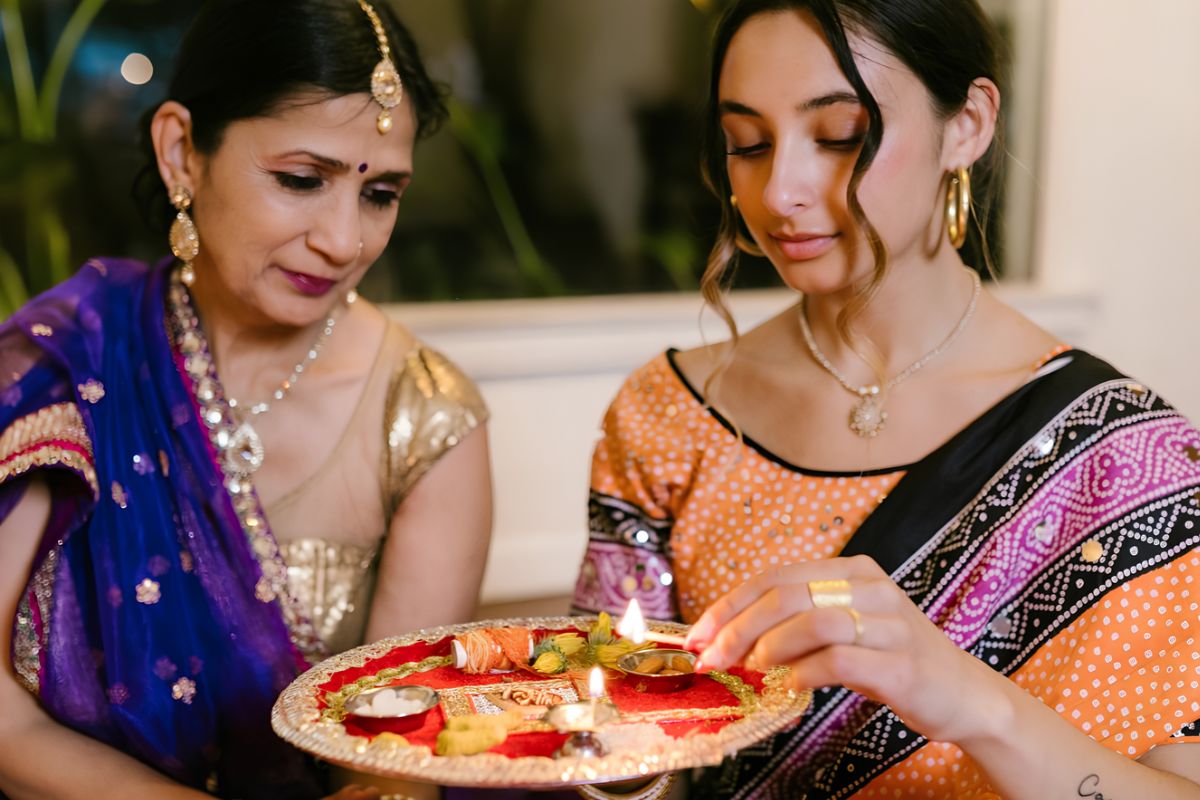
Stories vary across faiths and regions, yet one idea holds steady. Darkness passes, effort counts, and a better beginning is always possible. More than a billion people in India and its diaspora keep Diwali through prayer, feasts, family gatherings and charity.
The Answer in a Single Flame
So why does a harvest festival end up opening account books? Over the centuries, a season of full granaries grew into a way of thinking about growth. It asks people to close old accounts, respect hard work, welcome opportunity, bless new ventures and begin again with courage.
The greatest wealth of Diwali sits in the confidence to clean up the past, light the present and build something better, one honest decision, one kind gesture and one new beginning at a time.
Also Read: How Clay Diyas Became an Enduring Symbol of Diwali
You can connect with DNN24 on Facebook, Twitter, and Instagram and subscribe to our YouTube channel.