
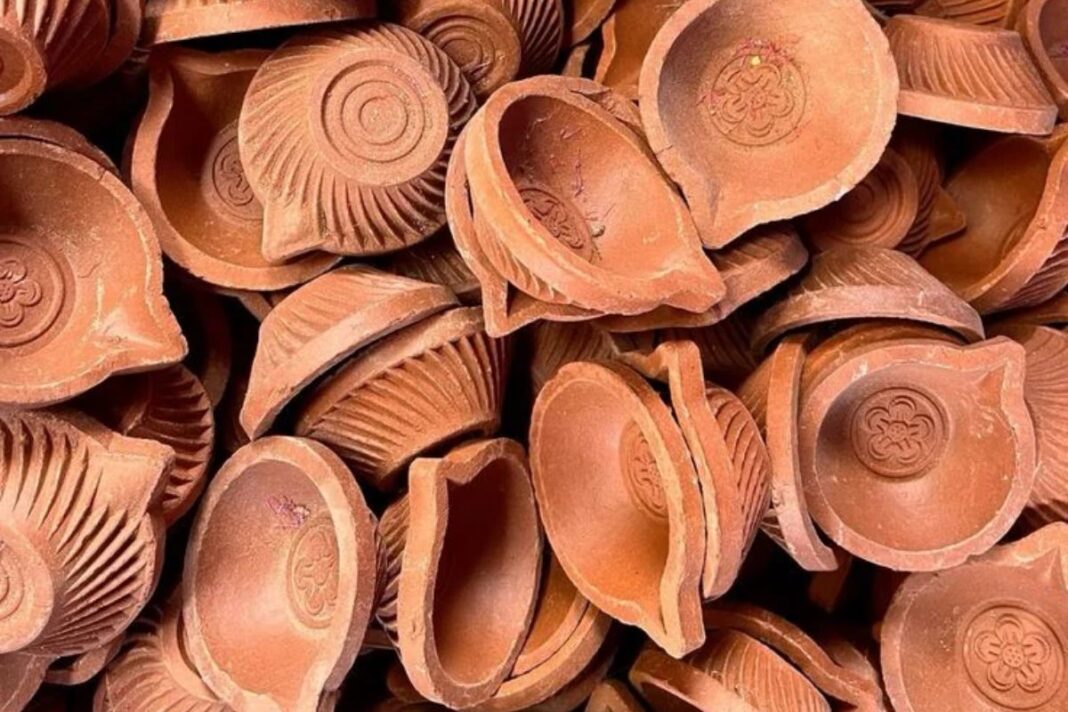

A lamp that costs a few rupees and fits in the palm of a hand has outlasted every string of electric lights ever hung from an Indian balcony. Nobody has managed to replace it. Each year, as Diwali approaches, millions of clay diyas are set out at doorways, windows, courtyards and riverbanks. They light them to welcome prosperity, honour the gods, and push back the dark. The question is why this small bowl of baked earth still holds sway in a country that now has every other kind of light available.
The answer begins with how little the diya asks for. It needs clay, oil and a cotton wick. A village potter can make it, a city market can sell it, and children can shape one at the kitchen table. Its flame is small, yet the meaning attached to it has stayed remarkably firm.
What the Name Tells Us
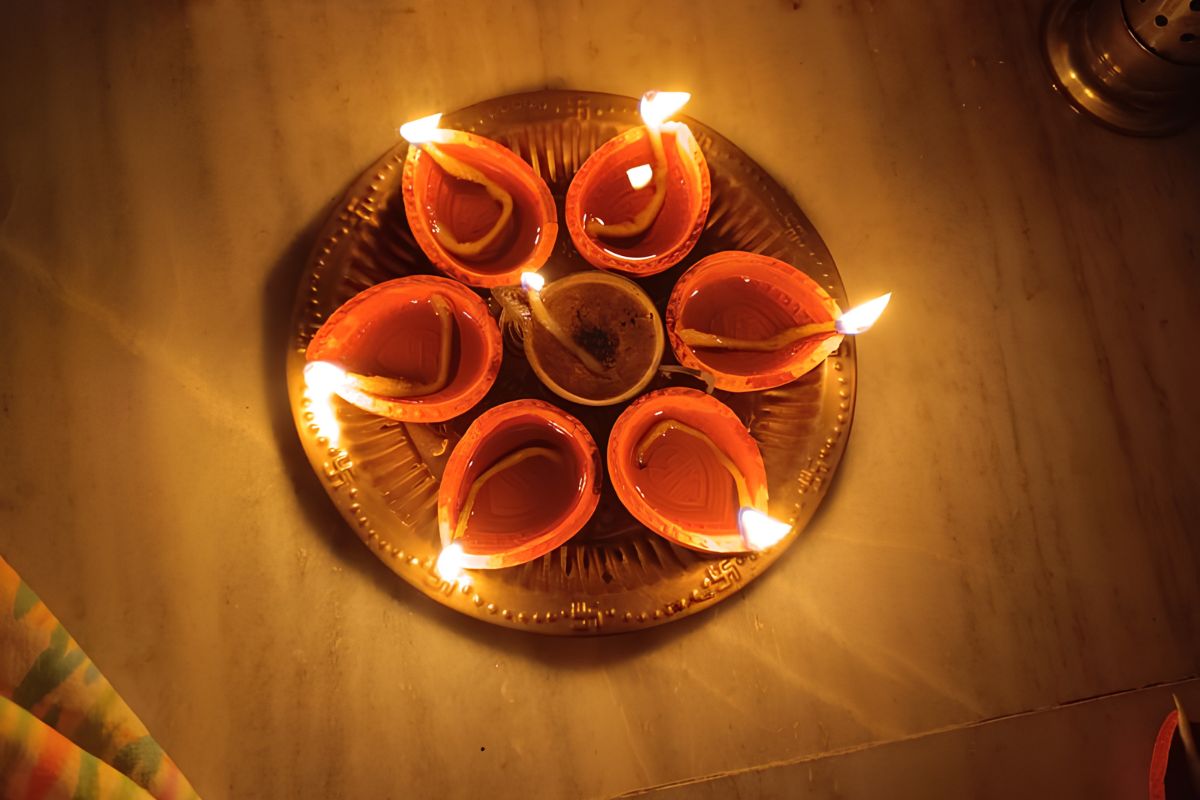
The word diya comes from the Sanskrit deepa, which means lamp or light. Across India, it is also called deepam, deepak or diva. The name changes from region to region, but the lamp itself has changed very little. A bowl of fired clay holds oil or ghee. A cotton wick sits in the fuel and burns with a steady yellow flame.
Clay was the sensible choice. It was cheap, easy to find and simple to shape. A potter could make diyas in large numbers on a wheel or in a mould. Once dried in the sun and baked in a kiln, they were strong enough for daily use. A broken one could go back to the soil.
This closeness to the ground gave the diya its place in ordinary homes. A farmer could light one before the evening meal. A shopkeeper could set one beside his account books. A mother could place one near the household shrine. One small lamp served prayer, convenience and celebration all at once.
Why Darkness Matters
Diwali is called the festival of lights, and the diya sits at the centre of that name. People light the lamps after sunset, when the dark outside feels deepest. Rows of flames turn doorways, balconies and lanes into places of warmth and movement.
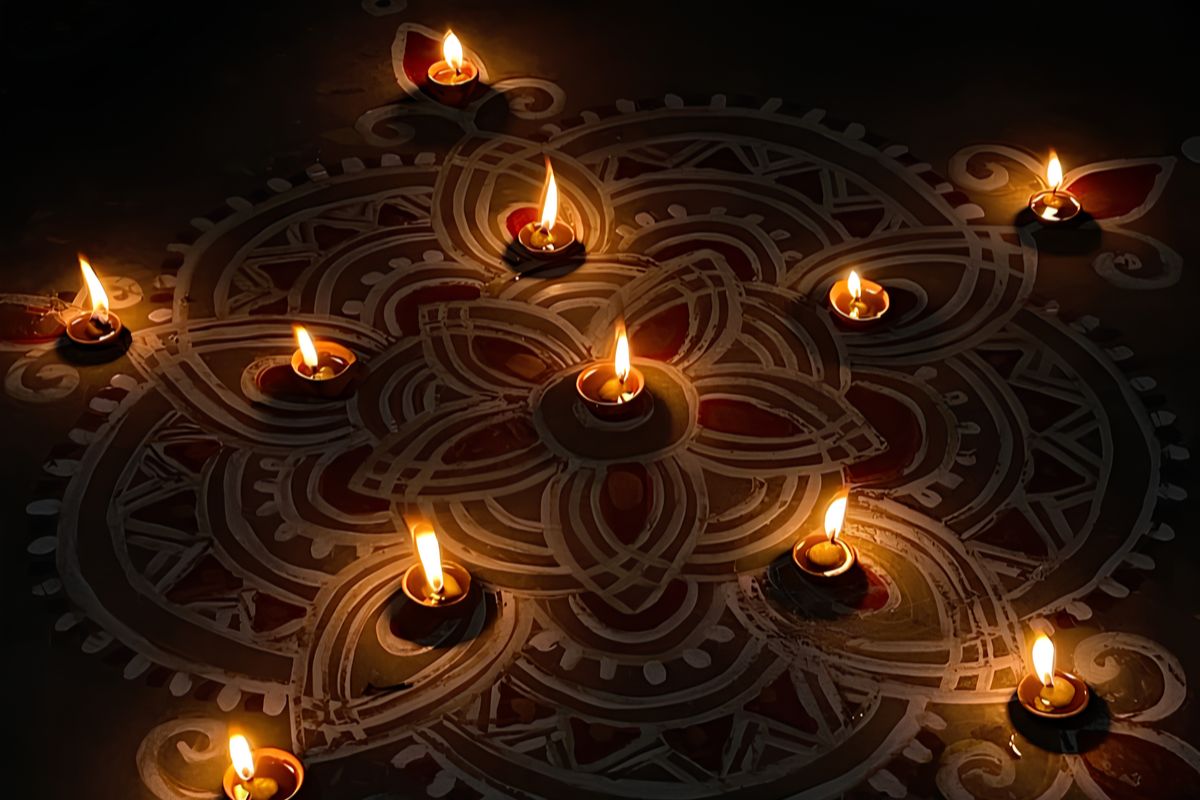
The light carries several meanings. In many Hindu traditions, it stands for the victory of good over evil, knowledge over ignorance, and hope over despair. The most commonly told story is the return of Lord Rama to Ayodhya after fourteen years in exile. The people of the city are said to have lit lamps to guide him home. The diya became a sign of welcome and of joy.
Other communities remember other events. Some celebrate Lord Krishna’s victory over the demon Narakasura. Others honour Goddess Lakshmi, the giver of wealth and fortune. Jains recall Lord Mahavira’s nirvana. Sikhs mark Guru Hargobind’s release from prison. The stories differ, yet the clay lamp appears in each one.
The reason is easy to see. Light is one of the few images people of every culture read the same way. A flame suggests safety at night, a guide on a hard road and life inside a dark room. The diya gives that feeling a shape a person can hold.
The Hands Behind the Flame
Every diya begins with a potter. In the weeks before Diwali, pottery households and small workshops grow very busy. Clay is kneaded, shaped and left to dry. Lamps are stacked in kilns and fired until they harden. Some stay plain and reddish brown. Others are painted in bright colours, marked with dots and patterns or given a thin glaze.
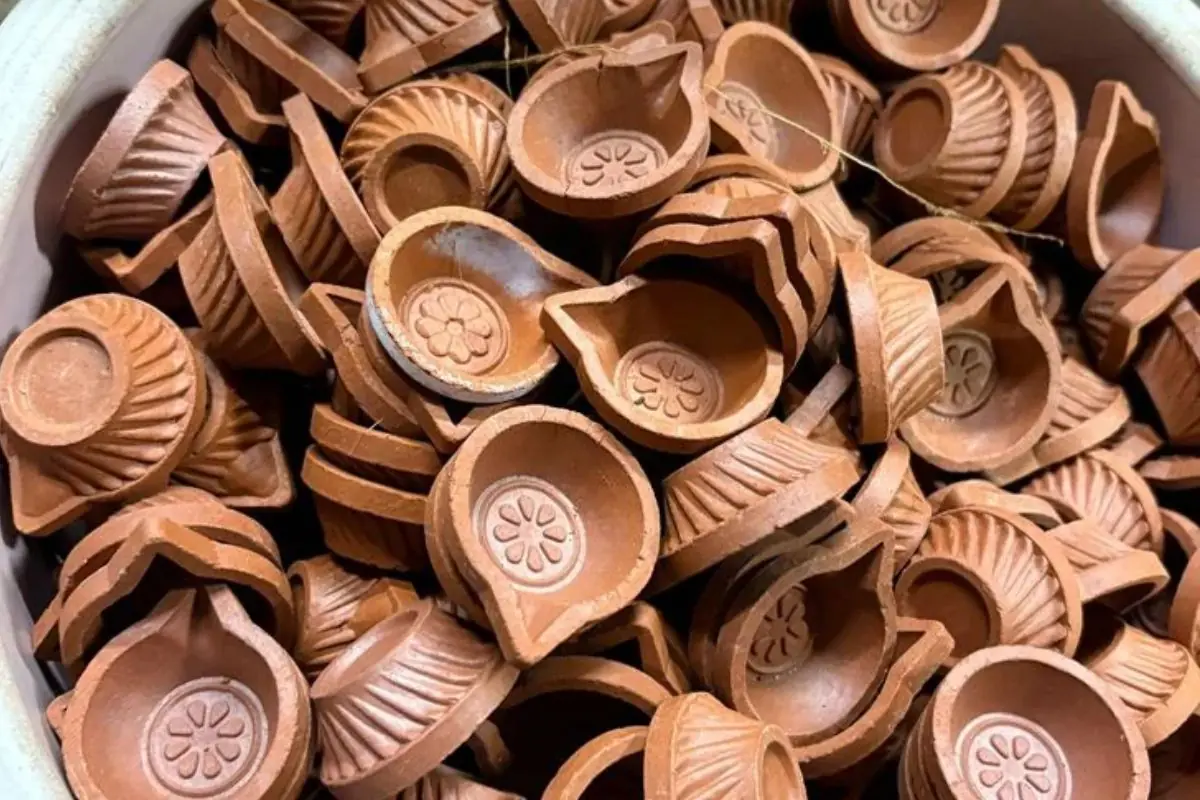
The work is demanding. The clay needs the right texture. Too much water weakens the lamp, and too little makes it hard to shape. Potters must watch the firing closely, since a badly baked diya may crack once oil is poured in. A good potter learns these things through years of practice.
In many towns, the festival season brings a large share of the year’s income. A family may prepare thousands of lamps for the local market. Children help with cleaning, painting and packing. The trade ties the celebration to village and small-town livelihoods.
This side of the diya is easy to forget. It explains a good deal, though. Buying a clay lamp usually pays a local craftsperson, and lighting it keeps a skill handed down through generations alive. The diya belongs to religion, and also to work, family, and neighbourhood.
How the Lamps Are Placed
Customs differ from house to house. Many families light diyas near the front entrance, believing the glow invites Lakshmi inside. Some line the windows and balconies. Others float lamps in bowls of water or set them beside tulsi plants, in courtyards and at household shrines.
The lighting is often shared. Neighbours kindle their lamps at about the same hour, and the street fills with uneven rows of flame. Children carry a small light from one lamp to the next, careful not to let it go out. The smell of oil and burnt wick mixes with sweets, flowers and incense.
A quieter meaning lies beneath it all. Cleaning the house, lighting the lamps and offering prayers are acts of preparation. They say a home is being prepared for good fortune. The diya marks that readiness in a language older than words.
Why Machines Cannot Copy It
Over time, the diya has become the most recognisable image of Diwali. It appears on greeting cards, in advertisements, on temple walls and at public celebrations. Electric fairy lights now trace the outlines of buildings, and candles sometimes stand beside the old lamps, but the clay diya still holds a special authority.
Part of that authority comes from its flaws. Machine-made light is steady and clean. A clay diya flickers. The wind bends its flame, oil spills, and the wick burns unevenly. These small faults make the lamp seem alive. It asks for attention and care, and people give it both.
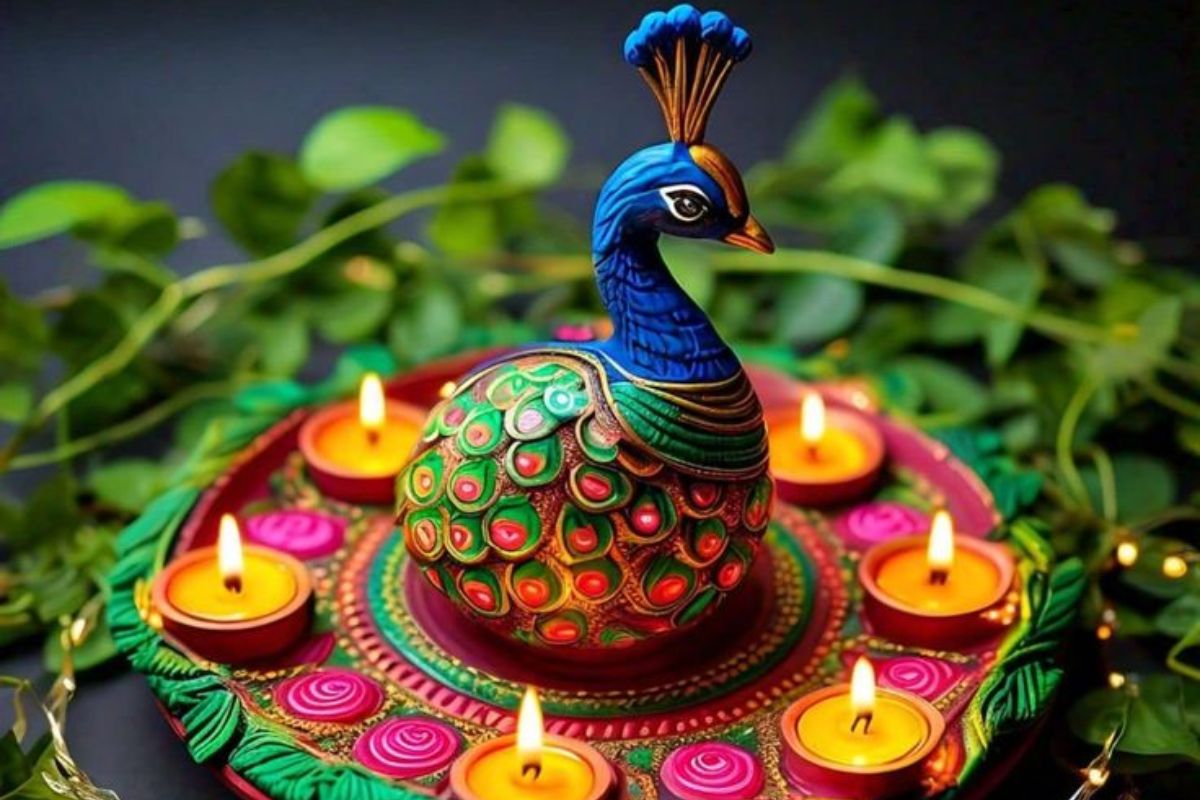
The diya also joins the present to the past. A family that lights one tonight does what earlier generations would have recognised at once. Houses are taller now, streets are busier, and lamps are brighter. The clay lamp links them all.
A Flame That Lasts
So the answer to the opening question is simple. The clay diya endures because it carries so much besides light. It holds the memory of potters, the stories of gods and heroes, the hopes of households and the pleasure of a shared festival night. It turns a handful of earth into a sign of welcome and renewal.
When the lamps are lit, and the dark begins to pull back, the meaning feels close at hand. A small flame makes no promise to remove every trouble. It only shows that light is possible. That may be why the diya has lasted so long. It is humble, familiar and thoroughly human, and every Diwali it makes the world a little brighter for a while.
Also Read: Bihar Museum: A Global Landmark of India’s Living Heritage
You can connect with DNN24 on Facebook, Twitter, and Instagram and subscribe to our YouTube channel.