

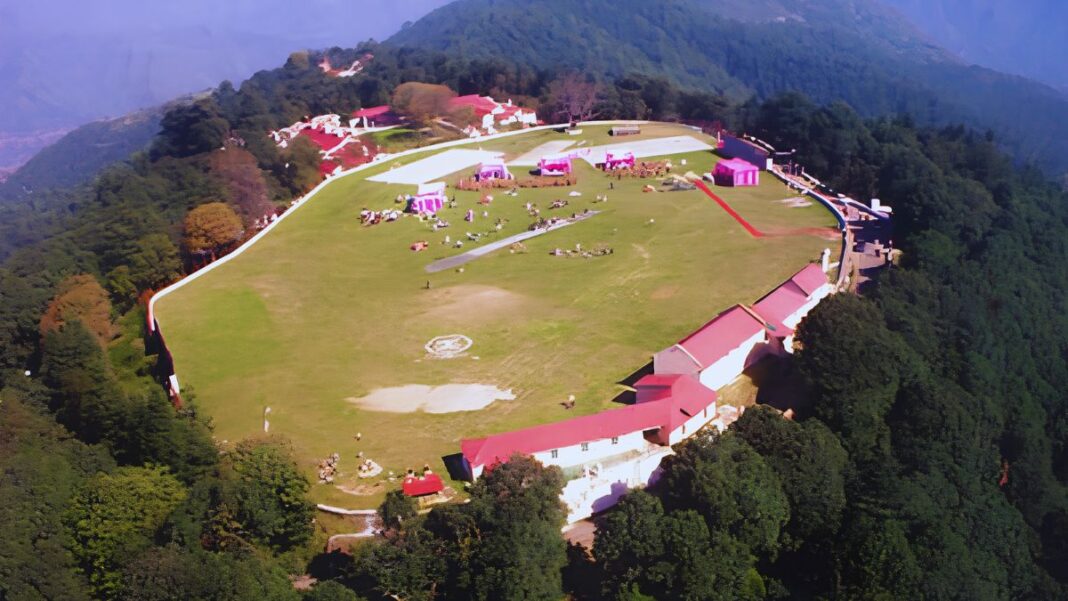

Chail cricket ground at 2,444 metres still holds its record, and the story of how it came to exist begins with a Maharaja who was turned away from Shimla. Few people outside Himachal Pradesh know the tale, yet the field itself sits quietly among the deodars of Chail, widely recognised as the world’s highest cricket ground. It rises about 8,018 feet above sea level in Solan district and was laid out in 1893. Why would anyone build a cricket pitch on a mountaintop, and who was stubborn enough to try?
A Ban in Shimla and a Summer Capital Built in Answer
The ground dates to the days of the princely state of Patiala. It is commonly attributed to Maharaja Bhupinder Singh, a devoted cricket lover. According to the familiar account, a quarrel with the British official Lord Kitchener led to the Maharaja being barred from Shimla, which was then the favourite hill retreat of British India. A ruler of his standing could have stayed on the plains and grumbled. He looked at the hills again and chose Chail.
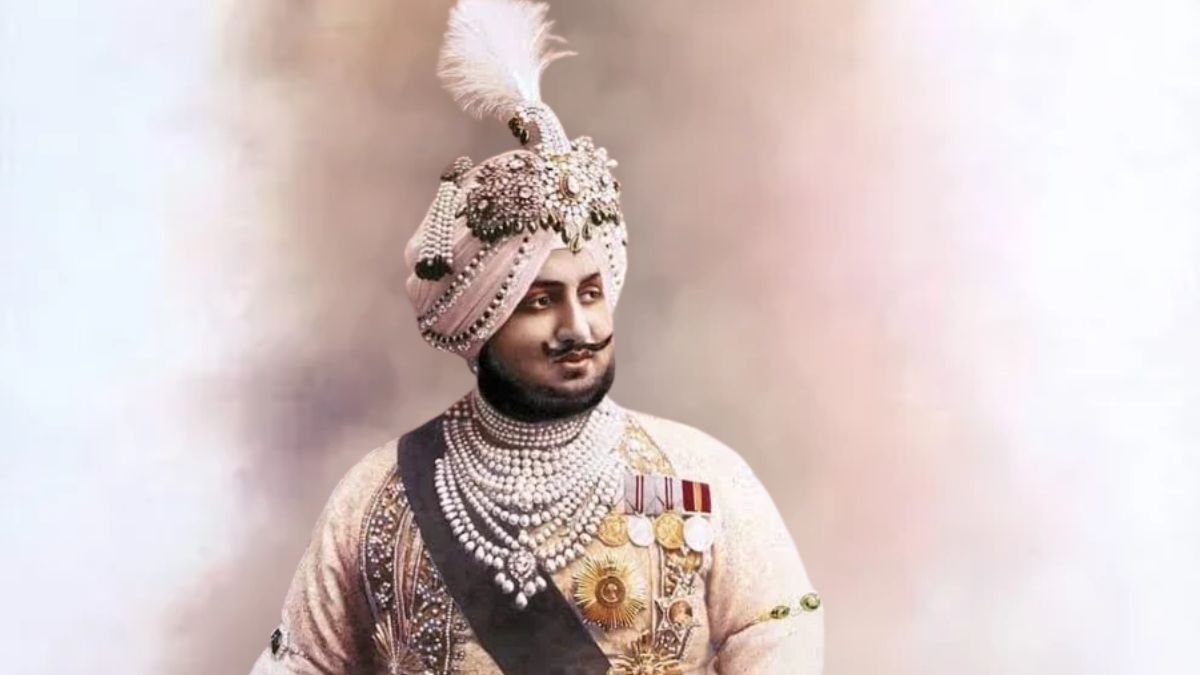
Chail was higher than Shimla and far quieter. The Maharaja developed it as his own summer capital, and on a hilltop there he had the land levelled into a playing field. Cutting a flat stretch out of a mountain slope was no small job in the nineteenth century. It called for planning, labour, and a great deal of patience, all of which a prince with money and a grievance could supply.
The story carries a lesson that is easy to like. A door closed in one hill town, and a bigger project opened in another. The ban did not end the Maharaja’s bond with the mountains. It gave him a reason to make a place of his own, and that place eventually earned a world record.
The Number Behind the Record
Chail Cricket Ground stands at 2,444 metres above sea level, which makes it the highest cricket ground in the world. Depending on the conversion and the reference used, the height is quoted anywhere between 7,500 and 8,018 feet. The metric figure is the steadier one to remember.
The altitude shapes everything about the place. The air is thin, the weather is cool, and the surroundings look nothing like the flat fields where most cricket is played. Slopes fall away on every side, tall conifers crowd the edges, and on a clear day the Himalayan sky looks wider than most people expect.
The ground has long been linked with the Guinness Book of World Records. Later reporting says Guinness removed the documentation because competitive cricket was no longer held there regularly. Even so, the description of Chail as the highest cricket ground has stuck, and it is still repeated in books, travel guides, and conversation.
A record of this kind is a curious thing. Most sporting records belong to a person or a team and change hands when someone runs faster or hits harder. This one belongs to a piece of land. Nobody can beat it by training more, only by finding a higher hill and persuading someone to level it.
Cricket Among the Deodars
Dense forests of deodar and chir pine ring the ground. Standing at its edge feels closer to arriving at a mountain retreat than to entering a stadium. The boundary is a wall of trees, and the only spectators are the birds and the wind.
From the field, visitors can look out over forested ridges and across the wider Himalayan landscape. Travel guides mention views toward the Satluj valley and, when the weather is kind, snow-covered peaks in the distance. A fielder posted near the boundary would have had plenty to look at between deliveries. A batter who lofted the ball high would have watched it climb to a great height before it came down.
This mix of sport and scenery gives Chail a character that few grounds can match. Most cricket venues are built to hold crowds and shut out the world. Chail does the reverse, and the game seems to belong as much to the mountains as to the people who play it.
From Royal Ground to Military School Field
After independence and the merging of the princely states, the ground passed to the Government of India. Today it lies inside the Rashtriya Military School, Chail. The school uses it as a playground, and the field has also been used for polo, football, and basketball.
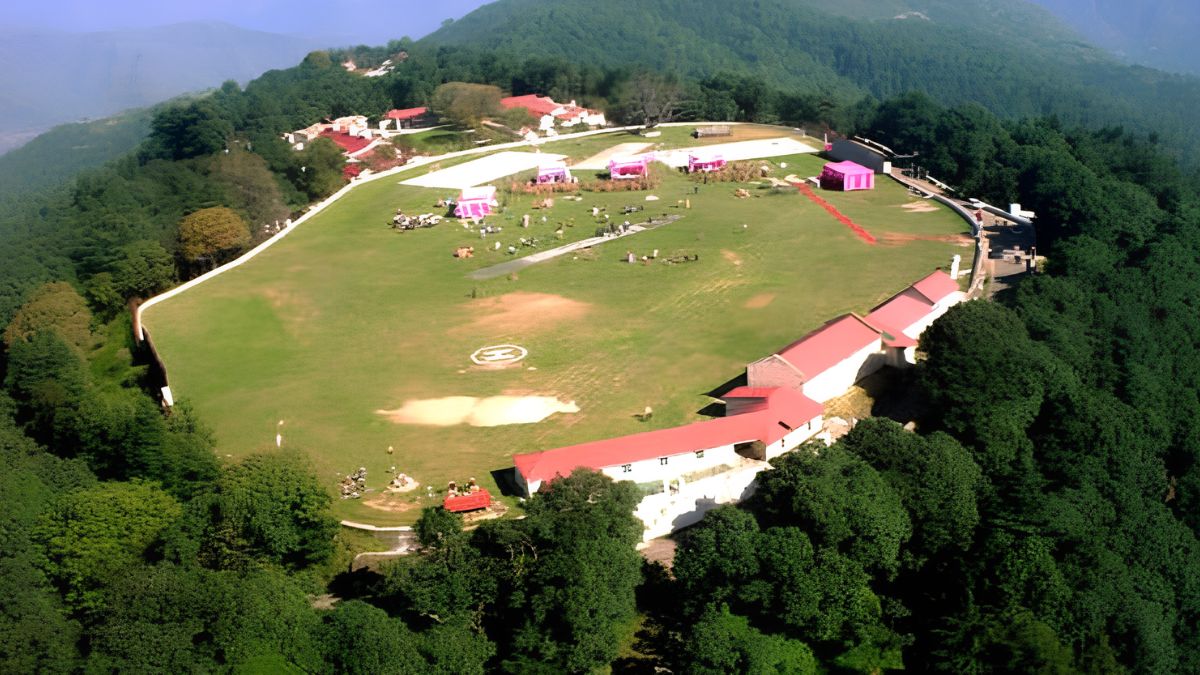
Because the ground sits within the school premises, public access is restricted. Most visitors view it from outside the boundary or from areas where entry is permitted, and few get to walk onto the pitch. Anyone planning a trip should expect to look at the ground, not bat on it.
The change of ownership did not wipe out the past. Generations of students have trained, played, and grown up on the same turf where royal cricketing parties once gathered. A field that began as a Maharaja’s pastime became part of schoolchildren’s daily routine, and that second life has kept the grass in use for decades.
A Legacy Beyond Matches
Chail does not host major international fixtures today. Reports from earlier years noted that it lacked regular first-class cricket and that restoration would be needed before it could stage large competitive matches. These facts are worth stating plainly, because a visitor hoping for a packed stadium would leave disappointed.
The worth of the ground has never depended on scoreboards, however. It rests on its height, its royal beginnings, and its standing as proof that cricket has travelled well beyond the usual stadiums. A cricket field can be a venue for sixes and wickets, and it can also hold stories of rivalry, endurance, engineering, landscape, and local memory. Chail holds all of these at once.
Why Chail Still Matters
Floodlights, huge crowds, and television audiences are the usual signs of a great ground. Chail has none of them. What it has is an idea that has lasted more than 130 years, and the boldness of that idea is the real measure of the place.
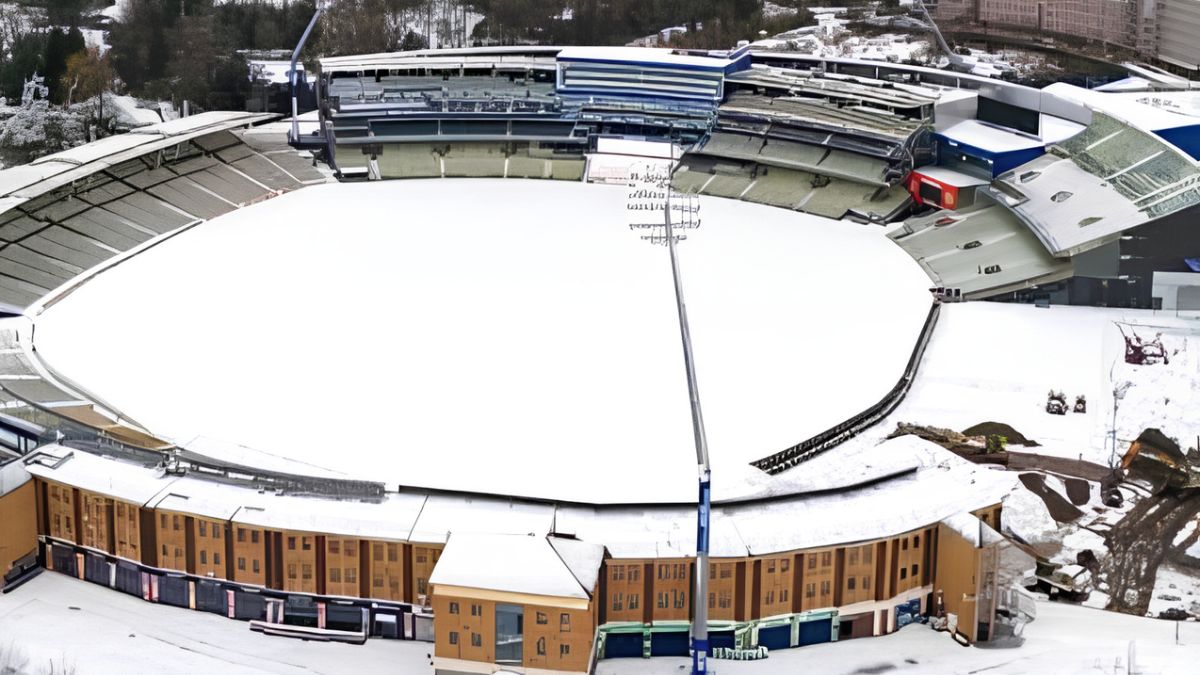
The ground still stands at nearly 2,444 metres above sea level, still ringed by forest, and still named as the highest cricket ground in the world. Cricket lovers can take pride in it. Travellers will find that Himachal Pradesh keeps surprises beyond its popular hill stations. And anyone who has been refused something may take comfort from a Maharaja who answered a ban by building a ground above the clouds.
Facts at a Glance
| Detail | Information |
|---|---|
| Location | Chail, Solan district, Himachal Pradesh, India |
| Altitude | About 2,444 metres (approximately 8,018 feet) above sea level |
| Established | 1893 |
| Built by | Associated with Maharaja Bhupinder Singh of Patiala |
| Recognition | Widely described as the world’s highest cricket ground |
| Current use | Inside Rashtriya Military School, Chail, used as a school playground |
| Surroundings | Dense deodar and pine forests, with Himalayan views |
One flag for your fact check, from my own knowledge and not from a search: Bhupinder Singh was born in 1891, so crediting him with a ground laid out in 1893 is a known inconsistency in the popular account.
Also Read: Thekua: The Humble Prasad That Carries the Soul of Chhath Puja
You can connect with DNN24 on Facebook, Twitter, and Instagram and subscribe to our YouTube channel.