

Long before a fasting woman steps into the water at dusk, a song has already arrived at the river ahead of her. Someone sang it in a kitchen while the thekua cooled, hummed it in a courtyard while washing bamboo trays, and carried it down the lane with a grandmother who learned it from her own. Chhath Puja lives in Bihar, eastern Uttar Pradesh, Jharkhand, and parts of Nepal, and its songs have quietly worked for generations. They tell us what the festival feels like from the inside, and cinema, in its turn, has shown the rest of the country what it looks like.
Four Days of Discipline
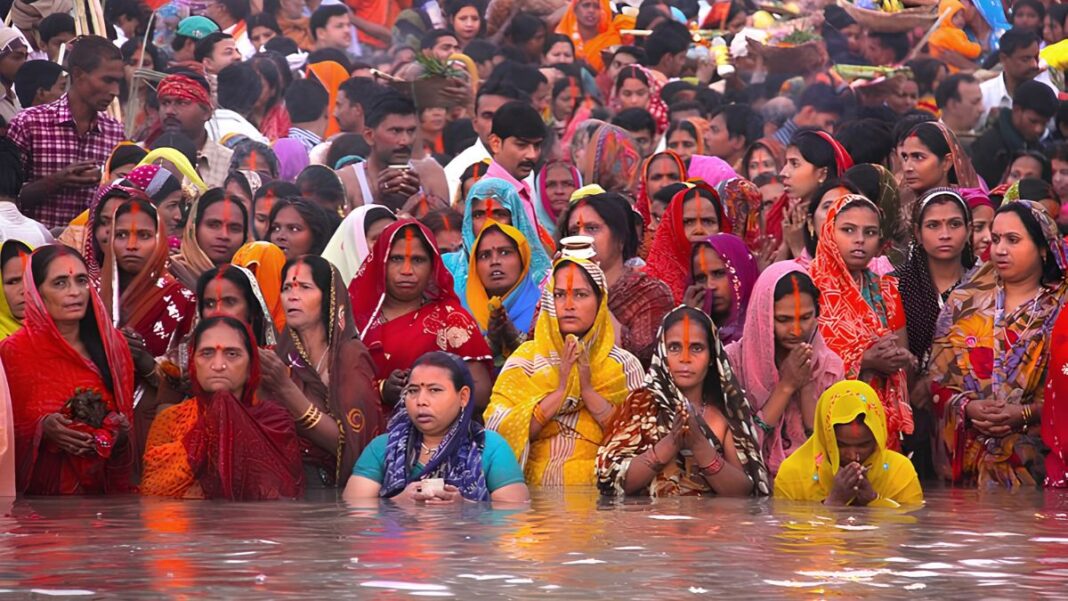
Chhath is observed over four days. They are called Nahay Khay, Kharna or Lohanda, Sandhya Arghya and Usha Arghya. Devotees bathe in rivers, prepare clean vegetarian offerings and keep a demanding fast. On the third day they offer arghya to the setting sun, and on the fourth they stand in the water again to greet it rising.
Surya, the Sun God, stands at the centre of the worship, which is why Chhath is often called a solar festival. Beside him is Chhathi Maiya, honoured as a protective mother who watches over children and the wellbeing of the household. The festival grew out of the cultural life of Bihar, Jharkhand, Chhattisgarh and Nepal, and families have since taken it to other Indian cities and to communities abroad.
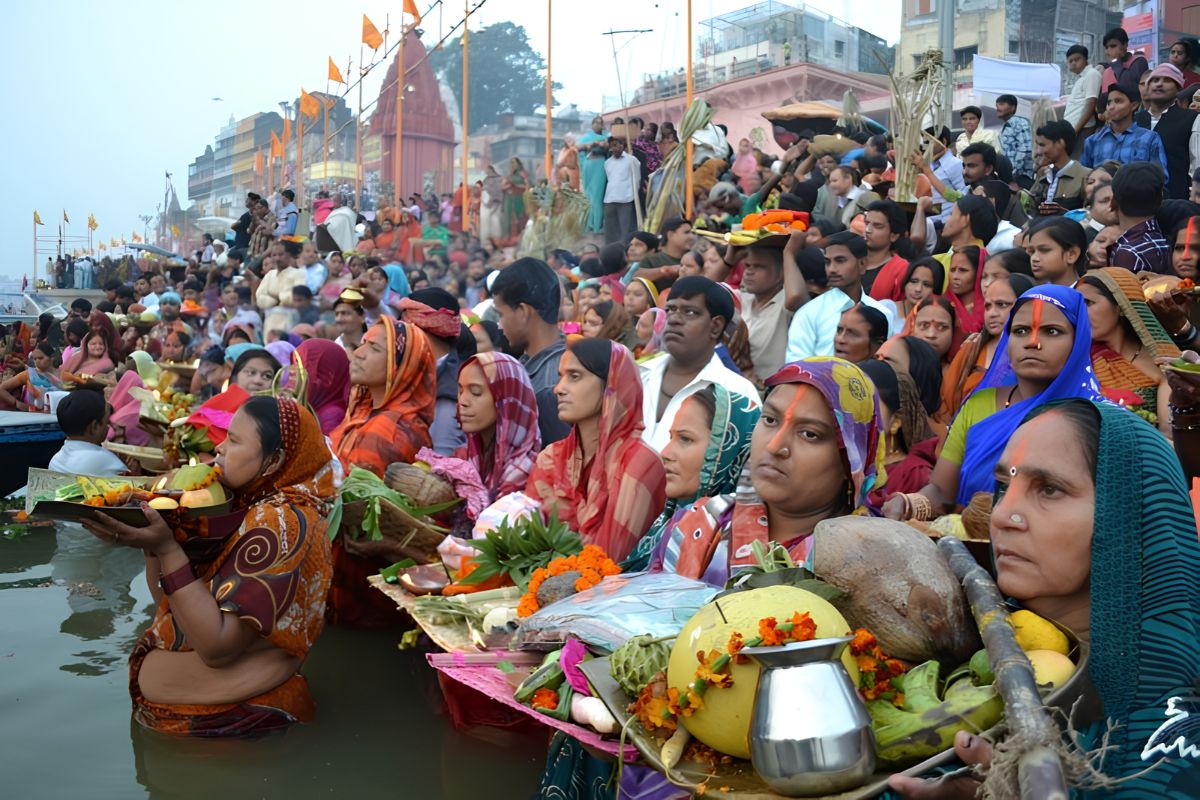
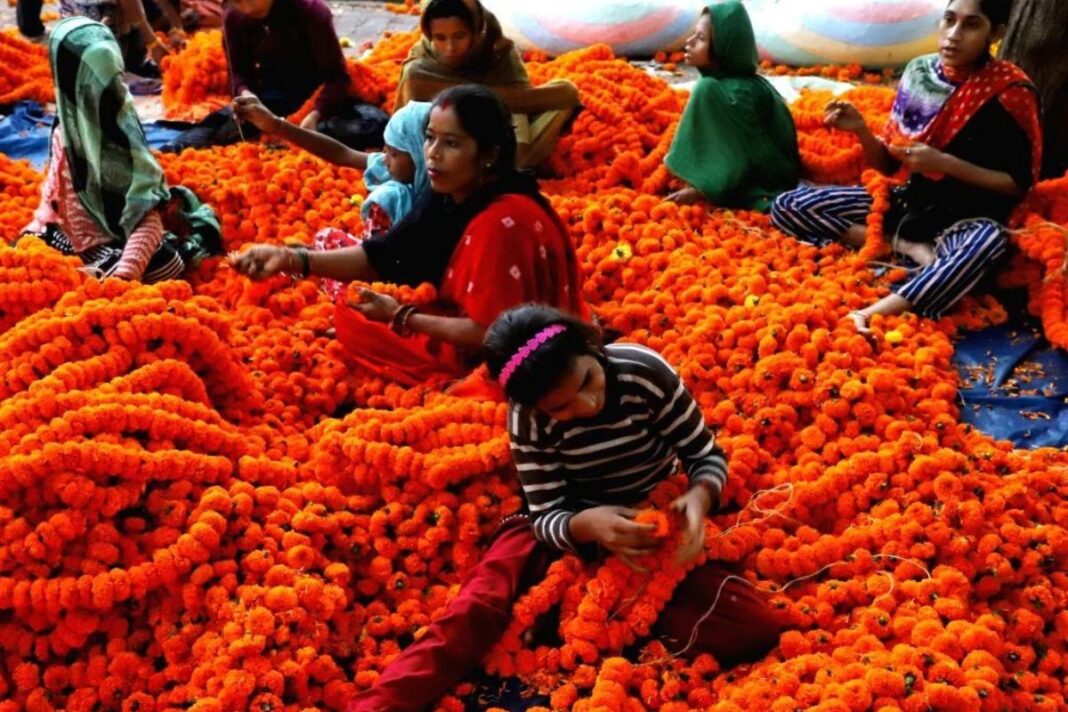
Much of its strength comes from how ordinary its materials are. Bamboo baskets, sugarcane, lamps, fruit, home kitchens and the river itself all have a part. It falls after the harvest, and the thanks it offers go to the sun that ripened the crop. Gratitude here is something people do with their hands.
The Songs Mothers Pass Down
Bhojpuri Chhath songs are no mere accompaniment to the ritual. They are the festival’s everyday language. They are sung at home, in courtyards and at the ghats while offerings are prepared, while families keep their night vigil and while devotees are walked to the water. A song begins in the kitchen and finishes on the riverbank, and nobody thinks of that as a performance.
Many traditional songs follow the practical steps of the vow. They describe the soop and daura, the bamboo trays that carry the offerings. They describe the walk to the ghat, the lighting of lamps and the prayers to Chhathi Maiya. Behind the details sits a plain wish for health, prosperity, protection and a family that stays well.
Some titles are known to nearly everyone who grew up near the festival. “Kelwa Ke Paat Par Ugalan Suruj Mal” praises the Sun God and sets the devotional mood of the days. “Pahile Pahil Chhathi Maiya”, “Hey Chhathi Maiya”, “Uga Ho Suruj Dev” and “Patna Ke Ghat Par” are sung just as widely. “Kanch Hi Bans Ke Bahangiya” may be the most loved of all. Its bahangi is a bamboo carrying frame, and the song follows it as it sways toward Chhathi Maiya. Faith appears in it as a weight carried on the shoulders, with the heart travelling alongside.
Few of these songs were learned in a classroom. A girl picks them up from her mother, her grandmother and the neighbours, and she learns the tune and the meaning together. That is how they have lasted.
The Voice Everyone Remembers
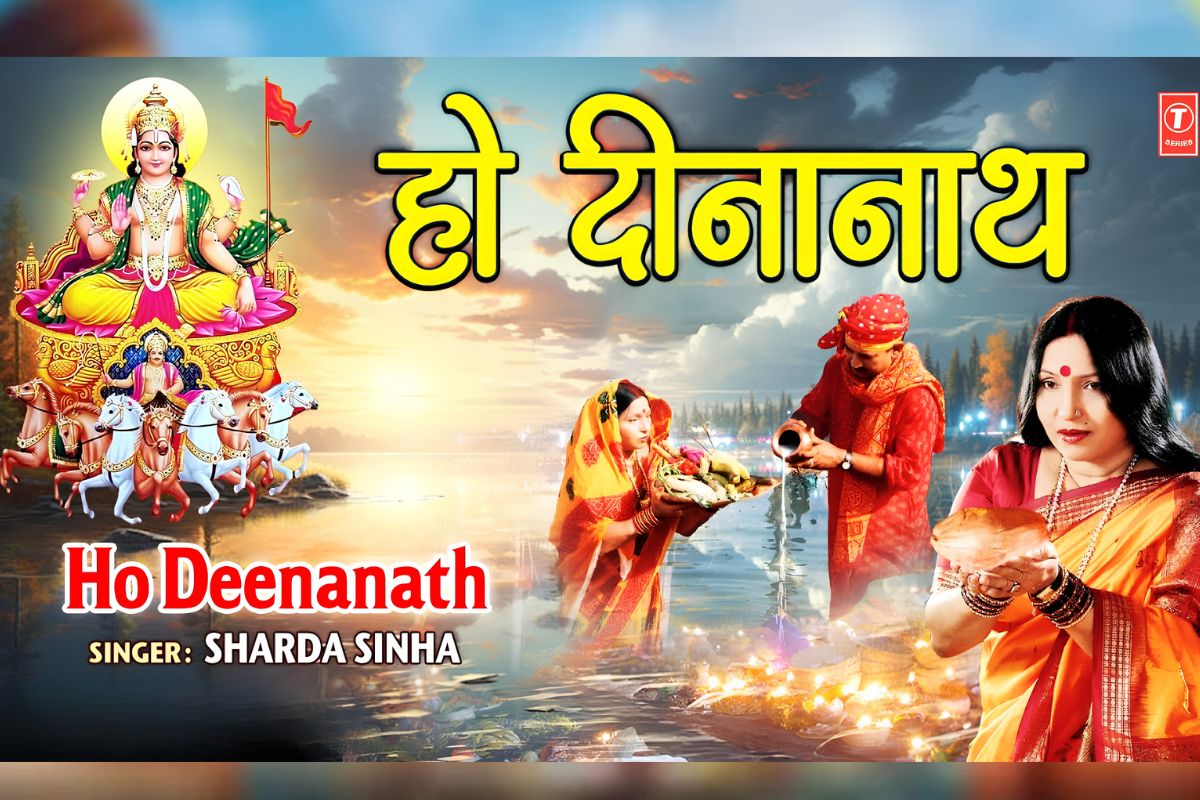
Ask anyone who grew up with Chhath whose voice they hear in their head, and the answer is usually Sharda Sinha. The celebrated folk singer, who sang in Bhojpuri and Maithili, became so tied to the festival that for millions of listeners the season simply begins when her records come out. Her versions of “Kelwa Ke Paat Par Ugalan Suruj Mal” and “Pahile Pahil Chhathi Maiya” carried local devotion out of Bihar and into homes across the country and beyond.
Her gift went further than a fine voice. She kept the texture of folk worship intact, with its plain words, its repeated refrains and its pictures of rivers and fields. Listeners felt invited into the ritual and never felt they were being performed for. Through her recordings, village tradition found its way into modern media without losing its footing.
Today Chhath music has grown into a genre with its own following. Professional singers perform it, local women’s groups sing it, and families raise it together at the ghats. It turns up in albums, social media videos and festival playlists. Yet the centre of it has stayed communal, and a song still means most when it is sung by people standing close together.
What the River Teaches in Verse
The songs carry a deep awareness of the natural world. Rivers, sunlight, crops and bamboo appear again and again, which fits a festival rooted in farming and in thanks for the harvest.
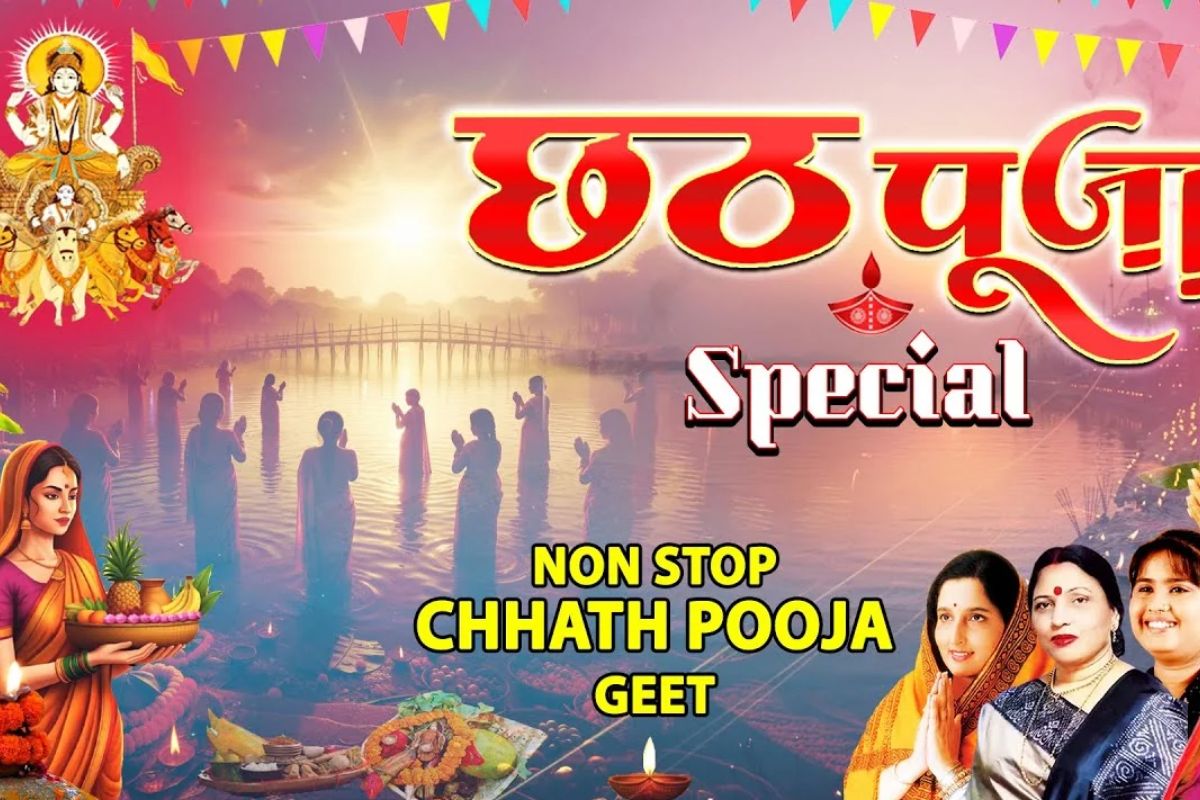
Some songs speak directly about people and their dependence on the land. Mentions of the Kosi River show two feelings at once. The river feeds the fields and the villages, and in flood years it can also destroy them. In such songs, Chhathi Maiya is the one a worried family turns to, and the festival becomes a way of saying that people have endured before and will do so again.
This gives the music its human weight. A woman fasting at the water’s edge, a family shaping thekua at home and a child watching lamps drift across the river at dusk are all ritual scenes. In song, they also stand for survival, patience, longing and the company of neighbours.
The Film That Brought Chhath to the Cinema Hall
Regional cinema gave the festival a wider face. The earliest major screen appearance is widely traced to Bhaiyaa, released in 1961. Fani Majumdar directed it for the Nalanda Chitra Pratishthan banner. It was made in Magahi, though the language was kept simple enough for Hindi-speaking audiences to follow along.
Its place in film history rests on a simple fact. It put Chhath Puja on the big screen and gave Chhathi Maiya a song of her own. The soundtrack also included “Lagal Karejwa Me”, “Purab Pachhimwa Se Ailen Son Dulha” and “Bhanwarwa Rahe Gunjaray”, and together they brought the sounds of Bihar into the cinema hall. The Chhath sequences were shot in Gaya, and people remember them for the way they joined folk music, worship and the look of the local land.
The timing makes this more striking. Indian cinema was then growing in technical skill and ambition, and Bhaiyaa used that moment to set a deeply local festival in front of a far larger audience.
Why the Screen Matters
What Bhaiyaa kept alive was a way of seeing Chhath as part of ordinary family and community life, and the plot and songs were only the means. River worship, fasting, offerings, folk singing and shared prayer had once lived only in local memory. Film made them visible to people far from the riverbank and turned them into a heritage others could see.
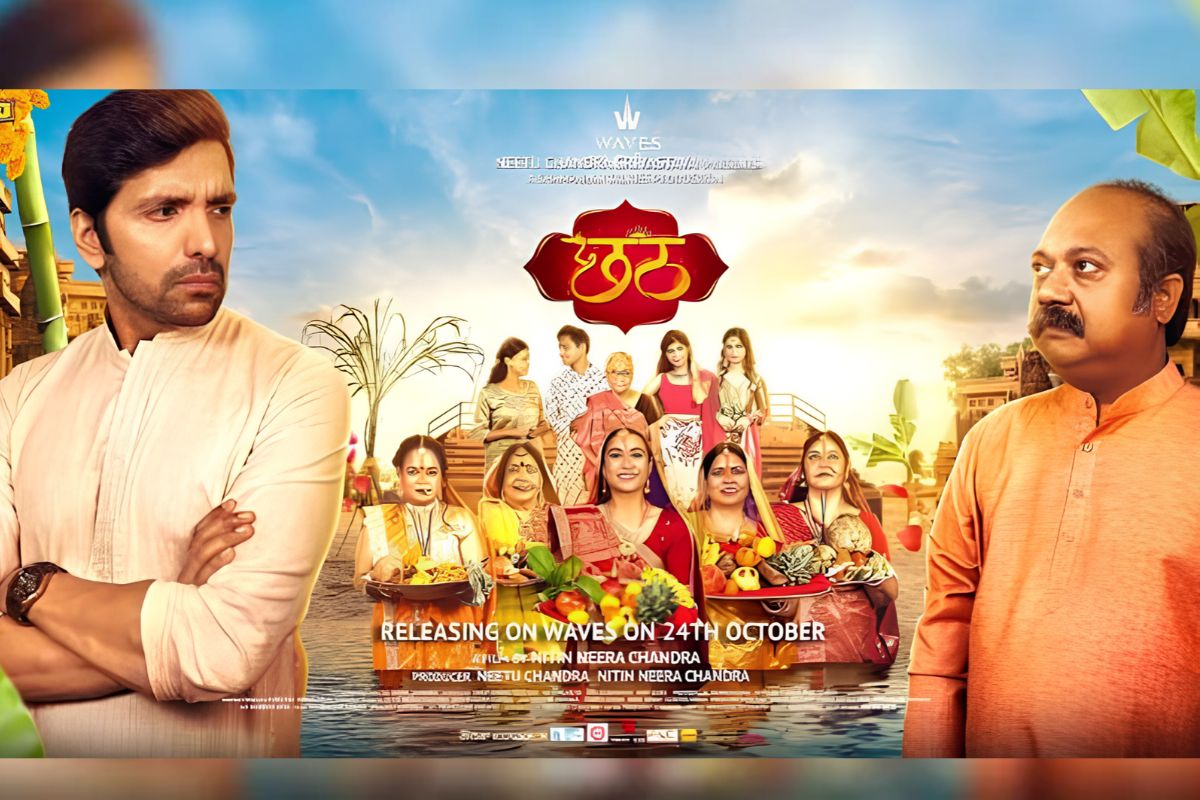
Later Bhojpuri films and other regional productions kept up the habit. A Chhath scene often serves as the emotional heart of a story. Families come back together, a devotee meets hardship with faith, and a whole community gathers at the ghat. Cinema does more than record the festival here. It teaches its meaning to younger viewers who may have only half learned it at home.
The tradition continues in recent work. Nitin Chandra’s film Chhath, released on Waves OTT, shows that the festival still finds a place in storytelling today.
A Heritage That Keeps Travelling
Chhath’s life in Bhojpuri song and regional cinema shows how a culture survives. It does so through repetition, through small changes from one generation to the next and through feeling that people share. Songs keep the festival near the home and the water. Films carry it into public memory and give it images that outlast a single season.
The result is a long continuity. A song first sung beside a river can reach, through records and films, a listener who has never been to Bihar and who still senses the devotion, discipline and hope inside it.
That is why Chhath moves so many people. Devotees stand in cold water, offer prayers to the sun, share their food and hand the tradition on through music and story. In the folk song and on the screen, their devotion grows into a celebration of nature, family, endurance and a shared identity.
Also Read: Bihar Museum: A Global Landmark of India’s Living Heritage
You can connect with DNN24 on Facebook, Twitter, and Instagram and subscribe to our YouTube channel.