

India sometimes gives the year a thirteenth month, and the people who keep its calendars have done so for thousands of years without losing a single festival to the wrong season. The trick behind it is one of the oldest working pieces of mathematics in daily use anywhere in the world.
Where the Counting Began
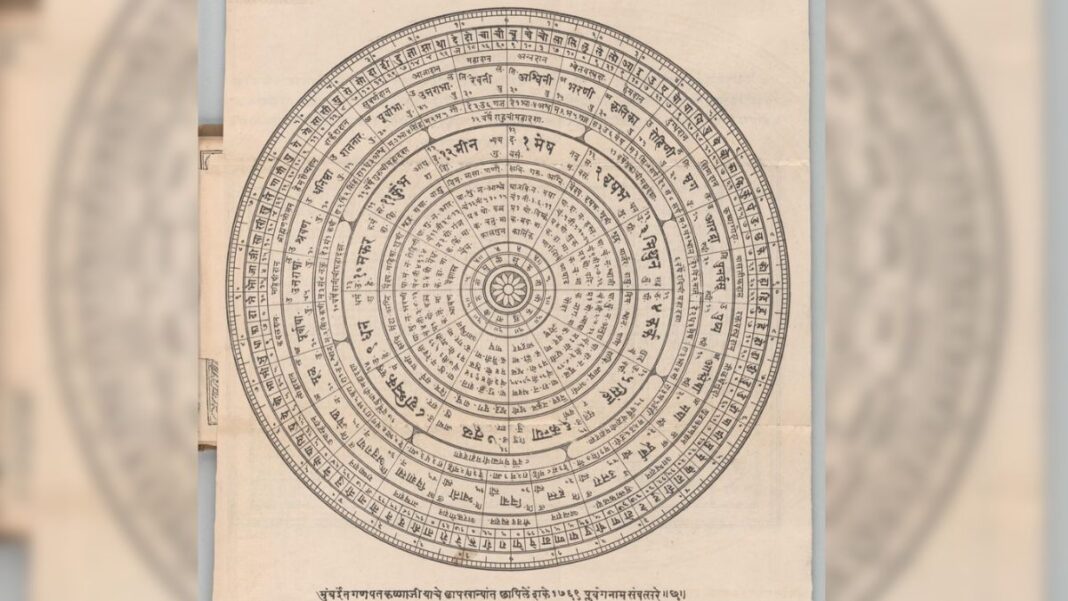
The roots of Indian timekeeping lie in the Vedic period. Communities of that age needed to know when to hold sacrifices, when to sow, and when to gather for ceremonies. The sky was their only reliable almanac, so they learned to read it closely.
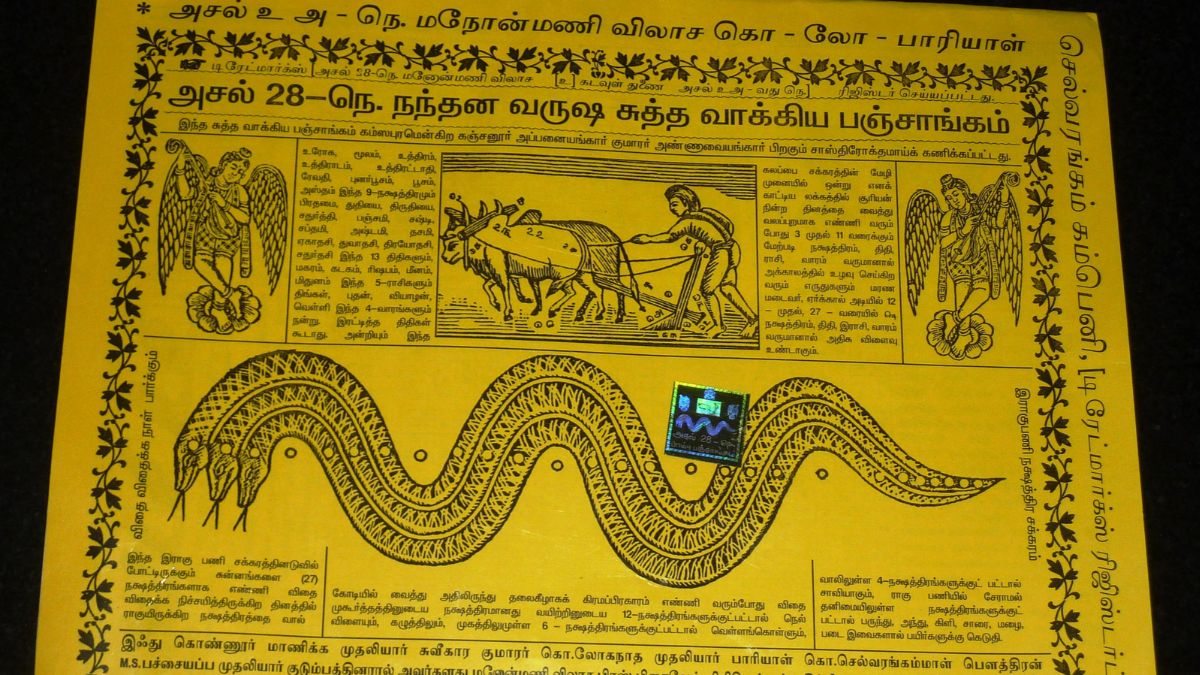
The early systems joined the Moon’s months to the Sun’s year and applied corrections whenever the two drifted apart. From this grew the Panchangam, a name that means “five limbs.” Each limb is a separate measure. The tithi is the lunar day. The vara is the weekday. The nakshatra is the lunar mansion, a stretch of stars the Moon passes through. The yoga is a particular relation between the positions of the Sun and the Moon. The karana is half of a tithi.
Farmers consulted it to anticipate the seasons. Priests used it to fix rituals. Families turned to it before marriages, fasts, and festivals. In a house with a Panchangam on the shelf, the sky and the kitchen were connected.
A Calendar Built on Two Lights
Most traditional Hindu calendars are lunisolar. The months follow the Moon, and the year is tied to the Sun. A year of twelve lunar months runs to about 354 days, while the solar year lasts about 365. That leaves a gap of roughly eleven days every year.
Left alone, the gap would carry Diwali into summer and the harvest festivals into the cold months. The correction is an extra month called Adhika Masa. It arrives, on average, once every 32 to 33 months, though the exact timing comes from astronomical calculation and follows no fixed schedule.
How a Month Earns the Title of Extra
The rule is simple once it is laid out. A Sankranti is the moment the Sun enters a new sign of the sidereal zodiac. In an ordinary lunar month, one Sankranti takes place. If a whole lunar month goes by and the Sun never changes sign, that month is declared Adhika.
A reader can test it in three steps. Find two consecutive new Moons. Check which zodiac sign the Sun occupies at each one. If the sign is the same both times, no Sankranti occurred in between, and the month is Adhika.
Take a month that begins with the Sun in Cancer and ends with the Sun still in Cancer. The Sun never entered Leo, so the month is extra. The following month, when the Sun enters Leo, becomes the regular one.
The extra month borrows its name from the regular month that comes after it. An Adhika month placed before Shravana is called Adhika Shravana, and the regular month that follows is Nija Shravana, the “real” Shravana. A year with an intercalary month therefore has two months with the same name, and each is clearly labeled.
What Happens to the Festivals
Annual festivals tied to a named month are kept in the Nija month. If Adhika Chaitra occurs, then Ugadi, Gudi Padwa and Chaitra Navratri wait until Nija Chaitra begins.
Observances that depend on the Moon’s phase carry on as usual. Ekadashi, Pradosh, Purnima, and Amavasya all rest on the tithi, not the name of the month, so they occur during Adhika Masa too.
Many Hindu traditions treat the extra month as a good time for spiritual discipline. People increase japa (recitation), along with charity, fasting, temple visits, and worship, especially of Vishnu. At the same time, many communities hold back major auspicious events, such as marriages, housewarmings, sacred thread ceremonies, and big new ventures. Practice differs from region to region and from family to family.
Fortnights, Sunrise and Regional Habits
A lunar month divides into two fortnights. Shukla Paksha is the bright half, when the Moon grows. Krishna Paksha is the dark half, when it shrinks. Each holds fifteen tithis.
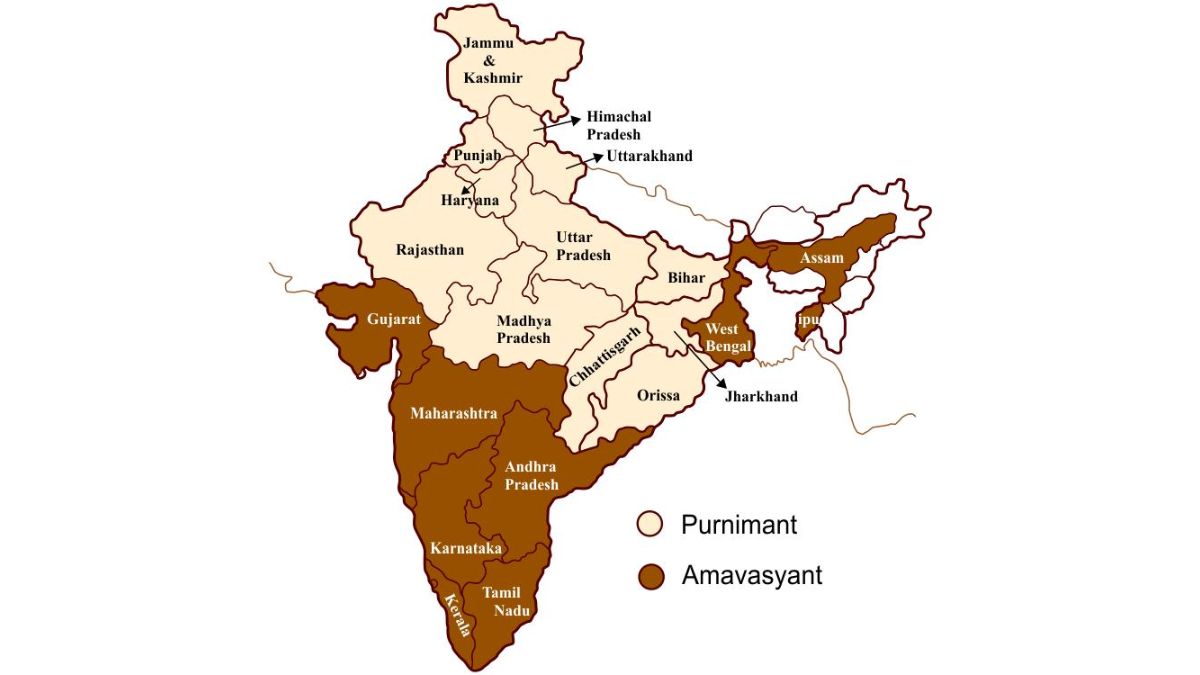
Regions disagree on where a month begins. The Amanta system starts it after the new Moon, and the Purnimanta system starts it after the full Moon. Both are old and still followed, which says something about how varied India has always been.
The traditional day starts at sunrise and not at midnight. People once lived by the visible turn of light and dark, and their reckoning of the day followed it.
The Scholars Who Refined the Count
Calendar making belonged to Jyotisha, a field that encompassed astronomy, timekeeping, and the choice of proper moments for ritual. Its working purpose was to compute calendars and name suitable times for Vedic ceremonies.
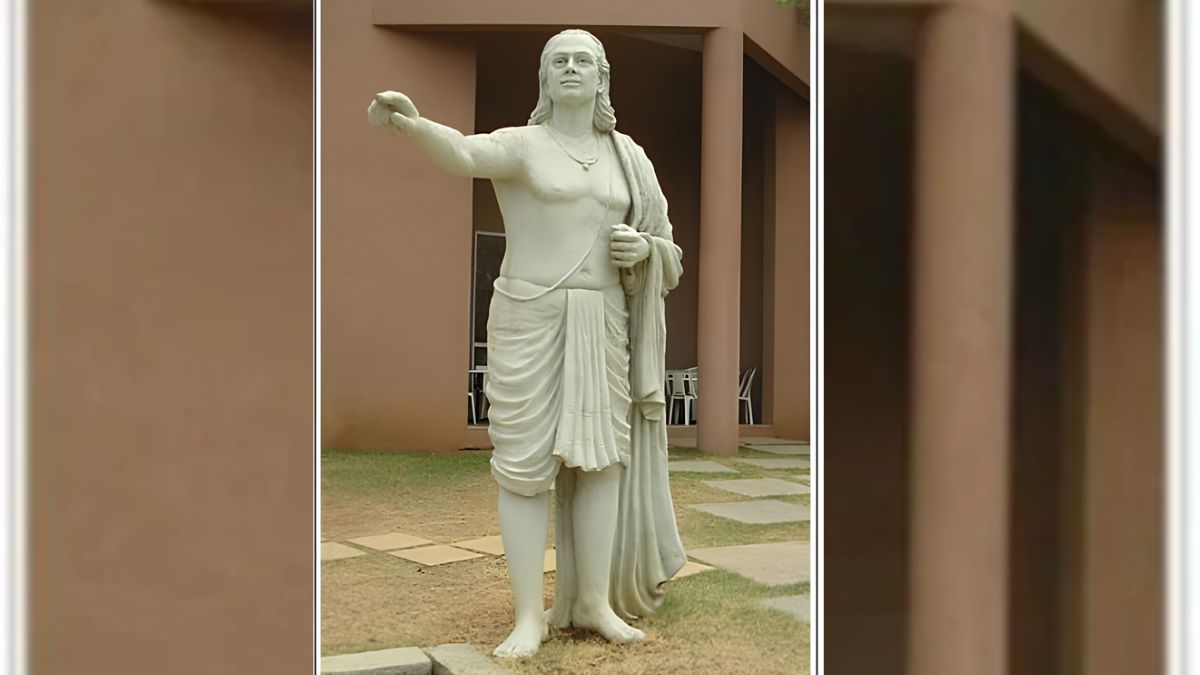
The Vedanga Jyotisha is linked with the earliest Vedic calendrical knowledge. Later astronomers, including Aryabhata, Varahamihira, and Bhaskara II, carried the calculation of celestial motion much further. The Surya Siddhanta, a major astronomical text, shaped classical Hindu calendar methods more than most. It pushed practice toward closer estimates of where the Sun and Moon actually stand.
Bowls That Sank and Shadows That Moved
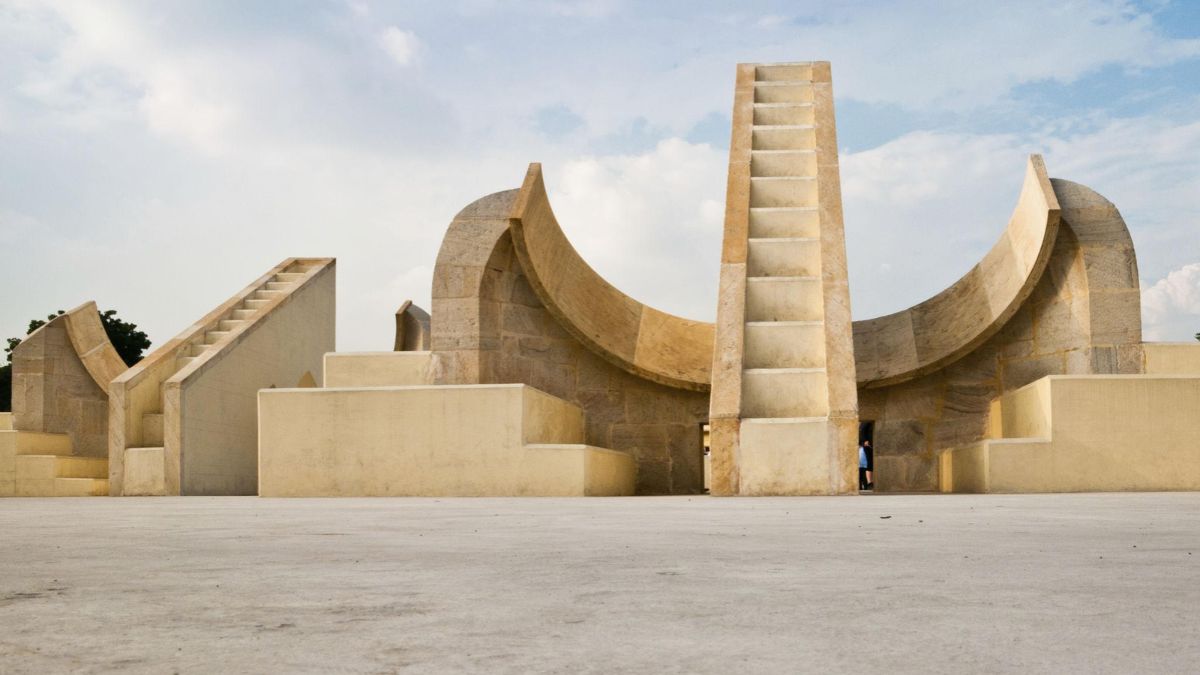
Shorter spans of time were measured with shadow clocks and water clocks. A vertical stick cast a shadow that showed the hour of the day. A water clock measured duration by the steady flow of water.
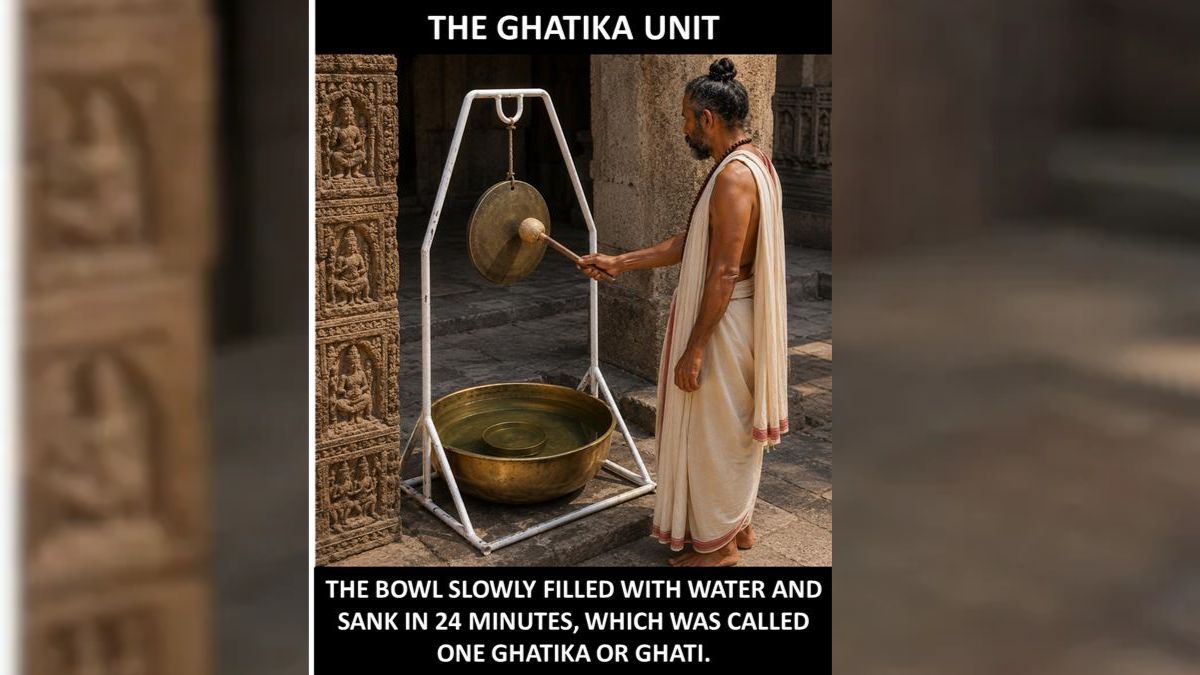
One well-known device was the Ghatika-yantra, a water clock built around a floating bowl with a small hole. The bowl slowly filled and then sank; when properly calibrated, this took 24 minutes. That span was called a ghati or ghatika. A full day and night held 60 ghatis, so each one equaled 24 modern minutes. The system stayed in use until the late nineteenth century, and the Hindi word ghadi, meaning clock or watch, still carries its memory.
Water clocks served Buddhist monasteries, royal courts, town squares and religious institutions. When the bowl sank, a drum, conch or gong usually announced it. Everyone within earshot learned the time together.
Many Calendars, One Country
India never ran on a single calendar. Before independence, about thirty different ones were in use, each shaped by local astronomy, religious custom and political history.
Two eras carried particular weight. Vikram Samvat is traditionally dated from 57 BCE, and the Shaka era begins in 78 CE. Both still appear in religious, cultural, and official settings. The Islamic Hijri calendar serves Muslim communities for their observances, and the Gregorian calendar became the standard for modern civil administration.
The Committee That Tried to Tidy It All
After independence, the government faced a practical problem. It wanted to keep the old calendars alive and also give the state one system for administration. In 1952, it set up a Calendar Reform Committee under the scientist Meghnad Saha.
The committee recommended a national solar calendar based on the Shaka era. It came into official use on 22 March 1957, which corresponded to Chaitra 1, 1879 Shaka. A normal year has 365 days and begins with Chaitra. The Indian National Calendar appears beside the Gregorian one in the Gazette of India, in government communications, on official calendars and in All India Radio broadcasts.
The reform did not wipe out the older systems. It gave the country a common civic reference and left regional, religious, and cultural calendars free to continue.
How the Nation Came to Share One Clock
Traditional India measured time locally, by sunrise, shadow and water clock. Railways, telegraphs and colonial administration made a standard clock time necessary. In 1905, the British government chose the meridian at 82°30′ E, near Mirzapur in present-day Uttar Pradesh, as the basis for one standard time. It took effect on 1 January 1906 and gave an offset of UTC+5:30.
India formally adopted Indian Standard Time in 1947. Kolkata and Mumbai kept their own local times a while longer, until 1948 and 1955 respectively, before they joined IST.
Time Read Four Ways
A person in India today may use the Gregorian calendar for work, the Hindu Panchangam for a festival, the Islamic calendar for a religious observance, and Indian Standard Time for a train journey. None of this confuses the ordinary course of life. It reflects a country that has long read time from the heavens and has never felt the need to settle on one way of doing it.
Also Read: Why Do Indians Still Eat With Their Hands? The Answer Begins Before the First Bite
You can connect with DNN24 on Facebook, Twitter, and Instagram and subscribe to our YouTube channel.