

One airstrip decided the fate of Kashmir, and the soldiers who landed on it that morning had very little time and no certainty about what waited for them.
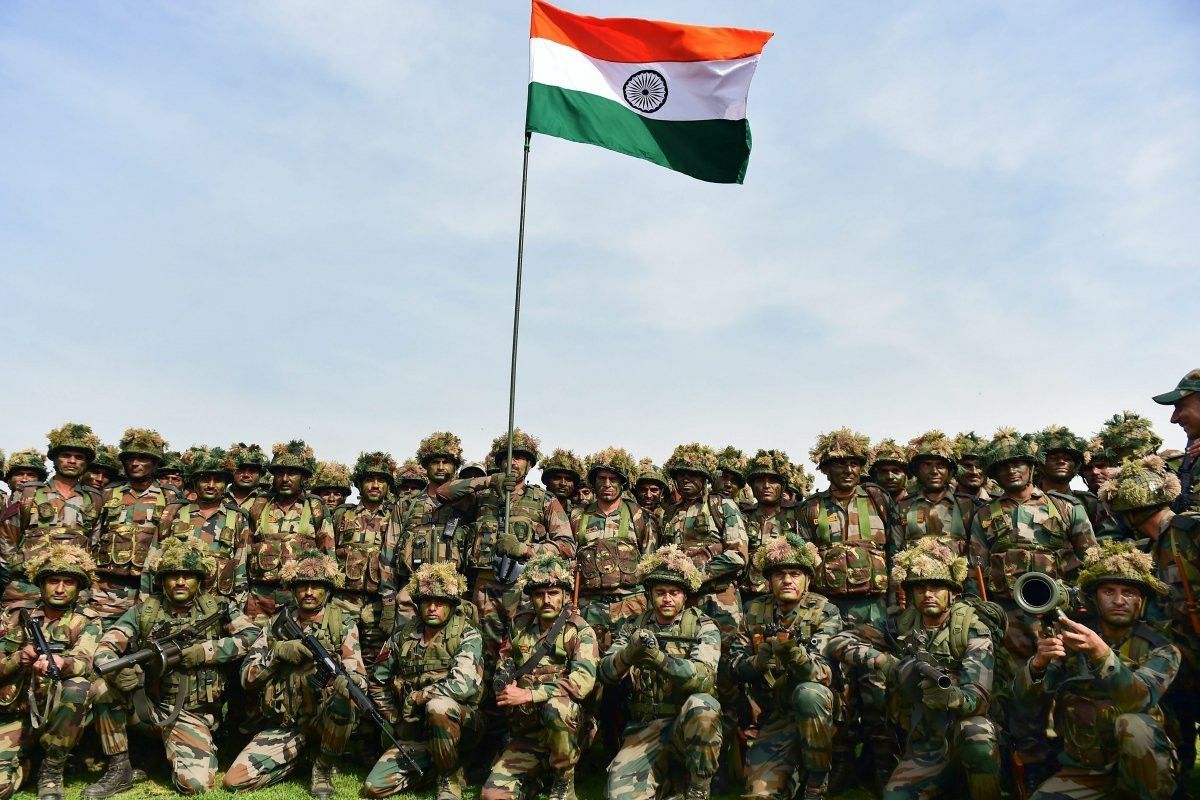
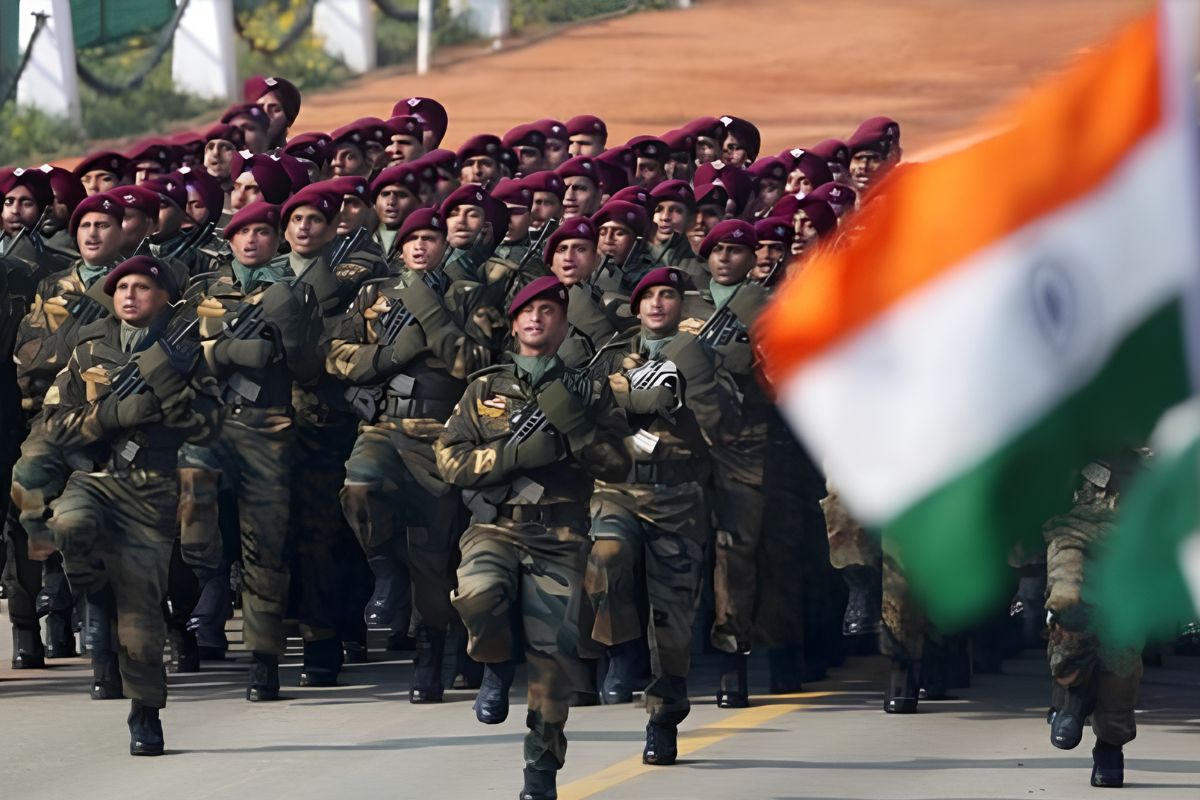
Every year on 27 October, India observes Infantry Day. The date honours the Infantry, the largest fighting arm of the Indian Army, and recalls the morning in 1947 when Indian soldiers were flown to Srinagar to stop an invasion of Jammu and Kashmir. It marks independent India’s first military response to an attack from outside. That response came from soldiers who travelled on foot, carried their weapons on their backs, and held ground when no one else could.
A Country Only Weeks Old
India became independent on 15 August 1947 and at once faced a heavy load. Partition unsettled the land, communal violence spread, and the princely states had yet to be brought into the new nation. Then, on 22 October, thousands of tribal fighters and regular soldiers, supported by Pakistan, crossed into Jammu and Kashmir to take it by force.
State forces resisted, but the raiders moved quickly toward Srinagar. If the airfield there fell, India would lose its main route for sending troops and supplies into the Valley. Defending that strip of ground meant defending Kashmir.
Dakotas From Gurgaon
On 27 October, the 1st Battalion of the Sikh Regiment, known as 1 Sikh, was flown from Gurgaon to Srinagar in Dakota transport aircraft. They were the first Indian Army troops to land at the Srinagar airfield. Their arrival was the first action by Indian soldiers against outside aggression since Independence.
Why did it matter so much? By holding the airfield, 1 Sikh kept open the one facility India needed to reinforce the Valley quickly. Had it been lost, the invaders would have gained time to strengthen their position and perhaps take Srinagar itself.
The battalion did not stay at the airfield. Under its commanding officer, Lieutenant Colonel Dewan Ranjit Rai, the men moved towards Baramulla to slow the advance on Srinagar. That delay bought hours the country badly needed, and in those hours more Indian troops were flown in. A desperate emergency began to turn into an organised defence.
The Commander at the Front
Rai shared the danger his men faced. In the fighting near Baramulla, he was killed. He was the first senior officer of independent India to die in battle. After his death, he received the Maha Vir Chakra, the country’s second-highest gallantry award. He was the first person ever to receive it.
His example still sits at the centre of Infantry Day. In the Infantry, a leader is judged by his willingness to stand where the risk is greatest. Rai and his soldiers acted before the nation had organised its defences, when every hour counted and every mile of ground could change Kashmir’s fate.
Why They Call It the Queen of Battle
Tanks, artillery, aircraft, drones and communication systems all shape modern war. Yet Infantry ultimately holds territory: the soldiers who occupy ground, patrol borders, endure harsh weather, and face danger at close range. This is why the Infantry is often called the Queen of Battle.
Indian foot soldiers serve in some of the hardest places on earth: the frozen heights of Siachen, the high Himalayan frontier, deserts, river valleys and dense forest. The work demands strong bodies, discipline, tactical skill, and a steady mind. Infantry Day honours courage shown in battle and also the daily hardship of guarding the borders, which few people see.
Service Away From War
Soldiers have repeatedly been sent to help in disasters. They have cleared roads after landslides, moved people out of floodwater, restored communication lines and given medical help in crisis areas. These tasks draw less attention than combat, yet they rest on the same habit: putting citizens’ safety ahead of one’s own. Indian soldiers have also served in United Nations peacekeeping missions on several continents, earning India respect abroad.
The Infantry of Today
The modern Infantry is no longer defined by rifles, boots and endurance alone. It is becoming a connected force that joins soldiers on the ground with drones, encrypted communications, precision weapons, surveillance systems and protected vehicles. The Army’s modernisation work aims to improve firepower, mobility, communication, survivability and training.
Drones bring the largest change. The Army is raising Ashni drone platoons in infantry battalions in phases, reorganising existing reconnaissance and surveillance resources to take in this new technology. These platoons are meant to fly surveillance drones and short- and medium-range loitering munitions. Frontline commanders get faster information and can respond to threats without waiting for higher formations. Exercises such as Vayu Samanvay II in forward areas of the Desert Sector have helped build doctrine for drones and for defence against them.
New equipment is arriving as well. It includes modern carbines for close-quarters battle, 7.62 mm assault rifles, fourth- and fifth-generation anti-tank systems, night sights, ballistic helmets, bulletproof jackets and software-defined radios. India is making the AK 203, called Sher, to replace the ageing INSAS family of rifles.
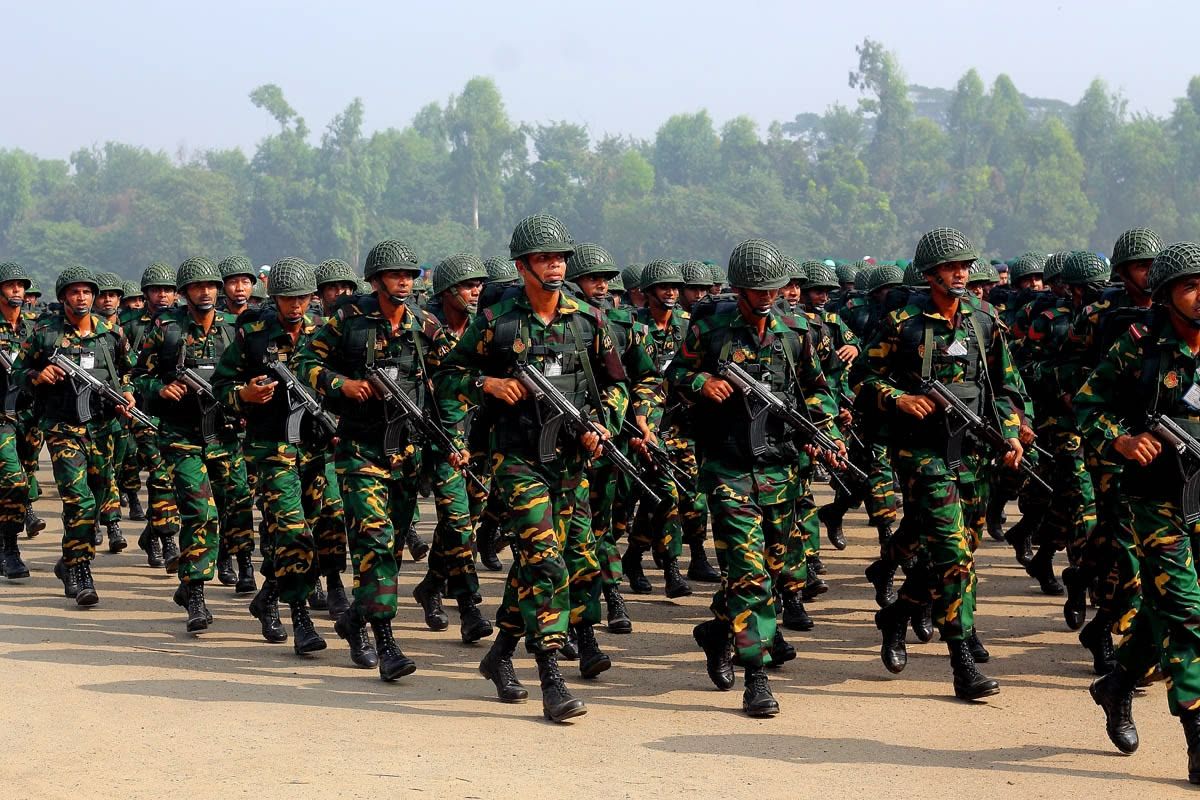
Mechanised Infantry joins foot soldiers with armoured vehicles. Its units are being equipped with Futuristic Infantry Combat Vehicles, Nag missiles, mini remotely piloted aircraft and integrated surveillance and target systems. The Army has also ordered 15 light commando battalions called Bhairav, built for fast and intense operations in hybrid warfare.
The Soldier Still Decides
Technology raises the value of the individual soldier. A drone may find a target, but an infantryman reads the ground, decides under pressure, protects civilians and holds territory. Radios connect units, yet trust, discipline and courage carry every operation. The men of 1 Sikh landed in 1947 with rifles, speed and nerve. Their successors carry the same qualities, along with tools that extend their reach and protection.
A Plain Debt
The events of 27 October 1947 show that people keep freedom by acting when action is dangerous. The men of 1 Sikh arrived with little time, uncertain conditions and heavy odds against them. They secured the airfield, slowed the invasion and helped save the Valley.
Infantry Day asks every Indian to look past ceremony and see a plain debt. Wreaths are laid and regimental histories recalled for those who fell in Kashmir in 1947 and in every conflict since, and for the families who live with long separations and quiet worry. Behind every secure border stands a soldier on watch. A nation’s safety rests finally on those who stand firm when others cannot.
Also Read: Why are Mango Leaves hung Above our Doors considered auspicious?
You can connect with DNN24 on Facebook, Twitter, and Instagram and subscribe to our YouTube channel.