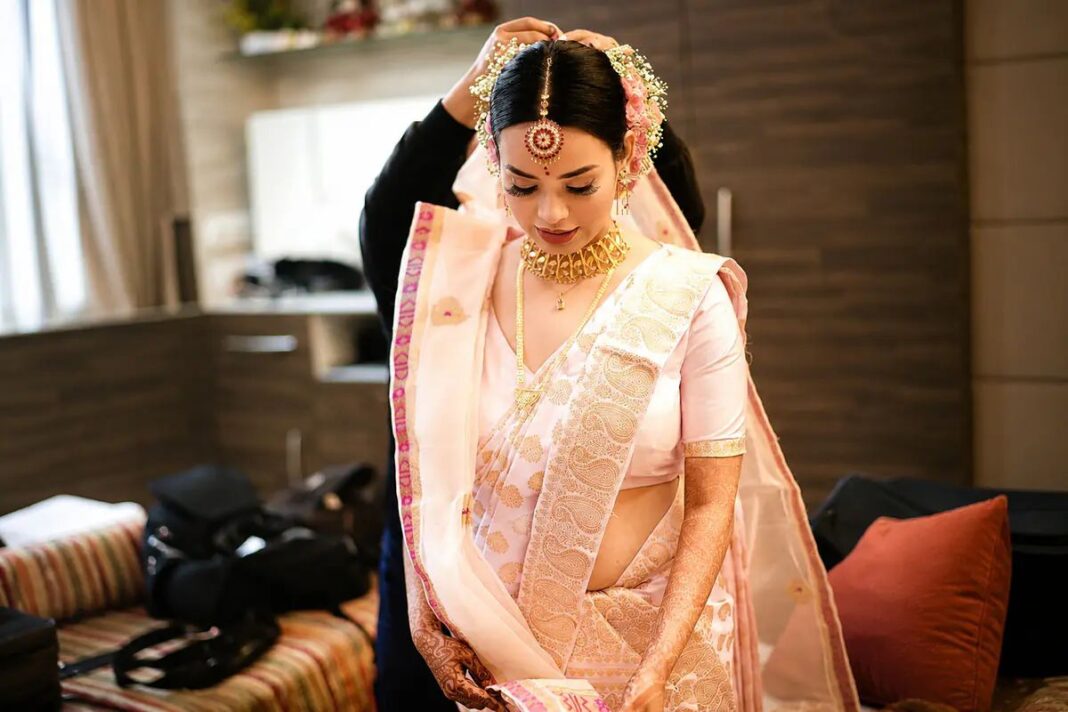

When we think of Indian silk, Banarasi sarees or other traditional silks often come to mind. But Assam is home to a remarkable variety known as Muga silk, celebrated for its natural golden-yellow luster. Produced primarily in Assam, this distinctive textile is deeply connected to the region’s cultural identity.
Muga silk is valued not only for its appearance but also for its durability. Unlike many delicate silk fabrics, it softens and develops greater lustre with use and careful washing. Garments can be preserved for years and are often passed from one generation to another.
A Heritage Centuries Old
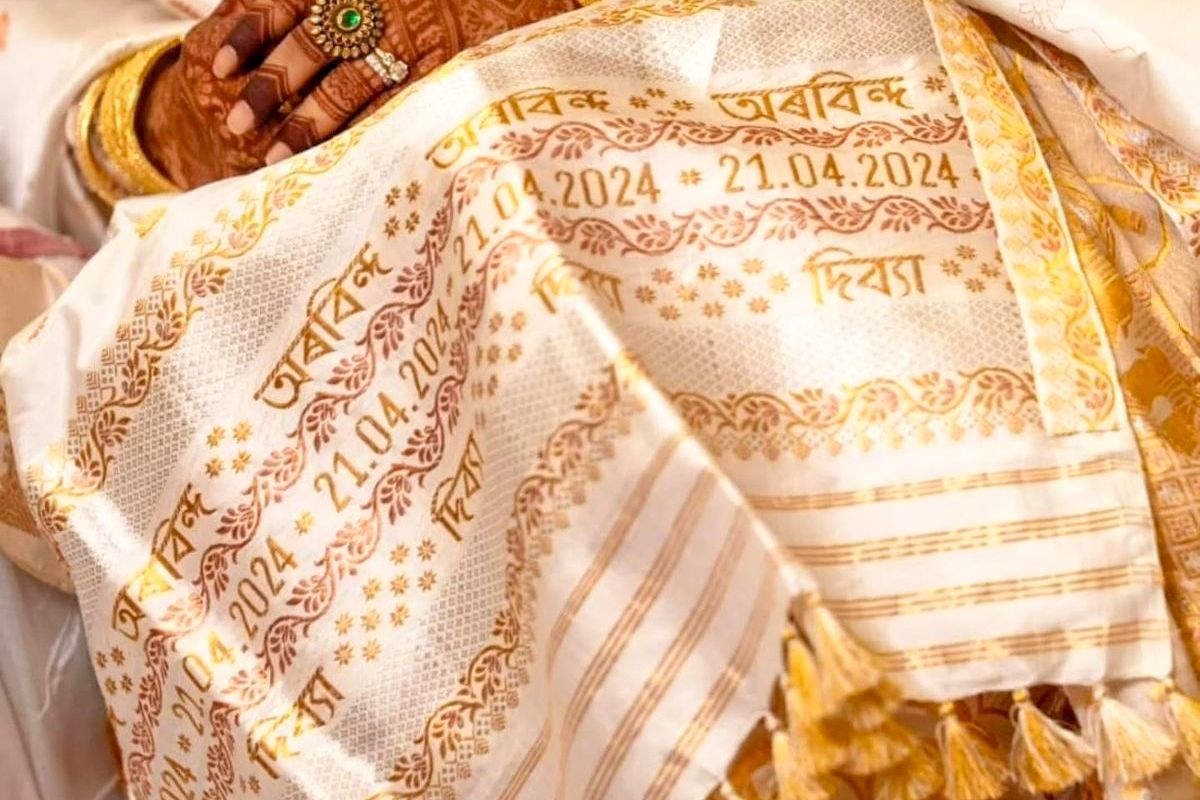
Muga silk has been part of Assam’s textile traditions for centuries. It received significant patronage during the Ahom dynasty, which ruled much of Assam from 1228 to 1826. Fine Muga garments were closely associated with royalty, nobility and ceremonial occasions.
The word “Muga” is linked to its characteristic amber or yellowish-golden colour. Historically, the fabric’s rarity and beauty made it a valuable possession and an important ceremonial gift.
Over generations, weaving knowledge travelled through families and communities, eventually making Muga an enduring symbol of Assamese craftsmanship.
How Muga Silk Is Produced
Muga silk comes from the silkworm Antheraea assamensis, which is closely associated with the climatic conditions of northeastern India. The silkworms are traditionally reared on host plants such as Som and Soalu, whose leaves provide their primary food.
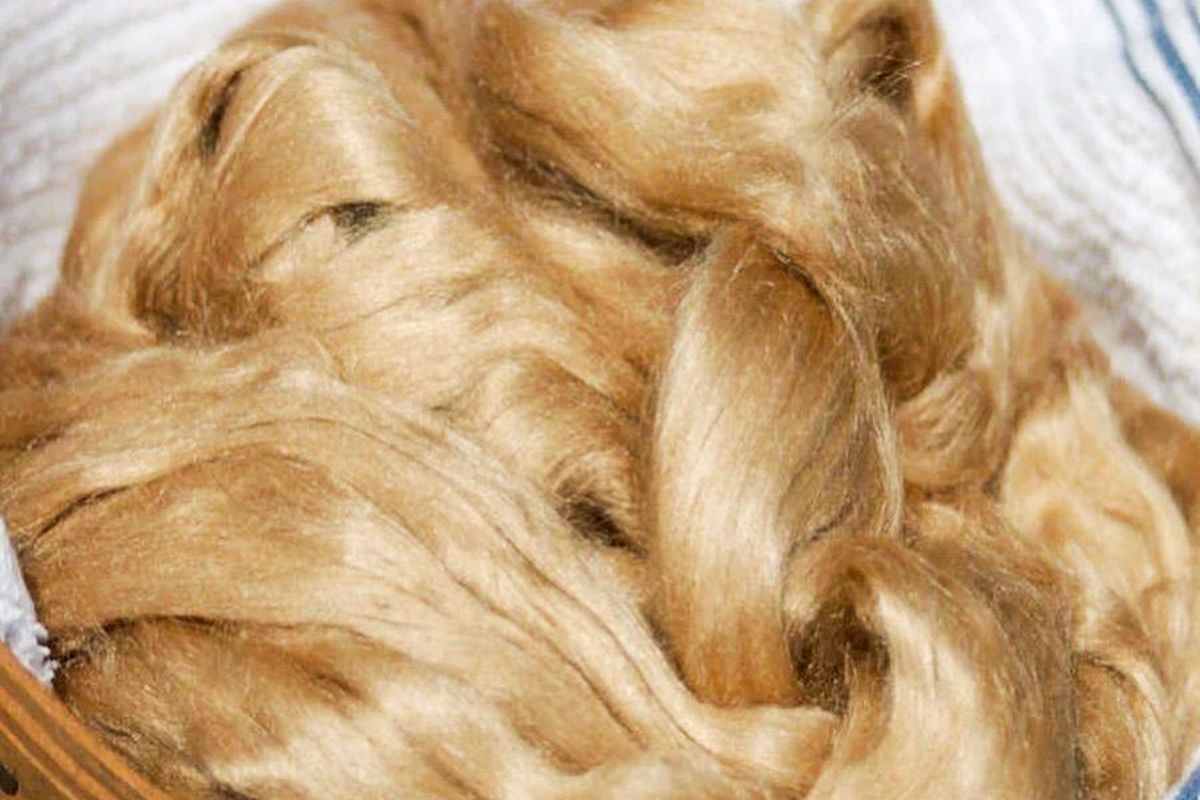
Sericulture requires careful attention throughout the silkworm’s life cycle. Farmers protect the worms and maintain their host plants until the worms form cocoons. Farmers then process these cocoons so their fine silk filaments can be reeled into thread.
The resulting fibre has Muga’s signature golden appearance without artificial colouring, as it naturally retains its base shade.
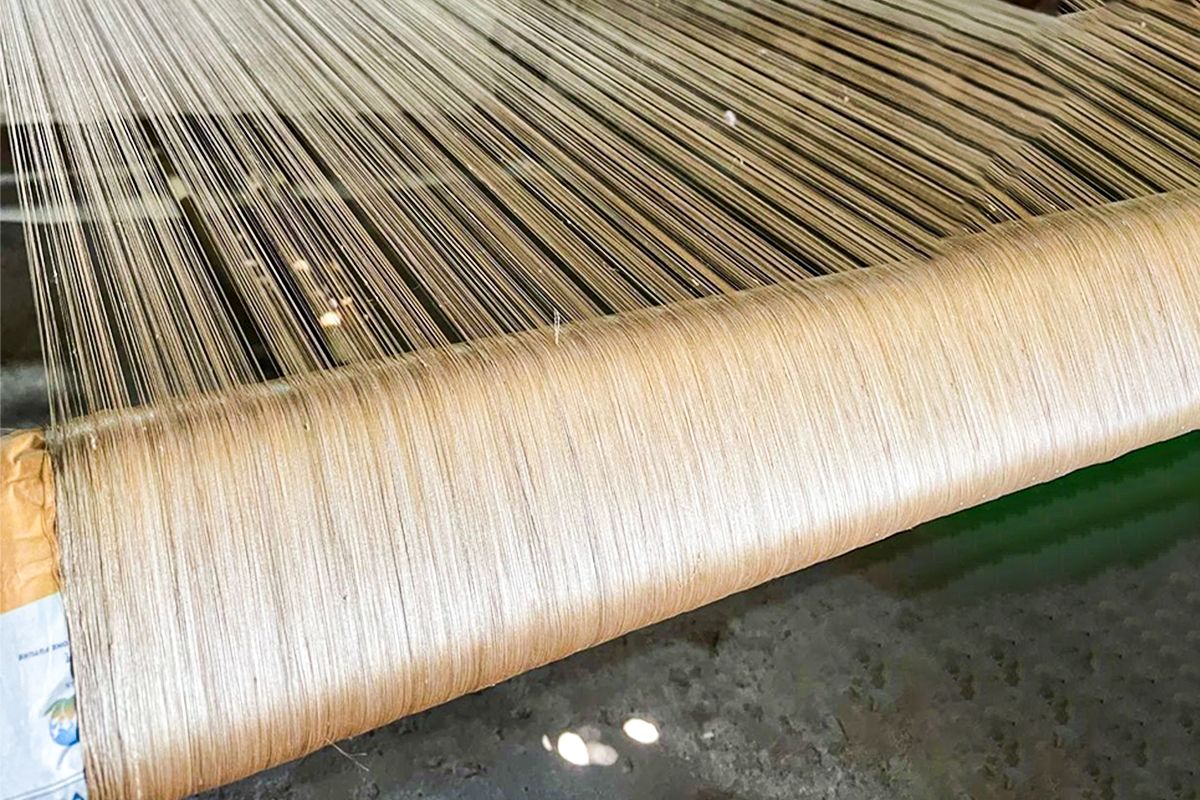
Once prepared, the threads reach skilled weavers, who transform them into intricately woven garments and textiles using techniques passed down through generations.
Woven Into Assamese Culture
In Assam, Muga is much more than a luxury fabric. It is associated with celebration, identity and tradition.
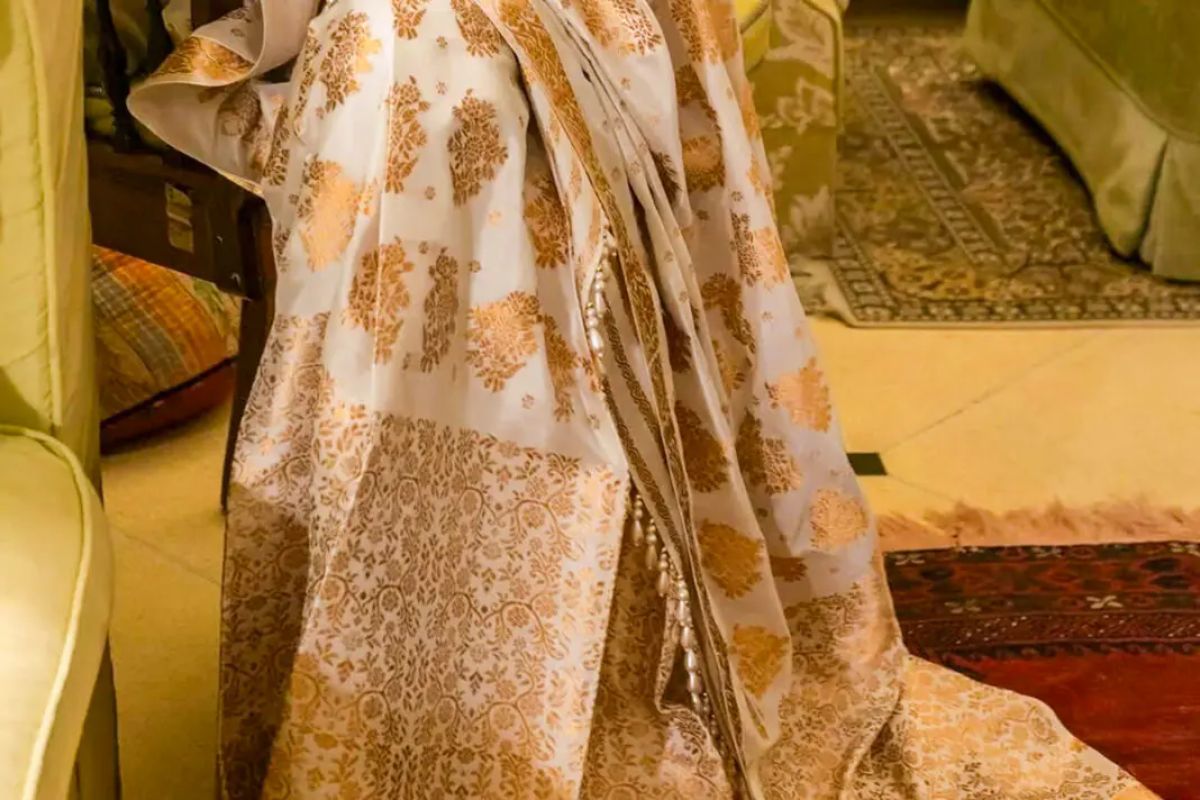
One of its most recognisable forms is the Mekhela Chador, the traditional attire worn by Assamese women. Muga versions are particularly treasured for weddings, festivals and important cultural occasions.
The fabric also appears in other traditional clothing and ceremonial textiles. Its golden sheen makes it especially popular during weddings, where Muga garments can become treasured family possessions.
For Assamese brides, such textiles carry emotional as well as cultural significance. A garment may represent family tradition, craftsmanship and memories that continue long after the wedding ceremony.
Supporting Rural Livelihoods
Behind every piece of Muga silk is a long chain of human labour.
Silkworm rearers, farmers, reelers, spinners, dyers, designers and weavers all contribute to its production. In rural Assam, traditional silk activities provide livelihoods to many households, with women playing an especially important role in weaving.
The craft therefore has significance beyond heritage. Supporting authentic Muga products can also help sustain local skills and rural employment.
Muga is a natural and biodegradable fibre, giving it another advantage at a time when concerns about synthetic textiles and their environmental impact are increasing.
A Golden Tradition Facing Challenges
Despite its cultural importance, Muga silk faces serious pressures.
Changing weather patterns can affect silkworms, which are sensitive to temperature, rainfall, and humidity. Loss of suitable vegetation and changes in land use can also reduce the availability of host plants required for traditional sericulture.
Meanwhile, artisans must compete with cheaper machine-made and synthetic fabrics.
Another challenge is imitation. Products marketed as Muga may sometimes contain other fibres, making it difficult for consumers unfamiliar with the textile to distinguish authentic material from substitutes.
The younger generation’s movement towards different occupations also raises concerns about whether traditional knowledge will continue to be passed down.
Protecting Assam’s Golden Silk
Efforts have been made to preserve and promote Muga silk through government programmes, research, artisan training and improved sericulture practices.
Its Geographical Indication (GI) recognition has also strengthened the association between authentic Muga silk and its geographical origin. Such protection can help preserve the identity of the traditional product while giving genuine producers greater visibility.
At the same time, contemporary designers are experimenting with Muga beyond traditional clothing. Modern garments and accessories are helping introduce the textile to younger consumers and wider markets.
More Than Just Silk
Muga silk tells a story that stretches from Assam’s silkworm-rearing communities to the hands of skilled weavers and finally to the people who wear their creations.
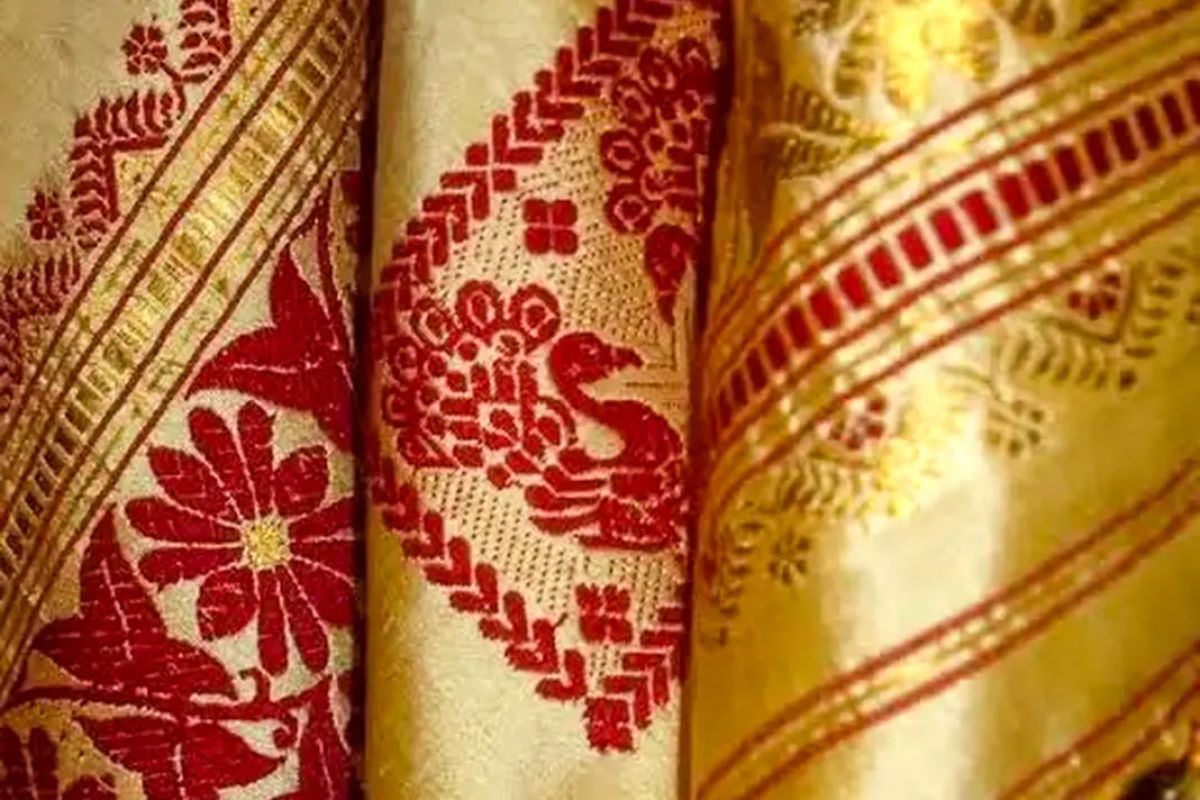
Its unmistakable golden glow represents centuries of accumulated knowledge, patience and craftsmanship.
Preserving Muga therefore means protecting more than a beautiful fabric. It means sustaining traditional livelihoods, safeguarding specialised skills and keeping alive an important part of Assam’s cultural memory.
Every authentic piece carries within its threads the landscape, craftsmanship and traditions of the region that created it. That is why Muga remains not simply Assam’s golden silk, but one of its most treasured living heritages.
Also Read: From Guns to Glamour: Surrendered Naxal Women Walk Fashion Ramp
You can connect with DNN24 on Facebook, Twitter, and Instagram and subscribe to our YouTube channel.