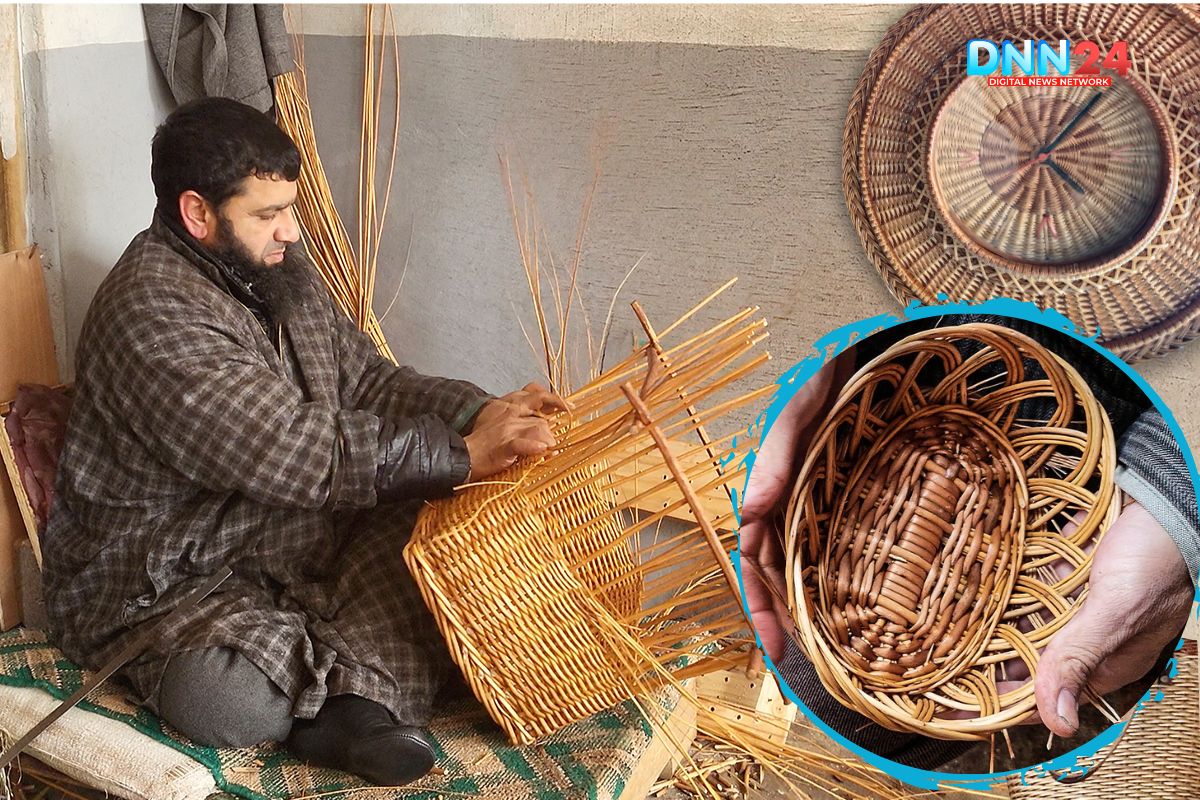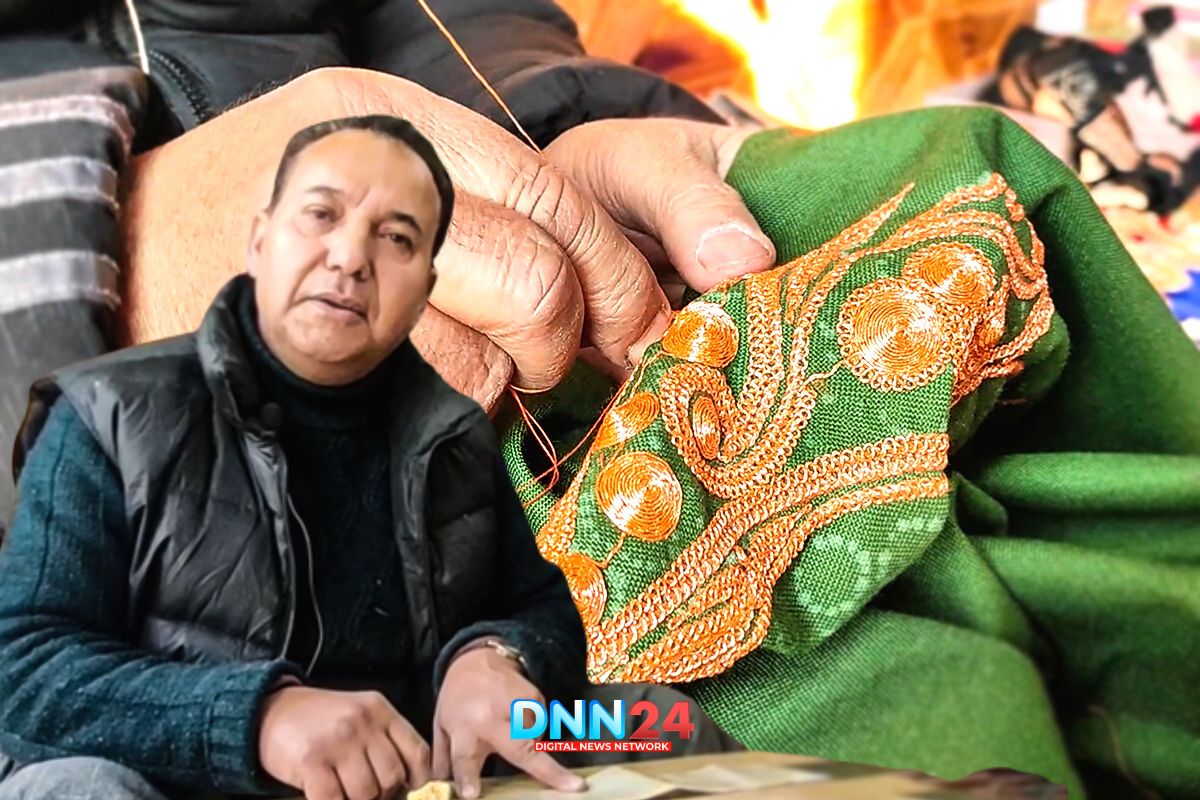


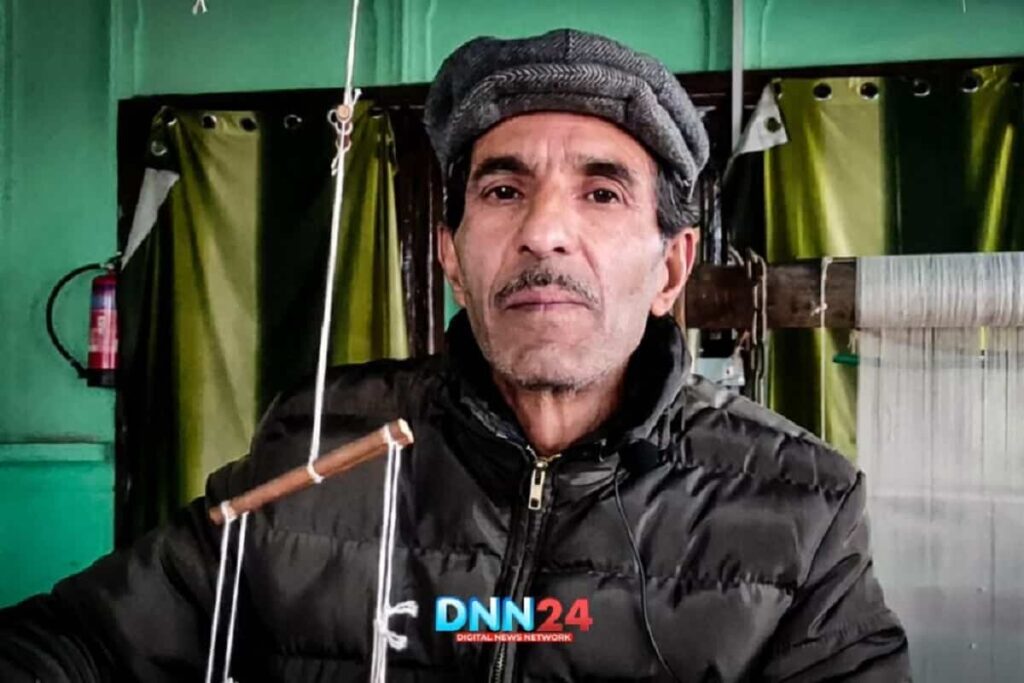
Bashir Ahmed Khan is a skilled craftsman dedicated to weaving Pashmina shawl. He is based in Baitul Meeras, a small village in the state of Jammu and Kashmir. Bashir is part of a large network of artisans who work together to produce some of the finest and most sought-after Pashmina shawls in the world.
Process Of Weaving A Pashmina Shawl
Pashmina shawl, made from the finest and softest wool of the Changthangi goat, have been treasured for centuries for their warmth, elegance, and durability. The process of weaving a Pashmina shawl is complex and labour-intensive, requiring a high level of skill and patience. Bashir has mastered this art over the years, and his shawls are known for their intricate patterns, rich colours, and flawless craftsmanship.
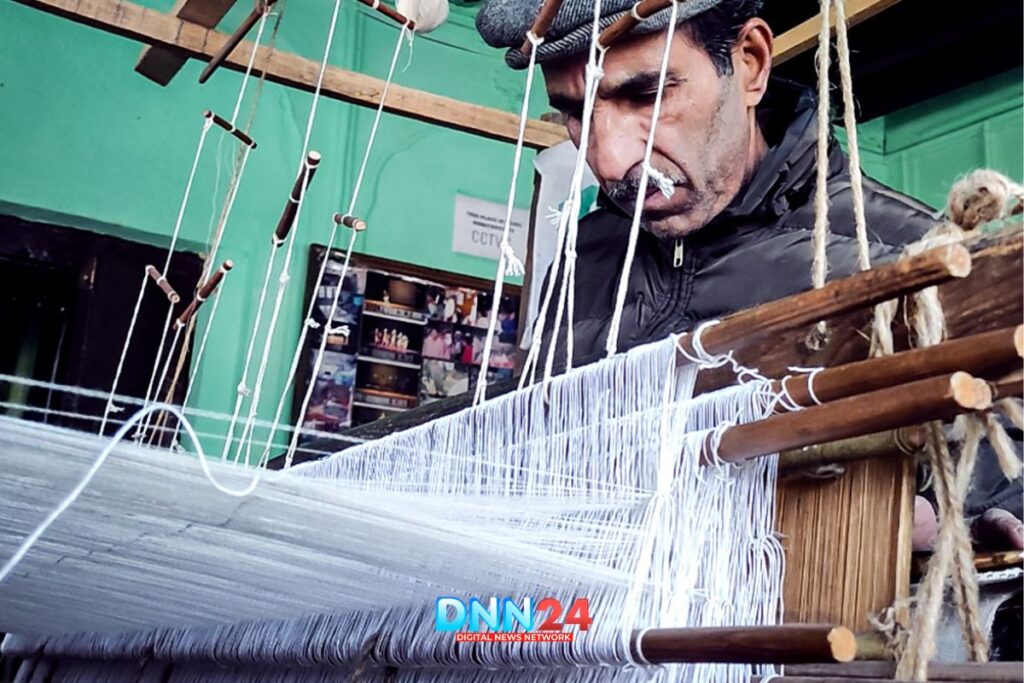
Selecting The Finest Wool
Bashir works out of a small workshop in Baitul Meeras, surrounded by the stunning natural beauty of the Himalayan mountains. He begins each day by tending to his flock of Changthangi goats, carefully selecting the finest wool for his shawls. He then washes and combs the wool by hand, using traditional techniques passed down through generations.
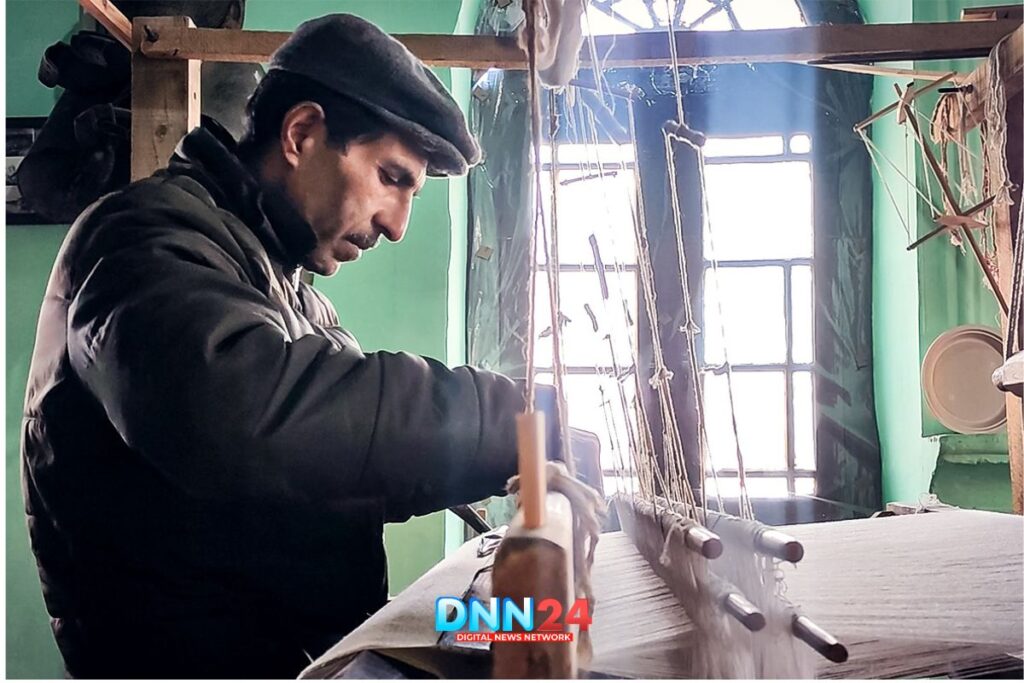
Process Can Take Weeks Or Even Months
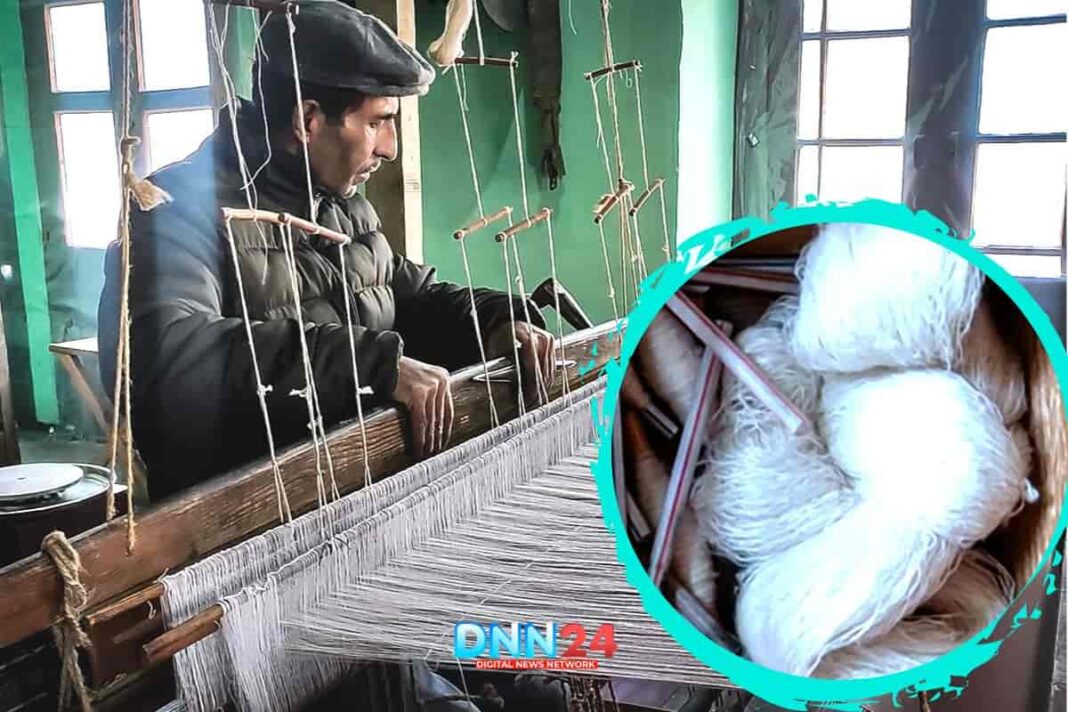
Once the wool is ready, Bashir works on his loom, carefully weaving the yarn into intricate patterns and designs. He works with a team of other craftsmen with specialized skills to produce the finished shawls. The process can take weeks or even months, depending on the complexity of the design.
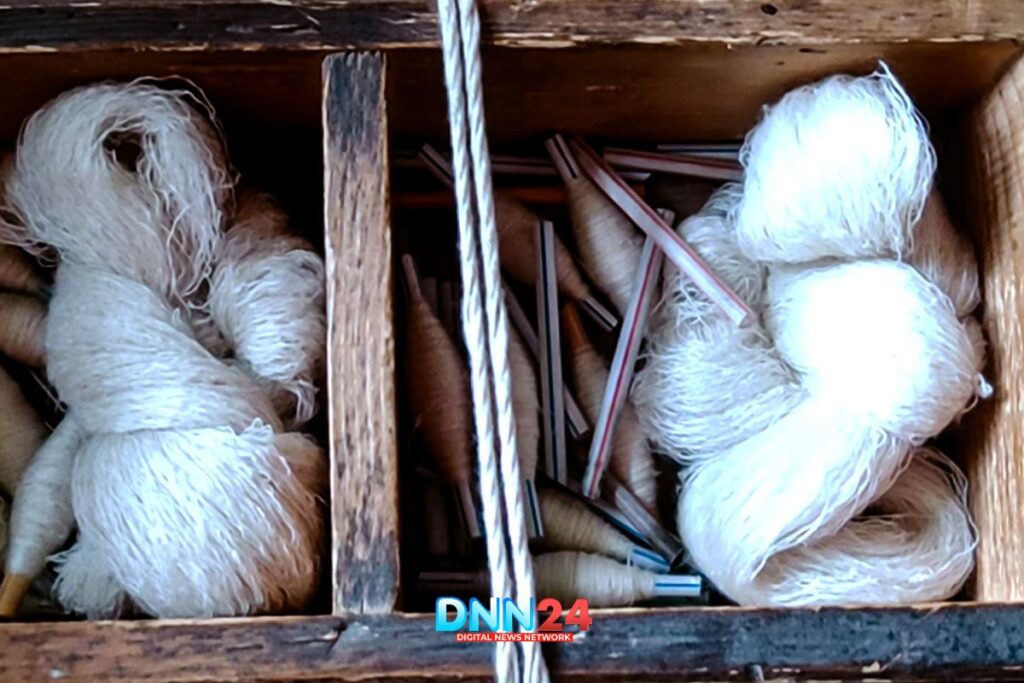
Honored For His Pashmina Art
The result is a work of art – a Pashmina shawl that is truly one of a kind. Bashir’s shawls are prized by collectors and fashionistas worldwide and have even been worn by celebrities and royalty. Despite the demands of his craft, Bashir remains humble and grounded, always striving to improve and perfect his skills.
Bashir Ahmed Khan is a testament to the enduring tradition of Pashmina weaving in Jammu and Kashmir. His shawls symbolize the hard work, skill, and dedication of the artisans who create them. They are a treasure to be cherished and passed down through the ages.
Also read: Afsana Firoz Is Changing The Definition Of Chocolate Making In Kashmir
You can connect with DNN24 on Facebook, Twitter, Instagram and subscribe to our YouTube channel.