Wednesday, April 1, 2026
32.1 C
Delhi

When Pakistan’s Credibility Ultimately Shattered As A Reliable State?

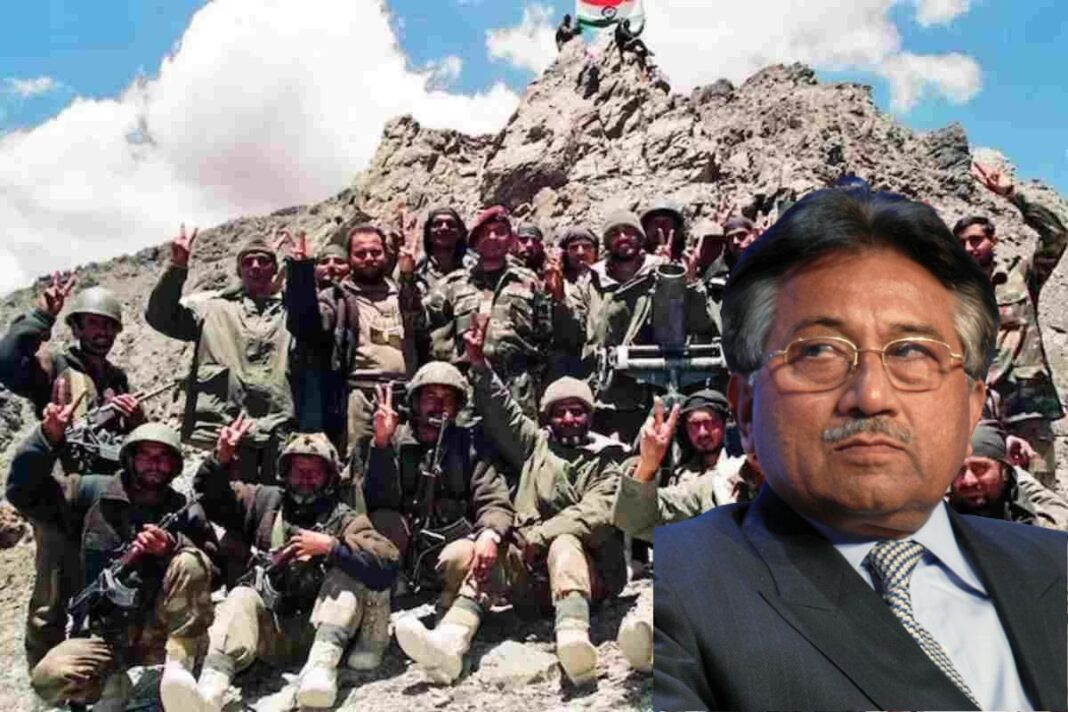
Twenty-four years ago, Pakistan’s credibility in the eyes of India and the world suffered a severe blow during the Kargil conflict. The war, triggered by the ambitious plans of Army Chief General Pervez Musharraf, proved disastrous for Pakistan’s trustworthiness as a state. The battle lasted two months and was instigated when the Pakistan Army sent troops, disguised as “Kashmiri Mujahideen,” to occupy the barren heights in Kargil, overlooking crucial links to the Siachen Glacier and Leh.

In a shocking display of deception, Pakistan initially denied the presence of its troops and claimed they were indigenous fighters fighting for Kashmiri rights. However, their lack of planning and failure to anticipate India’s response during winter further exposed their ill-conceived operation.

General Musharraf hatched the operation during the Kargil conflict while then Prime Minister Nawaz Sharif welcomed Indian Prime Minister Atal Bihari Vajpayee on his historic bus journey to Pakistan. This handshake between Vajpayee and Sharif had raised hopes of peace in the sub-continent, making the Kargil aggression all the more shocking. According to Sharif’s later admission, the Kargil conflict resulted in heavy casualties on the Pakistani side, with over 4,000 troops losing their lives. India, too, suffered significant losses, with 542 soldiers killed and around 1,363 injured.

For a detailed story, please visit: Awaz the voice

Also Read: Naik Qayoom: Pioneering Innovation in South Kashmir

You can connect with DNN24 on FacebookTwitter, and Instagram and subscribe to our YouTube channel.

LEAVE A REPLY

Please enter your comment!
Please enter your name here

Hot this week

From Punjab to Bastar: How Violent Ideologies Lose Their Homeland

Recent reporting says about 96 percent of Bastar is now free from Naxal influence, with only a small number of cadres left in remote pockets.

Mir Mehdi Majrooh: Ghalib’s ‘Son’ and the Last Vestige of Delhi’s Culture

Ghalib’s story is incomplete without this forgotten disciple. From Delhi’s mushairas to exile and blindness, Mir Mehdi Majrooh preserved the poet’s soul through letters and loss.

My Father: A Voice from a War Zone

History remembers wars through Generals and decisive battles. But...

IUST Rising under Prof. Shakil Ahmad Romshoo: Shaping Minds, Building Futures

The Islamic University of Science and Technology (IUST) has...

Topics

From Punjab to Bastar: How Violent Ideologies Lose Their Homeland

Recent reporting says about 96 percent of Bastar is now free from Naxal influence, with only a small number of cadres left in remote pockets.

Mir Mehdi Majrooh: Ghalib’s ‘Son’ and the Last Vestige of Delhi’s Culture

Ghalib’s story is incomplete without this forgotten disciple. From Delhi’s mushairas to exile and blindness, Mir Mehdi Majrooh preserved the poet’s soul through letters and loss.

My Father: A Voice from a War Zone

History remembers wars through Generals and decisive battles. But...

IUST Rising under Prof. Shakil Ahmad Romshoo: Shaping Minds, Building Futures

The Islamic University of Science and Technology (IUST) has...

Turning Limitless Potential Into Real Results

U.S. Ambassador Sergio Gor on shaping the U.S.-India relationship into the defining strategic partnership of the 21st century and delivering tangible benefits for both nations.

Bangladesh: Emerging from the Year of Lawlessness

Year 2025 was a turbulent one for Bangladesh politics marked by mob violence on the streets, atrocities against religious minorities and refugees and persecution of independent media, topped by Islamist resurgence. The new government, led by Tarique Rehman, has brought in stability but has its work cut out.

Related Articles