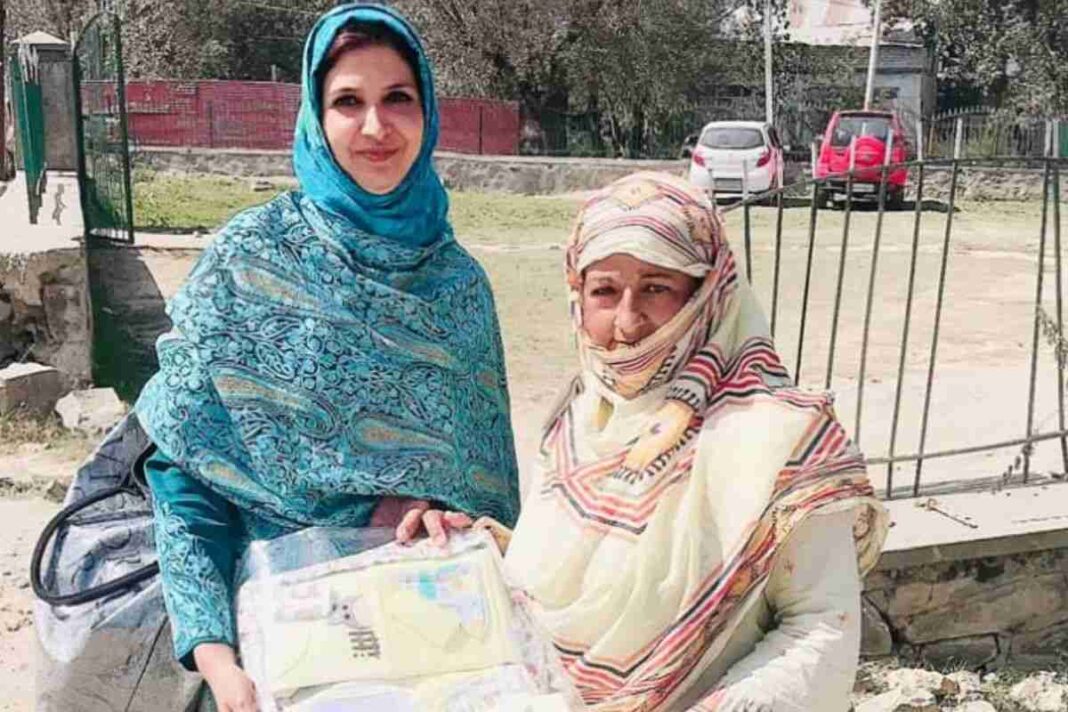


Over the years, due to a lack of awareness and knowledge about Menstruation, Puberty, and Basic Sex Education – myths, taboos, and stereotypes coupled with the trio have become deeply rooted in our society, perpetuating ill practices, discrimination, and much more. Menstruators have long endured shame, stigma, and discrimination simply for experiencing something as natural as menstruation or periods. In a society where information about puberty and sex education is scarce, misconceptions and myths have thrived.
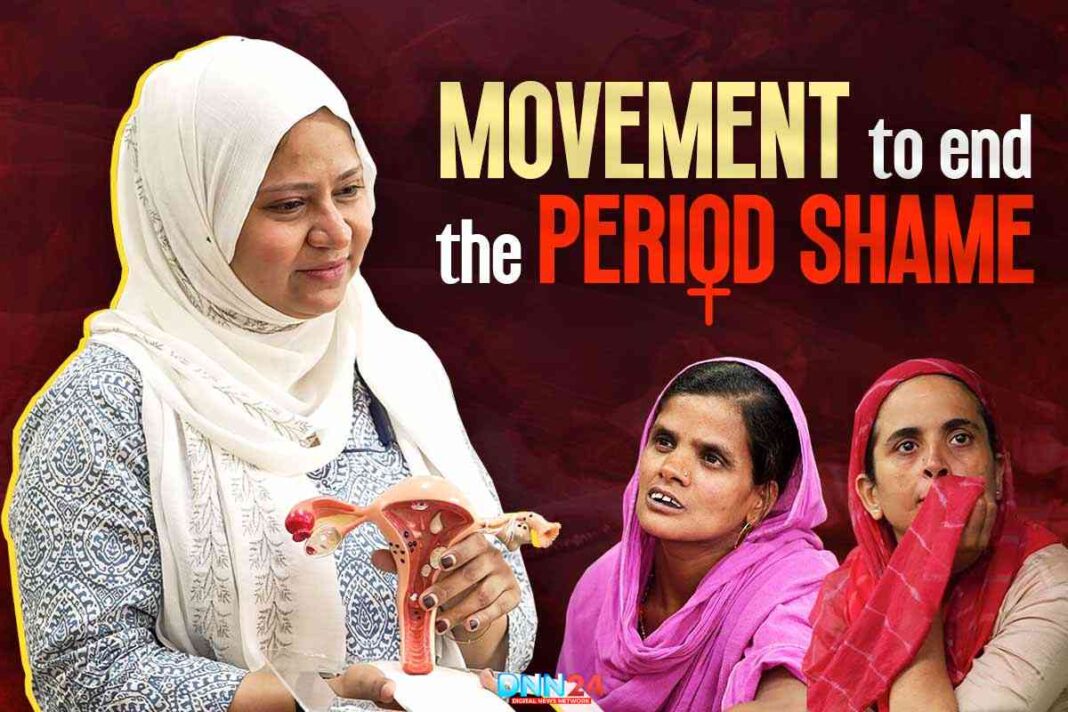
The perception that menstruation is ‘impure’ causes menstruators to feel ashamed and embarrassed about their bodies, linking women’s ‘purity’ to a community’s honor. Farheen Naaz’s initiative, We the Change, works towards normalizing periods and educating both men and women. As the founder of WeTheChange and a Menstrual Coach, I have dedicated my journey to sharing accurate knowledge and raising awareness about periods.
Breaking the Myths, Taboos, and Stereotypes
Myth 1: Menstruation is Dirty and Impure
Over the years, the misconception that menstruation is dirty and impure has gained traction due to a lack of awareness and knowledge about menstruation. This belief leads to the ostracization and humiliation of menstruators, causing them to feel ashamed and embarrassed about their bodies. The notion of women’s ‘purity’ being associated with a community’s honor further compounds the discrimination and stigma surrounding menstruation.
Myth 2: Menstruation is a Sign of Weakness
Another prevalent myth about menstruation is that it signifies weakness. This harmful belief perpetuates gender stereotypes and undermines the strength and resilience of menstruating individuals. Menstruation is a natural bodily process that should not be equated with weakness or incapability.
Taboo 1: Menstruation as a Forbidden Topic
Menstruation is often considered a taboo subject in many cultures and communities. Open discussion about periods is discouraged, and individuals are expected to hide their experiences. This silence perpetuates the stigma and prevents the dissemination of accurate information about menstruation.
Taboo 2: Menstrual Products and Accessibility
There is a prevailing taboo surrounding the use and accessibility of menstrual products. Many menstruators face challenges in accessing affordable and hygienic menstrual products. Lack of education and awareness also contributes to the inadequate management of menstruation, leading to potential health risks.
Stereotype 1: Menstruation and Emotional Instability
A common stereotype associated with menstruation is that menstruating individuals are emotionally unstable. This harmful stereotype perpetuates the notion that menstruators are irrational or incapable of making sound decisions during their menstrual cycle. It is essential to debunk this myth and recognize that menstruation does not impair emotional stability.
We the Change: Normalizing Periods and Educating Society
Farheen Naaz’s initiative, We the Change, aims to break the silence surrounding menstruation, challenge taboos, and debunk myths. The organization works tirelessly to normalize periods and educate men and women about menstruation, puberty, and sex education. We the Change utilizes the term “menstruator” as an inclusive umbrella term, reaching out not only to women but also to trans men and individuals who identify with non-binary genders.
Awareness Workshops: Empowering Through Knowledge
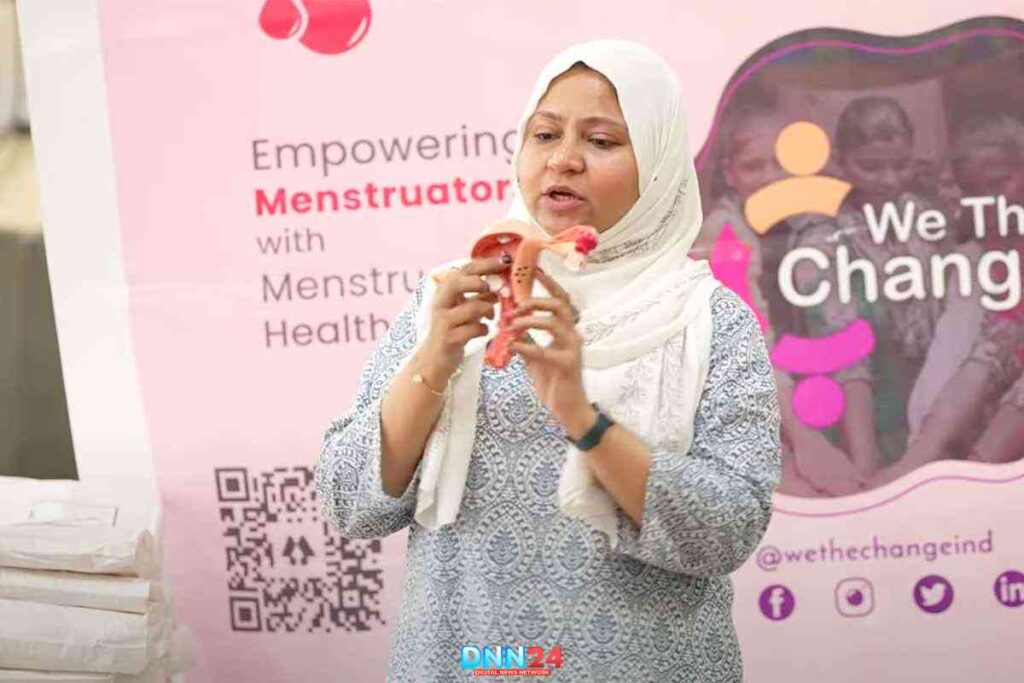
We, the Change, conduct awareness workshops to empower individuals with accurate information about menstruation. These workshops provide a safe space for open discussions and create an environment where questions can be asked without judgment. We the Change works towards destigmatizing menstruation by fostering dialogue and dispelling misconceptions.
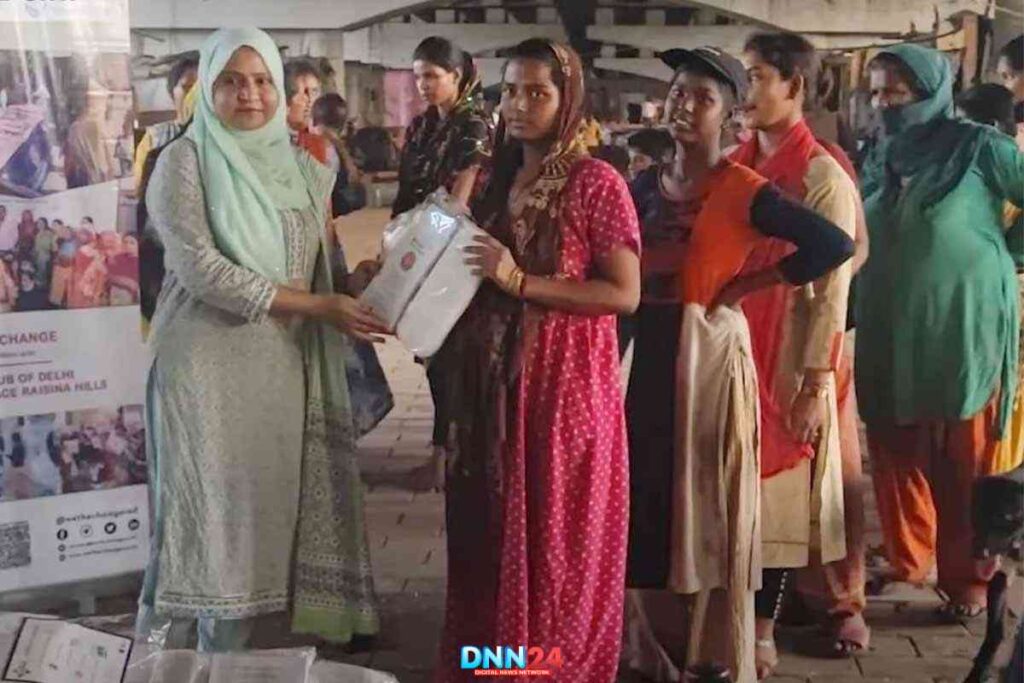
Inclusive Education: Reaching Beyond Gender Norms
We the Change believes in inclusive education that goes beyond gender norms. By acknowledging the diverse experiences of menstruators, including trans men and individuals with non-binary gender identities, the organization promotes inclusivity and ensures that everyone feels represented and supported. Through their initiatives, We the Change breaks down barriers and fosters a sense of belonging among all menstruators.
Menstrual Hygiene Management: Accessible and Sustainable Solutions
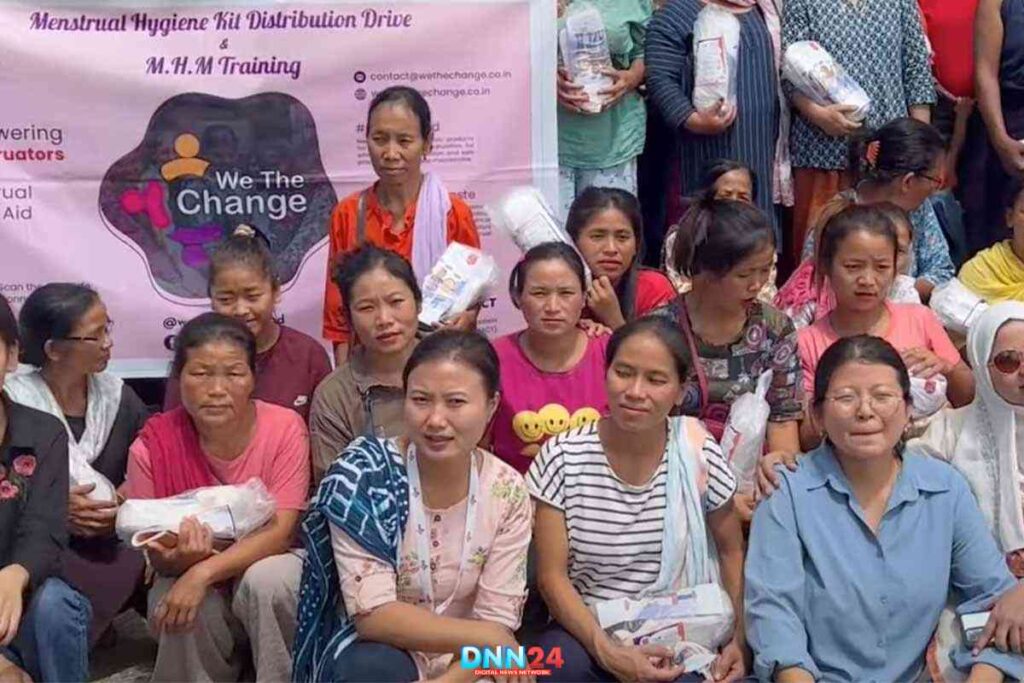
One of the critical areas of focus for We the Change is menstrual hygiene management. The organization recognizes the importance of accessible and sustainable solutions for menstruators. By advocating for affordable and eco-friendly menstrual products, promoting proper hygiene practices, and addressing the challenges menstruators face, We the Change strives to improve menstrual health and well-being.
Collaborations and Community Engagement
We, the Change, understand that breaking the silence and challenging taboos requires collective effort. The organization actively seeks collaborations with schools, community centers, and other stakeholders to reach a wider audience and create lasting Change. By engaging with the community, We the Change builds a support network and encourages everyone to participate in the movement to normalize menstruation.
Conclusion
Over the years, the lack of awareness and knowledge about menstruation, puberty, and primary sex education has allowed myths, taboos, and stereotypes to take root. However, organizations like We the Change work tirelessly to break the silence, challenge taboos, and normalize menstruation. We the Change create a world where we conduct awareness workshops, advocate for inclusive education, and promote accessible menstrual hygiene management to eliminate the shame faced by menstruators.
You can connect with DNN24 on Facebook, Twitter, Instagram and subscribe to our YouTube channel.