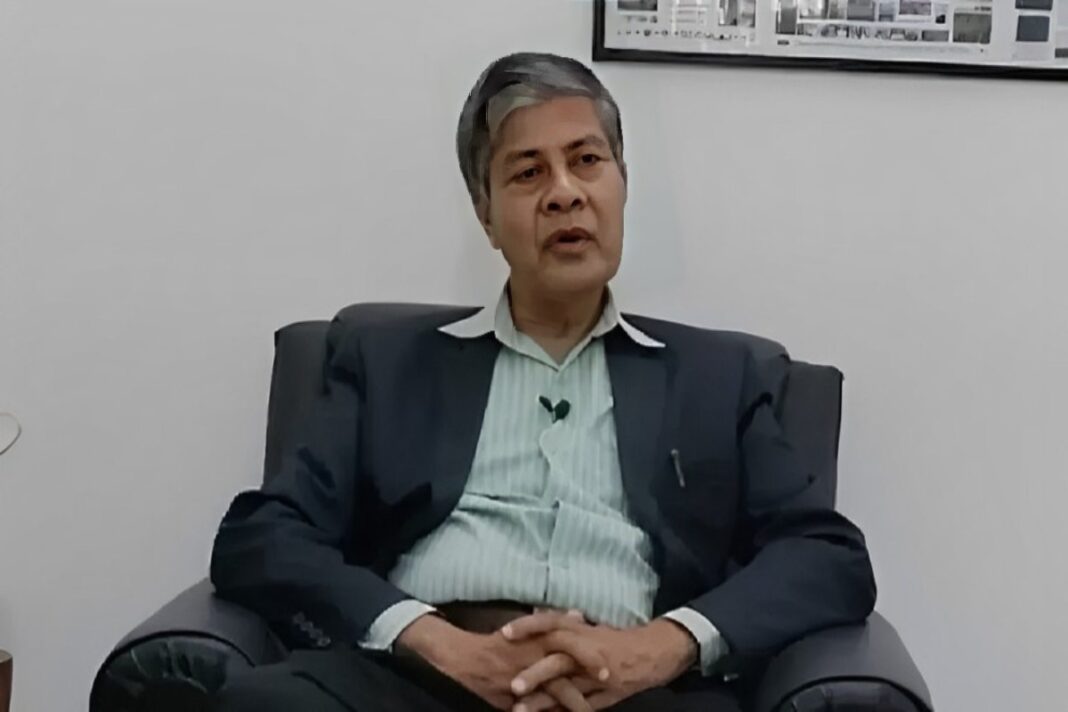

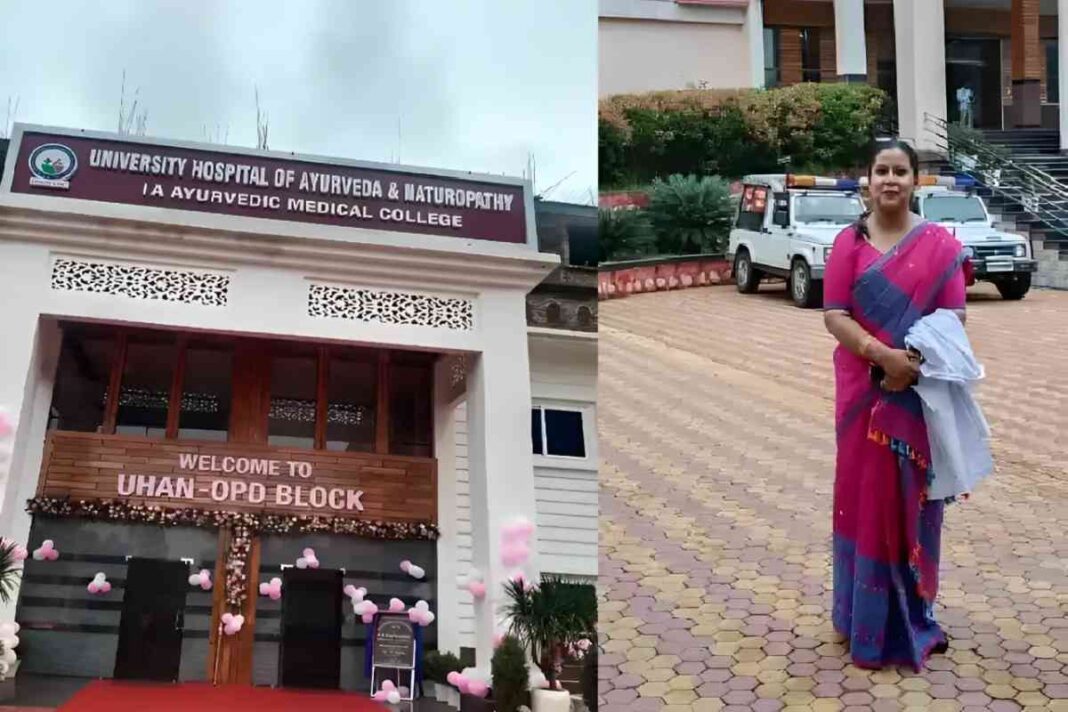

Dr Rezvi Sultana, an Assistant Professor of Sanskrit at the Ayurvedic College under the University of Science and Technology, Meghalaya (USTM), proves that language knows no religious boundaries. Her passion for Sanskrit began in class VIII, leading her to excel in the subject throughout her academic career. She completed her Ph.D. in Sanskrit from Guwahati University in 2017.
Dr. Sultana believes everyone should study Sanskrit due to its rich knowledge base. Her family and society never discouraged her from pursuing this ancient language, showing that cultural barriers can be overcome.
Reviving Interest in a ‘Dead’ Language
Some people wrongly consider Sanskrit a dead language. Dr. Sultana argues that this perception comes from a lack of understanding of its richness and beauty. She points out that Sanskrit has been used in Vedas and Upanishads since ancient times and is now compulsory in many Indian schools.
To spark interest among students, Dr. Sultana suggests teaching verses, and Panchatantra stories, and incorporating Sanskrit into daily activities. She compares Sanskrit to mathematics, where memorizing verses can lead to good marks, but encourages a deeper engagement with the language.
Bridging Religious Divides Through Language
Dr. Sultana’s work in Sanskrit demonstrates how language can unite people across religious lines. She studies the Quran and Vedas, finding no fundamental differences between Islamic and Hindu concepts of God. Her approach emphasizes respecting all religions equally.
She challenges the notion that Sanskrit belongs to any one religion, viewing it as a universal legacy of human evolution. By teaching and promoting Sanskrit, Dr. Sultana breaks down stereotypes and encourages interfaith understanding.
In conclusion, Dr. Rezvi Sultana’s work with Sanskrit showcases how language can transcend religious and cultural boundaries. Her efforts to revive interest in this ancient language and use it as a tool for interfaith harmony are an inspiring example of cultural integration in modern India.
For detailed story, please visit: Awaz the voice
Also Read: The Sacred Pause: Lord Jagannath’s Rath Yatra and the Mazar of Salabega
You can connect with DNN24 on Facebook, Twitter, and Instagram and subscribe to our YouTube channel.