


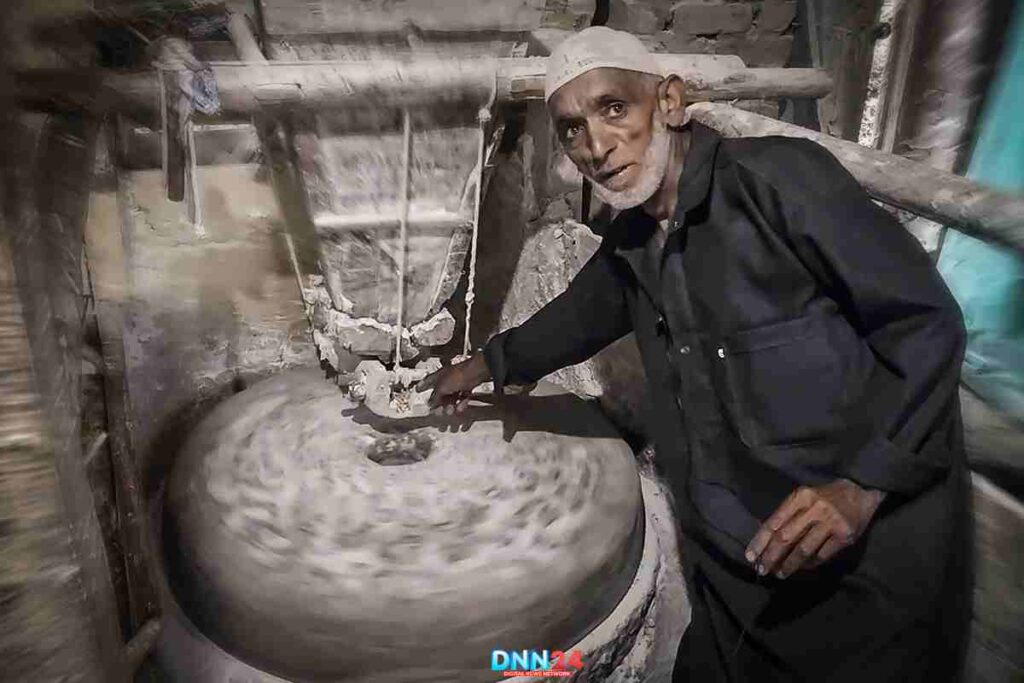
In the flour mills world are the modern electric giants, and then there are the nostalgic hand-operated relics. However, have you ever contemplated the intriguing concept of a water-powered flour mill, often called a ‘watermill’? In today’s discourse, we delve into the realm of water-powered flour mills, with a particular focus on a remarkable one situated in the Baramulla district of Kashmir, where an 88-year-old man named Abdul Rashid Wani has been the custodian for the past 12 years.
Introducing Abdul Rashid Wani
Q: What is your name, and where do you live?
A: My name is Abdul Rasheed, and I reside in Shirpora Pattan.
Q: How old is this water mill?
A: I’ve been tending to this water mill for a dozen years. Remarkably, this mill has stood the test for nearly 80 years.
Q: In the beginning, how many people came here to grind flour?
A: Initially, this water mill operated efficiently and attracted a substantial clientele. However, our customer base gradually dwindled with the advent of electric mills.
Q: How long does grinding five kg of rice or wheat take?
A: Surprisingly, it takes only 10 minutes to grind five kilograms of grains with this water-powered mill.
Q: Is the flour of this mill beneficial for health?
A: Undoubtedly, the flour produced by this water mill boasts superior health benefits compared to that of an electric mill. Moreover, its flavour is exceptionally delightful.
Q: Do you think this water mill was working very well 40 years ago, and today, the working of this mill has been affected very severely?
A: This water mill attracted a substantial crowd in its heyday. However, in recent years, the number of visitors has significantly dwindled, nearly to the point of disappearance.
A Sustainable Power Source
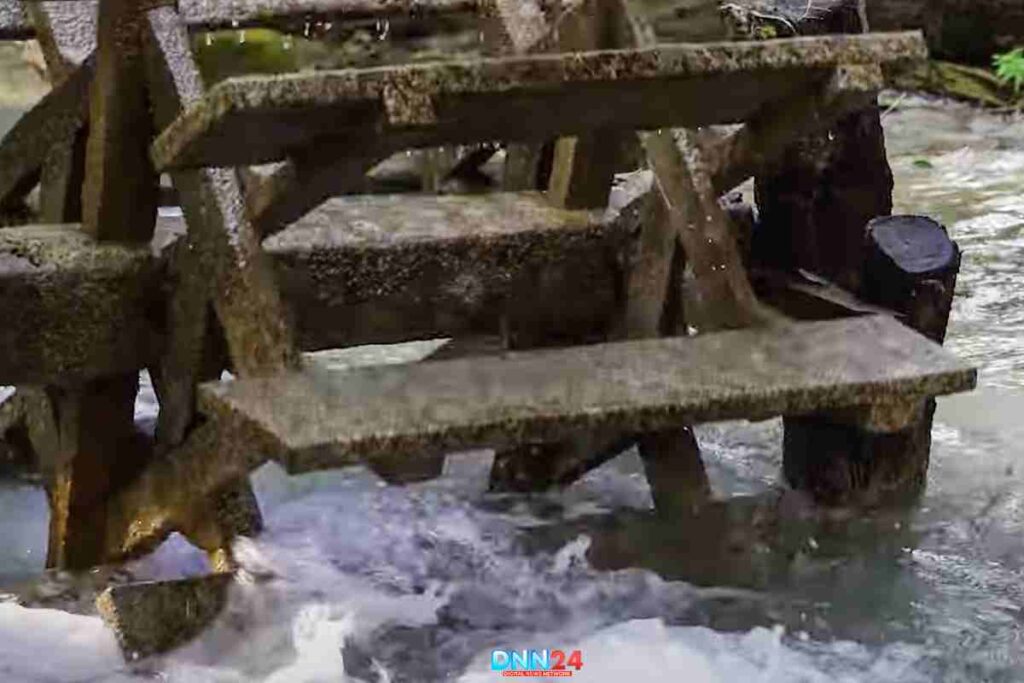
One distinctive feature of this flour mill is its independence from electricity. Yes, you read that correctly! This ingenious technology allows us to conserve electrical energy and contributes to environmental preservation. In this unique mill, water cascades at high velocity onto a fan, propelling the mill and facilitating flour grinding. This harmonious fusion of nature and technology underscores the mill’s invaluable contribution to sustainability and a greener future.
Preserving Nature, One Grind at a Time
In an era where energy conservation and environmental consciousness are paramount, Abdul Rashid Wani’s water-powered flour mill is a shining example of sustainable technology. Here, we explore how this remarkable water mill operates, its benefits, and its role in fostering a more eco-friendly approach to flour production.
The Mechanics Behind the Magic: Water-Powered Flour Mills
The heart of this water mill’s operation lies in its ingenious design. Unlike electric mills that rely on power from the grid, this mill harnesses the power of flowing water. As water rushes onto the mill’s fan at high speed, the force generated sets the grinding mechanism in motion. Witnessing nature’s force seamlessly powering a crucial part of food production is a mesmerizing spectacle.

Environmental Stewardship
One cannot overstate the environmental benefits of a water-powered mill. By forgoing electricity, it significantly reduces the carbon footprint associated with flour production. This eco-friendly approach is particularly relevant today, where sustainability is a global priority. Abdul Rashid Wani’s mill is a testament that when adapted intelligently, traditional methods can align with contemporary environmental values.
Nurturing Health and Flavor
Beyond its environmental merits, the flour produced by this water mill offers distinct advantages for consumers. Its nutritional profile is superior to flour from electric mills, making it a healthier household choice. Moreover, its flavour in culinary creations is delightful, elevating the taste of bread, pastries, and other baked goods.
A Living Legacy
As we reflect on the journey of Abdul Rashid Wani and his water-powered mill, it becomes evident that this establishment is more than just a functional mill; it’s a living legacy. In an age of rapid technological advancement, it reminds us of our connection to the past and a beacon of hope for a future where sustainable practices harmonize with modern life.
Conclusion
The water-powered flour mill in Baramulla district, Kashmir, run by Abdul Rashid Wani, is a treasure trove of history, sustainability, and culinary excellence. As we celebrate its rich heritage and applaud its commitment to environmental responsibility, we are reminded that innovation and tradition can coexist for the greater good.
In a world where the pursuit of progress often overshadows the importance of preserving our natural resources, Abdul Rashid Wani’s water mill stands as a symbol of balance. It teaches us that we can embrace the advancements of the modern age while staying rooted in practices that honour our environment and enrich our lives.
As we bid farewell to this remarkable journey through water-powered flour mills, let us carry forward the lessons it imparts – the importance of sustainable living and the enduring beauty of traditions that stand the test of time.
Also Read: Crafting Organic Kashmir Soaps: Sana Aftab – An Insight into Her Journey
You can connect with DNN24 on Facebook, Twitter, and Instagram and subscribe to our YouTube channel.