
Friday, March 27, 2026
30.1 C
Delhi

Redefining Roles: Indian Ulema’s Path To Relevance In Modern Times

The Indian Ulema are at a crossroads, requiring a transformative shift to remain pertinent. Their historical feats stand tall, from contributing to India’s freedom struggle to contemporary accomplishments. Yet, a substantial fraction of Ulema remains rooted in the past. They must embrace a current narrative that amalgamates tradition and modernity to flourish anew, transcending outdated philosophies.

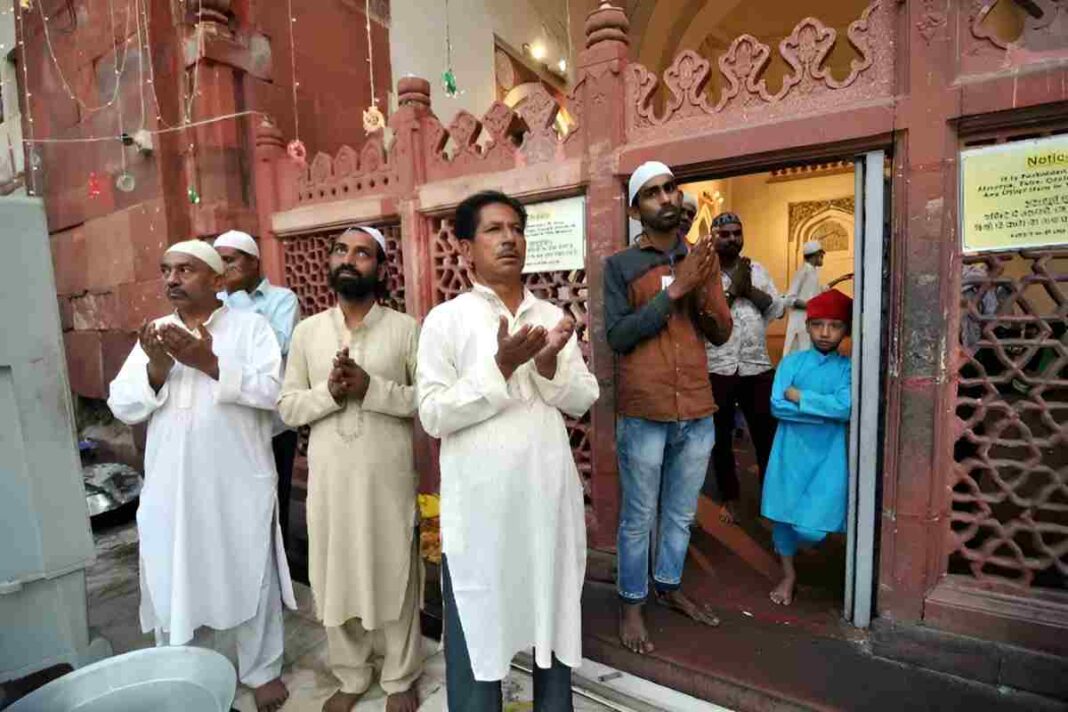
Ulema originated during Hazrat Omar’s era, guiding rulers and shaping Islamic law. Today, with secular governance prevailing, their role has evolved into spiritual guidance and influencing social values. They must clarify that, under our constitutional umbrella, a singular vision of law stays, bolstering trust in statutory systems.

The Indian Ulema should rejuvenate Muslim education, fusing Aligarh’s modernism and Deoband’s tradition to empower an uneducated populace. Prior political biases have evolved, aligning with the Indian nation-state concept. Education should promote scientific temper alongside religious studies, inspired by luminaries like Al-Kindi and Ibn Sina, who catalyzed the Enlightenment. Equally pivotal is reconciling life’s temporal and celestial aspects, fostering moral values, empathy, and social harmony. Ulema should dispel misinterpretations and ensure that Islamic principles harmonize with contemporary realities.

For a detailed story, please visit: Awaz the voice

Also Read: India’s Enduring Muslim Scholars: Pioneers of Interfaith Unity and Global Harmony

You can connect with DNN24 on FacebookTwitter, and Instagram and subscribe to our YouTube channel.

LEAVE A REPLY

Please enter your comment!
Please enter your name here

Hot this week

Turning Limitless Potential Into Real Results

U.S. Ambassador Sergio Gor on shaping the U.S.-India relationship into the defining strategic partnership of the 21st century and delivering tangible benefits for both nations.

Bangladesh: Emerging from the Year of Lawlessness

Year 2025 was a turbulent one for Bangladesh politics marked by mob violence on the streets, atrocities against religious minorities and refugees and persecution of independent media, topped by Islamist resurgence. The new government, led by Tarique Rehman, has brought in stability but has its work cut out.

Shabnam Bashir: The leader who introduced Kashmir’s undiscovered paths to the world

Bandipora in Jammu and Kashmir, where the lofty peaks...

Anjum Rahbar: A Poetic Journey from Education to Imagination

She is a poet of Urdu-Hindi literature whose every...

Topics

Turning Limitless Potential Into Real Results

U.S. Ambassador Sergio Gor on shaping the U.S.-India relationship into the defining strategic partnership of the 21st century and delivering tangible benefits for both nations.

Bangladesh: Emerging from the Year of Lawlessness

Year 2025 was a turbulent one for Bangladesh politics marked by mob violence on the streets, atrocities against religious minorities and refugees and persecution of independent media, topped by Islamist resurgence. The new government, led by Tarique Rehman, has brought in stability but has its work cut out.

Anjum Rahbar: A Poetic Journey from Education to Imagination

She is a poet of Urdu-Hindi literature whose every...

Fahmida Riaz: A Voice of Humanity Between the Borders of India and Pakistan

In the firmament of Urdu literature, there are some...

Pax Silica: Building Trusted Tech Alliances

Quad program alumnus Pranay Kotasthane explains how Pax Silica is shaping trusted technology alliances and advancing U.S.-India collaboration in the AI era.

Related Articles