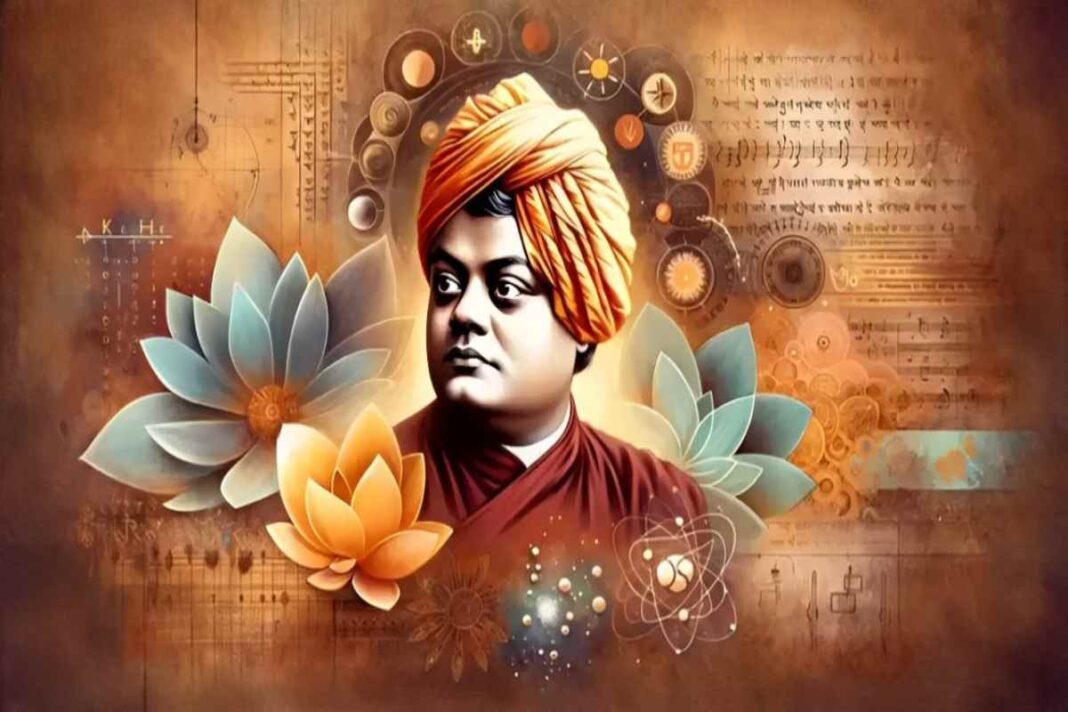

Swami Vivekananda, as reflected by Bhupendranath Datta, was deeply influenced by his upbringing and surroundings, particularly regarding his views on Islam. Bhupendranath, a profound thinker, delved into his brother’s life in his book, “Swami Vivekananda: Patriot-Prophet,” aiming to dispel misconceptions and highlight the influences that shaped Vivekananda’s secular and rationalistic outlook.
Family Environment and Influence
The Datta household, under the guidance of their father, Bisvanath Datta, embraced a blend of Hindu-Muslim traditions alongside European customs. Bisvanath’s liberal mindset, evident in his interactions with Brahmins and Pirs, was criticiszed by some orthodox figures who questioned Vivekananda’s adherence to Hinduism. However, Bisvanath’s forward-thinking approach liberated his children from traditional superstitions, fostering radical thinking in them.
Mother’s Influence and Cultural Integration
Swami’s mother, Bhubaneswari Devi, also had good thoughts about Muslims. Their family looked after Manikpir Dargah, where Bhubaneswari managed the property. It showed their respect for different religions. When the Muslim caretakers asked, Bhubaneswari agreed not to take rent from the dargah. This decision showed mutual respect and understanding between them.
Spiritual Influences and Interfaith Relations
While Ramakrishna Paramhansa’s profound impact on Vivekananda’s spiritual journey is widely known, Paramhansa’s inclusive approach toward all religions is often overlooked. Demonstrating a deep regard for diversity and the promotion of interfaith unity, Paramhansa showcased his atypical methods by donning diverse attire and interacting with followers from a myriad of backgrounds.
Bhupendranath’s narratives unveil a rich tapestry of cultural integration, mutual respect, and intellectual openness within Swami Vivekananda’s family circle and spiritual influences. These accounts not only challenge misconceptions about Vivekananda’s views on Muslims but also highlight the broader message of secularism and inclusivity embedded in his teachings.
For a detailed story, please visit: Awaz the voice
Also Read: India’s Global Leadership: G-20 and Development
You can connect with DNN24 on Facebook, Twitter, and Instagram and subscribe to our YouTube channel.