
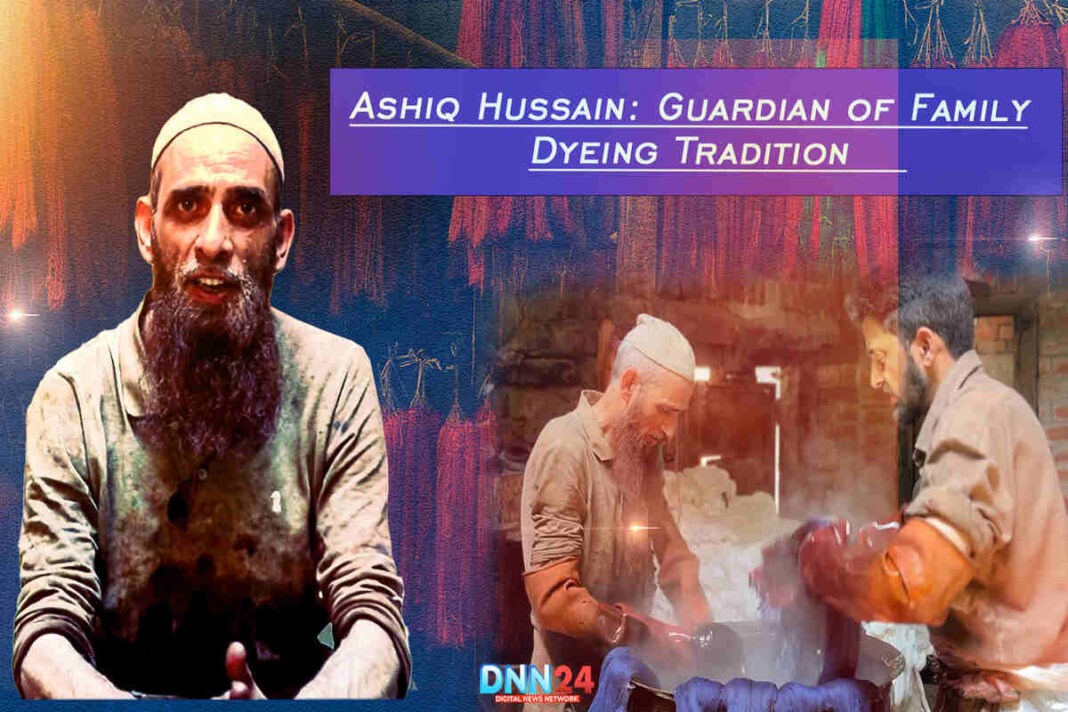

Ashiq Hussain was taught the art of dyeing clothes by his father when he was a child. His family has been in the business for four generations, and their factory is over 100 years old. Ashiq is committed to safeguarding this precious heritage. Dyeing the different colours of yarn used to make Kashmir’s handicrafts is more than just a skill, it is an important process that carries on the family’s traditions.
The complexity of the staining process
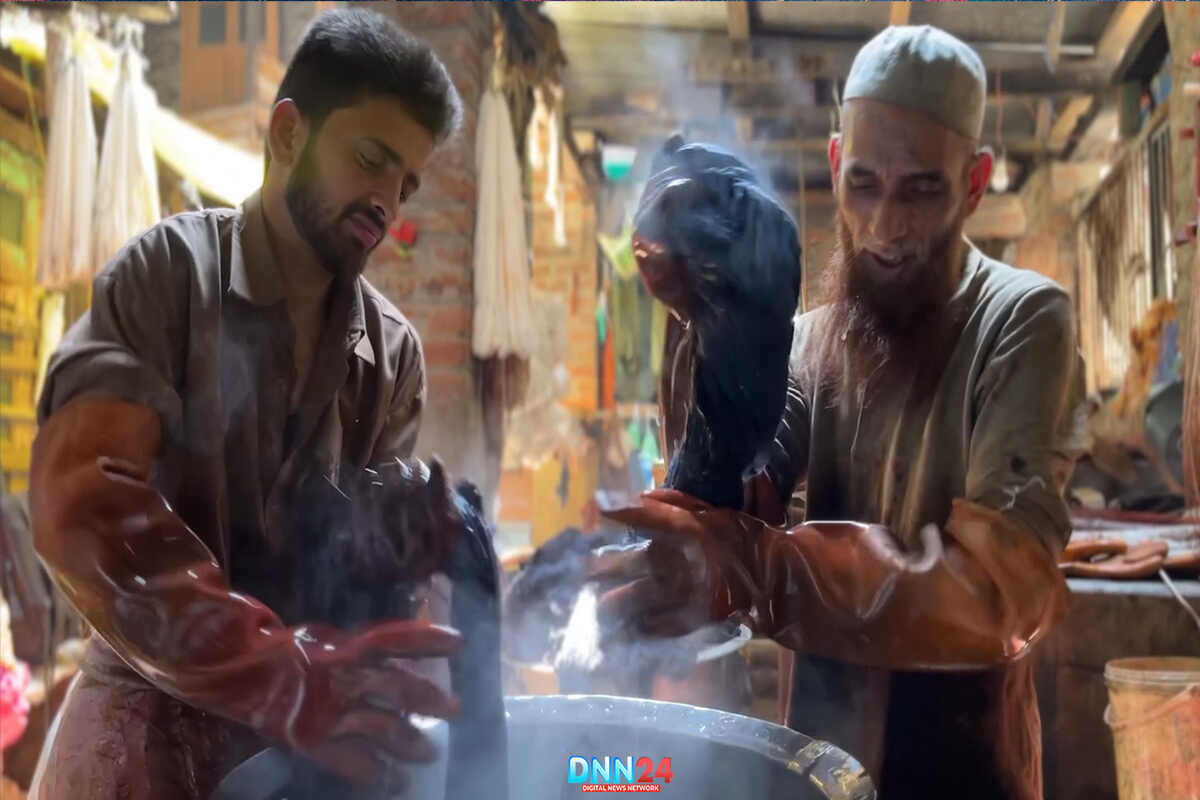
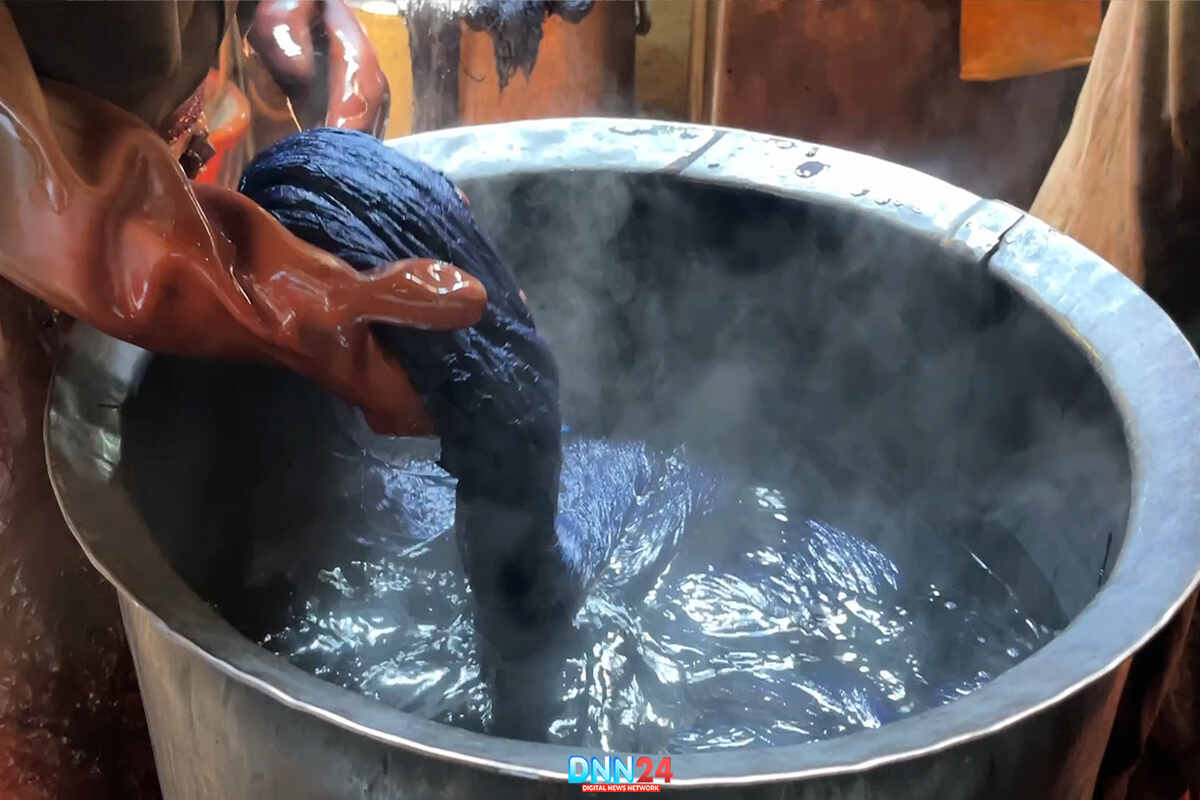
Ashiq has several kinds of yarn samples for dyeing. He prepares the dye by mixing the colours of the threads. The staining process is very complex and time-consuming. The fabric is coloured by chemicals, and after dyeing, it is washed with water to remove the original colour of the fabric. After that, use a blow dryer to dry the threads. All of this is done traditionally, and Ashiq hopes to preserve Kashmir’s cultural heritage through this.
State of the dyeing industry in Kashmir
Ashiq Hussain told DNN24 that there used to be 15 to 20 dyeing factories in the region, but now only one remains. Over time, many factories have closed, and this traditional technique is slowly disappearing. Currently, the younger generation is focused on their studies, and there are fewer people to take over this job. Ashiq is concerned that these changes pose a serious threat to Kashmir’s traditional dyeing techniques.
The Conflict Between Tradition and Modernity
In Ashiq Hussain’s factory, dyeing and embroidery are still done by hand. However, modern technologies and products coming from outside threaten traditional dyeing. As many people can produce products faster and cheaper with mechanized production methods, conventional dyeing techniques are in an increasingly difficult situation. To overcome this situation, Ashiq emphasizes the need to promote the value of traditional crafts and find new possibilities in this field.
Change from natural dyes to chemical dyes
In the past, natural dyes were used, but today chemical dyes are the mainstay. Since the dyeing process of natural dyes was long and complex, modern chemical dyes have become popular. Ashiq laments the current decline in the use of natural dyes and says that we need to find ways to revive the value of natural dyes. He strives to promote the benefits and beauty of traditional dyeing methods.
Vision of the future
Ashiq Hussain says his factory has been in operation for more than 100 years and is determined to continue this tradition in the future. He wants to help the new generation learn this valuable skill and continue to develop Kashmir’s dyeing culture. DNN24 emphasizes the need to promote and encourage these traditional arts and hopes to create opportunities for artisans like Ashik to be in the spotlight again.
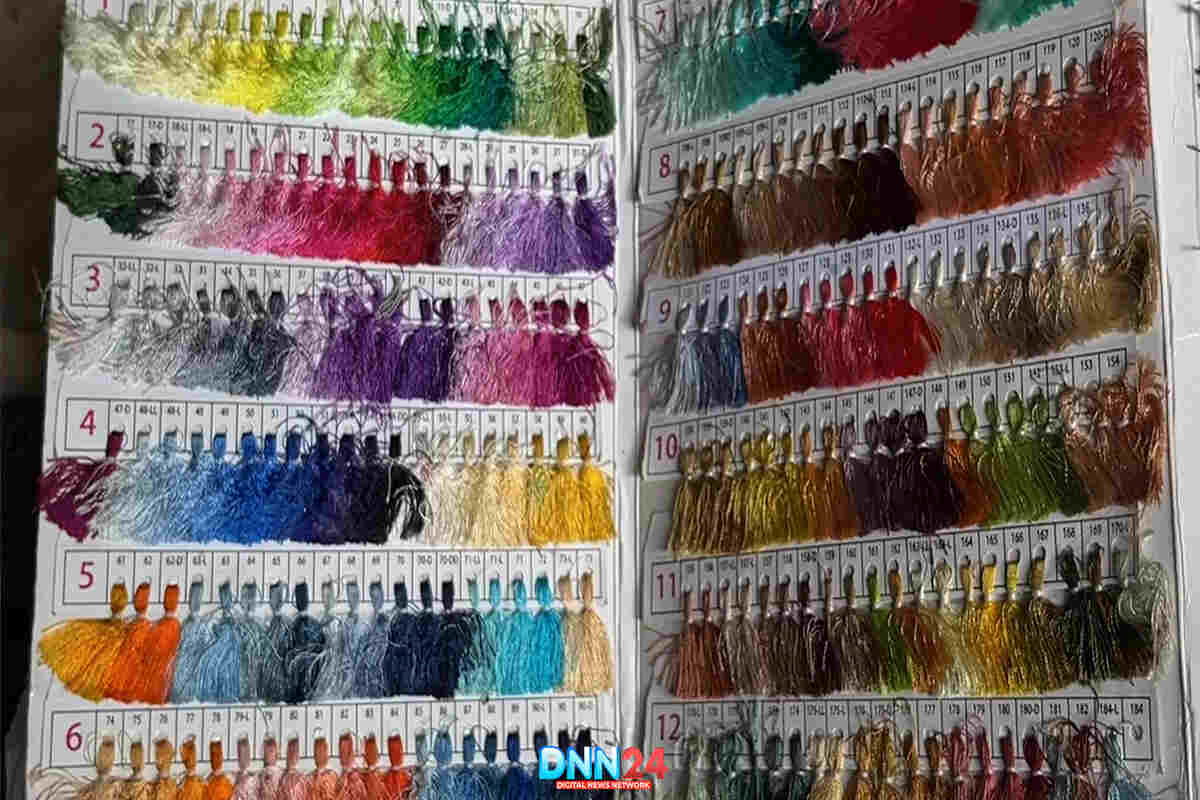
The dyeing industry in Kashmir is not just an economic activity, it is an important part of the culture and tradition. Ashiq Hussain and his factory are committed to preserving this tradition, and we look forward to many others continuing to keep this beautiful heritage alive.
Also Read: Srinagar’s Master Craftsman: Ghulam Nabi Zargar
You can connect with DNN24 on Facebook, Twitter, and Instagram and subscribe to our YouTube channel.