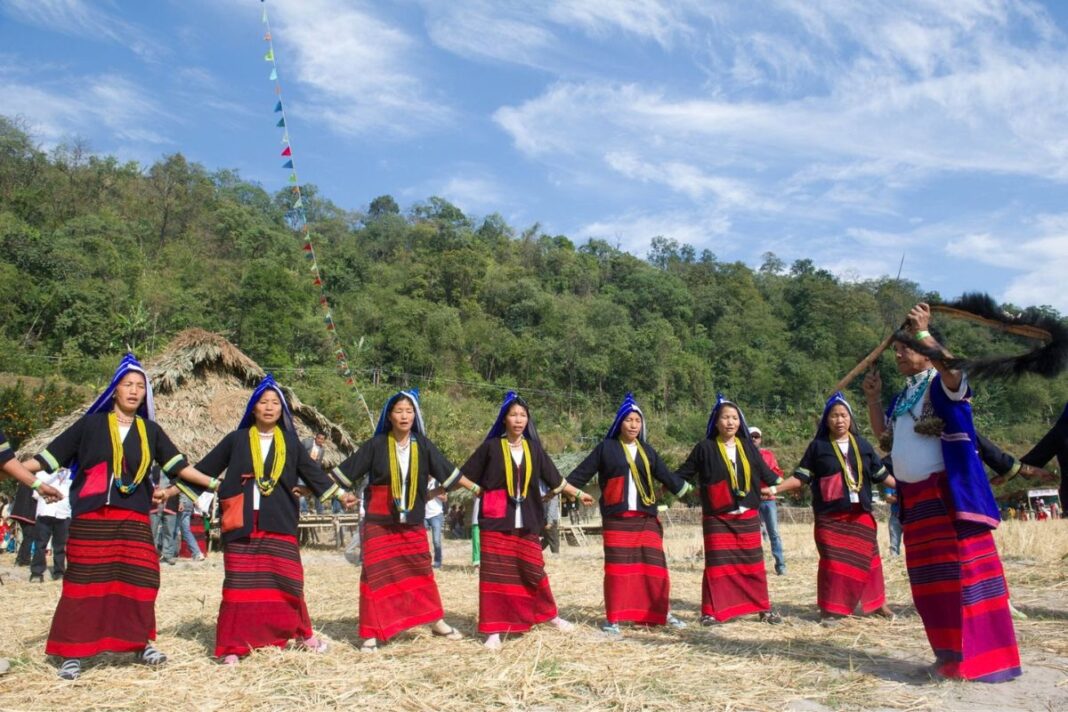

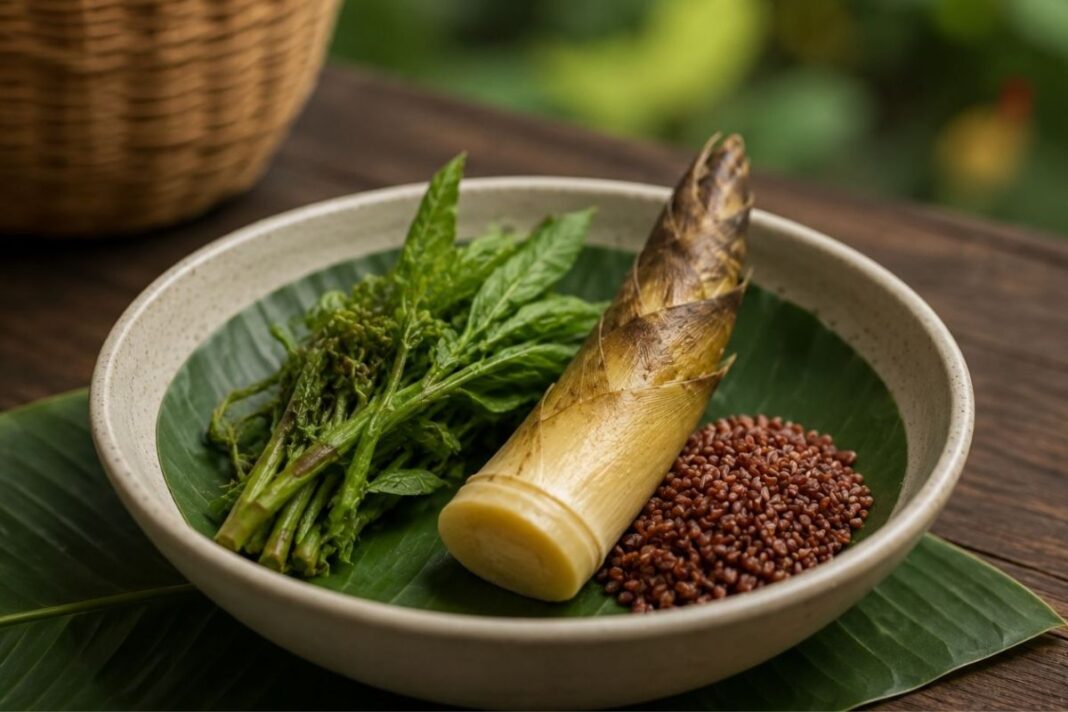

Somewhere in a forest in Jharkhand tonight, a family is cooking a dish their great-grandmother knew by heart. The main ingredient fell from a tree this morning, and nobody paid for it. Most Indian restaurant menus have never listed it. Yet millions of people have lived on foods like this for longer than farming has existed in the country.
For Adivasi communities, what comes out of the forest is food, memory, income and identity all at once. Two ingredients show this better than any others. One is the mahua flower of central India. The other is the fermented bamboo shoot of the Northeast.
The Forest as a Pantry
Officials call these items Minor Forest Produce. The list covers bamboo, leaves, gums, resins, wild fruits, nuts, honey, lac and tussar. The word “minor” misleads. Cultivated crops alone cannot give a household all the protein, fat, vitamins, and minerals it needs, and forest foods fill that gap year-round. They are a regular part of the diet.
The Food and Agriculture Organisation says nearly 250 million people worldwide depend on forest resources. India has more than 104 million people who belong to Scheduled Tribes, and many of them rely on the forest for meals and for money. Their knowledge of what to pick, when to pick it and how to prepare it rarely appears in the story we tell about Indian cooking.
Mahua, the Tree That Gives Sweetness Away
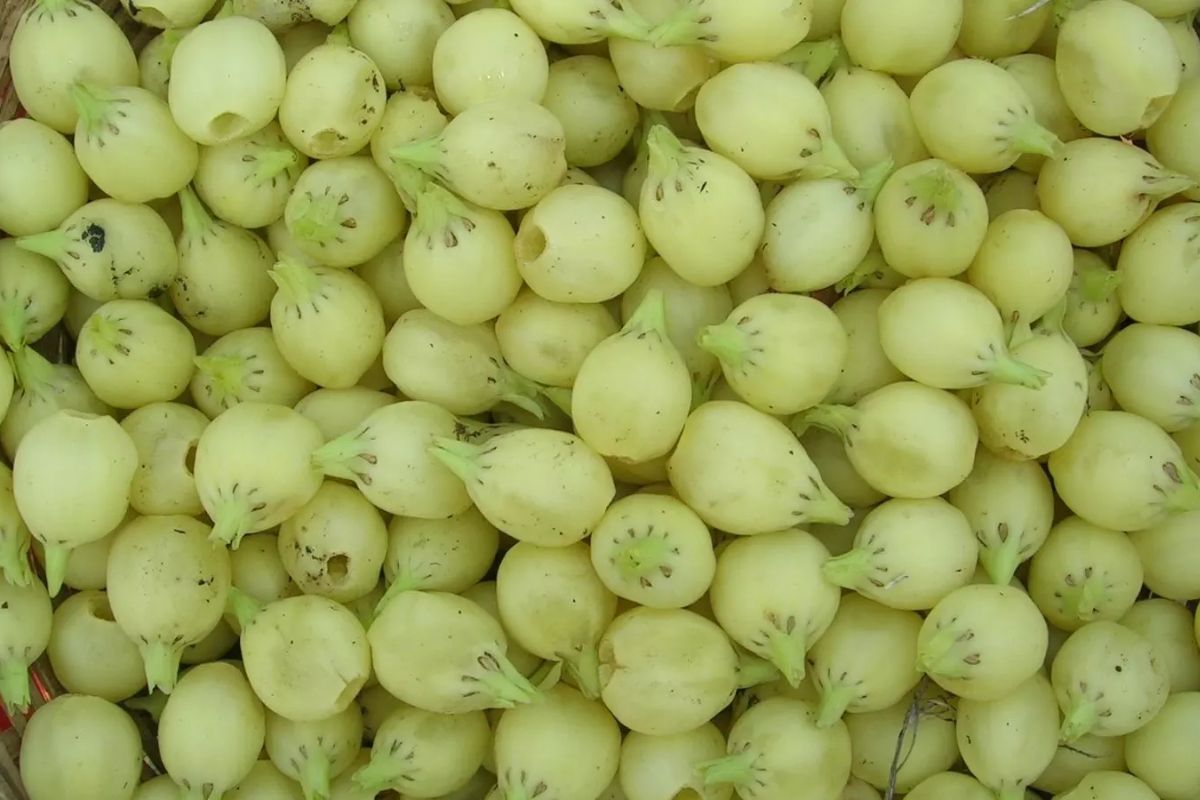
The mahua tree, known to botanists as Madhuca longifolia, grows across the forests of central and eastern India. People call it the honey tree and sometimes the butter tree. In spring, it drops pale green flowers on the ground for a short season, and families go out to collect them by hand.
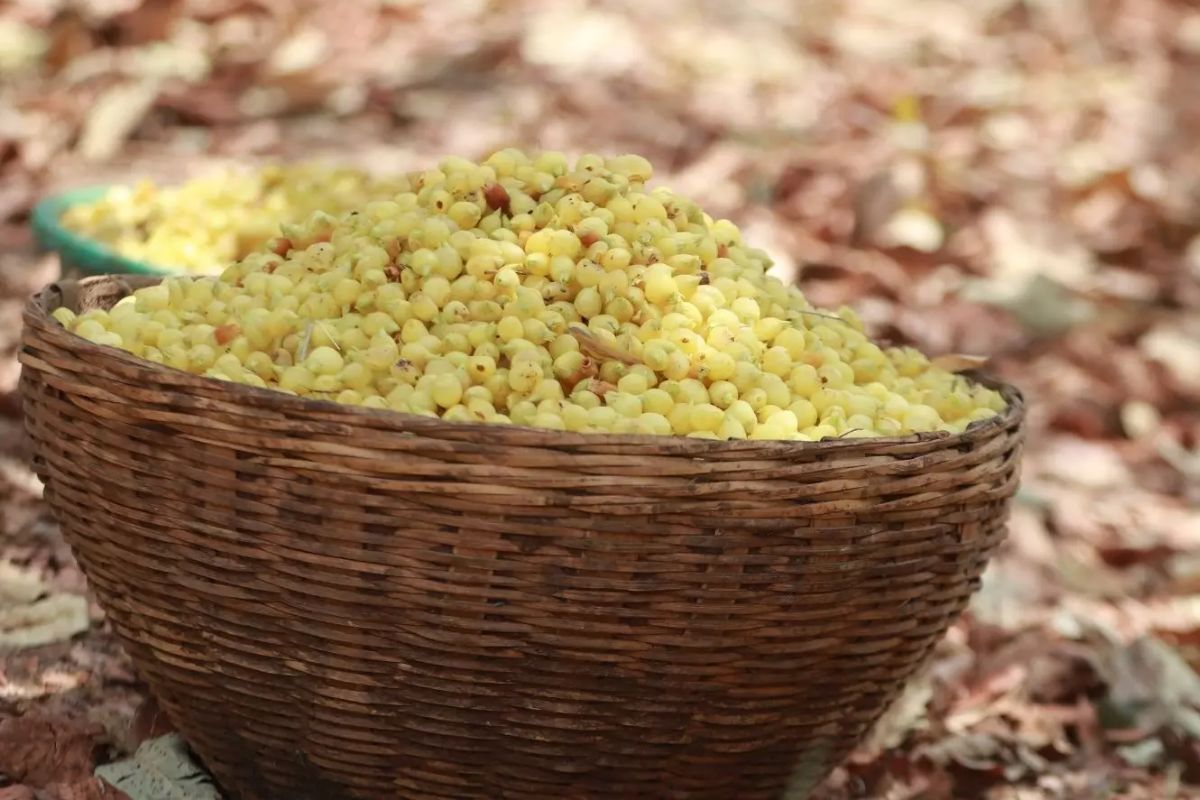
People can eat the flowers fresh or dry them in the sun and store them. They can be soaked to release their sugars. In Madhya Pradesh, Odisha, Chhattisgarh, and Jharkhand, people cook dried mahua into kheer, mix it into roti dough, or distil it into a strong local liquor that has a place in ritual and social life. The flowers contain carbohydrates, calcium, and carotene, making them valuable when other food runs short.
Mahua also pays. Research on Minor Forest Produce reports that nearly 75 per cent of tribal households in Odisha, Madhya Pradesh and Andhra Pradesh earn up to ₹5,000 a year from gathering and selling the flowers. That money covers school fees, medical bills and festivals during the months between harvests. Even so, mahua is often written off as a famine food. A nutrient-rich, climate-resilient food is treated as a last resort.
Bamboo Shoots and the Taste of the Northeast
India grows about 136 species of bamboo and is the second largest producer of bamboo shoots after China. Outside tribal and ethnic communities, few people eat them. In Assam, Arunachal Pradesh, Nagaland, Manipur, Mizoram, Meghalaya, Tripura and Sikkim, they sit at the centre of the kitchen.
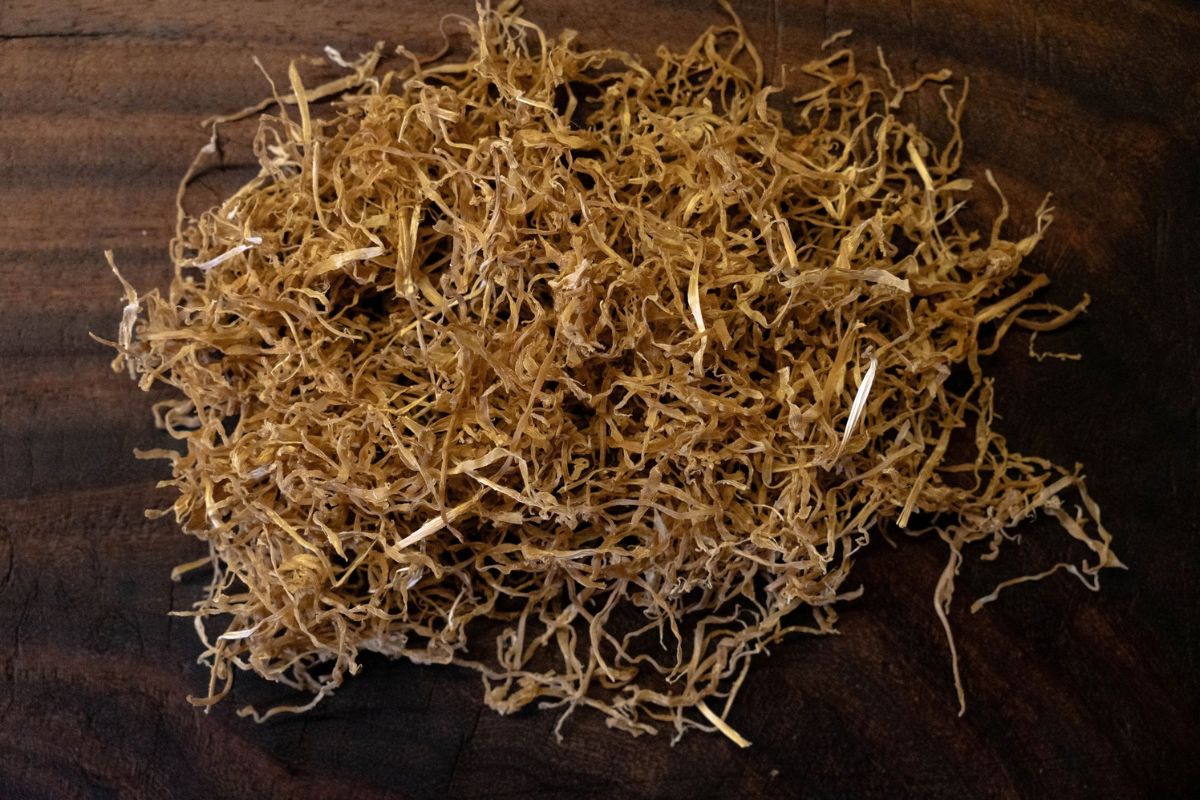
Harvest comes in the early monsoon, from June to August. The shoots are young and tender, usually 10 to 20 cm long. People eat them fresh or dried, and they also ferment them. They turn up in salads, pickles, curries and meat dishes.
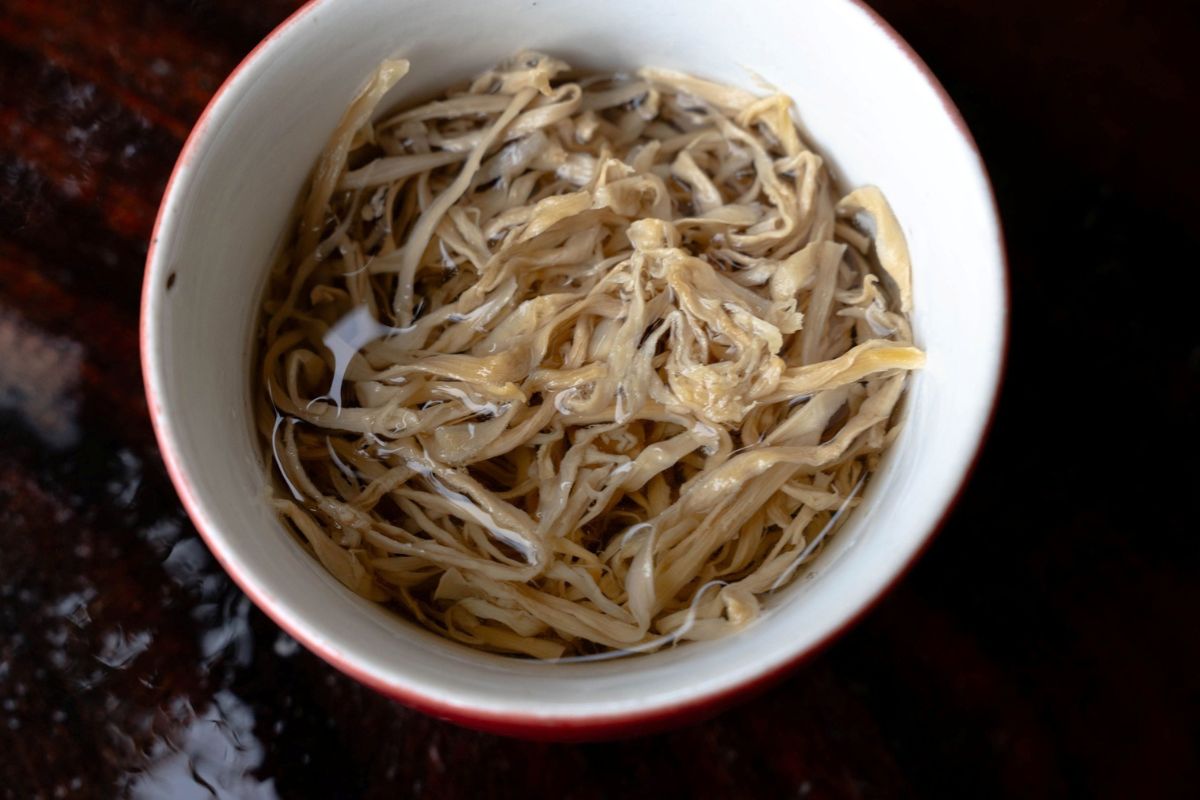
Each region has its own version. Assam makes khorisa. Manipur has soibum and soidon, a ferment of bamboo shoot juice and mustard seeds. Nagaland’s bastenga gives pork a sharp edge and adds depth to dishes with axone, fermented soybean. Sikkim has mesu, made by Limbu and Nepali-speaking communities and counted among the best-known fermented foods of the Himalayas.
Bamboo shoots are low in fat and cholesterol and high in fibre, protein and minerals. Researchers think they could help reduce malnutrition where protein is scarce. People gather the shoots in the forest, and the skill of preparing them usually passes from mother to daughter. For years, outsiders called this food uncivilised. Northeastern communities now wear it with pride.
How Three Ferments Are Made
All three begin the same way. Young shoots are cut in the monsoon, peeled down to the soft core and washed. Then bacteria do the work.
Khorisa comes from Assam, usually from the Bambusa balcooa bamboo. The core is sliced thin, and some households boil it for three to five minutes to lessen the bitterness. Others skip that step. The shoots are pounded or grated, mixed with plain salt (about two to three tablespoons per kilogram), and pressed into a clean jar or earthen pot. A loose cloth covers it so gas can escape. The pot sits somewhere warm and dark for seven to ten days. The shoots release their own liquid, and the sourness builds in that brine. Once ready, khorisa keeps for several months and goes into fish, meat and vegetable curries.
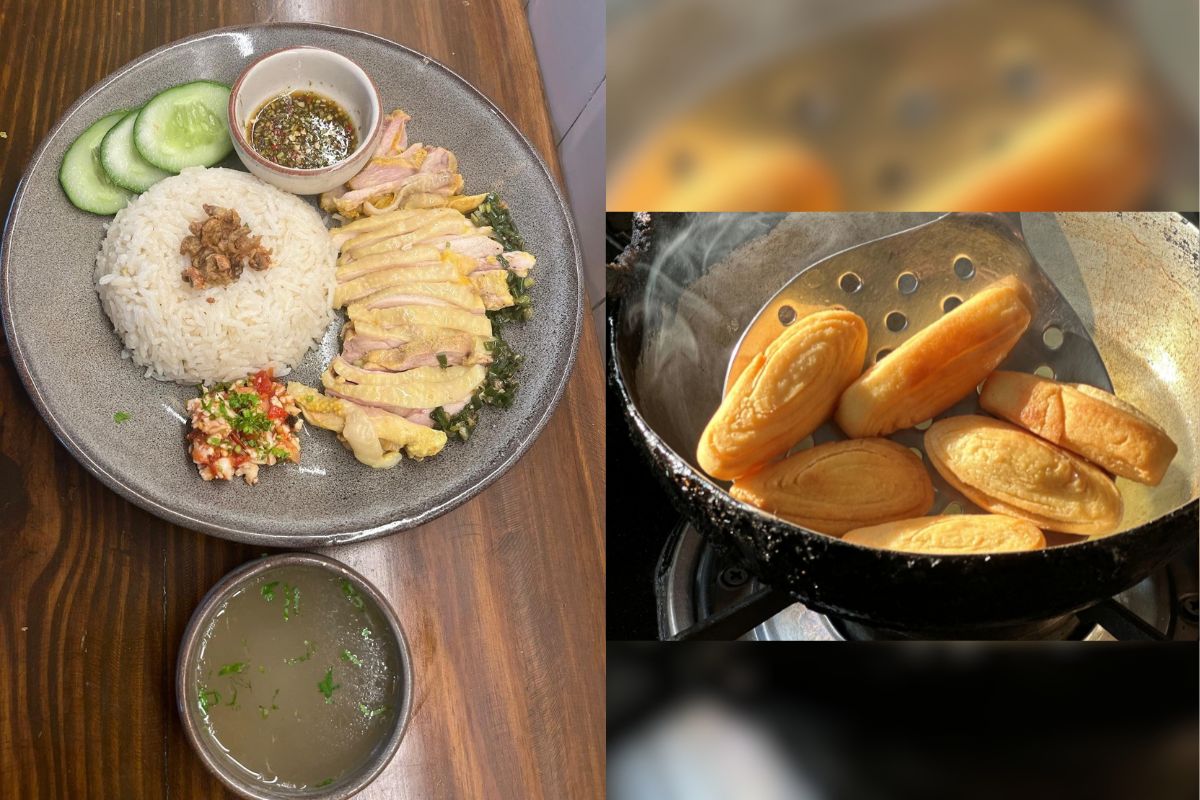
Soibum from Manipur starts with thin strips cut from the tender core, which are pressed in a basket or cloth to squeeze out water. They are packed tightly into an earthen pot or bamboo container. Some makers add sour liquid from an earlier batch to start the process. A stone or weight keeps the shoots under their liquid, and a lid or banana leaf covers the pot. It rests from seven to thirty days, and a longer wait means a sharper taste. A slower method soaks the shoots for two days, dries them and seals them in a pot for anything from three months to a year.
Mesu from Sikkim is made from species such as Dendrocalamus sikkimensis, Dendrocalamus hamiltonii and Bambusa tulda. They chop the shoots fine, press them into a bamboo vessel or earthen pot, and seal it. They ferment on their own for seven to fifteen days. Mesu carries no salt, so the lactic acid bacteria do all the preserving. Studies list the order in which they take over: Pediococcus pentosaceus first, then Lactobacillus brevis, then Lactobacillus plantarum.
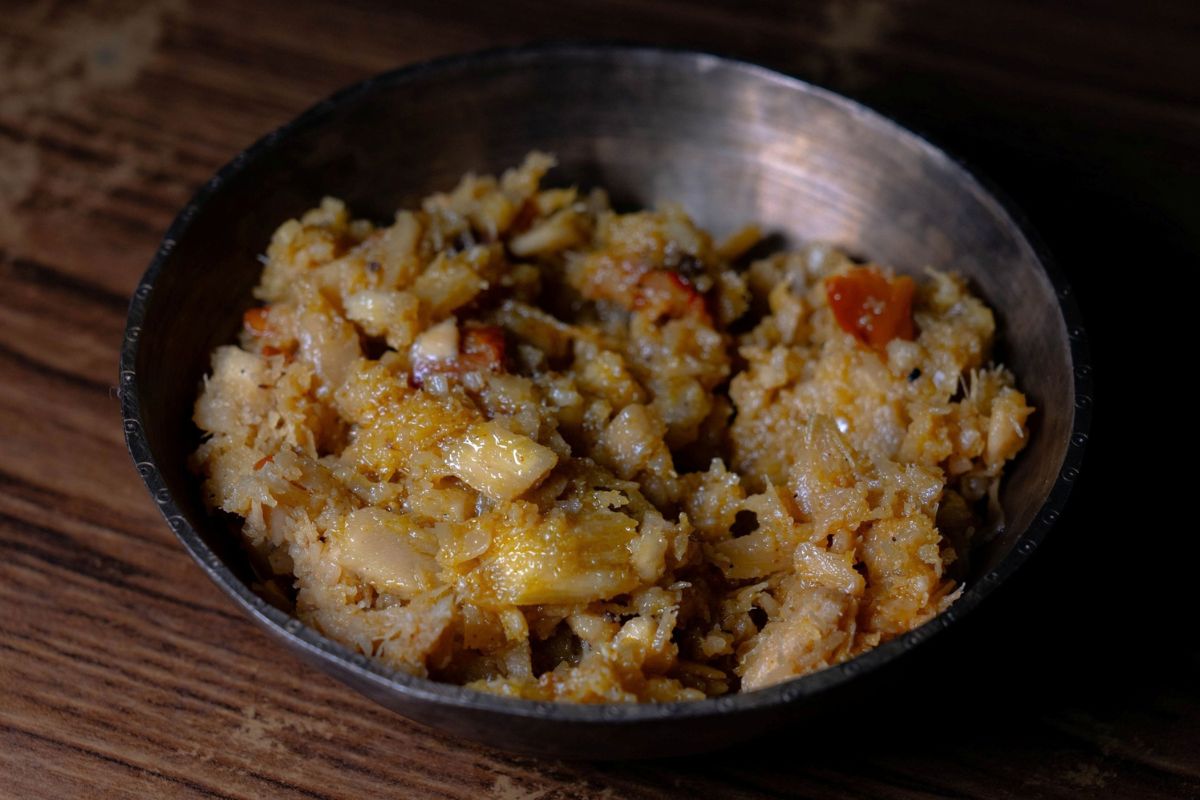
The science is the same in all three. Bacteria turn the natural sugars in the shoots into lactic acid. The acid lowers the pH, and spoilage organisms cannot survive. Shelf life increases, minerals become easier for the body to absorb, and beneficial bacteria come along with the food. Such methods make sense in a wet monsoon climate, where fresh food goes bad fast.
Plenty More in the Forest
Mahua and bamboo shoots are two items on a long list. Adivasi cooks also use wild tubers such as junglee aloo, many leafy greens, mushrooms, berries, seeds, honey and herbs. A typical meal in Jharkhand might include boiled rice, marh jhor made from urad dal, mashed vegetables and chutney. Some families add small game, local fish or crabs. In the Similipal Biosphere Reserve, communities gather tubers, roots, leaves and drinks that add real variety to what they eat.
In the south, diets follow the seasons. Cereals and mushrooms come in summer, and potatoes and yams in winter. Greens come from the forest or from small plots. Fish, crabs and snails supply protein. The Paliyar people harvest honey as a traditional trade. Turmeric, cloves, cinnamon and mustard seeds are valued for their taste and their health benefits.
Wild foods that grow without any farming have fed these communities for thousands of years, yet national food security plans pay them little attention. With farming under strain from climate change, a system built on local ecology and the rhythm of the seasons has something to teach.
A Heritage Under Pressure
The pressures are plain. Forests shrink, land slips out of tribal hands, and knowledge fades as older people pass away. Many young people move to cities and eat mainstream food. They often cannot name the wild plants their grandparents collected. Intermediaries buy mahua and bamboo shoots at low prices, leaving gatherers with little.
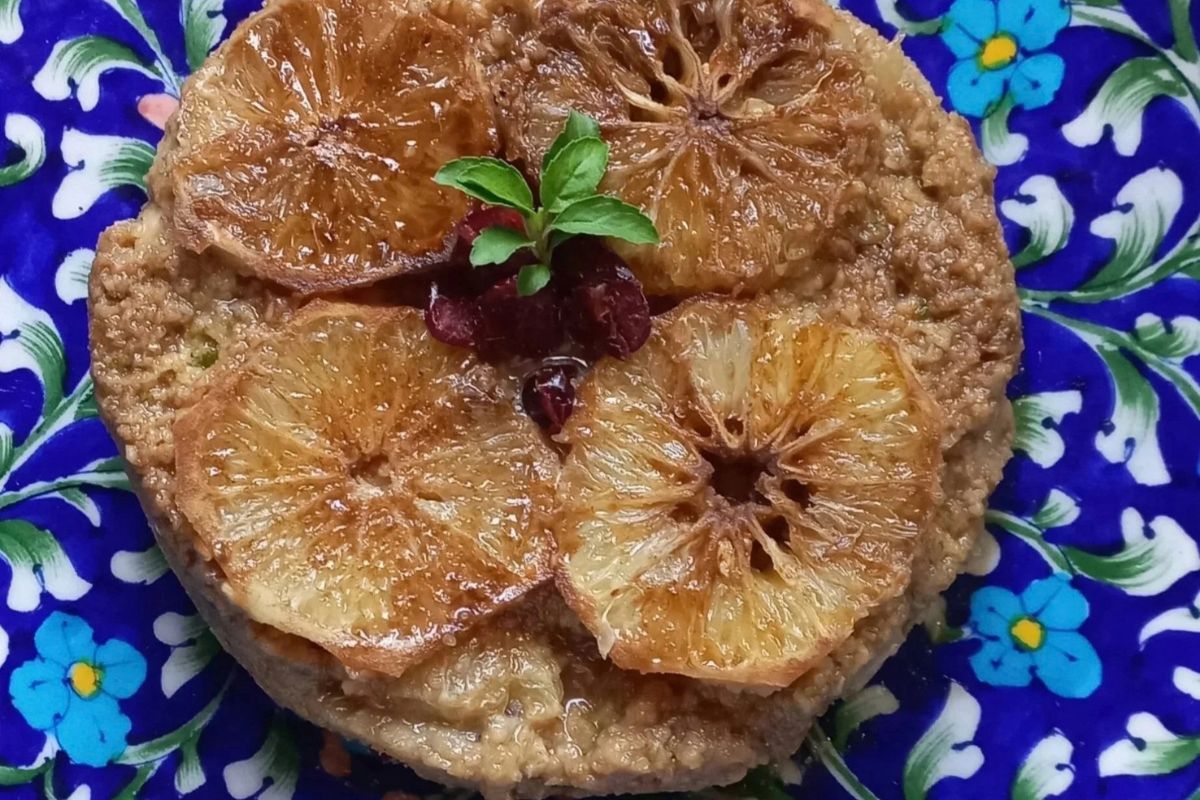
There are signs of change. The Van Dhan Yojana and the Forest Rights Act of 2006 aim to give forest dwellers the right to collect, process and sell Minor Forest Produce. Chefs, researchers and activists are recording Adivasi cooking and bringing it to food festivals and city kitchens. In Jharkhand, the Jharkhand Cookery League has featured dishes such as Ukda Tandalachi Kheer with Bambucha Kombachi Bhaaji, a bamboo shoot vegetable, pairing old recipes with new ideas.
What Is Left to Taste
Tribal food culture is a way of living with the land. Every mahua flower picked and every bamboo shoot fermented comes from people who fed themselves for centuries without using up their surroundings.
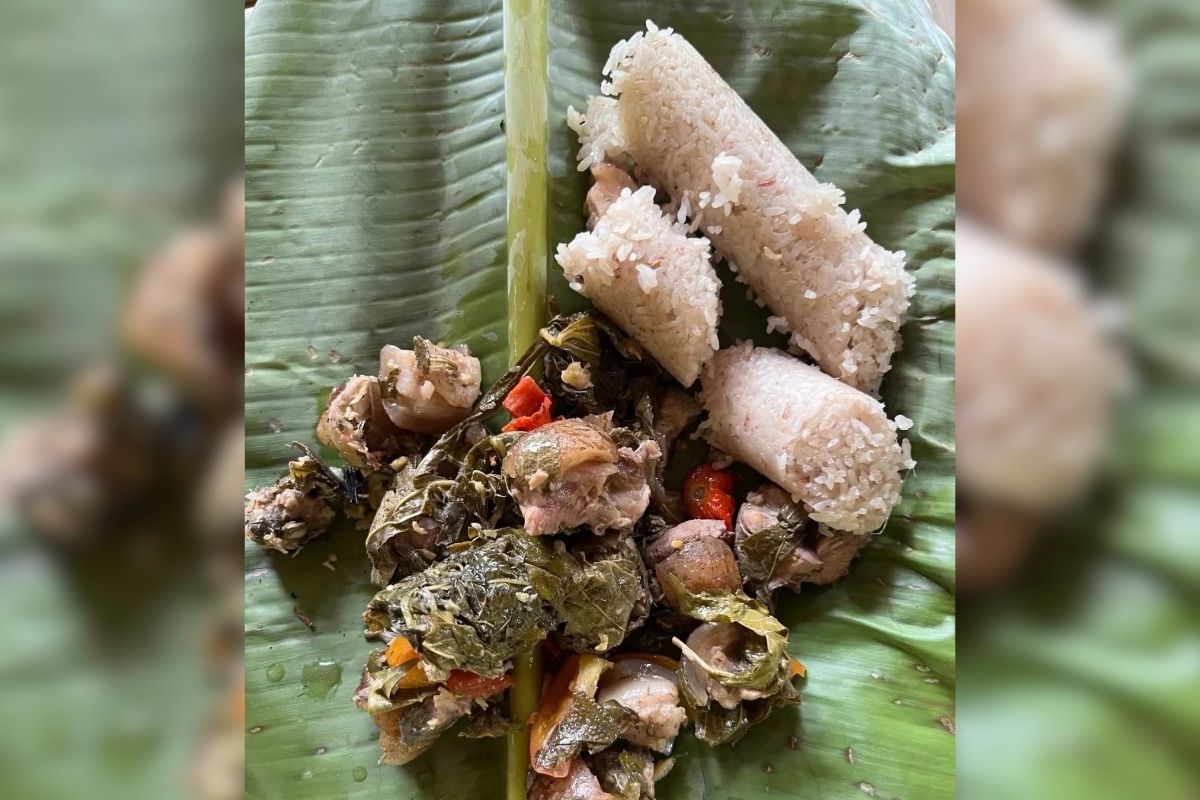
India is dealing with malnutrition, climate risk and a growing sameness in what people eat. The forest foods of its Adivasi communities show a way ahead built on variety, season and respect for nature. Keeping them in a museum or a policy paper would be a poor outcome. The better outcome is to taste them and learn from them.
Mahua and bamboo shoots tell the story of India itself, a country of many layers that has always stayed close to its soil. Forgetting these foods means forgetting part of who we are. Remembering them gives us a future where a meal feeds both body and culture.
Also Read: Arunachal’s Solung Tradition: The Festival Where Villages Become Living Museums
You can connect with DNN24 on Facebook, Twitter, and Instagram and subscribe to our YouTube channel.