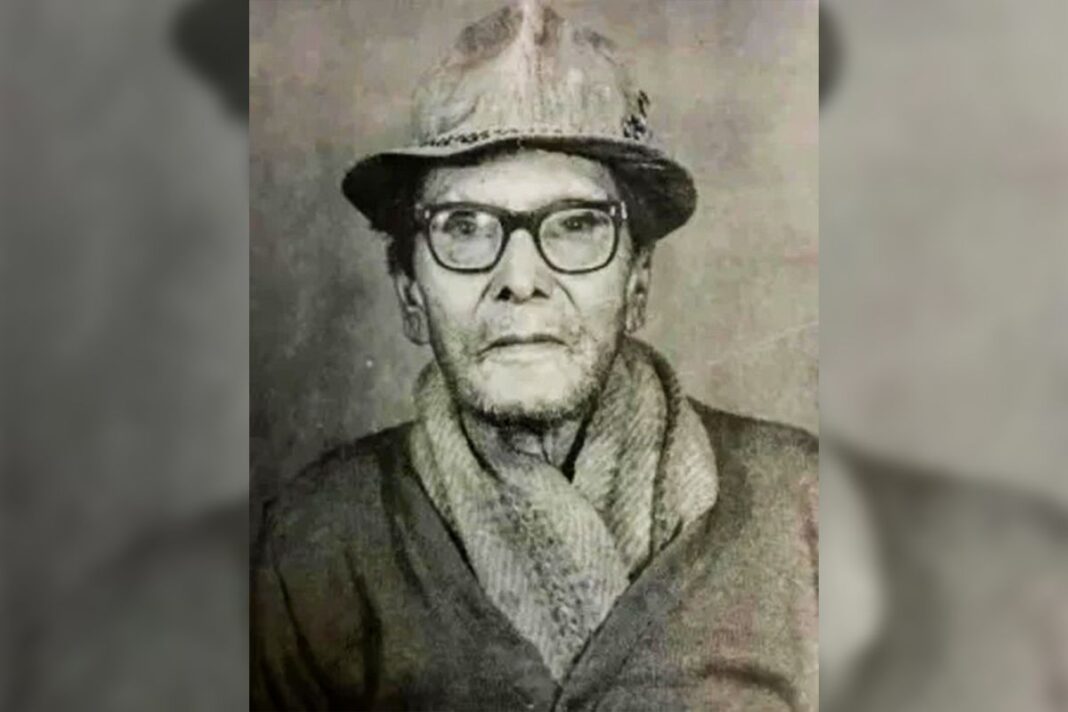

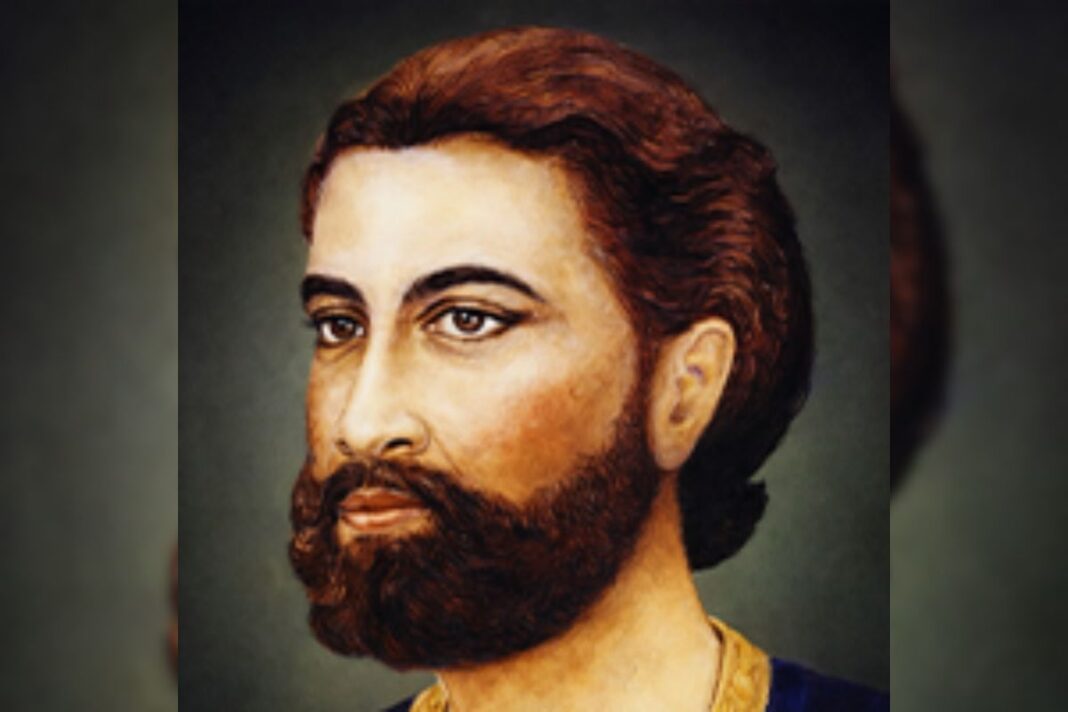

The orphan who became the God of Urdu Poetry was born in Agra in February 1723, and by age eleven, he had lost his father, inherited debts, and set out on a long road to Delhi. Urdu came to call him Khuda e Sukhan, the God of Poetry, a title few writers in any language have carried. How does a boy with nothing earn a name like that? The answer lies in the ruins of two cities, a language still learning to walk, and a grief that never healed.
A Boy Left With Debts and a Father’s Lessons
Mir Muhammad Taqi came from a family of little money and a good deal of faith. His father, Mir Abdullah, leaned toward the mystical and taught his son that love, kindness and detachment from worldly gain were the things worth keeping. Then the father died while Mir was barely in his teens, and debts arrived in place of an inheritance. Around the age of eleven, Mir left Agra for Delhi, the cultural centre of Mughal India. He hoped to finish his education and find a nobleman willing to support him. Delhi gave him teachers and patrons, though the patronage was always thin and never dependable.
Delhi, the City He Loved and Watched Fall
Mir spent most of his life in the walled city, living in Kucha Chelan, Chandni Mahal and Matia Mahal until 1782. He saw Nadir Shah’s army strike the capital, and later the raids of Ahmad Shah Abdali, which began in 1748 and left the city bruised and its courtiers discouraged. The Mughal empire shrank in front of him, and streets that once hummed with poets and traders grew quiet.
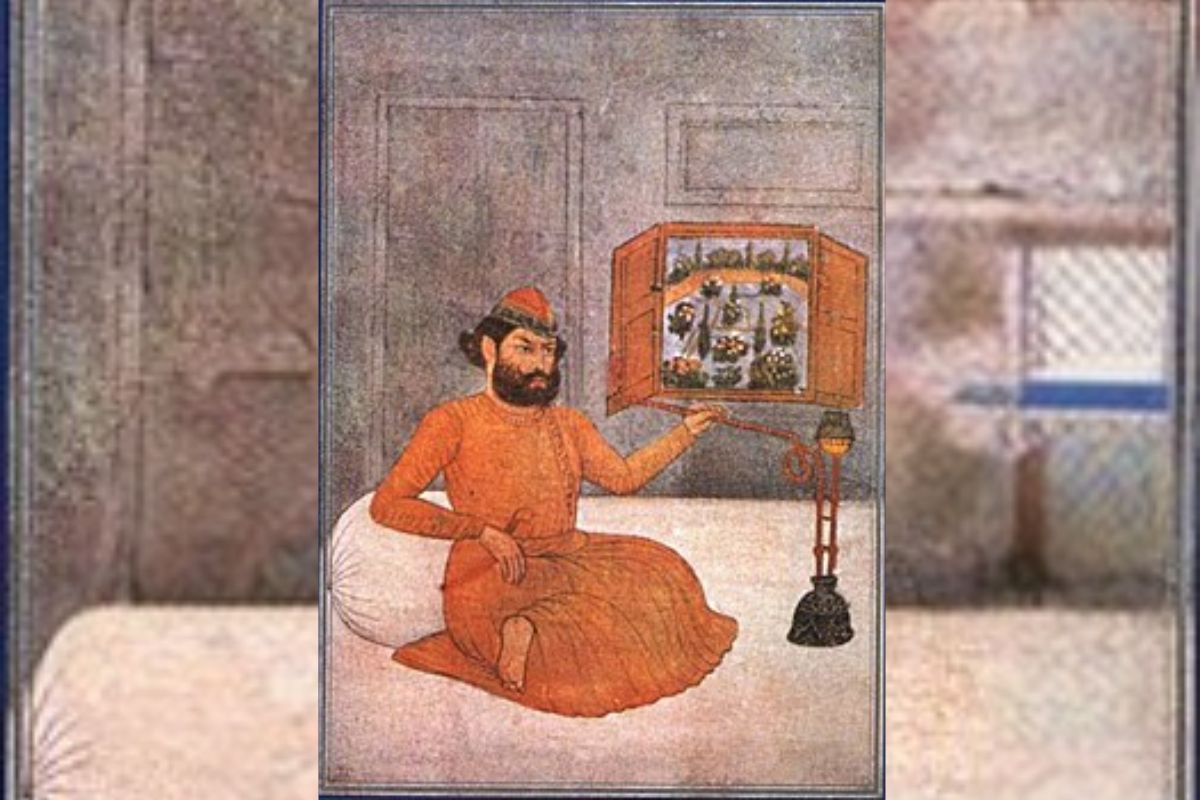
Mir carried it all into his verse. One of his best-known couplets says Delhi was once the finest city in the world, home to the most skilled people in every trade; that fate plundered it and left it desolate; and that he now belongs to that ruined land. The lines read as a personal complaint, yet they also mourn a whole way of life. They come from a man who loved the city the way a lover loves someone who can no longer be reached.
The Long Exile in Lucknow
In 1782, Nawab Asaf ud Daula of Awadh invited Mir to Lucknow and received him in person, showing how much the poet’s name counted. The welcome was warm, and the fit was poor. Lucknow prized refinement and delicate manners, and its courtiers thought Mir old-fashioned. He returned the judgement with interest. He looked down on the new Lucknow poetry and dismissed the work of Jur’at as little more than kissing and cuddling.
His relations with the Nawab cooled, and in time he cut his ties with the court and withdrew into loneliness. His health failed in his final years. The deaths of his daughter, his son and his wife left him in deep distress.
How Mir Built the Language of Urdu Verse
The size of Mir’s output is hard to take in. His Kulliyat, or collected works, holds six diwans with 13,585 couplets across ghazals, masnavis, qasidas, rubaiyat and satires. He also left a diwan of Persian ghazals and several prose works. These include Nukat us Shu’ara, a biographical dictionary of Urdu poets, Zikr e Mir, an autobiography in Persian, and Faiz e Mir, a collection of stories about Sufis and faqirs.
He worked when Urdu was still taking shape. By his own account, a Sayyid from Amroha urged him to write in Urdu, telling him it was the language of Hindustan by the king’s authority and was gaining ground. Mir threw himself into the task, and before long the literary circles of Delhi knew his verse, young and old alike. He built his language on native Hindustani and added a measured amount of Persian words and phrases. The result was simple, natural and graceful, and later poets followed it for generations.
Love That Hurt and Faith Without Walls
Grief followed Mir everywhere. Deaths in the family, the plunder of Delhi, friends who let him down and patrons who forgot him all found their way into his poems. The sadness was worked into art, and private pain became something readers everywhere recognised as their own.
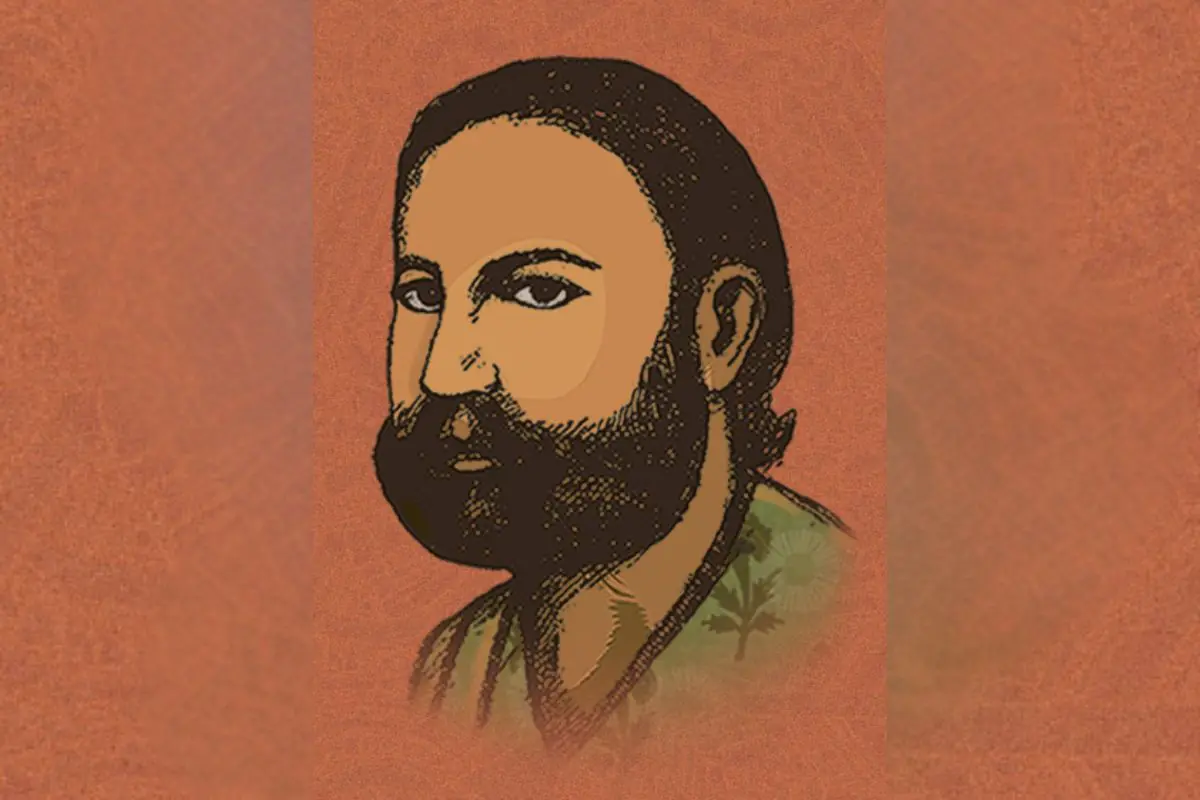
Love sat at the centre, felt as a physical thing more than an idea. One couplet asks where selflessness has taken him, since he has been waiting a long time for himself. His masnavi Mu’amlat e Ishq, The Stages of Love, remains one of the finest studies of what love gives and what it costs. Ghalib would later lift love toward abstraction, while Mir kept it earthy and close, with a beloved who was a real presence and whose absence burned like fire.
Mir also refused to be pinned down by creed. In a famous couplet, he says there is no use asking about his religion, since he wears the tilak, sits in a temple and gave up Islam long ago. Love was his faith, and his poems move between mosque and temple, tavern and shrine without any sense of contradiction. In a divided time, that openness still speaks to readers.
Mir and Ghalib, the Heart and the Mind
People have argued for two centuries over who was greater, Mir or Ghalib, and nobody has settled it. Ghalib himself left a clue. In a closing couplet, he reminds his admirers that he is not the only master of Rekhta, for they say there was once a Mir. Scholar Frances Pritchett reads this as a layered tribute, since Ghalib names Mir as the one other poet fit to stand beside him.
Ghalib lived from 1797 to 1869, so nearly a century separates the two men. Even so, he took from Mir the way a strong poet takes from a great predecessor. He absorbed the sensibility and wrote in a voice of his own. Ghalib’s heavy use of Persian suited his abstract mind, while Mir’s language stayed close to Hindustani. Critic Shamsur Rahman Faruqi has argued that Mir’s range, and his skill at building mood along with meaning, place him even above Ghalib.
Both men wrote from the wreckage of a falling world, Mir after Nadir Shah and Abdali, Ghalib after the uprising of 1857. Nargis Narang traces the chain further, from Mir to Ghalib and on to Iqbal. If Ghalib was the mind of Urdu poetry, Mir was its heart.
Hali recorded a story in which Mir hears the boy Ghalib’s verses and predicts that he will become peerless with a good teacher and talk nonsense without one. Pritchett and other scholars treat it as legend, but it shows how closely later readers felt the two poets were joined.
A Lost Grave and a Voice That Stayed
Mir died on 20 September 1810 in Lucknow, after taking too much of a purgative. He was buried there, but the marker of his grave is believed to have been removed when railway tracks were laid over the site. In the 1970s, a cenotaph went up near the likely spot, with help from Maqbool Ahmed Lari, founder of Mir Academy in Lucknow.
His work has outlived the grave. Scholars such as C.M. Naim, Ralph Russell, Frances Pritchett and Faruqi have kept it in study and in print. His couplets still turn up at mushairas, in sung ghazals and in quiet messages between friends. Narang notes that his poetry stayed relevant through the pain of Partition in 1947.
One of his most quoted lines says that every leaf and blade of grass knows his condition, and only the flower does not, while the whole garden knows. Mir’s sorrow was that the one person he most wanted to reach never seemed to hear. Our gain is the poetry that came out of it. As long as people love, lose and long, Mir will be read.
Also Read: Before the alphabet, A lesson in Hygiene, Dignity and Hope
You can connect with DNN24 on Facebook, Twitter, and Instagram and subscribe to our YouTube channel.