
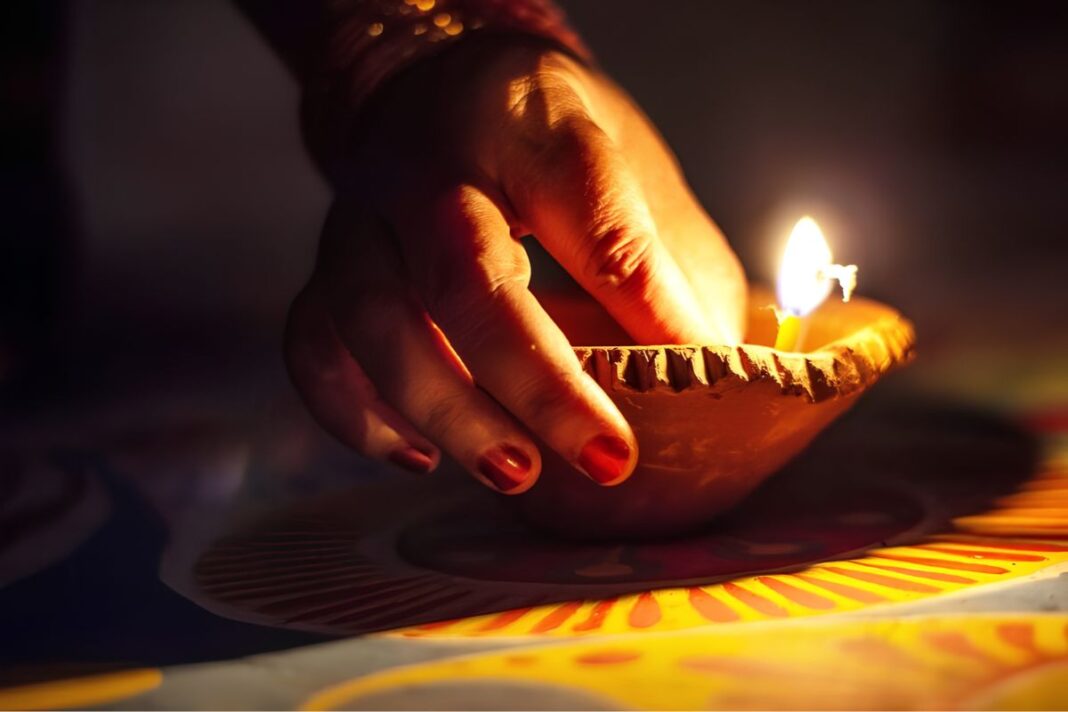

One clay lamp, a spoon of oil and a twist of cotton once did the work of an entire Diwali display. No one needed a switch, a plug, or a power cut to ruin the evening. Families cleaned the house, drew rangoli at the threshold and set small diyas along windows, courtyards and rooftops. Today the same homes glow with LED strings, paper lanterns and digital greetings. So what changed in between, and what stayed exactly where it was?
The first light
Diwali, also called Deepavali, gets its name from Sanskrit words meaning “a row of lights.” The festival runs for five days. These are Dhanteras, Naraka Chaturdashi, the main Lakshmi Puja night, Govardhan Puja or Padwa, and Bhai Dooj. Its best-known decoration is still the diya, an earthen lamp filled with oil and fitted with a cotton wick.
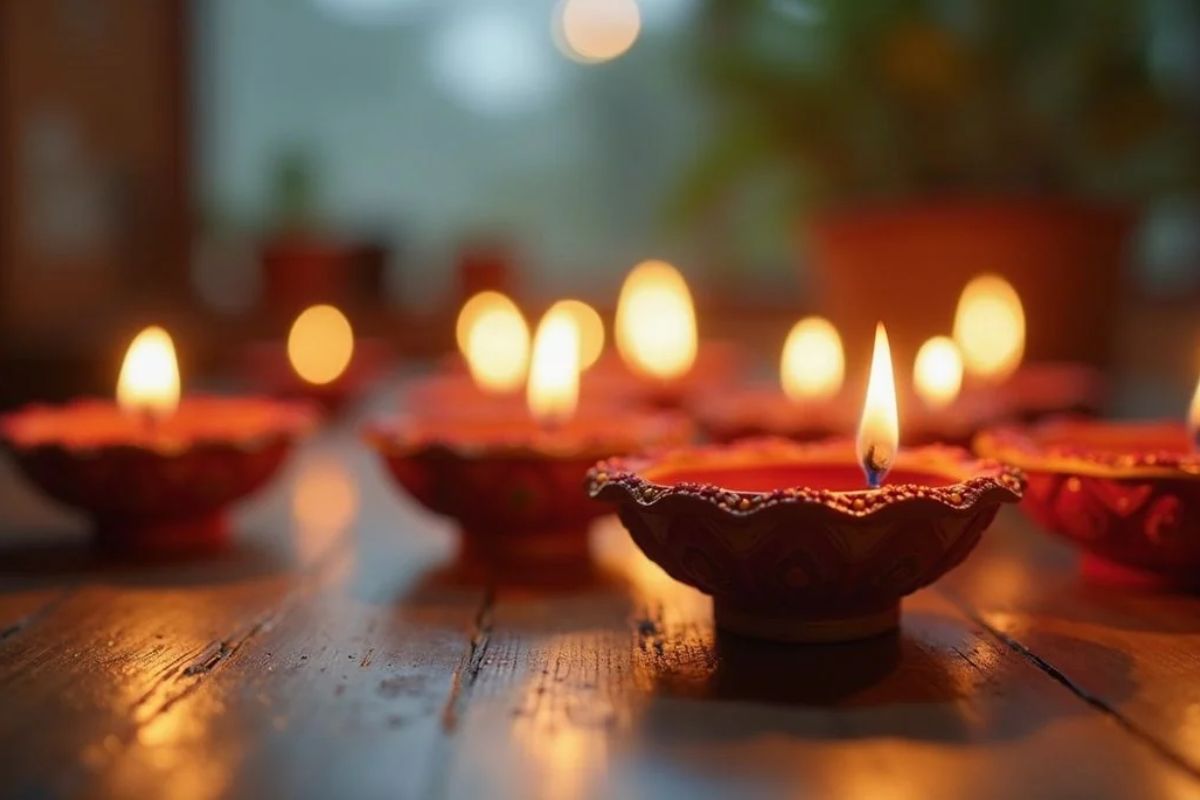
The diya did more than give light. Placed at a doorway, it welcomed guests, marked prosperity, and invited Goddess Lakshmi into a clean, orderly house. Preparation began well before the festival, with scrubbing, whitewashing and sweeping. Rangoli made of coloured powder, rice, or flower petals turned bare floors into short-lived works of art.
Old records show how deep this habit runs. The Persian scholar Al Biruni, writing in the eleventh century, noted Hindus marking the new moon day of Kartika with countless oil lamps on temples and rooftops. In the fifteenth century, the Venetian traveller Niccolò de’ Conti described temples hung with lamps and families dressed in new clothes.
One festival, several stories
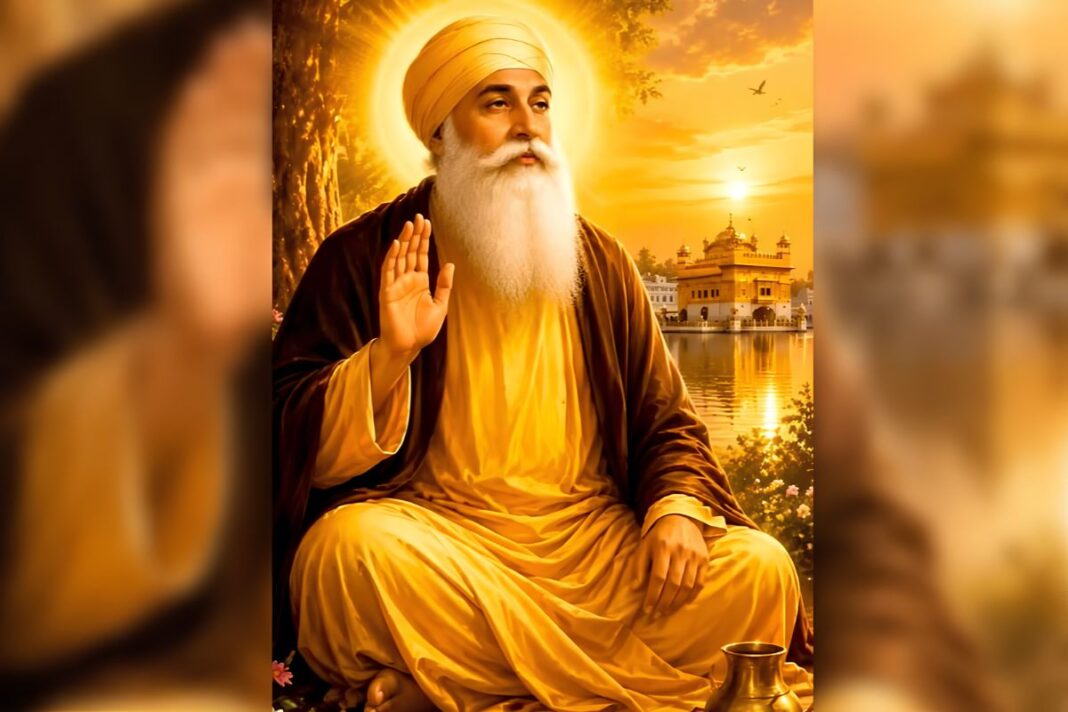
Many Hindus link Diwali to Lord Rama’s return to Ayodhya after fourteen years in exile and his victory over Ravana. People are said to have lit lamps to guide him home. Jains observe the day as the time of Lord Mahavira’s nirvana. Sikhs remember Guru Hargobind’s release from imprisonment. The stories differ, yet each one speaks of renewal, hope and the victory of righteousness.
That meaning shaped the way homes were decorated. A small flame was a lesson in itself, since even a modest light can hold its own against a large darkness. In earlier decades, people shared the work and did it by hand. Children filled the lamps with oil, elders arranged them in rows, women and girls drew the rangoli, and neighbours carried sweets across the lane. Nobody photographed the result for strangers. The display was meant for the people who walked past it.
From courtyards to electric streets
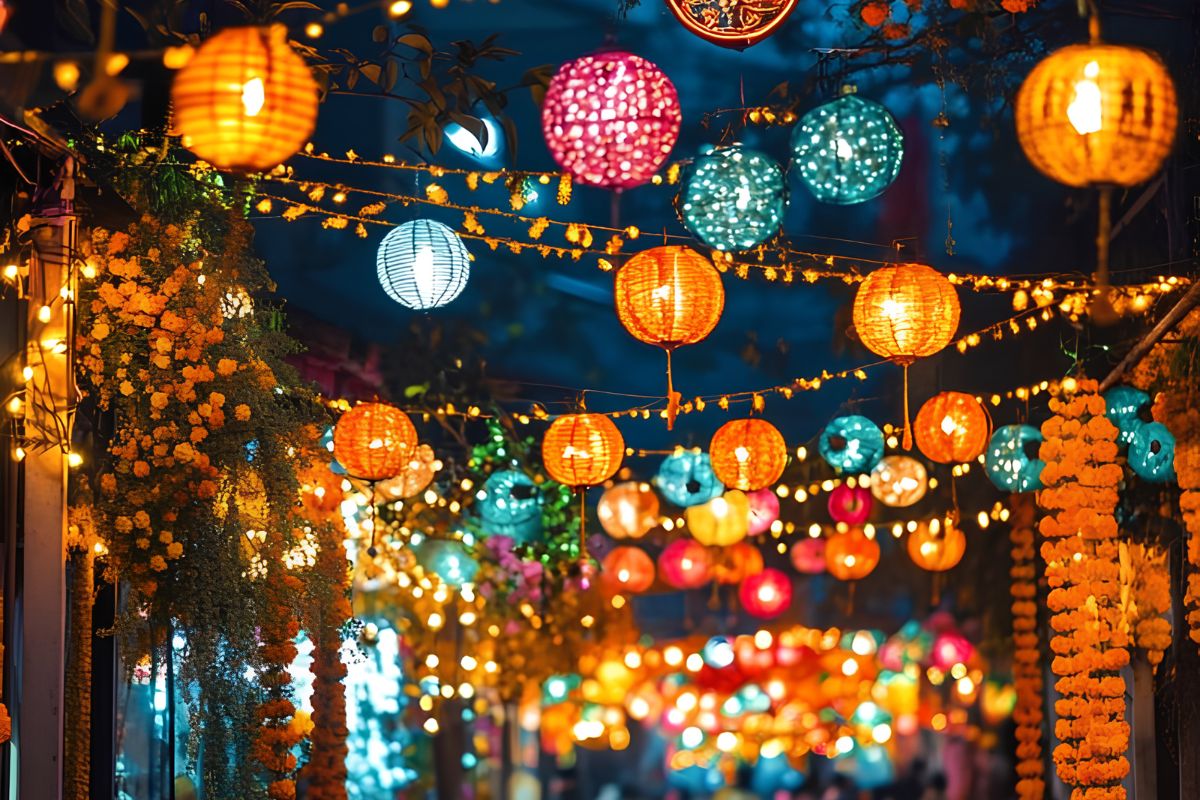
Electricity changed how Diwali looked. Bulbs let homes, shops, temples, and entire market streets stay bright for hours without anyone tending them. A grandmother who once trimmed wicks and topped up oil all evening now has a grandchild who can press a switch and watch an entire lane light up together.
Most celebrations now mix the two. Clay diyas and candles sit beside electric string lights, lanterns and fireworks. This mix suits busy families: the diya carries the ritual, while the electric light carries the spectacle.
The change reflected more than new equipment. Indian cities grew, power lines reached more homes, shops began selling ready-made decorations, and family life sped up. Decorations were quicker to put up, more elaborate, and easier to see from afar. A single balcony could now compete for attention with a whole neighbourhood, often without meaning to.
Rangoli, flowers and the question of waste
Several changes had nothing to do with electricity. Rangoli moved from rice flour, lime and natural pigments to chemical colours, stickers, stencils and packaged powders. Marigold garlands, mango leaves, banana stems, and fresh flowers remain central. Plastic flowers, synthetic torans, and factory-made lanterns now sit next to them in the market.
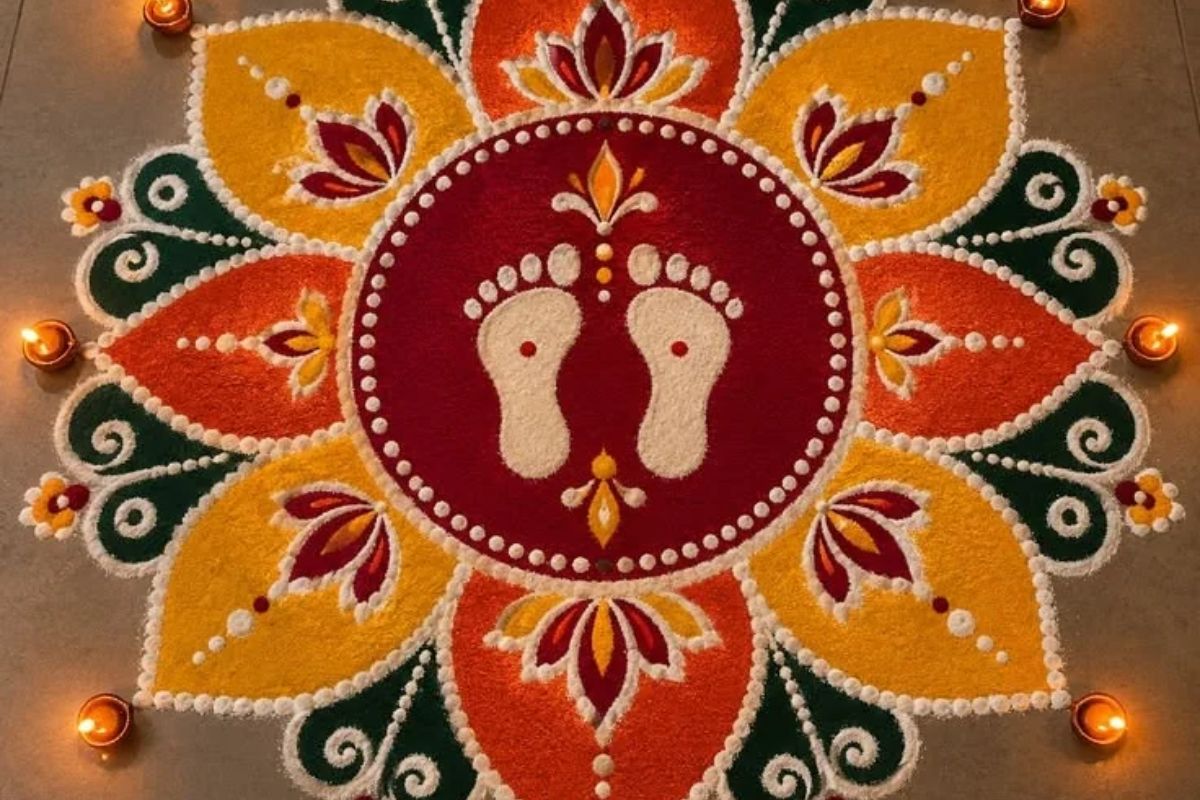
Many families have started to reverse this trend. They choose clay diyas over plastic ones, petals and natural colours for rangoli, and reusable cloth, paper or handmade ornaments. They keep modern comforts while asking the festival to leave less rubbish behind. Decorations that end up in a bin the next morning have a short life, and more households are starting to notice.
Fireworks, the loudest argument
No decoration has changed Diwali as sharply as the firecracker. It was once a small part of the celebration. For many city families, it became the loudest sign of festivity, and its cost to the air has pushed a generation to rethink it.
A study of Delhi found that burning firecrackers on Diwali caused a statistically significant rise in PM2.5 pollution, with levels climbing steeply in the hours after celebrations began. Over two days, the study estimated an added average of about 40 micrograms per cubic metre. Particles this fine travel deep into the lungs and can worsen asthma, heart disease and other breathing problems.
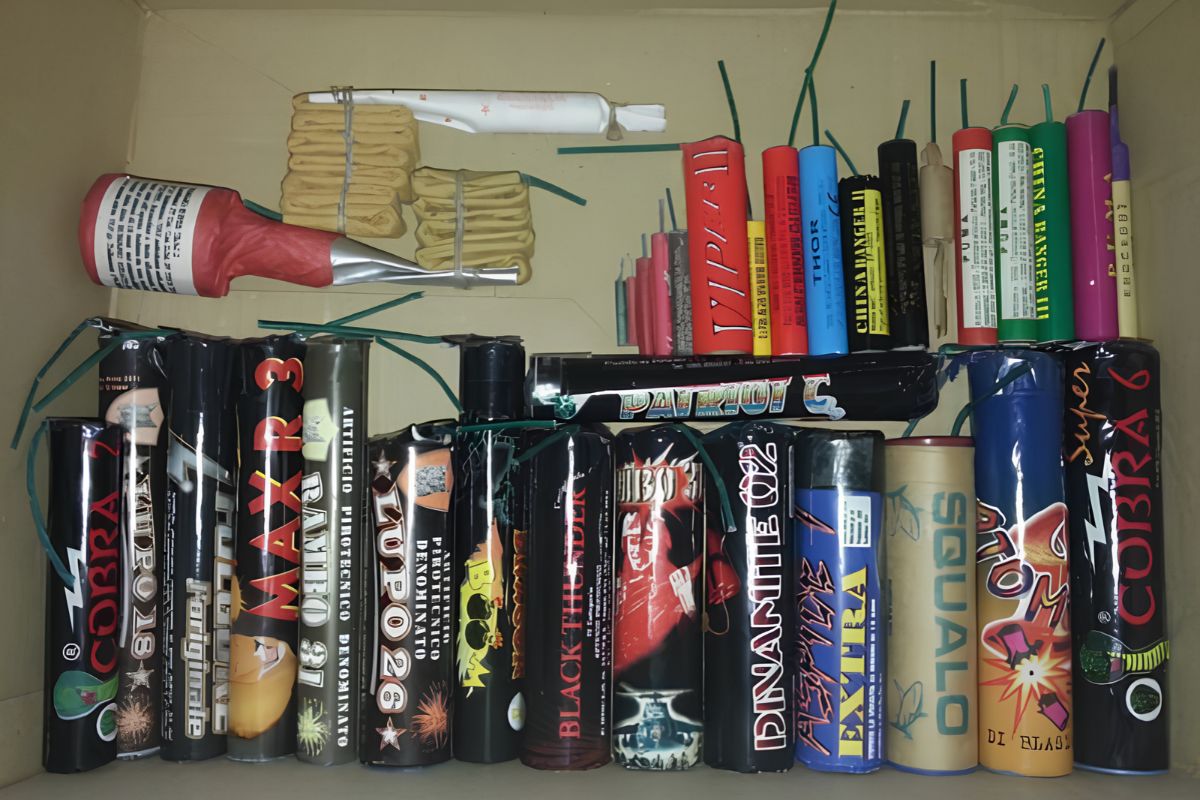
The Supreme Court’s 2018 judgment in Arjun Gopal v. Union of India marked a turning point. It restricted conventional firecrackers, banned those containing barium salts, and allowed only approved green crackers that produce less smoke and noise. In 2025, the Court permitted limited use of authorised green crackers in Delhi and the National Capital Region for a restricted period, with QR code verification required.
Green crackers carry their own cost. Reported estimates put their emissions at roughly 30 to 50 per cent below those of conventional fireworks. Even so, Delhi’s air reached hazardous levels after Diwali in 2025, with PM2.5 far above World Health Organisation guidance. A cleaner cracker is still a cracker, and the city’s sky showed it.
The newest look
Diwali decoration today is a conversation between generations. A brass diya inherited from a grandmother may stand beside a strip of LED lights ordered online. A rangoli drawn with petals in the morning may be photographed by evening and sent to the family group. Video calls and online shopping let relatives in different cities and countries share the same evening.
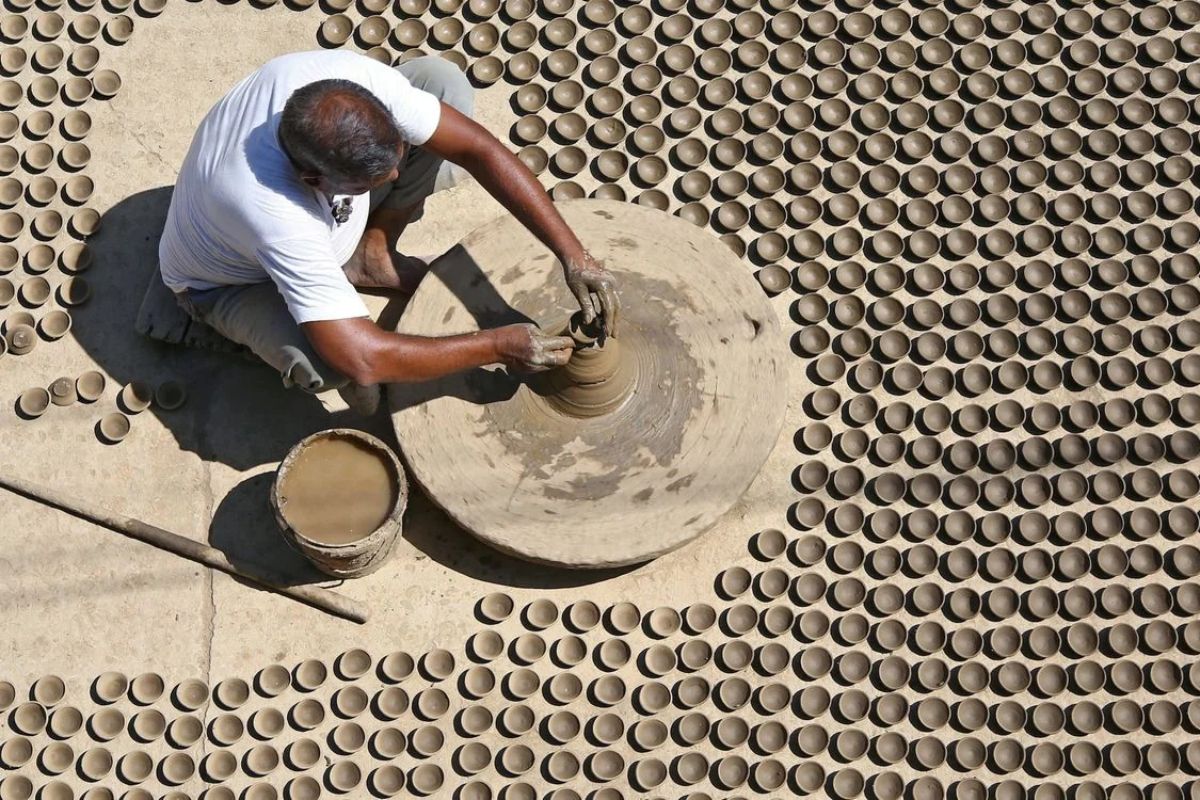
Many families are also slowing down. They buy diyas from local potters, use natural colours and seasonal flowers, light lamps together as a community and keep the noise low. These habits bring back something the festival has always known: beauty can be made without waste, and brightness can be quiet.
What stays the same
Decorations have moved from oil and cotton wicks to electricity, from hand-drawn floors to glowing screens, from shared courtyards to calls between continents. Diwali’s deeper decoration has always been the one nobody can buy. It is a cleaned home, a shared meal, an open doorway, and a lamp lit for someone still on the road.
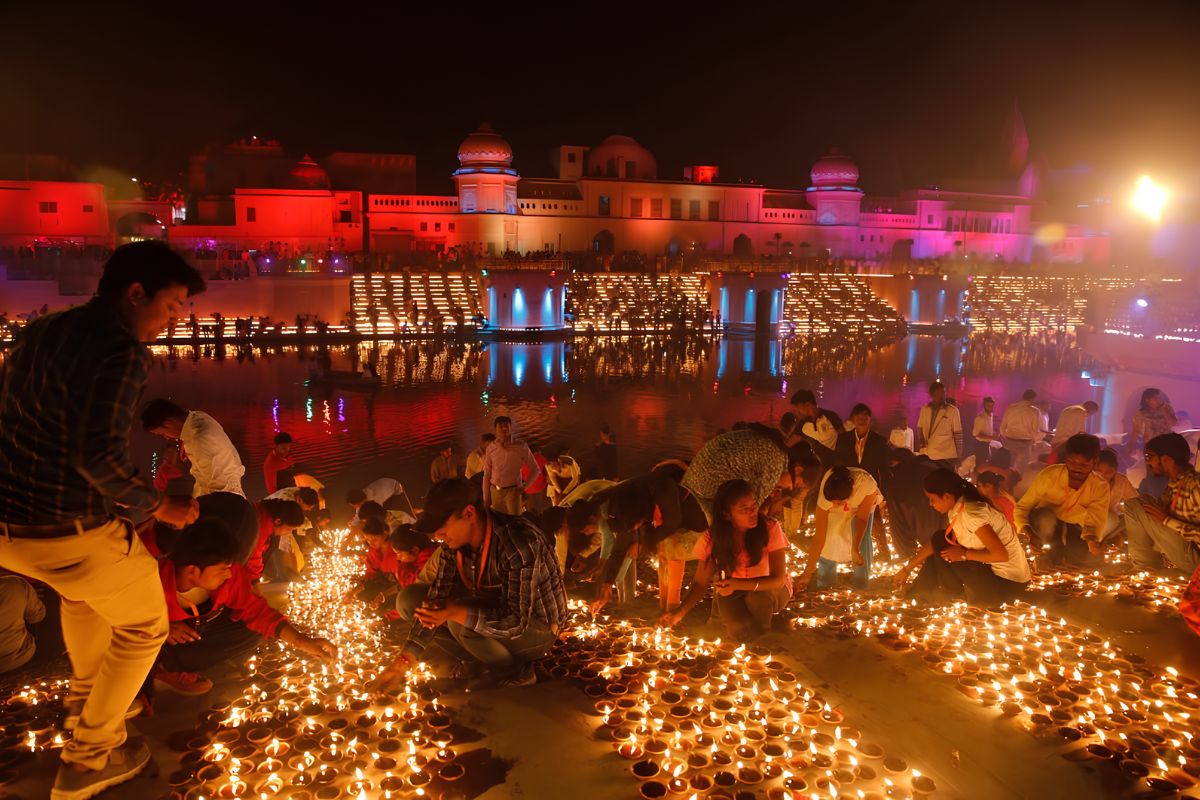
The clay diya still matters because its small flame carries the festival’s oldest lesson. Electric lights can make Diwali brighter, and the diya gives it meaning. In every generation, the best decoration is the one that sends people back into the world after the festival night, ready to carry a little light with them.
Also Read: India’s Traditional Puppeteers: Carrying History and Entertainment From Village to Village
You can connect with DNN24 on Facebook, Twitter, and Instagram and subscribe to our YouTube channel.