
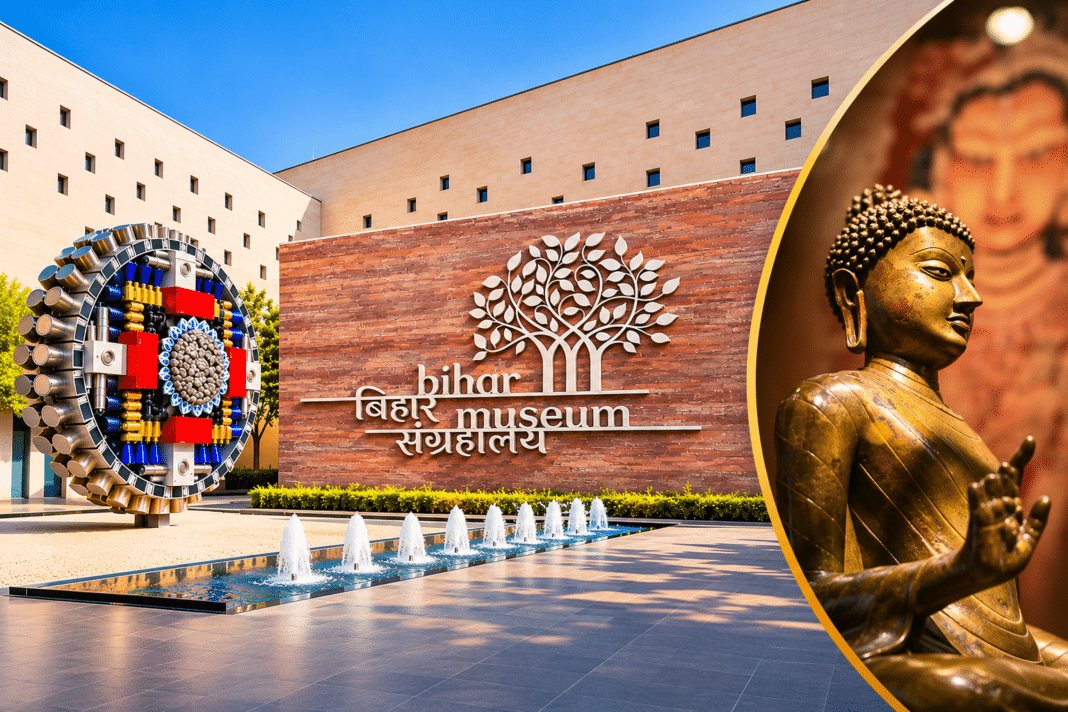

The Bihar Museum was recently named the ninth-best museum in the world, and many people are still asking how a museum in Patna managed it. The answer involves an overcrowded old building, a Pritzker Prize-winning architect, and a very old sandstone statue.
A Ranking That Turned Heads
The travel guide ‘Worth a Journey’ placed the Bihar Museum at ninth position in its 2026 list of the world’s 100 best museums and first among Asian museums. Many internationally famous institutions rank below it, which is extraordinary for a state museum in eastern India.
The honor also shows that Bihar, known for ancient universities, empires, and spiritual movements, can build institutions that keep that legacy with confidence, beauty, and scholarship.
The Old Museum That Ran Out of Room
The Patna Museum, established in 1917, collected roughly 40,000 objects but could display only a fraction of these. The Bihar government, therefore, planned a modern, spacious, state-of-the-art museum to present Bihar’s heritage to the world.
Construction began in Patna in 2013. The children’s museum, the entrance area, and the orientation theatre opened in August 2015, and the remaining galleries followed in October 2017. The museum stands on Bailey Road, now Jawaharlal Nehru Marg, in the city center.
It tells Bihar’s story from the earliest civilizations through 1764. It also celebrates folk traditions, regional art, the Bihari diaspora, and contemporary creativity.
A Campus Built by a Famous Name
An international competition chose the design, and globally renowned firms took part. The winner was Maki & Associates, the firm of the Japanese architect Fumihiko Maki, working with Opolis of Mumbai.
The architects planned a low campus of linked buildings, courtyards, terraces, and landscaped open spaces. It respects Patna’s surroundings and lets visitors move naturally between history, art, and nature. The site covers about 5.6 hectares (more than 13 acres), with a built area of around 24,000 square meters.
The exterior uses weathering steel, stone, terracotta, and glass. These materials connect Bihar’s historic achievements in metallurgy with its modern identity.
Inside the Calm, Layered Interior
The interior works as a journey through Bihar’s history. Dark, focused exhibition halls alternate with light-filled courtyards. The architects divided the museum into zones for entrance, education, exhibition, and administration, and seven interior and exterior courtyards and corridors connect them.
The design borrows a Japanese idea called oku, which means spatial depth and layering. Visitors pass through cloisters, courtyards, and transitional spaces before they reach the major exhibits. That builds anticipation and keeps the visit unhurried.
Stone, terracotta, and glass run through the complex. Kota stone, granite, terrazzo, rubber tiles, carpet, and wood cover the floors. The walls use white sandstone, plaster, wood paneling, and paint. Corten steel stands out at the entrance and in the gallery areas, giving the place a dignified, earthy character.
Natural light matters too. Recessed openings and modern versions of the traditional jali screen filter daylight and reduce heat. Vertical windows, wall punctures, and roof light wells bring diffused daylight into stairs and passages while protecting artifacts from direct sun.
The Waterfall Court, the Peepal Court, the Amphitheater, and the Niranjana Courtyard, which holds a meditative Buddha setting, connect the galleries to the landscape. The design preserved existing trees, and the spaces remind visitors that heritage lives in light, landscape, silence, and shared public space.
Large immersive halls alternate with small display areas, which prevents visual fatigue. Overall, the design balances heritage, comfort, and discovery. Stone and terracotta recall the past, courtyards and jali screens respond to the local climate, and layered circulation turns a visit into a slow journey through civilization.
Ten Galleries to Walk Through
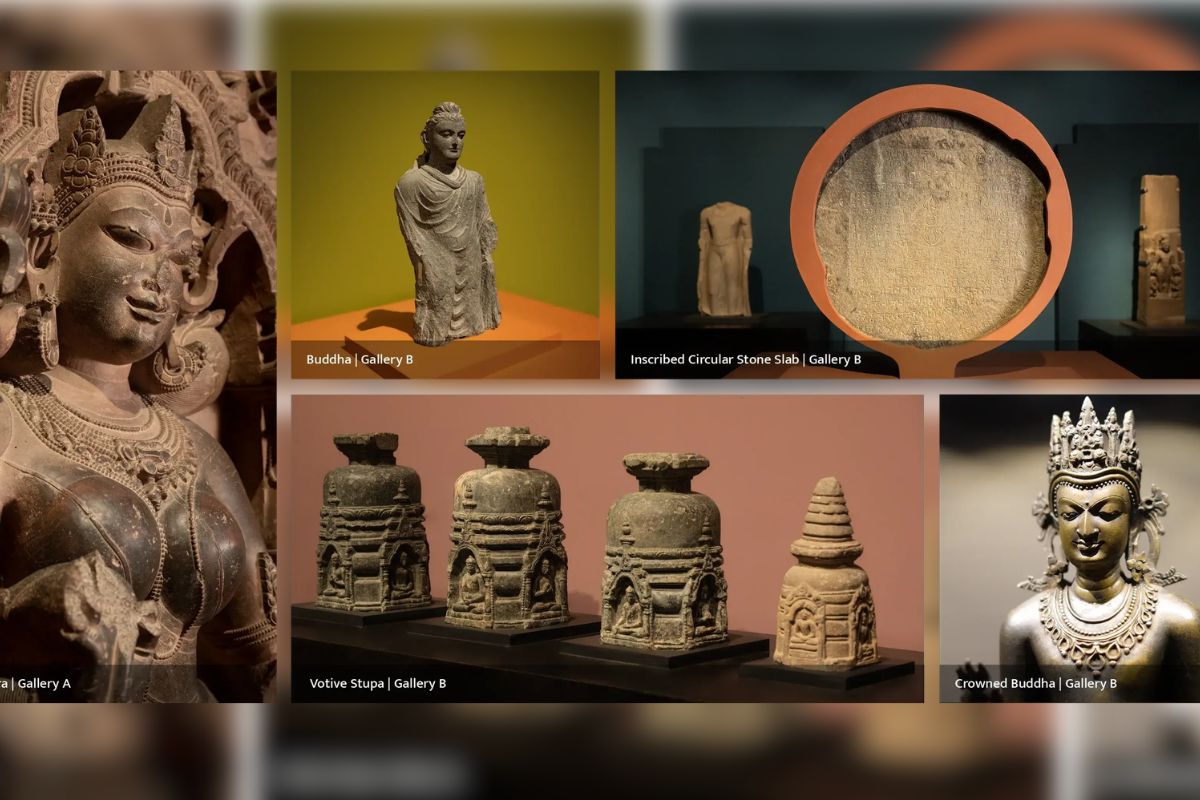
The museum has ten main galleries. The official website lists them as the Orientation Gallery, Galleries A, B, and C, the History Art Gallery, the Regional Art Gallery, the Diaspora Gallery, Visible Storage, the Children’s Gallery, and the Contemporary Art Gallery. The permanent galleries run chronologically, from prehistoric cultures through the Mauryas, Guptas, Palas, Sultanates, Mughals, and the British period.
The Orientation Gallery introduces the museum’s themes, and a short film in the orientation theatre explains how archaeologists and historians interpret the past.
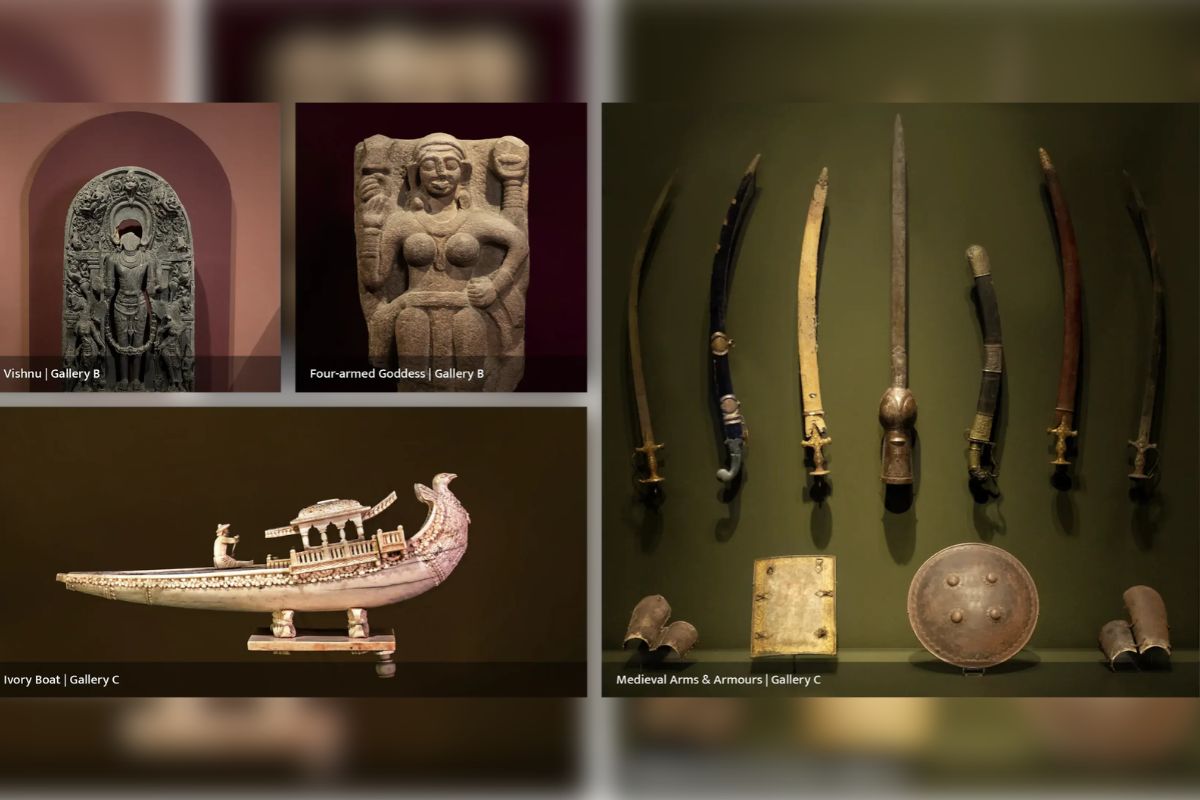
Gallery A covers the Indus Valley civilization, the rise of the Mauryan dynasty, Ashoka’s reign, and the emergence of Buddhism and Jainism. Gallery B follows the Shungas, the Kushanas, the Gupta Empire, Mahavira, and the Palas through their art and archaeology. Gallery C takes in the Bihar, Delhi, and Bengal Sultanates, the Nawabs of Bengal, Sufism, Sikhism, and the celebrated Patna School of Painting.
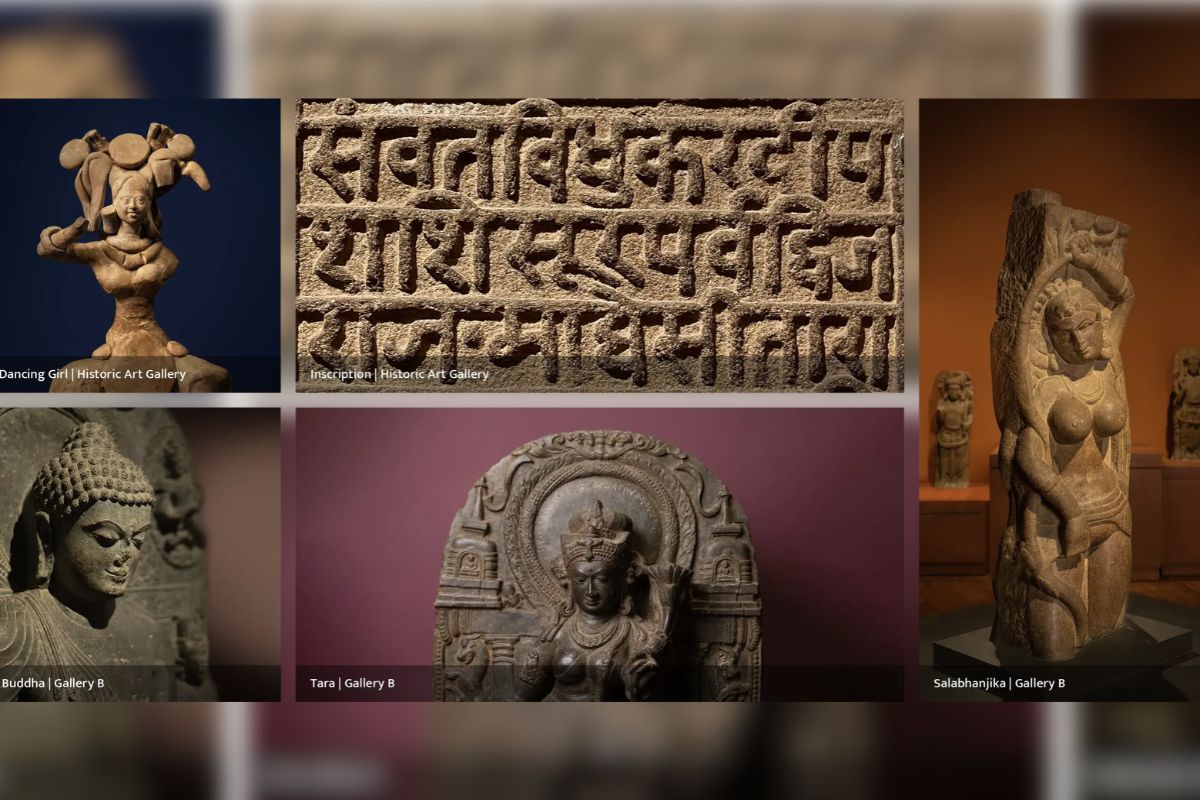
The History Art Gallery holds the Didarganj Yakshi, Daniell prints, Hindu deity images, and medieval miniature paintings. The Regional Art Gallery shows Bihar’s living craft traditions and folk culture, handed down through generations. The Contemporary Art Gallery shows eminent modern Indian artists.
The Diaspora Gallery tells how people from Bihar carried their skills, labor, culture, and identity across the world, and gives global recognition to Bihari communities abroad. Visible Storage lets visitors see coins from early punch-marked currency to medieval money, along with terracotta artifacts and sculptures, in an open and educational display.
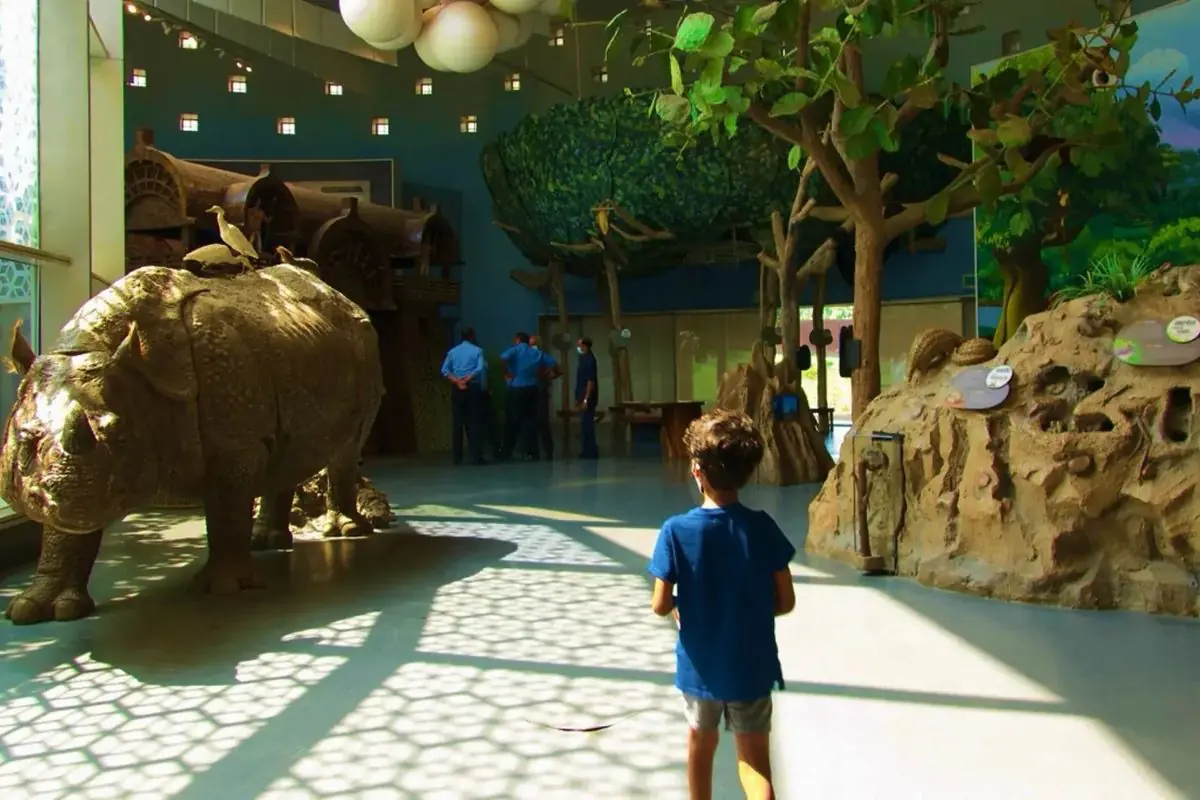
The Children’s Gallery is brighter, more playful, and more interactive. It has six zones: an Orientation Room, a Wildlife Sanctuary, sections on Chandragupta Maurya and Sher Shah Suri, Arts and Culture, and Discovery. Murals, artificial landscapes, animal displays, and hanging installations make history, wildlife, science, folk art, and culture easy for young visitors to enjoy.
Artifacts Worth Finding
According to its official website, the museum houses more than 30,000 artifacts, among them sculptures, coins, terracotta works, bronzes, paintings, and Buddhist and Jain art.
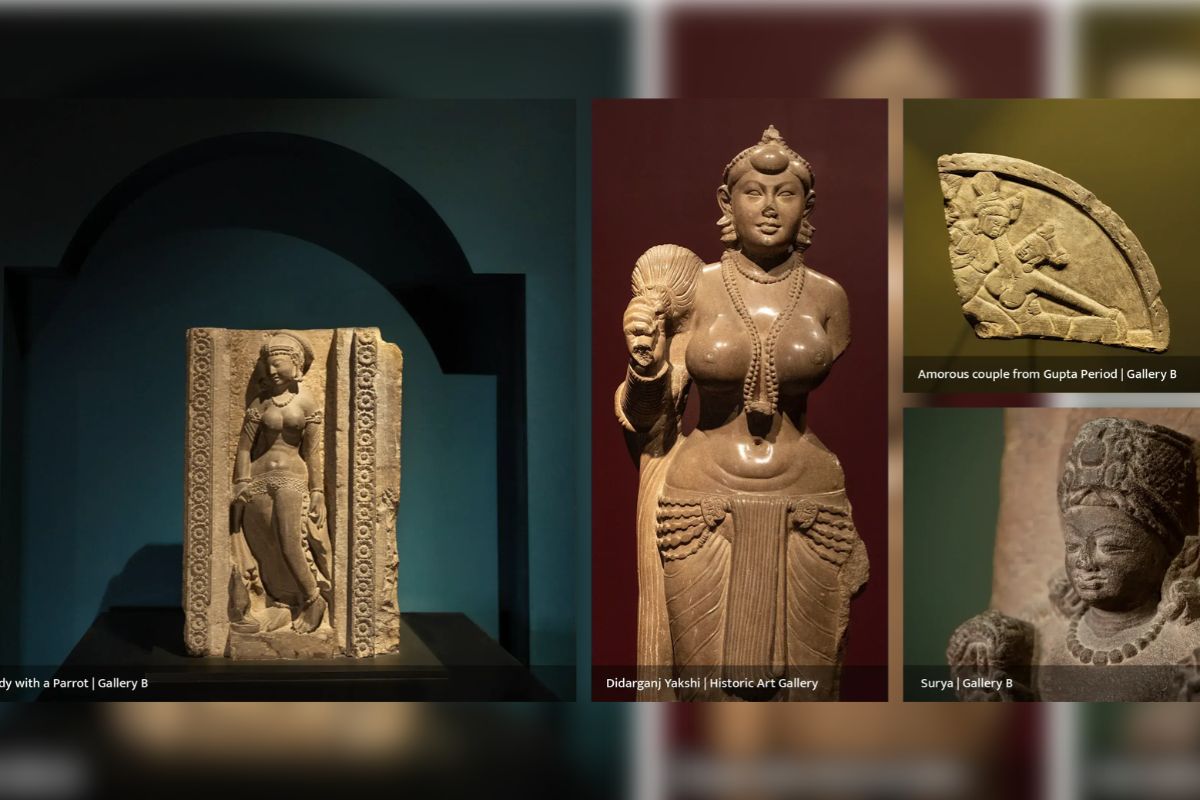
If you have limited time, see the Didarganj Yakshi first. This life-size sculpture of the Mauryan period, also called the Chauri Bearer, stands about five feet two inches tall and is carved from highly polished Chunar sandstone. It holds a chauri, a ceremonial fly whisk, and was discovered in 1917 at Didarganj near the Ganga, close to Patna. Many regard it as one of the finest surviving sculptures of early India. Its polished surface, graceful form, and Mauryan origin make it an essential example of ancient Indian sculpture. It shows the dignity of feminine power and the excellence reached in Magadh more than two thousand years ago. It is the museum’s most prized exhibit.
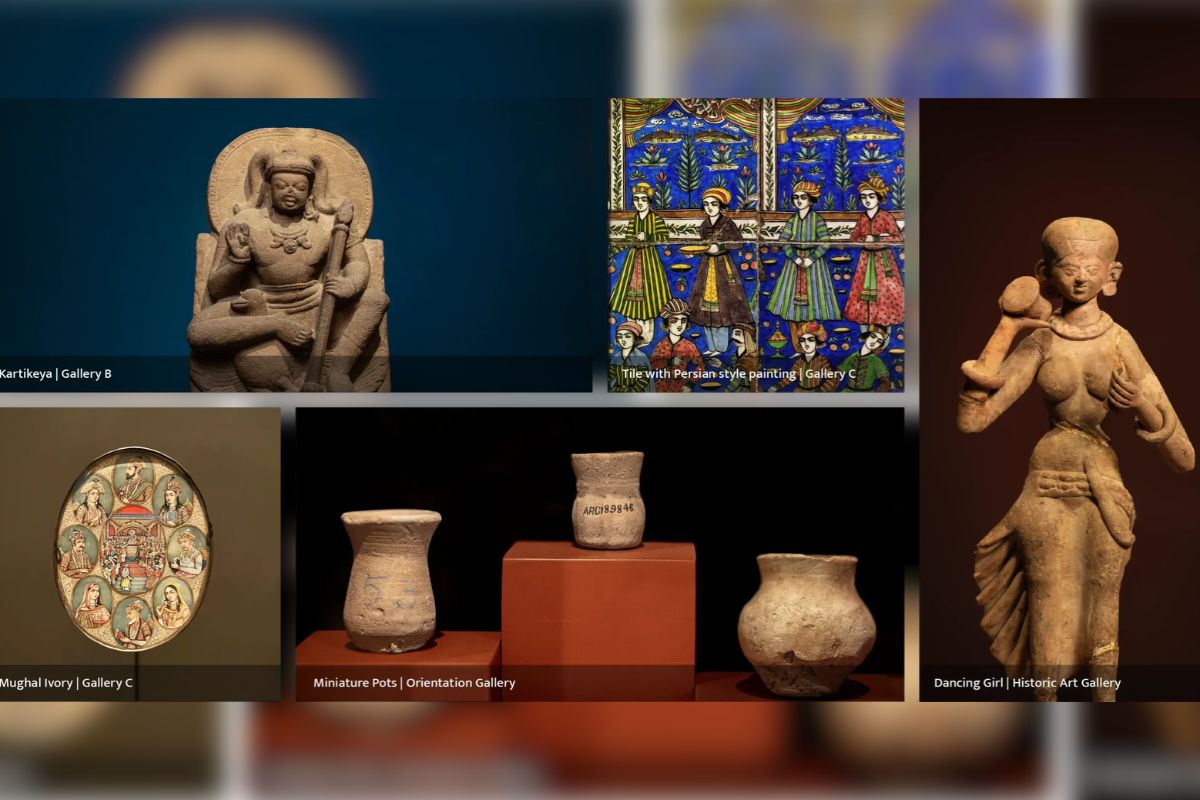
The Mauryan Smiling Boy in the History Art Gallery reflects the era’s polished craftsmanship. A life-size Ashokan pillar and other Mauryan relics connect visitors to Emperor Ashoka and the spread of Buddhism. Buddhist and Jain sculptures run from the Mauryan period onward, including works tied to the rise of both religions in Bihar. Pala sculptures and bronzes in Gallery B and the History Art Gallery show Bihar’s major role in Buddhist art and learning.
Gupta coins appear with animated projections that explain the dynasty’s economy and imagery. Terracotta figures and objects from sites across Bihar show everyday and artistic traditions. The History Art Gallery also holds Patna School paintings, medieval miniatures, and Daniell prints, which give evidence of Bihar’s later artistic culture. Seals linked to Nalanda and to the Harappan tradition connect Bihar’s scholarly past with the wider ancient world.
Planning Your Visit
The galleries open from 10:00 AM to 5:00 PM and stay closed on Mondays. Begin at the Orientation Gallery, follow Galleries A, B, and C in order, then visit the History Art Gallery for the Yakshi. After that, explore the Regional Art, Diaspora, and Contemporary Art galleries. Families should keep time for the Children’s Gallery.
Why the Recognition Matters
The ranking signals that a museum in Patna can meet international standards in architecture, curation, conservation, education, and visitor experience. It challenges the old assumption that world-class cultural infrastructure must exist only in metropolitan capitals.
The museum also turns memory into confidence. It tells young people in Bihar that their state gave the world the ideas of the Buddha and Mahavira, the power of the Mauryan and Gupta empires, the intellectual legacy of Nalanda, and an artistic tradition that continues to evolve. Heritage, preserved thoughtfully and presented boldly, becomes a source of identity, education, and national pride.
The Bihar Museum invites every visitor to see Bihar as one of the great centers of human civilization. When a state honors its roots, the world takes notice.
Also Read: India’s Traditional Puppeteers: Carrying History and Entertainment From Village to Village
You can connect with DNN24 on Facebook, Twitter, and Instagram and subscribe to our YouTube channel.