
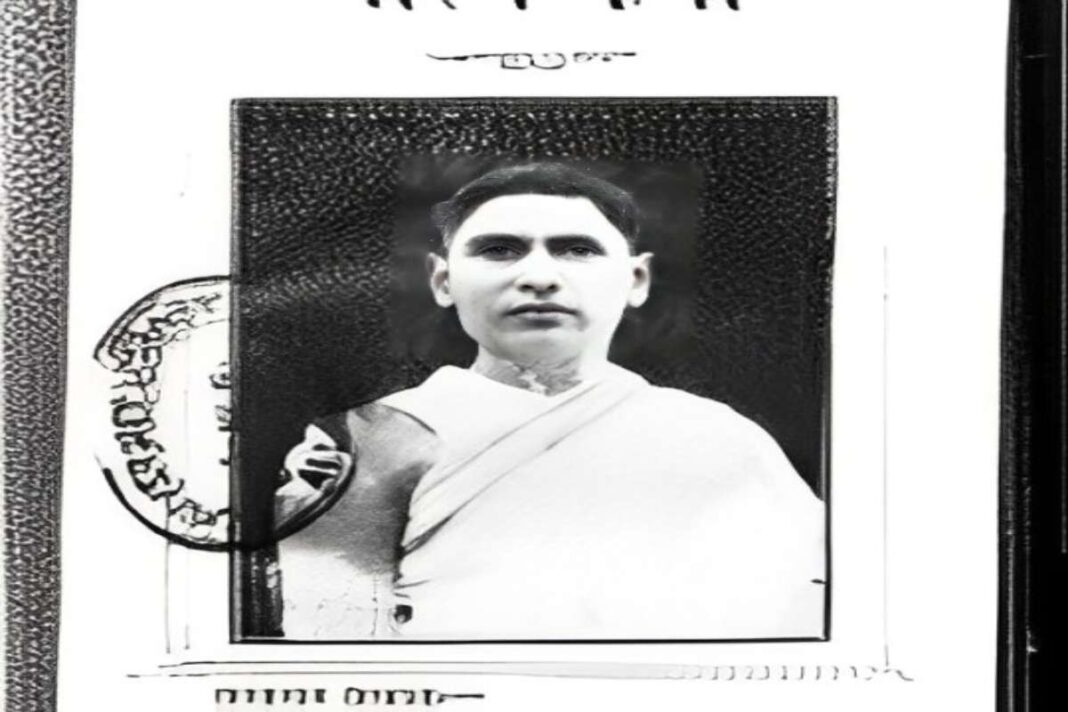

Satyabhakta, an influential Indian thinker, challenged the notion of Hindu-Muslim conflict through his writings and ideas. He believed that the antagonism between these communities was artificial and could be overcome. His thoughts, which inspired many Indians during difficult times, remain relevant today in the face of religious discrimination.
Debunking Differences
- Satyabhakta addressed several perceived differences between Hindus and Muslims that were often blamed for causing conflict:
- Idol Worship: He argued that both communities have varying practices regarding idol worship. Some Hindu sects oppose it, while some Muslim practices resemble a form of idol worship. Satyabhakta concluded that neither Hindus nor Muslims are truly idol worshippers.
- Meat Eating: He pointed out that many Hindus, including some upper castes, eat meat. Therefore, dietary habits cannot be a valid reason for discrimination between the two communities.
- Monotheism vs. Polytheism: Satyabhakta explained that Hindus, like Muslims, believe in one God but recognise multiple incarnations or messengers. Similarly, Muslims respect numerous prophets of the same God.
Historical Context and Unity
Satyabhakta drew parallels with past conflicts, such as between Aryans and non-Aryans, which were eventually resolved. He emphasised that despite cultural differences, these groups coexist as one society and nation.
He urged Indians to overlook superficial differences to achieve unity. Satyabhakta’s message was clear: the perceived conflicts between Hindus and Muslims are based on misunderstandings and can be resolved through better understanding and mutual respect.
Satyabhakta’s ideas continue to offer valuable insights for promoting communal harmony in India. By addressing common misconceptions and highlighting shared beliefs, he provided a framework for building unity among diverse religious communities. His message of looking beyond surface-level differences remains crucial in today’s world, where religious discrimination persists.
For detailed story, please visit: Awaz the voice
Also Read: The Sacred Pause: Lord Jagannath’s Rath Yatra and the Mazar of Salabega
You can connect with DNN24 on Facebook, Twitter, and Instagram and subscribe to our YouTube channel.