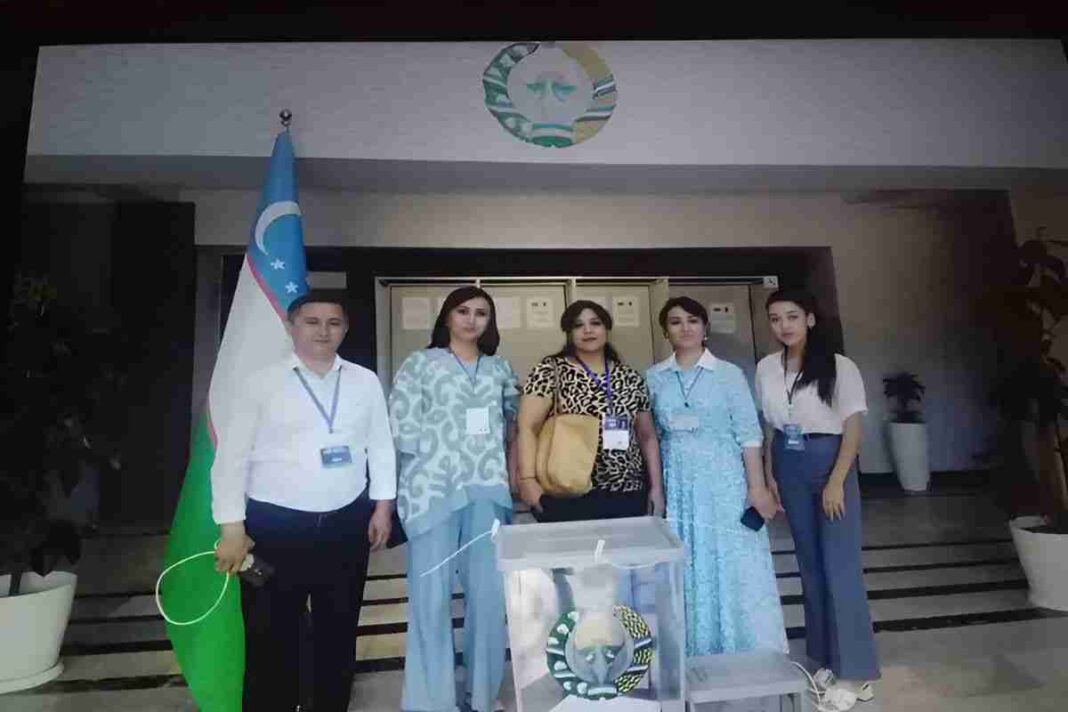

In a remarkable departure from traditional interpretations of Islamic dress codes, the Grand Mufti of Uzbekistan, Nuruddin Kholiknazarov, recently asserted that Islam, at its core, does not prescribe a rigid dress code. He emphasized that the faith’s essence transcends attire and appearance, quoting Prophet Muhammad: “Verily, Allah does not look at your appearance or wealth.
Islam is sent to all humanity.” This progressive stance reflects Uzbekistan’s endeavour to maintain its distinctive national identity alongside its Muslim heritage.
Uzbekistan, a Muslim-majority nation with a rich Islamic legacy, has a history of religious tolerance and a softer interpretation of Islam, shaped by diverse cultures traversing the ancient Silk Route. Soviet rule, though detrimental to spiritual practice, could not extinguish faith from the hearts of its people. The post-independence era witnessed Uzbekistan’s ardent efforts to counter radicalization and uphold secular values while allowing the resurgence of religious expression.
Uzbekistan’s progress stands out due to women’s significant role in diverse sectors, from politics to academia, industry, and the arts. This contrasts sharply with neighbouring Afghanistan, where girls face obstacles in accessing education. Women’s empowerment in Uzbekistan can be attributed to its intricate historical background.
After gaining independence from the USSR, the nation confronted radicalization fueled by the Afghan jihad and the Taliban’s rise. Despite international criticism, Uzbekistan persevered, supported by its citizens who sought a connection with their pre-Soviet roots while preserving secular laws.
Today, Uzbekistan boasts impressive developments—modern infrastructure, higher literacy rates, expanding universities, and economic growth. Women contribute significantly to this progress, with a 40 per cent workforce participation rate.
Uzbekistan’s unique blend of Islam, democracy, and gender equality is a beacon of coexistence and progress. The nation’s embrace of personal freedom, where women can choose their attire and experiment with fashion, reflects the democratic spirit of Uzbek society. As Uzbekistan matures as a state, its President, Shavkat Mirziyoyev, promotes religious freedom and dialogue, reaffirming that faith can coexist with democracy in this Muslim-majority nation.
For a detailed story, please visit: Awaz the voice
Also Read: India’s Global Leadership: G-20 and Development
You can connect with DNN24 on Facebook, Twitter, and Instagram and subscribe to our YouTube channel.