
Kehwa, a traditional Kashmiri beverage infused with cardamom and cinnamon, is an iconic drink served in a Somavar, embodying Kashmir’s culinary heritage. Kehwa is a prime example of the commercialization and inauthenticity permeating Kashmiri cuisine. While it enjoys widespread popularity, another unique Himalayan tea – pink salt tea – caters to more adventurous palates. In its royal iteration, saffron strands and slivered almonds elevate the experience.
During festivals, especially in winter, friends and neighbours gather to savour ‘Kashmiri Kehwa,’ eagerly anticipating its return. Kehwa has become intertwined with Kashmiri identity in our diverse society.
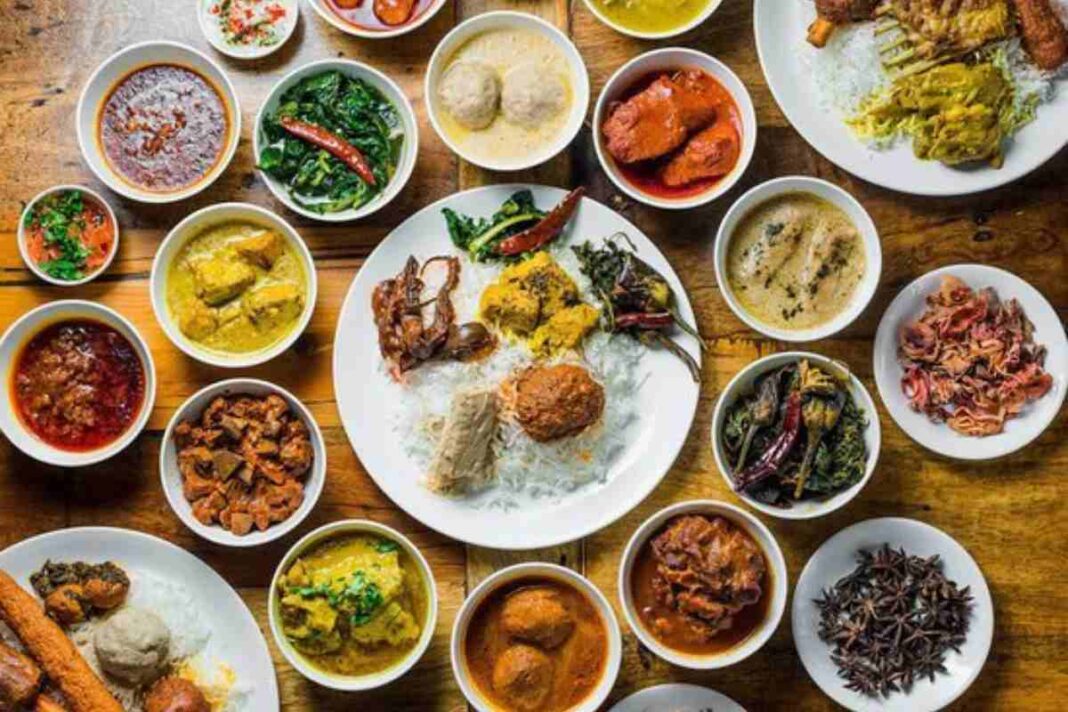
In restaurants across Kashmir, Wazwan reigns supreme – a multi-course mutton-chicken-rice feast. Interestingly, the lamb for Wazwan is sourced from Rajasthan due to local supply constraints. Surprisingly, Kashmir boasts the highest per capita meat consumption in India.
Like Bihar’s Litti Chokha and South India’s Dosai-idli, Kashmir boasts a rich culinary tradition rooted in local ingredients. Simple yet delectable dishes like Haakh-rice symbolize the ordinary person’s affordable and beloved food.
Yet, Kashmiri delicacies like Nadur Churma (lotus stem fritters) remain largely unserved in restaurants. Nadur Pakora and various traditional curries should be added to tourist menus. Locally grown coarse rice is a rarity in most eateries, replaced by fake Basmati.
Kashmir’s culinary culture appears entrenched in a feudal and elitist mindset, failing to embrace the ordinary person’s food. While Wazwan is renowned, it’s typically prepared by specialized cooks and isn’t representative of everyday Kashmiri cuisine.
Kashmir’s fish dishes, featuring lotus stems, radish, and knol knol, are underrepresented in restaurants. Only roadside eateries at Wular Lake offer fried fish despite its flavorful appeal.
As India celebrates culinary diversity, Kashmir’s authentic flavours deserve recognition, allowing tourists to savour Dal masala, nadir Monae, and other regional delights during their visits.
For a detailed story, please visit: Awaz the voice
Also Read: India’s Global Leadership: G-20 and Development
You can connect with DNN24 on Facebook, Twitter, and Instagram and subscribe to our YouTube channel.