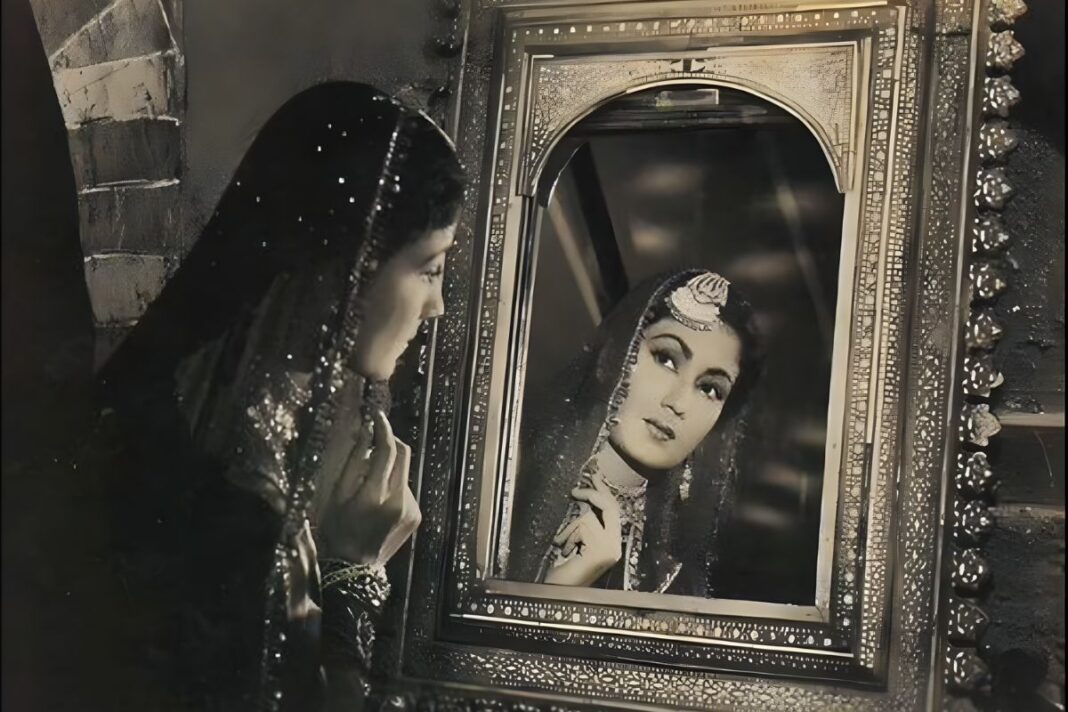

Meena Kumari lived the sorrow she portrayed. It followed her beyond the camera, into love and loneliness. In August 1932, a penniless father carried home a child destined for cinema’s most profound heartbreak.
When survival replaces childhood
Most children at four years old are learning nursery rhymes and playing with toys. Mahajabeen, the girl who would become Meena Kumari, was already earning wages under studio lights. Her family needed money to eat, and childhood is a luxury poverty does not permit. She entered the film world as Baby Meena, carrying the burden of her family’s survival on shoulders far too small for such a weight.
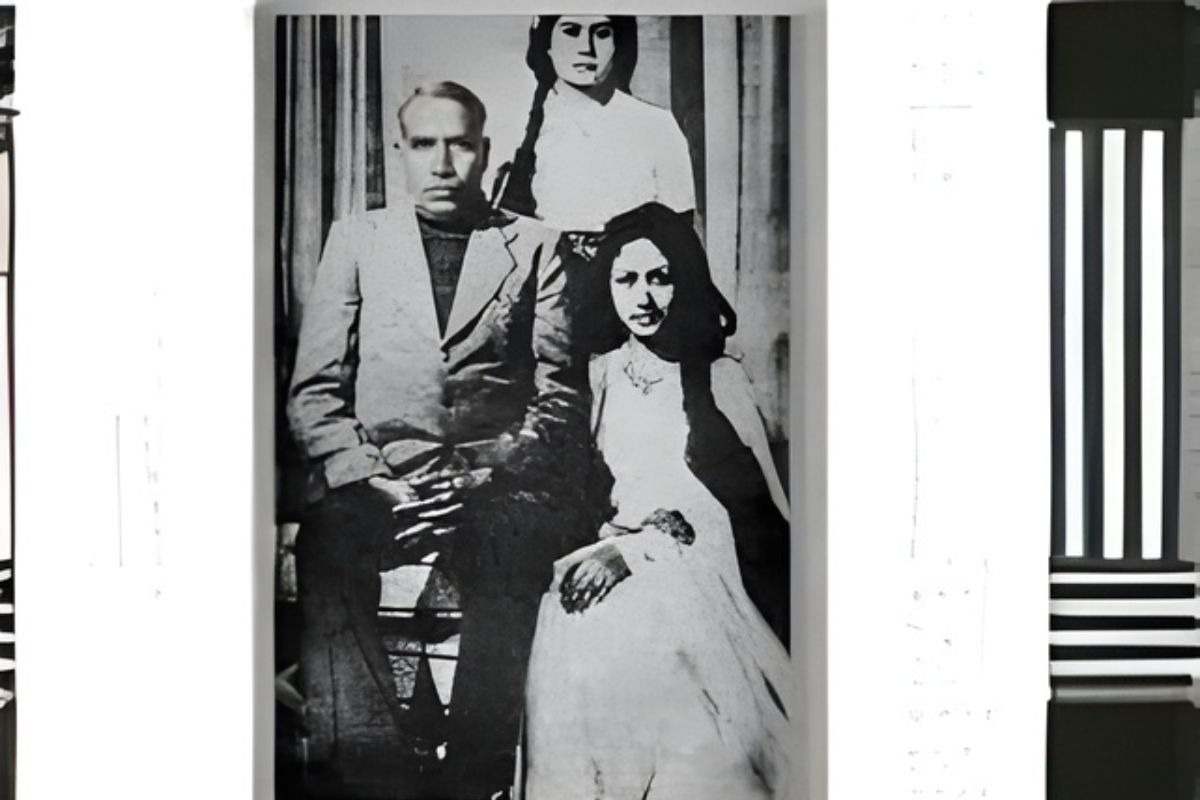
Her first film was Farzand-e-Hind. The money kept her family from starvation. Night after night, she worked while other children slept. The medieval poet Kabir wrote at 96 that after a lifetime of searching for God, all he truly saw was bread. Meena Kumari understood this truth before she turned five. She moved through childhood roles like a shadow passing across a wall: Lal Haveli, Anmol Ratan, Sanam, Tamasha. Always working, always carrying the family, never allowed to be a child simply. Baby Meena became Meena Kumari before she had time to be young.
The year everything changed for Meena Kumari
Baiju Bawra arrived in 1952. The film transformed her from a working actress into a star. Critics praised her performance. Audiences wept in theatres. Directors who had never noticed her before now called her for roles. In Bombay, being somebody meant people turned their heads when you entered a room, and Meena Kumari had become somebody.
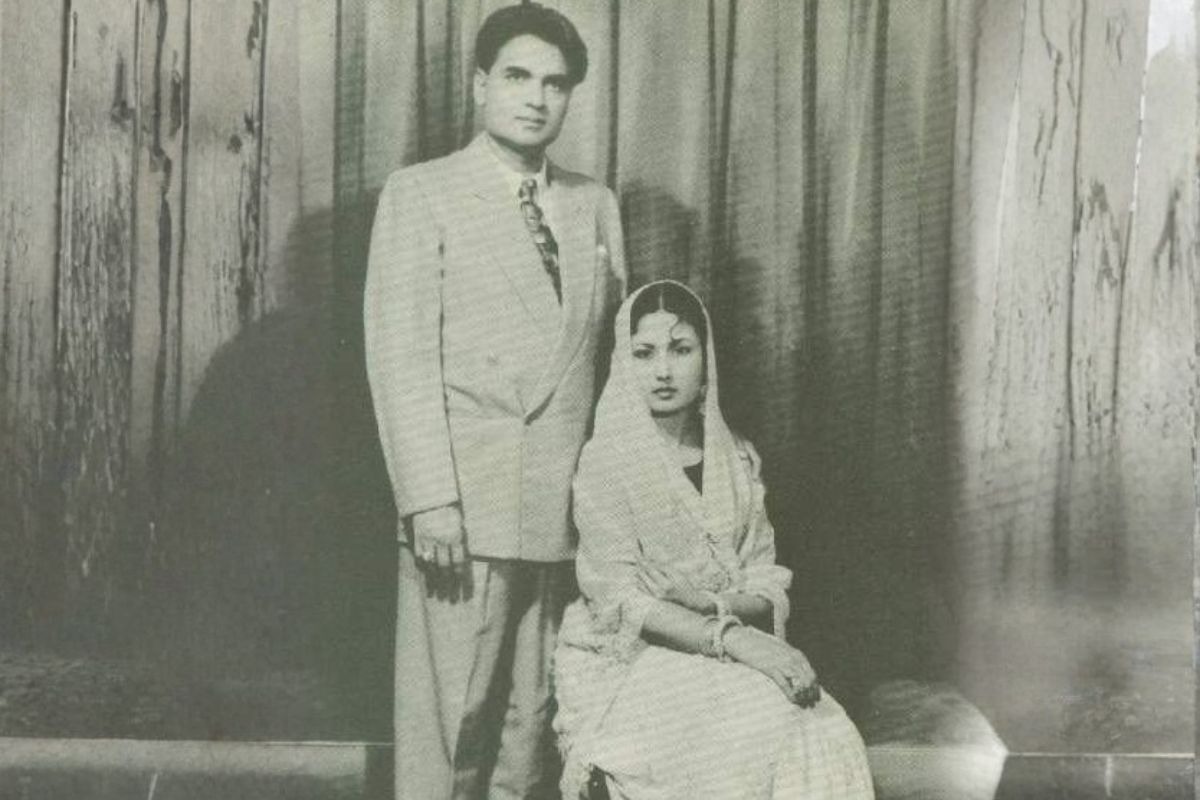
Kamal Amrohi had noticed her years earlier, though not kindly. Back then, she was nobody, and he was the celebrated director of Mahal. When she greeted him on set, he ignored her completely. That silence cut her deeply. She told her father she would never work with such a rude man, never sign any film he offered. When you have been poor, pride becomes precious.
Two hours to marry in secret
February 14, 1952. Her father dropped Meena and her sister Madhu at the clinic for their weekly physiotherapy session. He would return in two hours to collect them. That night was different. Kamal Amrohi arrived with a qazi and witnesses. They had exactly two hours to complete a marriage that would consume both their futures.
The ceremony rushed forward. First, according to Shia tradition, because Kamal was Shia. Then Sunni, because Meena was Sunni. The minutes flew. At 9:45 PM, with her father minutes away, the qazi declared them husband and wife. Kamal kissed her forehead and left. When Ali Bakhsh arrived to take his daughters home, he never suspected that one of them was now married.
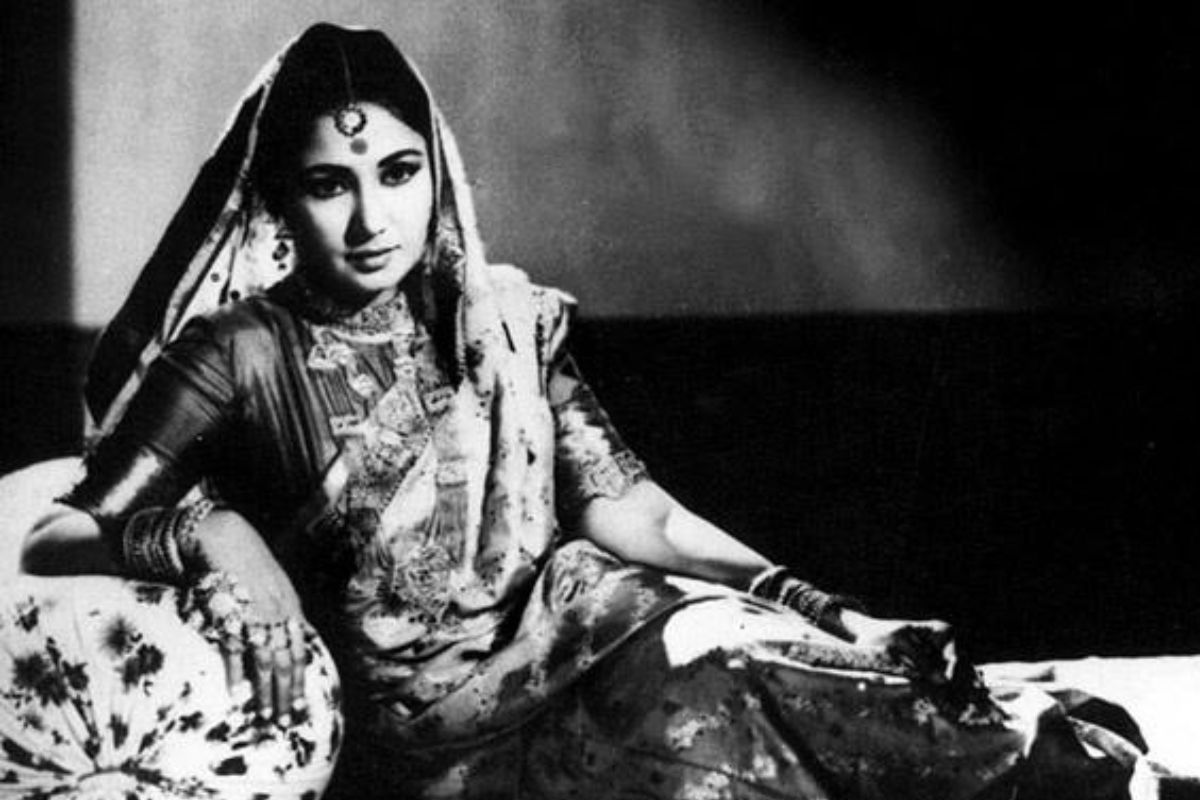
They kept the secret for months. Meena needed to give her father two lakh rupees first. Her earnings supported the entire family, and she could not abandon them to poverty because she had found love. But secrets escape. A servant overheard a phone conversation. Ali Bakhsh exploded when he learned the truth. He demanded a divorce. He forbade them from meeting. The marriage that began in secrecy seemed destined to end the same way.
The price of choosing love
Kamal Amrohi was already married when he wed Meena. His family demanded that he divorce her. Society whispered and judged. Under pressure, he sent word suggesting they end what they had begun. Meena replied with quiet dignity: “You never understood me, and perhaps you never will. Better to divorce than to pretend.
But hearts do not follow logic. On their first wedding anniversary, February 14, 1953, Meena called him. She apologised for her letter. They reconciled. Love refuses to die even when everyone wants it dead.
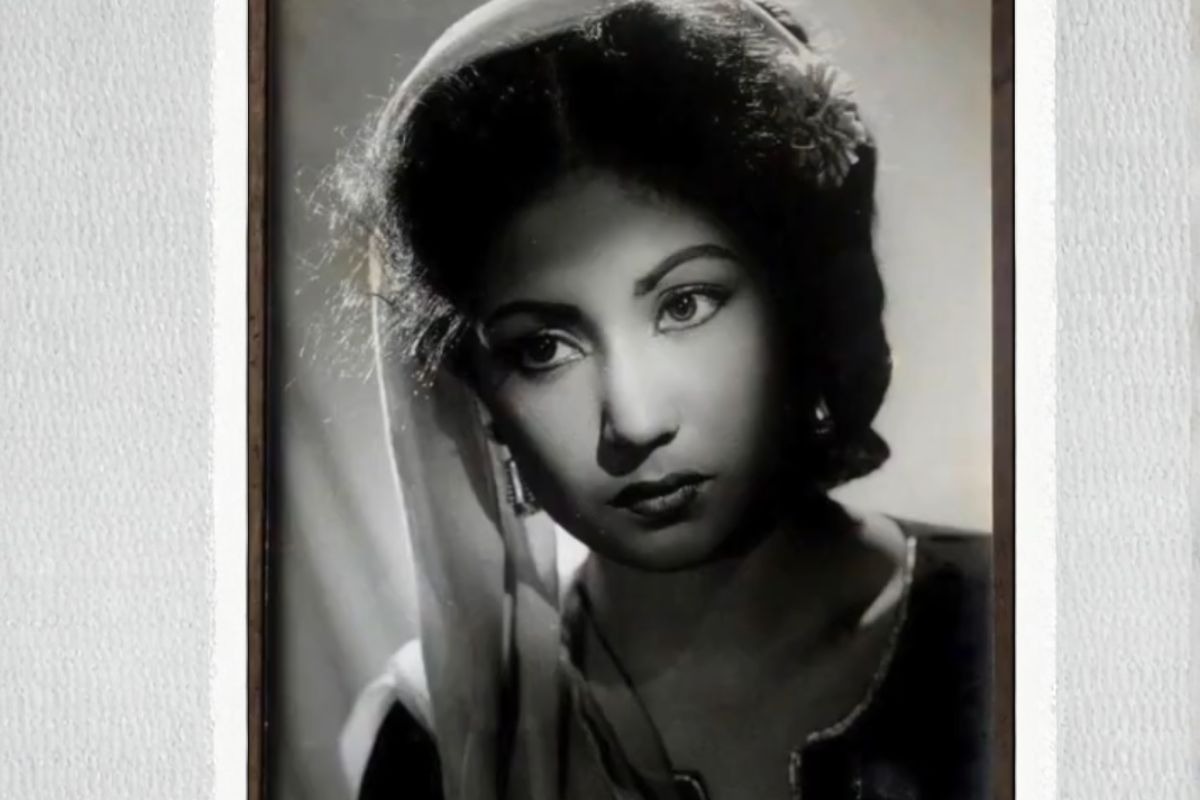
The reunion did not bring peace. Meena wanted to work with Kamal on a film called Daera. Her father refused and assigned her to Mehboob Khan’s Amar instead. After just five days of shooting, Meena walked off Mehboob’s set and went to her husband’s. Her father’s response was final: the doors of his house were now closed to her forever.
On August 4, 1953, Meena Kumari finally moved into Kamal Amrohi’s house as his acknowledged wife. She had waited over a year since the secret nikah. She had lost her father’s love. She had sacrificed family ties. What waited for her in that house was not happiness, but a different kind of suffering altogether.
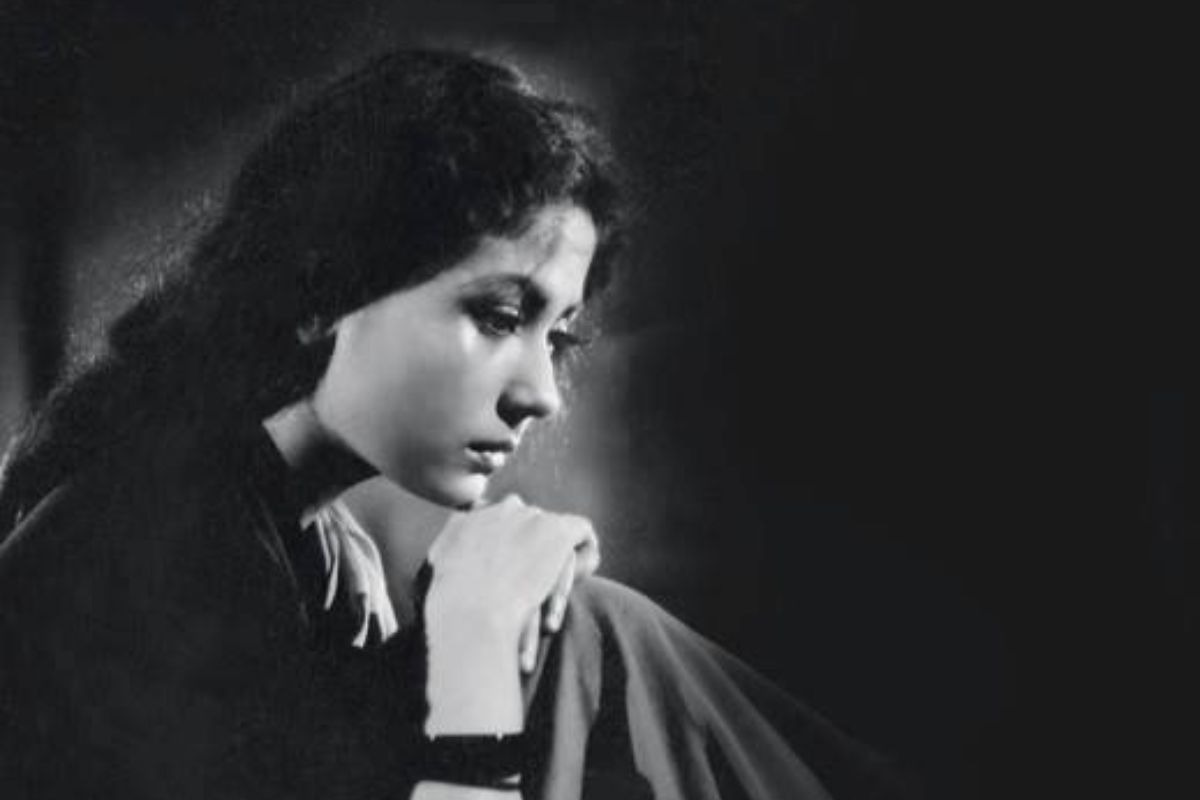
Fame that fed on personal ruin
But Kamal Amrohi was patient and deliberate. He sent flowers. He courted her with words that revealed intelligence and charm. She signed a film he offered, though it never got made. What did get made was something else entirely: a connection that would define both their lives and destroy much of what they touched.
Her professional life soared while her personal life collapsed. Baiju Bawra won her the first Filmfare Award for Best Actress. Then came Parineeta, Dil Apna Aur Preet Parai, Aarti, Azaad, Kohinoor. In 1962, she achieved something no actress had done before or has done since: all three Best Actress nominations at Filmfare were hers alone, for Aarti, Main Chup Rahungi, and Sahib Bibi Aur Ghulam.
Fame brought new problems. At a premiere, Sohrab Modi introduced them to the Governor of Maharashtra: “This is Meena Kumari, the great actress, and this is her husband, Kamal Amrohi.” Kamal’s humiliation was instant and public. He corrected the Governor sharply: I am Kamal Amrohi, and this is my wife Meena Kumari. Then he walked out.
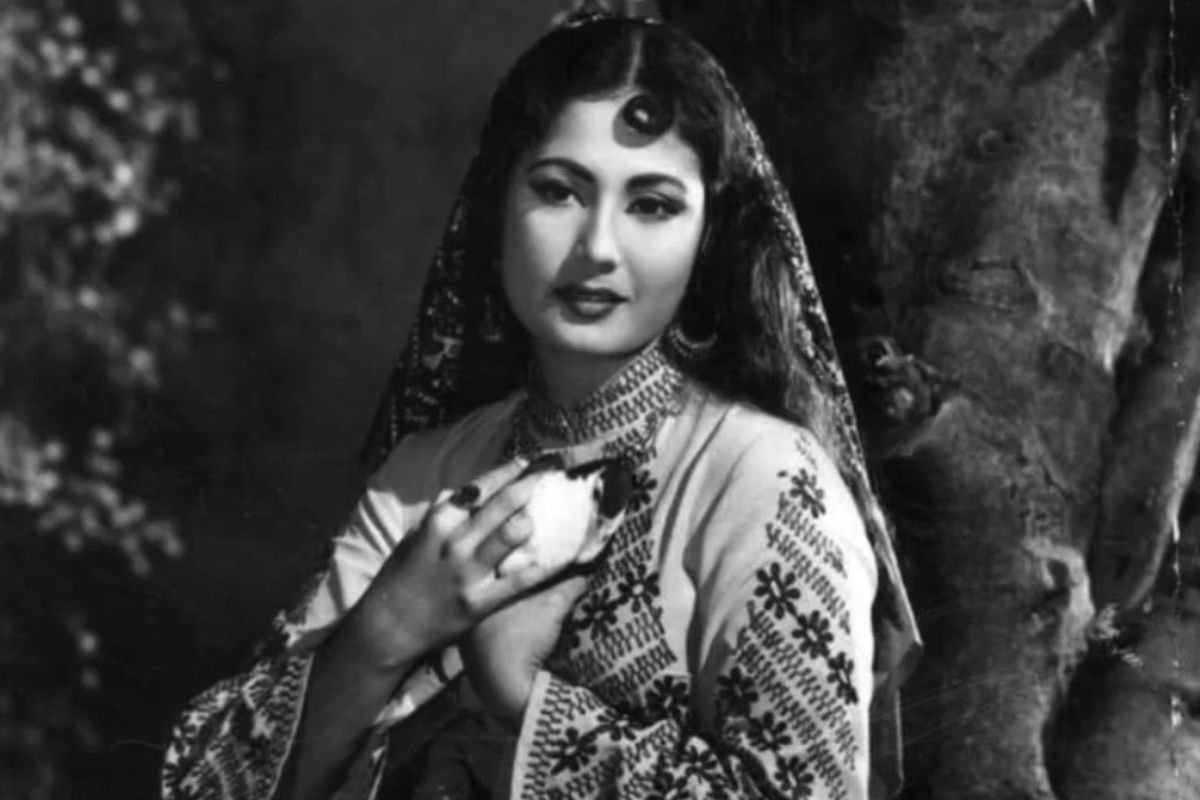
His insecurity turned poisonous. He imposed three rules on her career: she must return home by 6:30 PM every day, no man except her makeup artist could enter her makeup room, and she must travel only in her own car directly from set to home. These were not the terms of marriage. These were the terms of control.
Yet she accepted them. She loved him that much. When Kamal ran into financial trouble making Pakeezah, she gave him all her savings without question. She worked within his restrictions, lived by his rules, and tried to keep the marriage alive. But some things cannot be fixed by love alone.
The grief that broke everything
Those who worked with her on Pakeezah remember one detail above all: whenever someone brought a child to the set, Meena would light up. She would take the baby in her arms and hold on as if something inside her was shattering. The longing for a child of her own consumed her. She never spoke of it directly, but everyone could see the hunger in her eyes.
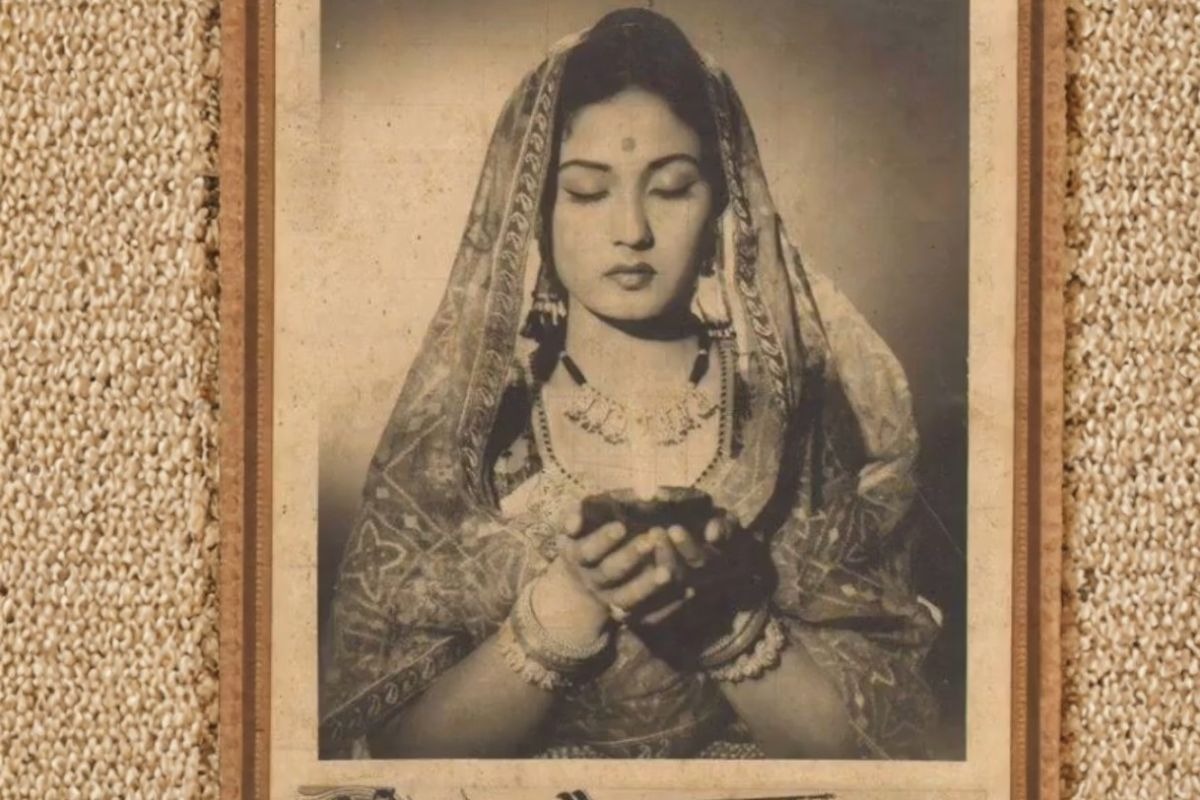
Meena had lost children, whether through miscarriage or other tragedies. The details remain private. That loss planted a grief in her that never left. It poisoned what was already a troubled marriage. The distance between husband and wife grew wider with each passing year.
The divorce came. Meena found herself alone, without money, without her husband, without the child she had wanted desperately. The shooting of Pakeezah stopped. The reels sat in cans, gathering dust. The film that was supposed to be Kamal’s masterpiece and Meena’s defining role seemed destined to remain unfinished.
The final performance
Sunil Dutt and Nargis saw the rushes. They insisted the film must be completed. Such artistry could not remain hidden. They brought Meena and Kamal together. After the divorce, after all the pain, the former husband and wife sat side by side in a screening room. Witnesses say Meena wept throughout, holding Kamal’s hand.
They agreed to finish the film. Fourteen years after it began, Pakeezah was released on February 4, 1972. By then, Meena’s health had deteriorated beyond repair and years of drinking to numb the pain had destroyed her liver. She attended the premiere knowing she was dying.
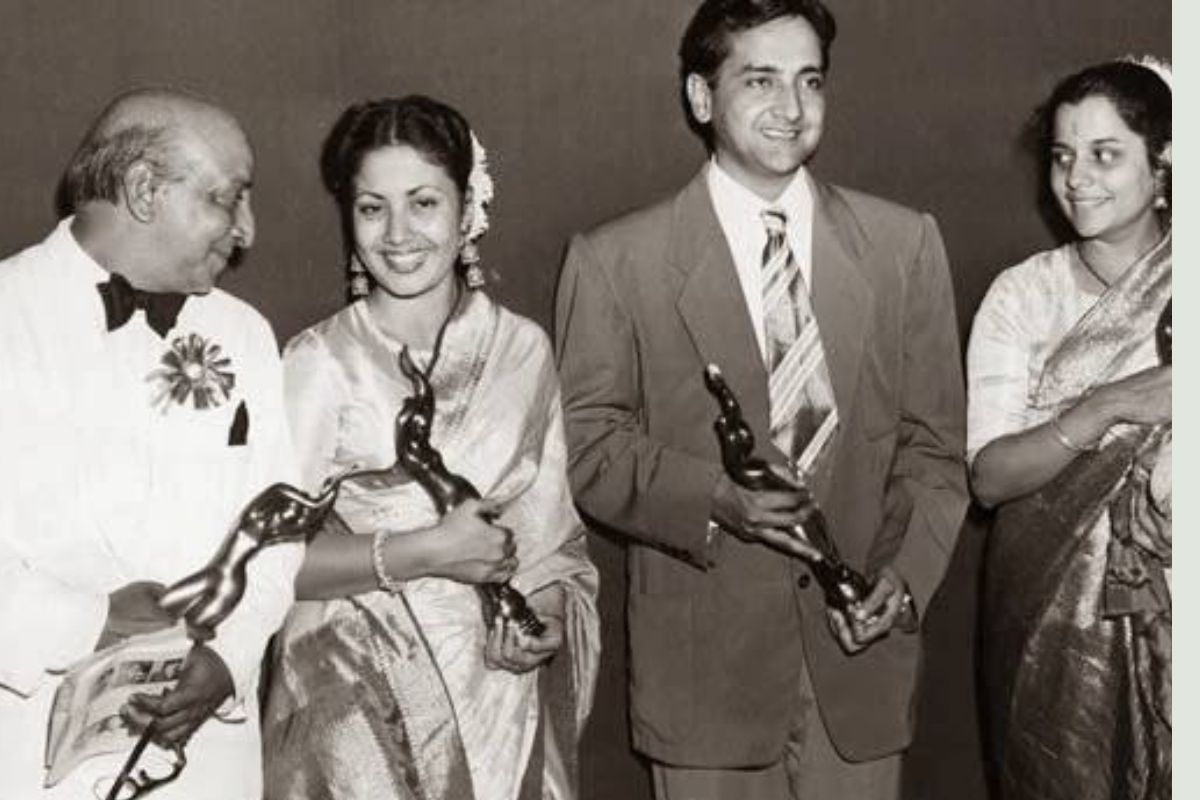
On March 31, 1972, cirrhosis of the liver claimed her. She was 39 years old. The Tragedy Queen had lived up to her name until the very end. She left behind films that would be watched for generations, poetry written under the pen name Naaz expressing sorrows too deep for ordinary conversation, and a legend that would never fade.
The inheritance she carried
What people forget about Meena Kumari is the complexity of her lineage. Her grandmother was married to Rabindranath Tagore’s younger brother. When widowed, the Tagore family cast her out. She became a nurse in Lucknow, where she met Priyalal Shakir, a Christian journalist who became one of India’s first Urdu journalists. Their daughter, Prabhawati, joined a theatre company in Bombay. There she met Ali Bakhsh, a harmonium player. They married. Prabhawati became Iqbal Begum. Their daughter was Mahajabeen, who the world knew as Meena Kumari.
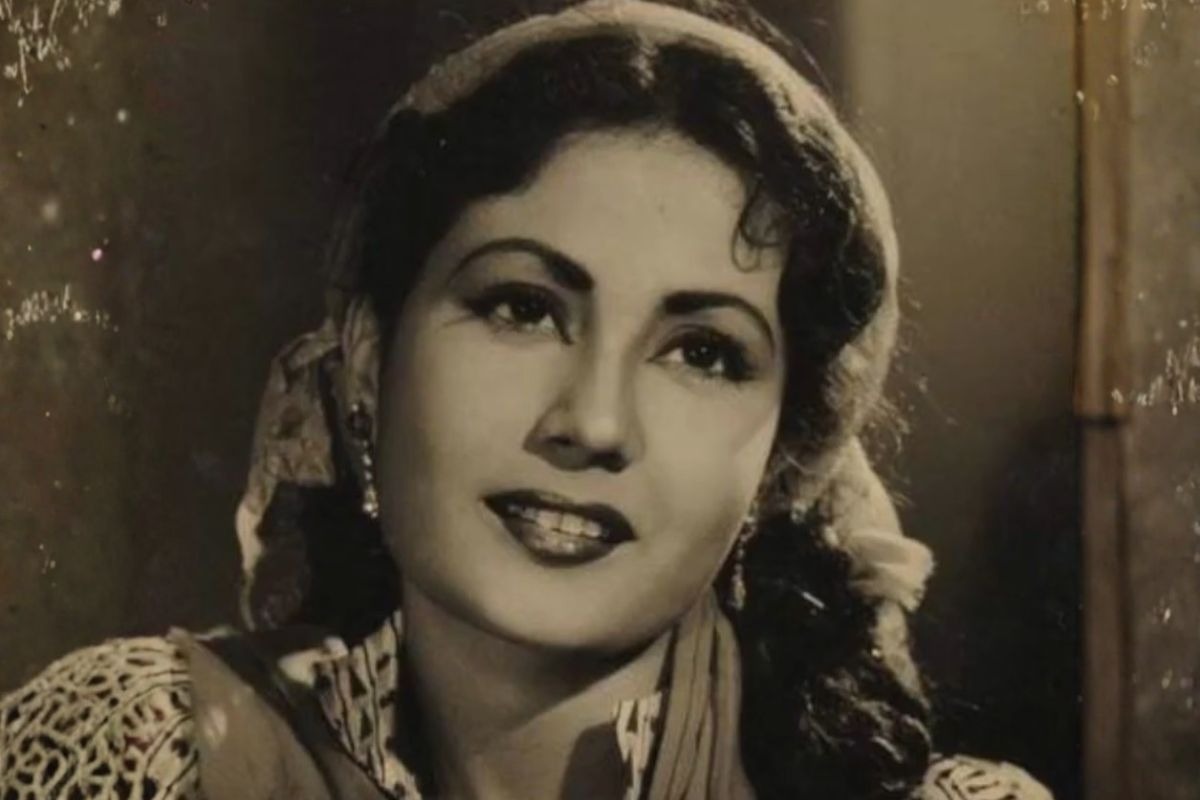
Hindu, Christian, and Muslim blood flowed through her veins. In a divided country, she represented what unity could look like. But unity did not save her from pain. Being everything to everyone meant she could never just be herself.
Why can we still not forget her
Decades after her death, her films still draw audiences. Young people who were not born when she died discover her work and fall under her spell. There is something about the way she embodied sorrow that feels universal and timeless. She never played tragedy. She lived it, breathing it until it consumed her.
On screen, Meena Kumari was grace itself. Off-screen, she struggled with demons that fame and fortune could not quiet. She wrote in one of her poems: “What will you do listening to my story? The incidents of a joyless life are dull and faded. She knew her own narrative held more darkness than light, more loss than gain.
Yet people do want to hear her story. Not because it is joyful, but because it is true. Meena Kumari never pretended life was fair or kind. She never offered false hope or easy answers. She simply showed what it looked like to carry pain with dignity, to work when your heart was breaking, to create beauty even while drowning in sorrow.
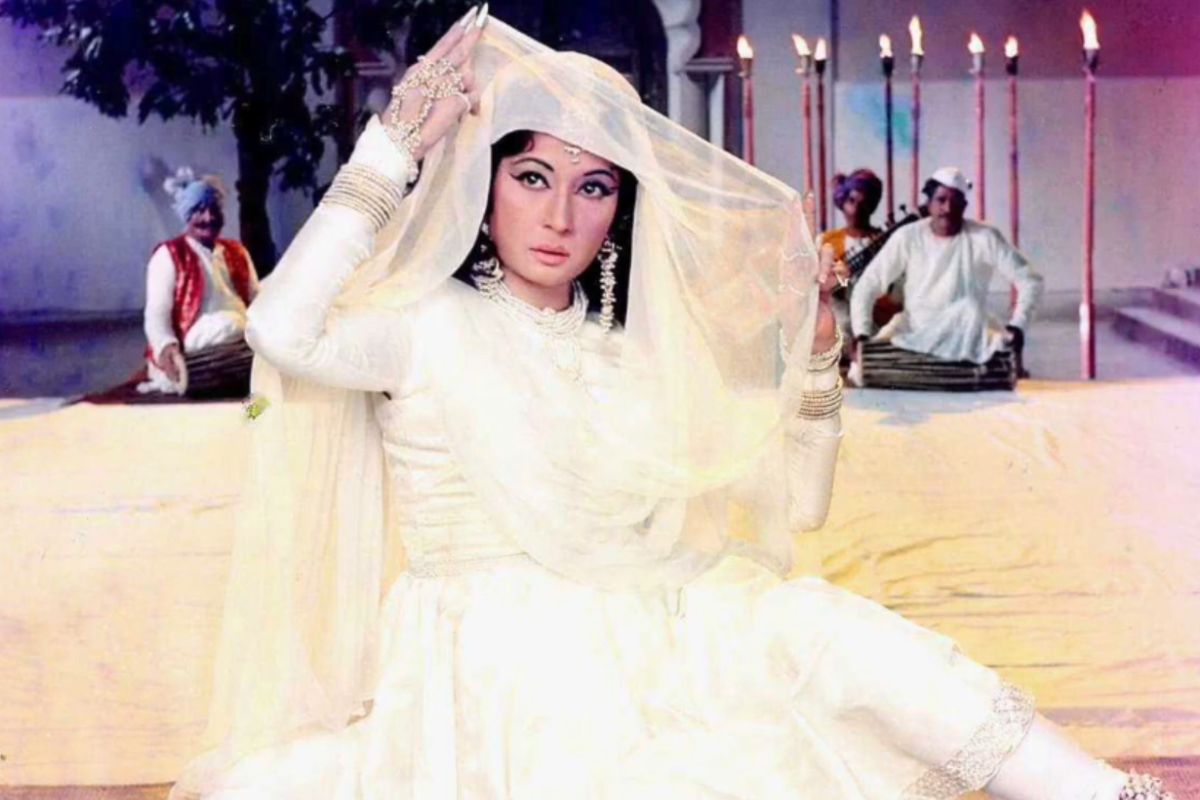
They called her the Tragedy Queen not because she played tragic roles, though she did that brilliantly. They called her that because she lived tragedy so authentically that audiences recognised something real in her performances. She was not acting. She was revealing.
The baby abandoned on the orphanage steps in 1932 became one of Indian cinema’s greatest stars. She won awards, broke records, and left an artistic legacy that endures. But she never found the peace she sought. Perhaps that is the final tragedy: that someone capable of giving so much beauty to others never received much of it herself. Meena Kumari remains unforgettable precisely because her story refuses to comfort us with happy endings. Like the best art, it simply tells the truth.
Also Read: Sadhana Shivdasani: The Fashion Icon Who Gifted Bollywood Its Most Famous Hairstyle
You can connect with DNN24 on Facebook, Twitter, and Instagram and subscribe to our YouTube channel.