
New Delhi, April 11, 2024 Twenty-six-year Payal Dhare sat across from Prime Minister Narendra Modi, controller in hand, playing video games at a “Game On ft. NaMo”. Her father watched from their village in Chhindwara, Madhya Pradesh, barely able to process the moment. Five years earlier, he was upset that his daughter chose to broadcast herself playing mobile games to strangers online.
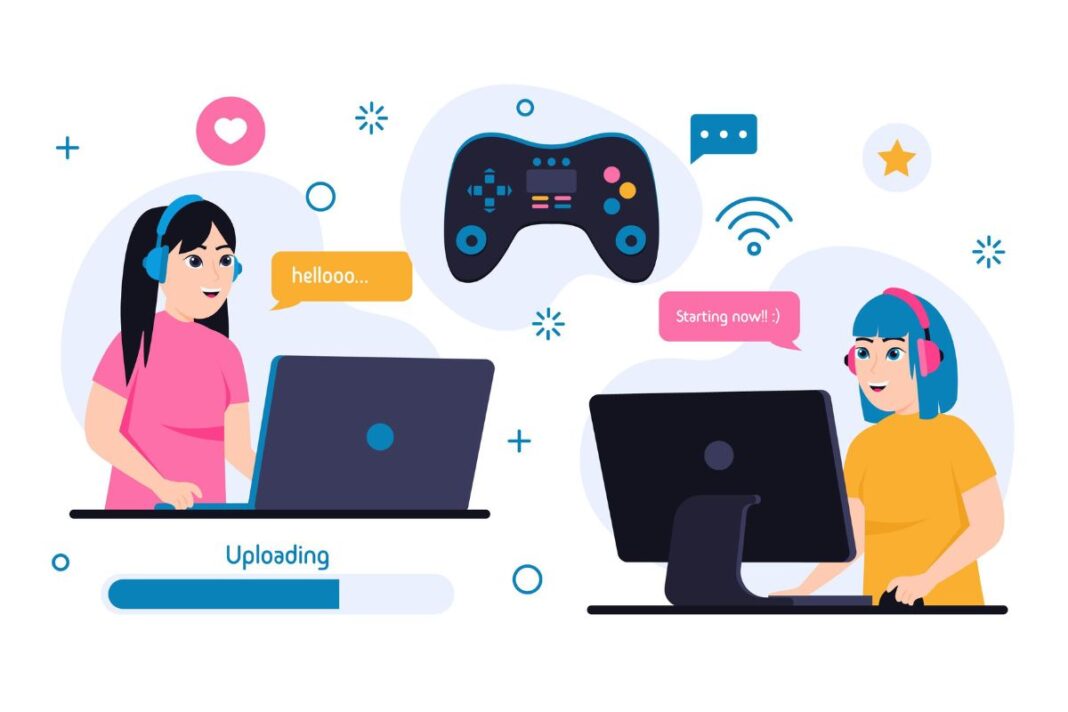
Today, Dhare commands over 4 million YouTube subscribers and holds the title of India’s most-followed female gamer. Her trajectory from parental scepticism to national recognition mirrors a broader transformation sweeping through Indian e-sports, where women are carving out professional careers in an industry that dismissed them as anomalies just a few years ago.
Payal Dhare began streaming BGMI matches in 2019 despite family reservations about the viability of gaming as a profession. Her content strategy centred on collaboration rather than pure competitive skill. She partnered with established male streamers like Mortal, expanding her audience through cross-promotion while maintaining her distinct voice.
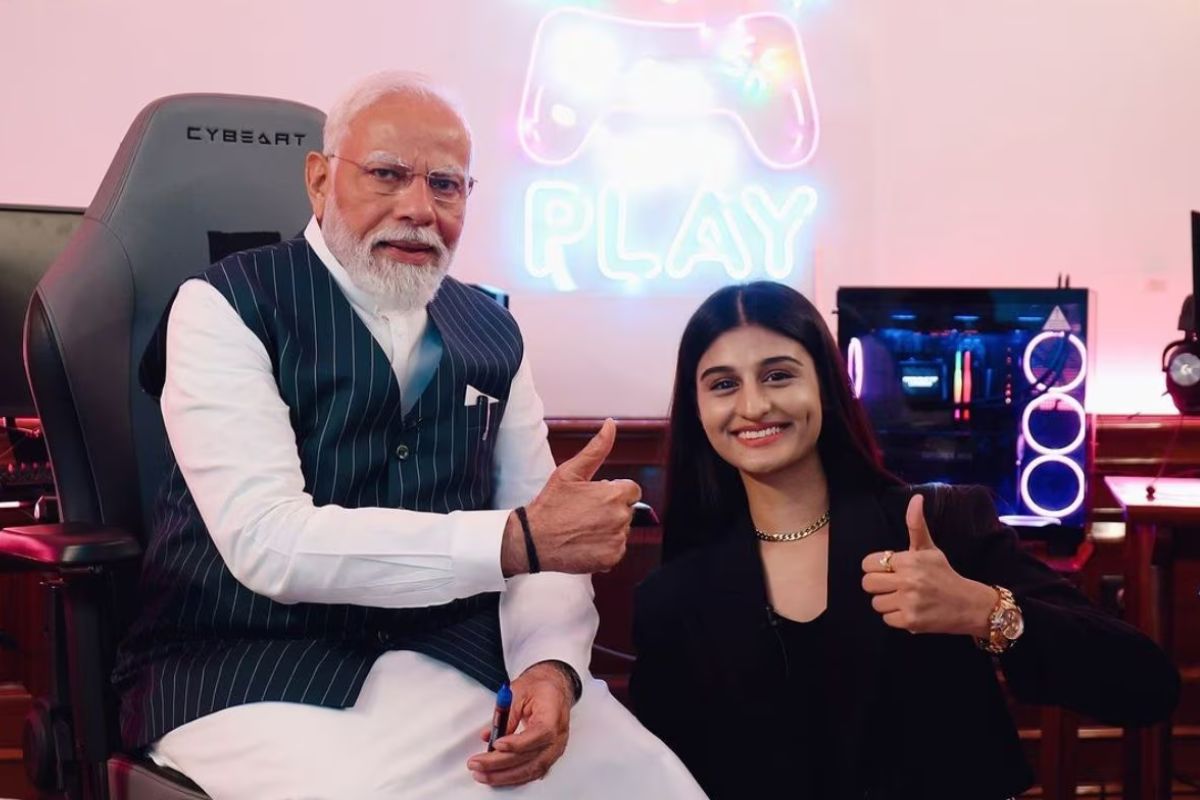
In 2024, Dhare became the first Indian woman to win Streamer of the Year at the Mobies Awards. She also secured Gaming Creator of the Year and Dynamic Gaming Creator of the Year titles in separate competitions. Her father, Shivshankar Dhare, told news agency PTI that their village of Umranala now associates itself with his daughter’s achievements. Villagers stop by regularly to discuss her success.
Dhare is part of the burgeoning Indian gaming market. Industry projections place the sector at US $9.2 billion by 2029, supported by more than 500 million active players. Women account for 44 to 45 percent of this player base, with the majority aged 18 to 30. Many come from cities beyond the traditional metropolitan centres of Mumbai, Delhi, and Bangalore.
Female gamers dedicate approximately 11 hours each week to casual and midcore mobile titles. Battlegrounds Mobile India, known widely as BGMI, dominates their screen time. The shift from console and PC gaming to mobile platforms has democratised access, allowing women from diverse economic backgrounds to participate.
The government’s formal recognition of e-sports under the Ministry of Youth Affairs and Sports has added institutional legitimacy to competitive gaming. Officials have announced plans for gaming degree programs and centres of excellence across multiple states. Tamil Nadu’s Chief Minister Trophy (October) drew over 90 female competitors in its most recent edition, a participation rate unthinkable five years prior.
Prize disparities, however, tell a different story. Female tournament winners in India take home an average of $1,200. Their male counterparts in open competitions earn upward of $120,000. No Indian woman ranks in the global top 400 competitive players. The gap between participation and professional recognition remains vast.
Pioneers Reshaping Public Perception
Twenty-Eight Years old Kaashvi Hiranandani worked in Singapore’s finance sector until the COVID pandemic forced a re-evaluation of her career priorities. She quit her corporate job and returned to India to stream full-time under the name KaashPlays. Her decision drew scepticism from industry peers who questioned whether content creation could sustain a long-term livelihood.
Hiranandani now represents S8UL e-sports organisation and maintains 1.8 million Instagram followers. Born in Mumbai in April 1997, she credits her father with introducing her to computer games through office software like Pinball and Minesweeper. Her family provided constant encouragement, treating gaming as a legitimate interest rather than a passing hobby. Her siblings, Ira and Karan, supported her transition from finance to e-sports.
She currently operates a YouTube channel with over 760,000 subscribers. The Loco India Awards (2022) named her Streamer of the Year, validating her shift from traditional employment to digital entertainment. Her content appeals to audiences seeking personality-driven streams rather than pure competitive gameplay.

Krutika Ojha, streaming under the name Krutika Plays, was the sole woman competing in the 2020 PUBG Mobile India Series. She balanced tournament participation with content creation, building viewership through a combination of skilled play and accessible presentation. Her presence in male-dominated competitive lobbies drew attention to the scarcity of women in professional rosters.
Saloni Kandalgaonkar operates under the name Mili kya Mili with 321,000 YouTube subscribers. She plays for S8UL, emphasising technical proficiency alongside charismatic presentation. Ankkita Chauhan, part of 8Bit Creatives, streams Valorant and Grand Theft Auto V while involving her family in her broadcasts. This approach adds relatability, distinguishing her content from competitors who maintain strict separation between personal and professional presentation.
Xyaa pioneered the transition from Twitch to YouTube for Indian audiences, promoting independent role-playing games while actively moderating her chat for toxic behaviour. She has built communities around inclusive participation rather than hardcore competitive achievement.
Persistent Structural Barriers
Online harassment remains endemic for female streamers. Comments frequently focus on physical appearance rather than gameplay skill. Phrases like “Your face is good, not your skills” appear regularly in chat windows and social media responses. Some women receive pedophilic advances in public lobbies. Many have adopted permanent chat muting or abandoned competitive play for safer streaming environments.
Global wage data shows that women earn $3.42 for every $100 men earn in professional e-sports. India too reflects this disparity. Female players report being labelled “inferior to the boys” regardless of demonstrated ability. Accusations of “simping” fans, boosted accounts, or easy lobbies follow tournament victories, trying to belittle their competitive achievements.
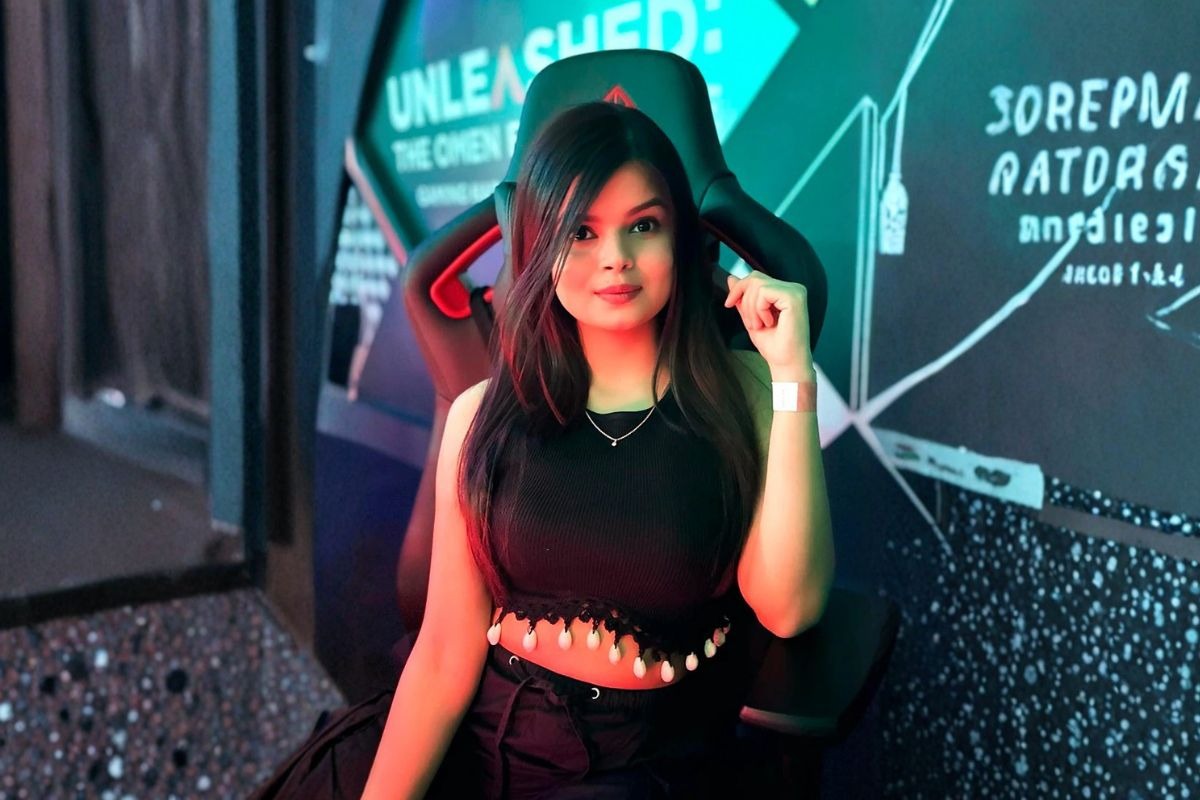
Team dynamics compound these challenges. Mixed rosters often marginalise female players during scrimmages or high-pressure matches. Captains assume men possess superior aim or game sense, pushing women toward supporting roles. Over time, this erodes confidence and narrows the pipeline of women pursuing in-game leader or star fragger positions.
Traditional family expectations classify gaming as un-ladylike, creating friction between career ambitions and social norms. Limited sponsorship opportunities and scarce coaching resources widen performance gaps. Most female players balance studies or conventional employment with gaming because tournament winnings and content revenue cannot sustain a full-time career.
Tournament infrastructure for women’s teams remains underdeveloped. Unlike regions with publisher-backed female circuits, India has failed to establish sustainable competitive environments for women’s rosters. Teams frequently disband because there are insufficient events to justify long-term contracts or dedicated coaching staff. Most major Indian tournaments operate as open competitions, but women rarely reach later stages against established male lineups with superior scrim experience and organisational support.
Commercial backing favours male teams. Brands prioritise viewership metrics and perceived performance when allocating sponsorship budgets, thereby overlooking women’s teams. This funding gap forces talented players to treat competitive gaming as a side project rather than a primary profession.
Access to high-level practice groups presents another obstacle. Female players struggle to enter serious scrim networks dominated by male teams. Coaches and analysts allocate resources to flagship men’s rosters, while women’s squads receive fewer hours and less infrastructure. Many women rely on public content and peer support for tactical development.
Mental health strain accompanies constant scrutiny. Articles documenting women in e-sports highlight elevated risks of anxiety and burnout from online abuse and appearance-based criticism. Some players avoid voice chat, ranked queues, or streaming during difficult periods to protect their psychological well-being. Balancing family expectations with demanding practice schedules adds pressure. The absence of accessible sports psychologists or player welfare structures pushes promising competitors toward casual streaming or an exit from the industry.
Institutional Progress and Future Trajectories
Organisations including the Female Esports League, Women in Games, and Global Esports now offer salaries, training camps, and all-women rosters. Riot Games operates the Valorant Game Changers program, enabling international all-female competition. Brands increasingly partner with streamers like Payal Dhare, recognising that women tend to have longer play sessions and demonstrate higher platform loyalty.
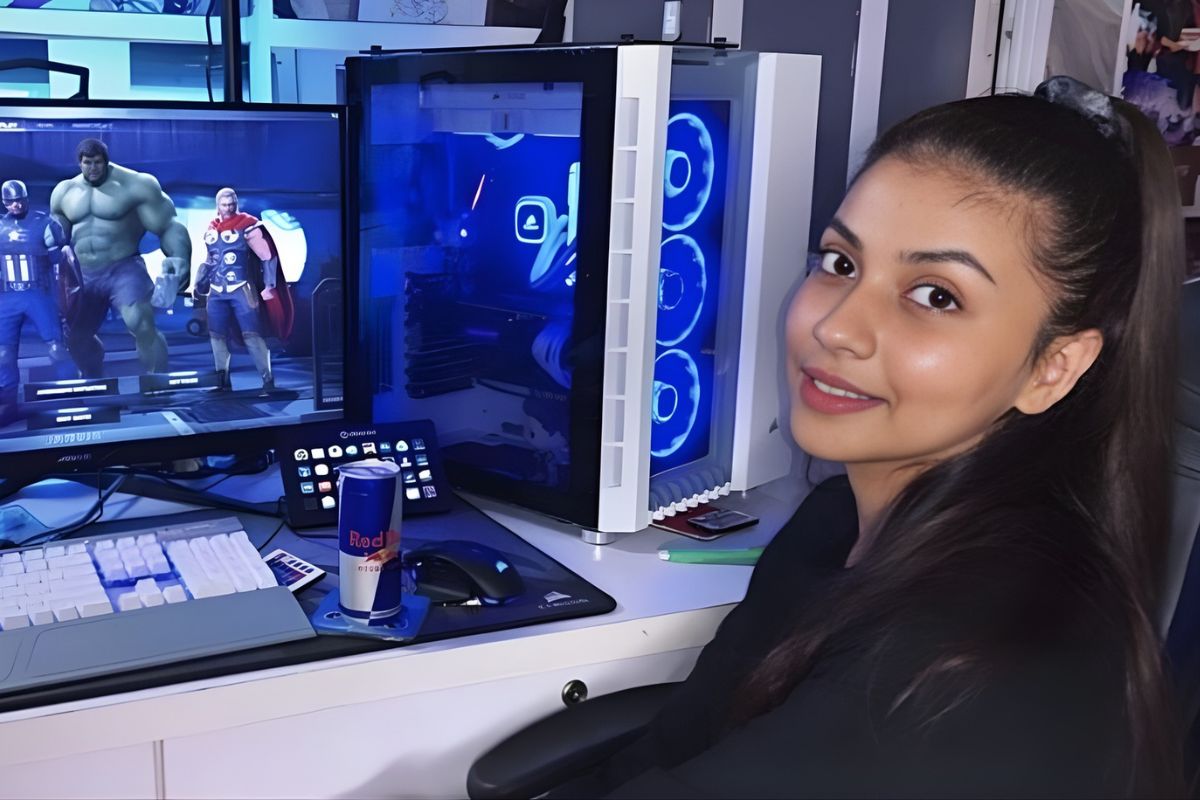
S8UL and Team Vitality have integrated women such as KaashPlays and Mili into their professional infrastructure. Community initiatives promoting safer spaces and anti-toxicity campaigns are emerging, though implementation remains inconsistent. These developments signal a gradual movement toward equity.
Female viewership has grown from 23 per cent to 25 per cent recently. Streamers normalise women’s participation through mentorship and personal narrative-sharing, challenging the “gaming is for boys” assumption. Their personality-driven content, including humorous commentary and family integration, broadens appeal beyond hardcore gaming audiences.
India’s e-sports revenue reached $868 million in 2023. Continued government support and rising investment suggest that women’s roles will expand into game development, coaching, and organisational leadership. Policy initiatives addressing harassment may follow, as streamers gain political visibility. Rising talents like Mizo and Meow16K indicate the next generation of competitors will find more balanced rosters and international opportunities.
The barrier-breaking work of current pioneers establishes frameworks for sustainable diversity. India’s gaming future appears increasingly inclusive, powered by women who refused to accept their exclusion as permanent.
Also Read:Chennai Couple Quit Banking Jobs for Forest Conservation
You can connect with DNN24 on Facebook, Twitter, and Instagram and subscribe to our YouTube channel.