

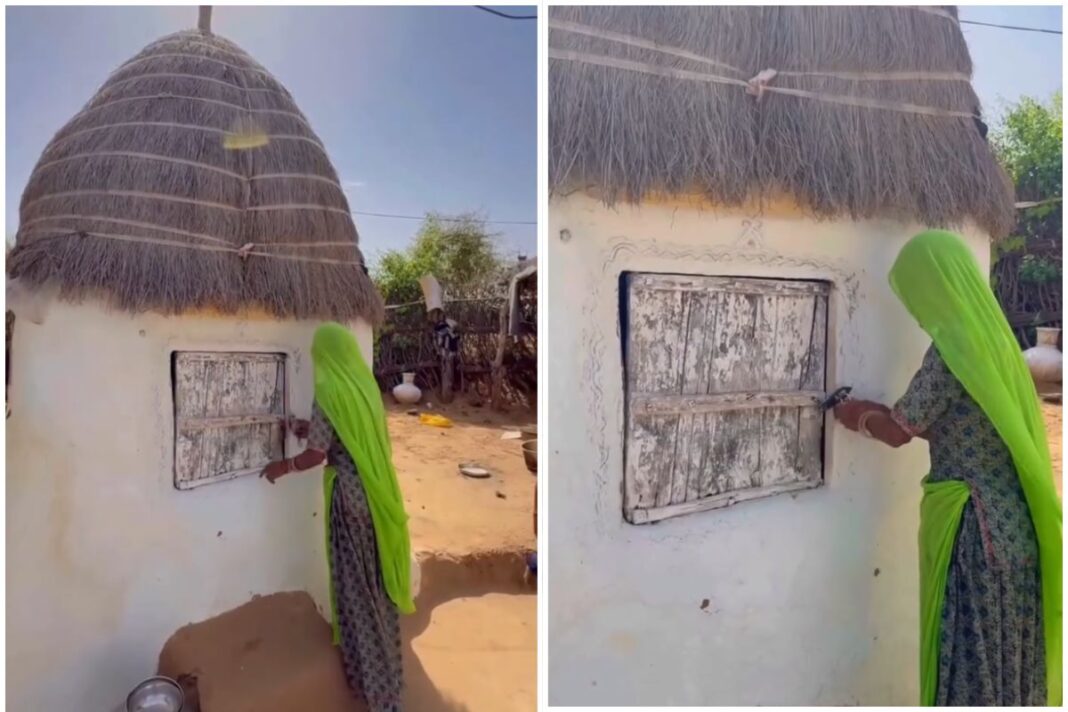

Before electric refrigerators arrived in India’s villages, women in Rajasthan kept milk sweet and vegetables crisp through scorching summers using nothing but clay pots, water, and the desert wind. The century-old cooling chambers still found in remote courtyards across the state represent more than nostalgia. They demonstrate a principle of physics that modern engineers are now revisiting as power grids buckle under rising demand and climate targets move toward zero-carbon solutions.
The Original Desert Cooler
Rural households in Rajasthan built what locals called a “desi fridge,” typically a double-layered clay structure or nested pot system. The outer shell was fired terracotta, often reinforced with a coating of cow dung mixed with khipra grass or other local vegetation. Inside sat a smaller chamber where families stored food. Women poured water between the walls or directly onto the outer surface each morning. As the liquid seeped through porous clay and evaporated under the desert sun, it drew heat away from the inner compartment.
This design mirrored the pot-in-pot refrigerators known throughout arid regions of India and Africa, where a smaller clay vessel nested inside a larger one, separated by damp sand that cooled as it dried. Field studies on such systems measured temperature drops of 8 to 18 degrees Celsius relative to the surrounding air, enough to slow bacterial growth and extend the shelf life of milk, vegetables, and cooked meals. Even a modest reduction of a few degrees meant curd set properly, dal stayed edible longer, and rotis did not spoil within hours during brutal summer afternoons.
How Evaporation Created Cold
The Rajasthan clay fridge operated on evaporative cooling, the same mechanism that regulates human body temperature when perspiration turns into vapour on the skin. Water evaporating from wet clay absorbed latent heat from the pot and everything inside it, lowering the internal temperature.
Rajasthan’s hot, dry climate made the process especially efficient. Low ambient humidity allowed faster evaporation, and the hotter the outside air became, the more vigorously the clay “sweated” and cooled its contents.
Terracotta’s natural structure proved essential. Microscopic channels running through the fired clay allowed water to migrate slowly and steadily to the surface, creating continuous cooling rather than brief wetness followed by rapid drying. This gradual process also raised humidity slightly inside the chamber, preventing fruits and vegetables from shrivelling while keeping temperatures below the range where bacteria multiplied rapidly. Researchers testing modern versions of pot-in-pot coolers confirmed that produce stored in such devices lasted days longer than items left in open air, particularly in regions where daytime temperatures regularly exceeded 40 degrees Celsius.
Materials Born From Scarcity
The raw materials for these fridges came from the landscape itself. Women dug clay from nearby soil, shaped it by hand, and fired the pots in basic kilns. When cracks appeared, repairs were simple and cheap. A layer of cow dung smeared over the structure served as a natural sealant, helping retain moisture while adding insulation between the fierce sun and the clay beneath. On this base, women wove layers of khipra grass or coarse vegetation, which shielded the surface from direct sunlight and wind, slowing the rate of water evaporation.
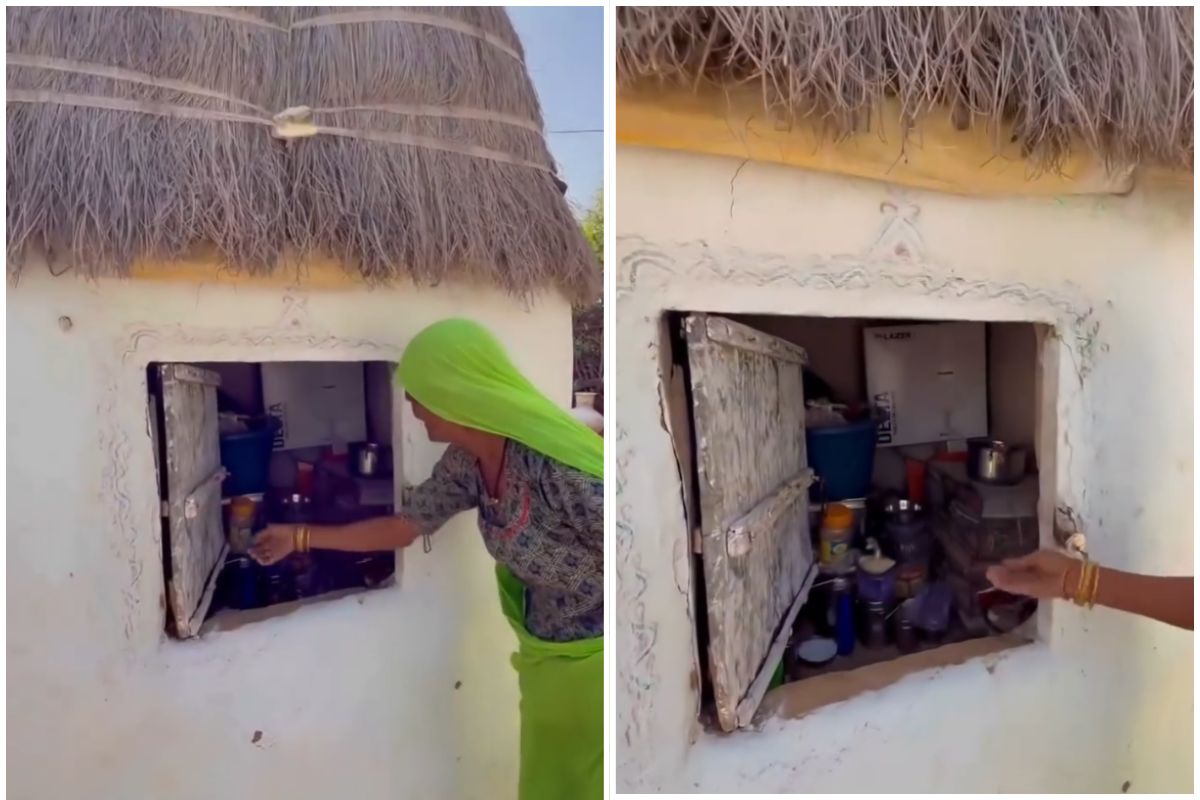
Water was the only ongoing input the system required. Families poured it from the same earthen vessels used for drinking, checked moisture levels daily, and adjusted the fridge’s position to catch shade or breezes. In areas where electricity remained unreliable or unaffordable, this low-cost technology provided cooling that relied on labour and attention rather than infrastructure or fuel.
What Stayed Fresh
Inside these clay chambers, families kept milk, curd, freshly cooked dal and sabzi, sometimes chapatis and basic sweets. The cool, slightly humid environment slowed fermentation enough that dairy products remained palatable for several days without souring or separating. Cooked food stayed edible for a meal or two beyond what would have been possible in metal containers left in hot rooms. Vegetables placed in the inner section often retained firmness and colour far longer than produce stored in the open.
Modern clay refrigerators, such as the Mitticool device developed in Gujarat, have demonstrated that such designs can preserve vegetables and dairy for four to five days without electricity, simply by maintaining temperatures a few degrees below the desert heat. While they cannot match the deep cold of electric compressors, they offer a practical middle ground for households where power outages last hours or days and backup generators remain out of reach.
Revival in the Age of Climate Crisis
In 2026, photographs of a functioning century-old Rajasthan clay fridge spread across social media, showing a sun-baked structure still tucked under a village veranda. The images challenged assumptions that effective cooling required high technology or heavy energy use. Environmental groups and product designers began studying these devices not as museum pieces but as working templates for low-carbon, off-grid refrigeration at a time when climate goals demanded rapid reductions in greenhouse gas emissions.
Potters and artisans across India have adapted the basic principles of porous clay, wet sand, and shaded insulation into new forms that can be produced at a larger scale without synthetic refrigerants or metal casings. Contemporary versions have been deployed to store vaccines, medicines, and groceries in remote villages where electricity arrives sporadically, proving that the knowledge embedded in traditional Rajasthan fridges could protect more than household meals.
Performance Against Electric Refrigeration
A clay fridge in Rajasthan typically lowered internal temperatures by 6 to 12 degrees Celsius below the ambient air. When the desert temperature reached 45 degrees, the food chamber stayed around 33 to 38 degrees, which slowed spoilage but did not create true refrigeration. An electric fridge, by contrast, maintains a steady 2 to 5 degrees Celsius regardless of external heat, delivering a temperature drop of 35 to 40 degrees below a 45-degree ambient.
That difference matters. Electric refrigeration greatly slows bacterial growth and keeps perishable items safe for extended periods, meeting international food safety standards. Clay systems modestly extended freshness, roughly doubling the time vegetables and dairy remained edible compared with storage in open air. However, they could not safely hold meat, eggs, or highly perishable cooked dishes in extreme heat.
The clay fridge won on other measures. It required no electricity, produced no ongoing costs beyond water, and generated no carbon emissions. It tolerated power outages and worked in areas without electrical infrastructure. However, it demanded daily attention, performed poorly in humid or dusty conditions, and needed careful placement to avoid direct sun and strong winds. Electric fridges, once installed, delivered consistent cooling with minimal intervention, though at the cost of energy consumption and dependence on a reliable power supply.
Why the Story Endures
The Rajasthan clay fridge was never designed to impress. It answered a simple problem posed by brutal heat and limited resources, asking families to work with natural processes rather than override them. In doing so, it created a model of resilience that remains instructive as modern cooling systems strain energy grids and contribute to rising global temperatures.
Today, as architects and policymakers search for sustainable ways to cool homes and preserve food, the clay fridges of Rajasthan stand as proof that innovation can be rooted in place, built from local materials, and effective across generations. The device no longer functions merely as a relic of pre-electric life. It survives as a living demonstration that thoughtful design, careful observation of natural physics, and a willingness to adapt to climate rather than battle it can turn the harshest conditions into sources of gentle, life-extending cool.
Also Read:40-year-old’s quest to Conquer Antarctica’s Highest Peak
You can connect with DNN24 on Facebook, Twitter, and Instagram and subscribe to our YouTube channel.