
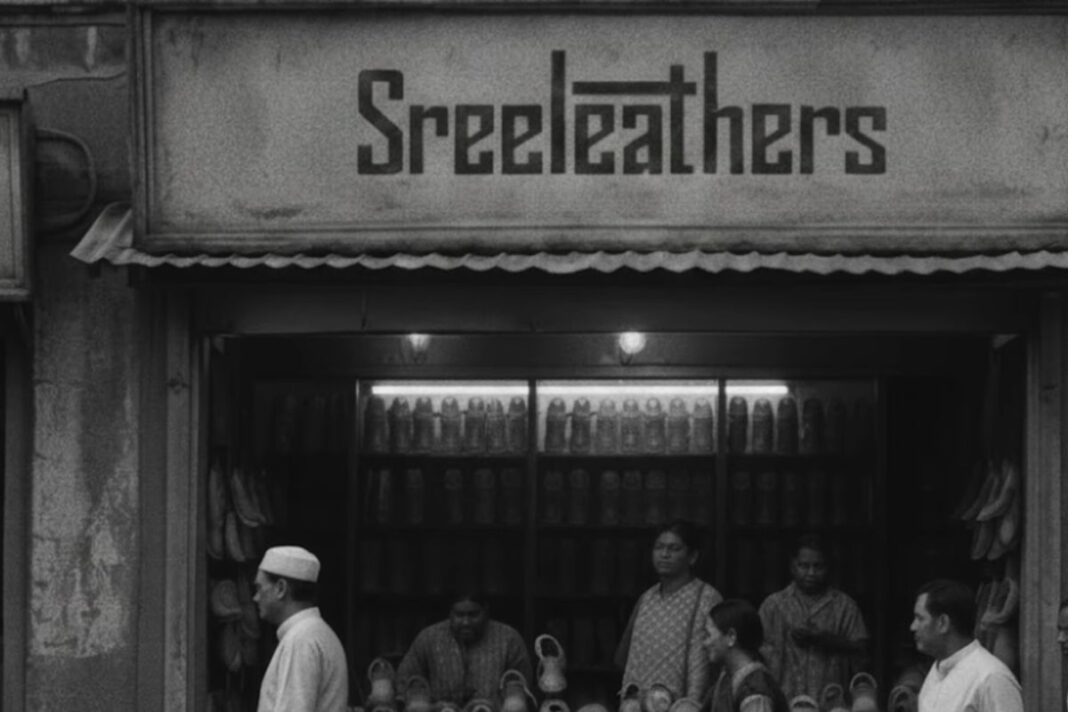

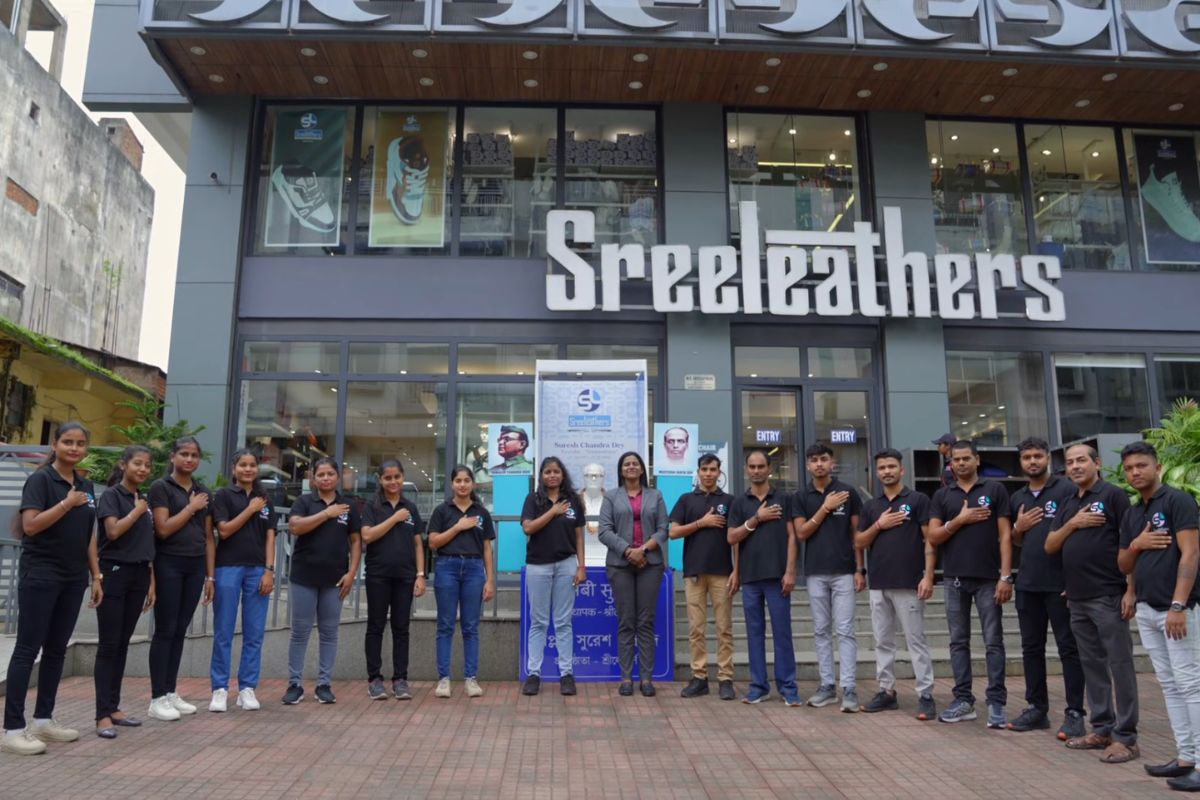
In 1952, on a narrow road in Jamshedpur, a man who had once taken up arms for India’s Independence opened a small shoe shop. There were no advertisements, no ribbon cuttings, no speeches. Suresh Chandra Dey unlocked the door, set out his stock, and waited for his first customer. That shop was Sreeleathers. Over seventy years later, it is still open. And the family that started it is still running it.
The Man Who Traded a Rifle for a Last
Suresh Chandra Dey was born in Dhaka and came of age at a time when young men with strong convictions joined underground movements rather than sitting for examinations. He participated in the Chittagong Armoury Raid and fought in the Battle of Jalalabad Hills alongside Surya Sen and his band of revolutionaries. These were not peripheral skirmishes. They were among the most daring acts of armed resistance in the entire freedom movement.
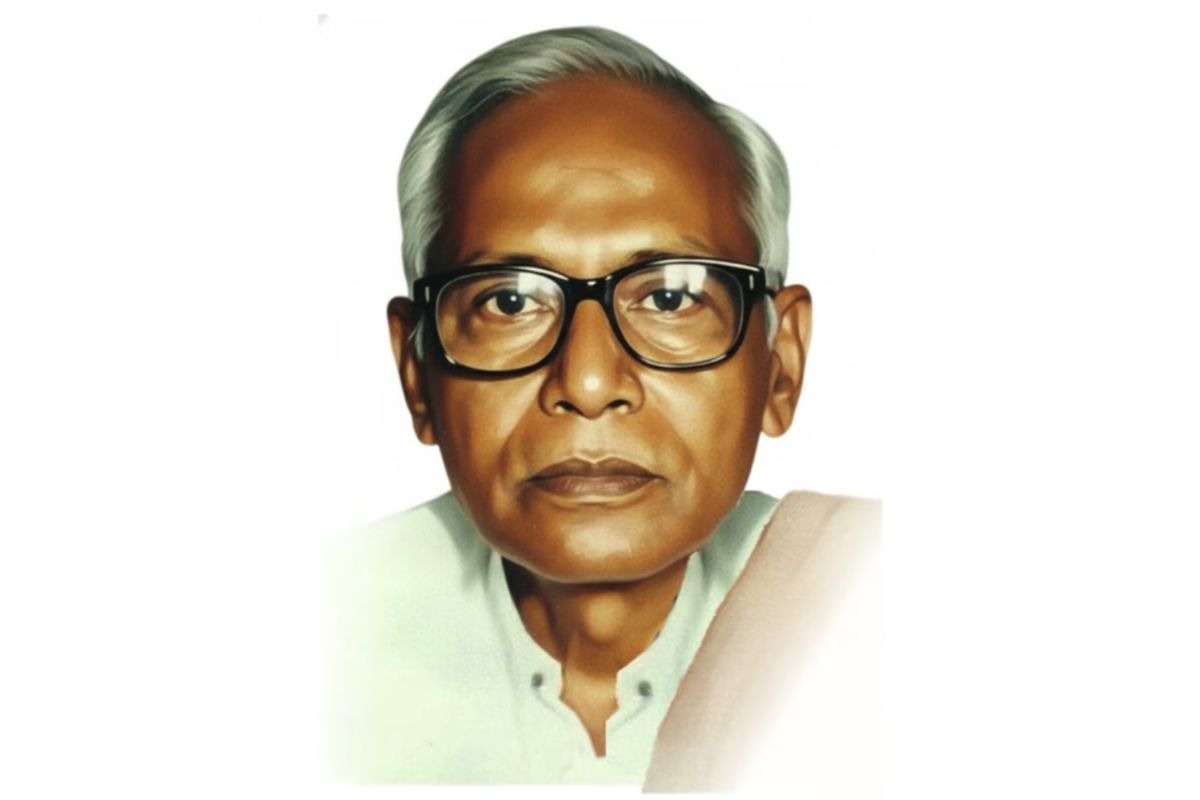
After Independence, Dey faced the question that many former fighters quietly struggled with: What does a man of principle do when the cause is won? For him, the answer came in the form of leather, thread, and a workshop floor. He believed that India, newly free, needed to make things for itself and not depend on foreign goods for necessities. He chose footwear precisely because it was ordinary. After all, everyone needed them, but quality shoes were still far beyond the reach of most Indian families at the time.
He named his business Sreeleathers and set it up at Kamani Centre on M. Road in Jamshedpur. It was a workshop and a retail shop combined, modest in every visible way and serious in every practical one.
What the Family Built, Room by Room
The Dey family did not simply own Sreeleathers. They lived inside it. Children grew up watching leather being cut and stitched. The smell of the workshop was the smell of home. Customers who came in to buy school shoes for their children were greeted by the same faces year after year. This was not a retail strategy. It was simply how the family operated, and it evoked a loyalty that no advertising budget could have purchased.
Suresh Chandra Dey’s son, Sekhar Dey, took charge of the second generation. He was disciplined and deliberate, focused on building the business his father had started, rather than racing to expand. He strengthened the daily operations, held the line on quality, and watched the brand grow through word of mouth across eastern India. The major step he oversaw was the opening of Sreeleathers’ first franchise store in Cuttack, which formally established a model that the brand would follow for decades. That single store in Cuttack was proof that the idea could travel beyond Jamshedpur.

The Third Generation Widens the Road
Sushanto Dey and his wife, Pujarini Dey, led Sreeleathers through what might be called its most visible transformation. They opened new showrooms, renovated the older ones, and significantly widened the product range. Under their watch, the brand moved beyond footwear into leather bags, belts, wallets, and backpacks. All of it was made in India. All of it was priced to remain within reach of the family that had been coming to Sreeleathers for three generations.
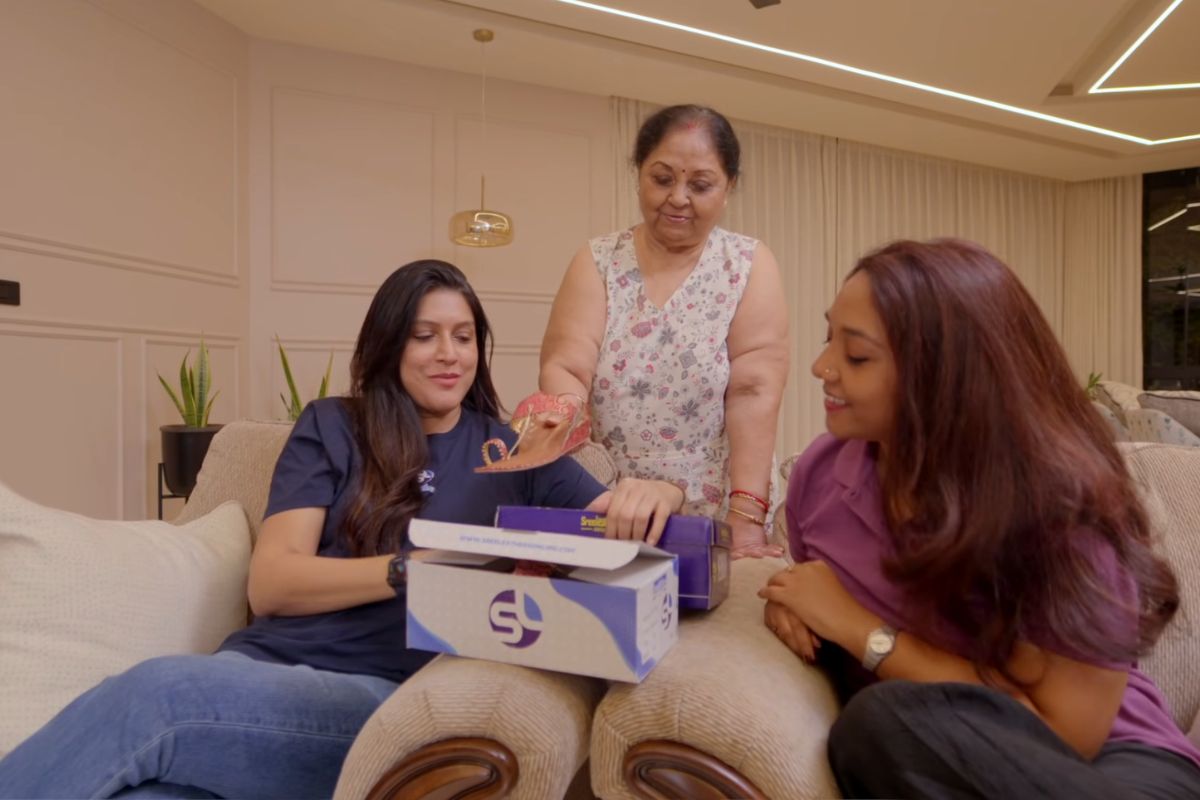
Sushanto’s sister, Rijuta Dey, played a part in maintaining the values the family had always associated with the brand. This was not ceremonial stewardship. It reflected a deliberate decision to ensure growth did not come at the cost of what the brand stood for.
What the third generation understood well was that Sreeleathers had become an institution in eastern India. People trusted it in a quiet, unspoken way. They did not think twice before buying their child’s first school shoes from Sreeleathers. Protecting that trust required as much care as expanding the business.
Who Leads Sreeleathers Today
The current managing director is Satyabrata Dey, who has led the company for over twenty-five years. He runs the organisation in a manner that colleagues describe as personal rather than corporate. Within the company, he is known as “Dada,” a term that signals both familiarity and responsibility. His stated priority has always been straightforward: make good footwear available at the lowest price that honest manufacturing allows.
His wife, Shipra Dey, serves as an executive director, contributing to governance and the longer-term decisions required of a listed company. Their daughter, Rochita Dey, brings a more contemporary perspective to the brand’s direction, particularly in digital presence, online sales, and how younger customers interact with a heritage label. The board also includes independent directors who handle compliance and corporate oversight, a practical recognition that a growing company needs structure beyond family consensus.
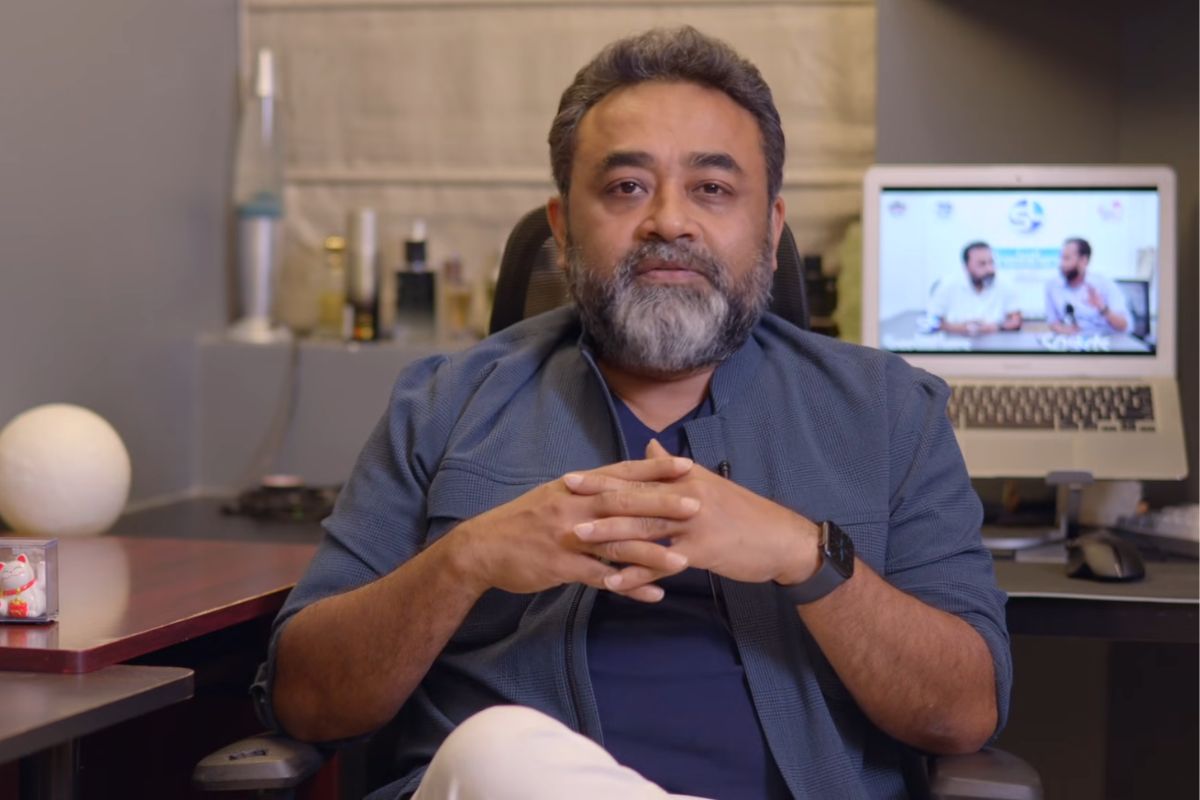
The fourth generation is represented by Swayam Dey, who has grown up in an era of e-commerce and instant comparison. His contribution to the brand is generational in the truest sense. He understands how customers search for products, how they read reviews, and how a brand that built itself on physical trust needs to earn the same trust in the digital space.
A Catalogue Built for Everyone
Sreeleathers has never positioned itself as a premium brand, nor has it sought to define itself as a low-budget brand. The catalogue holds formal leather shoes alongside casual sandals, school footwear alongside sports lines, and everyday accessories alongside travel bags. A customer spending modestly and another spending generously shop in the same store, and neither feels out of place.
This range is not without thought. It reflects a founding belief that quality footwear should not differentiate people by income. A nurse working twelve-hour shifts deserves the same quality of manufacturing as the professional attending a board meeting. That belief, planted by a freedom fighter in 1952, has remained the basic principle of the brand’s product decisions ever since.
The Shoe That Carries a Legacy
In festival seasons, Sreeleathers stores in eastern Indian cities are filled with families choosing pairs for school terms, weddings, and new jobs. Many of the adults in those queues remember buying from Sreeleathers as children. Some of them have parents who bought their first good shoes from the same brand.
That continuity is what Suresh Chandra Dey’s original idea has produced: not a corporation, not a franchise empire, but a name that ordinary people trust without having to think too hard about it. A shoe shop that became a home, and a home that, over seventy years, grew into a quiet and enduring part of how India walks.
What Seven Decades Prove
It is worth considering what it actually means for a family business to survive for four generations in a competitive, price-sensitive market with low barriers to entry. Entering the footwear category is not difficult. There is no shortage of competitors, domestic and foreign. Many companies with larger marketing budgets and broader distribution networks have come and gone over the decades that Sreeleathers has quietly been building its customer base.
What the brand has done differently is not complicated to describe, though it is difficult to execute. It has kept its promise consistent. The shoes are made in India. The prices are honest. The quality holds. The family that runs the company is the same family that founded it, and they treat the brand’s reputation as a personal matter, which, in every meaningful sense, it is.
Also Read:Dehradun’s Sweet Story: Elloras Bakery
You can connect with DNN24 on Facebook, Twitter, and Instagram and subscribe to our YouTube channel