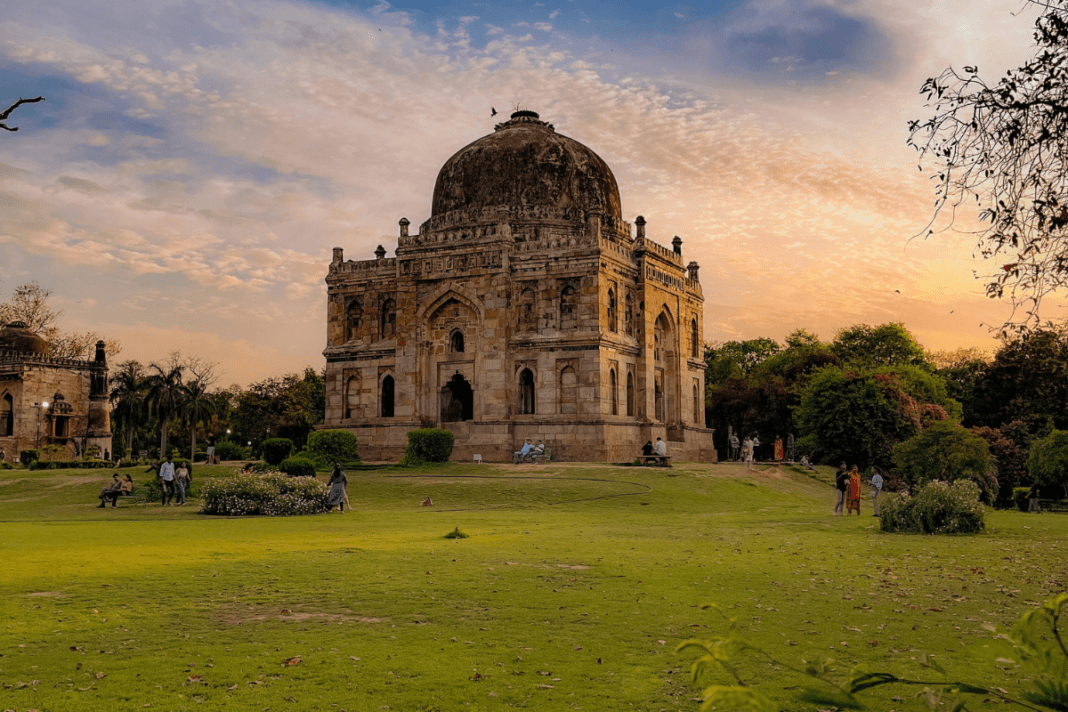

Lodhi Garden has completed 90 years today. Inaugurated on April 9, 1936, this beautiful garden has become a key icon of Delhi. Amid the city’s fast and busy life, Lodhi Garden is a peaceful oasis where history and nature co-exist. It remains a favorite spot for walkers, history lovers, and tourists.
Spread over nearly 80 acres, the garden dates back to the 15th century, when rulers of the Lodi dynasty used this area as a burial ground. It houses the tombs of rulers like Muhammad Shah and Sikandar Lodi, making it a living piece of history.
Public Garden Begins
The transformation into a public garden happened in 1936 during British rule, when it was named Lady Willingdon Park. After India’s independence in 1947, it was renamed Lodhi Garden, symbolizing the country’s reconnection to its heritage.
In 1968, famous architects Garrett Eckbo and Joseph Allen Stein redesigned the garden. They added features like a glasshouse, a lake, a bonsai park, and a rose garden, while preserving its historic charm.
The garden is not just about famous tombs. It also has lesser-known structures, including a mysterious tower believed to belong to the Tughlaq dynasty, reflecting centuries of Delhi’s past.
A Cultural Space Today
Today, Lodhi Garden is more than just a park. It is a cultural space where heritage, environment, and people’s daily lives come together. Whether it’s morning walks, yoga, heritage walks, or quiet moments, it offers something for everyone.
A Filmy Connection
The green locales of the park provided a romantic backdrop to Farooq Shaikh and Deepti Naval’s courtship in the memorable film Chashme Buddoor. Since then, Lodhi Garden has been a popular filming location and a part of people’s memories and emotions.
800 Years of Green Legacy
Even 800 years ago, this area was full of greenery. According to the Hindustan Times, historian Minhaj-i-Siraj described it as “Bagh-e-Jadd,” meaning a blessed garden. Over time, tombs from the Sayyid and Lodi periods were built here.
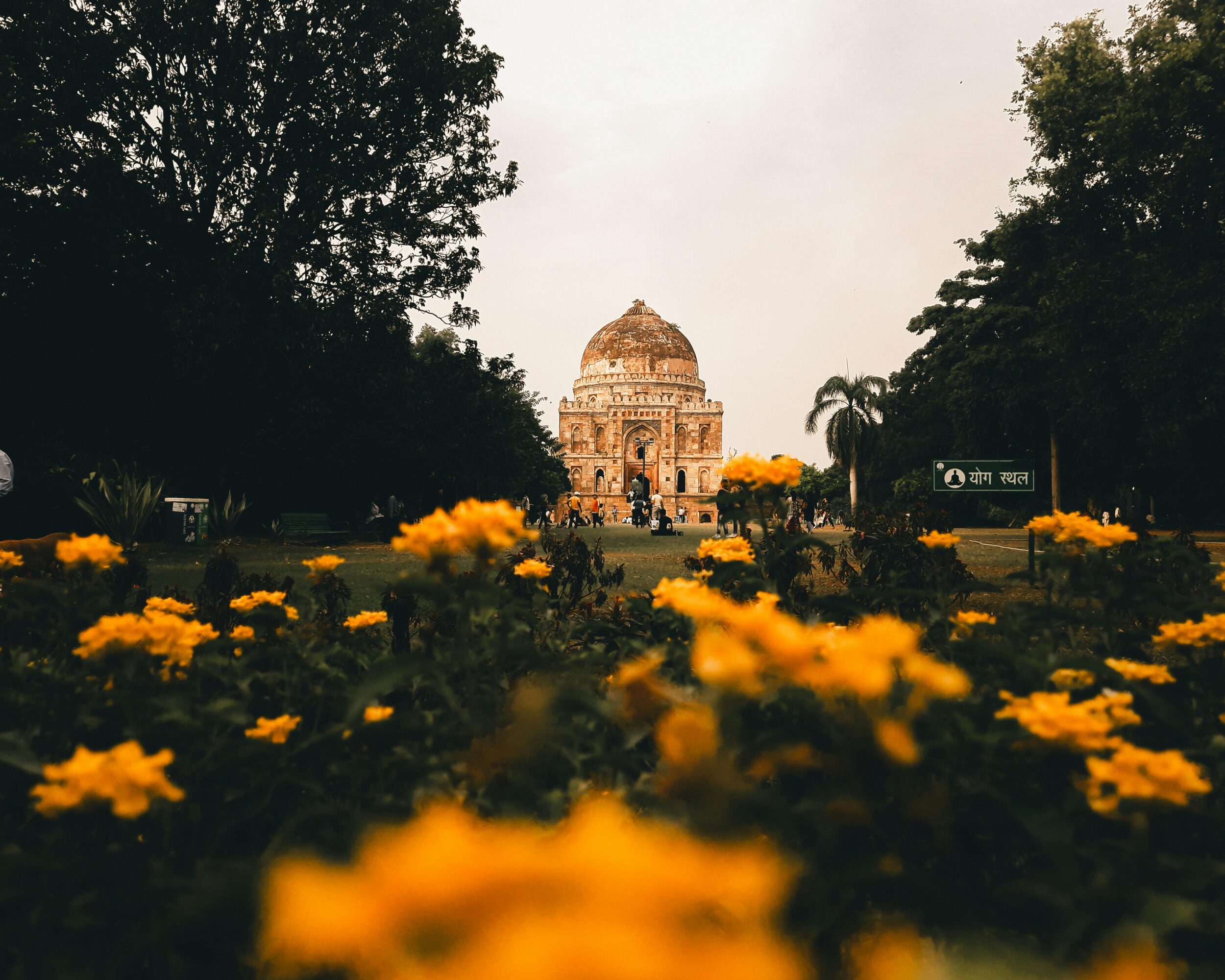
The garden includes major monuments like the Tomb of Muhammad Shah, Bada Gumbad, Sheesh Gumbad, and the Tomb of Sikandar Lodi. It also has a bridge from the Mughal era, ponds, and themed gardens.
According to oral historian Sohail Hashmi, the garden reflects the legacy of three dynasties- Sayyid, Lodi, and Mughal. He says villages like Khairpur were removed to develop the garden, and a natural stream once flowing here has now disappeared.
A Paradise for Nature Lovers
Lodhi Garden is truly a paradise for tree lovers. It has over 5,400 trees from more than 210 species, including native trees like neem and palash, as well as exotic ones like silver oak and Caribbean trumpet. The park also features a large bamboo grove, a glasshouse built in 1970, and a National Bonsai Park developed in 1996.
Still Alive with Care and Community
Around 80 gardeners and staff maintain the park, many of whom have been working here for decades and have seen its transformation. To celebrate its 90 years, special events were organized for gardeners and regular visitors. There were discussions on the environment and the Aravalli ecosystem, along with distribution of plant saplings.
Lodhi Garden remains a place where people can take a break from their busy lives and reconnect with nature and history. It reminds us that the past is not just in books – it is alive all around us.
Also Read: Delhi through the eyes of Sohail Hashmi
You can connect with DNN24 on Facebook, Twitter, and Instagramand subscribe to our YouTubechannel.