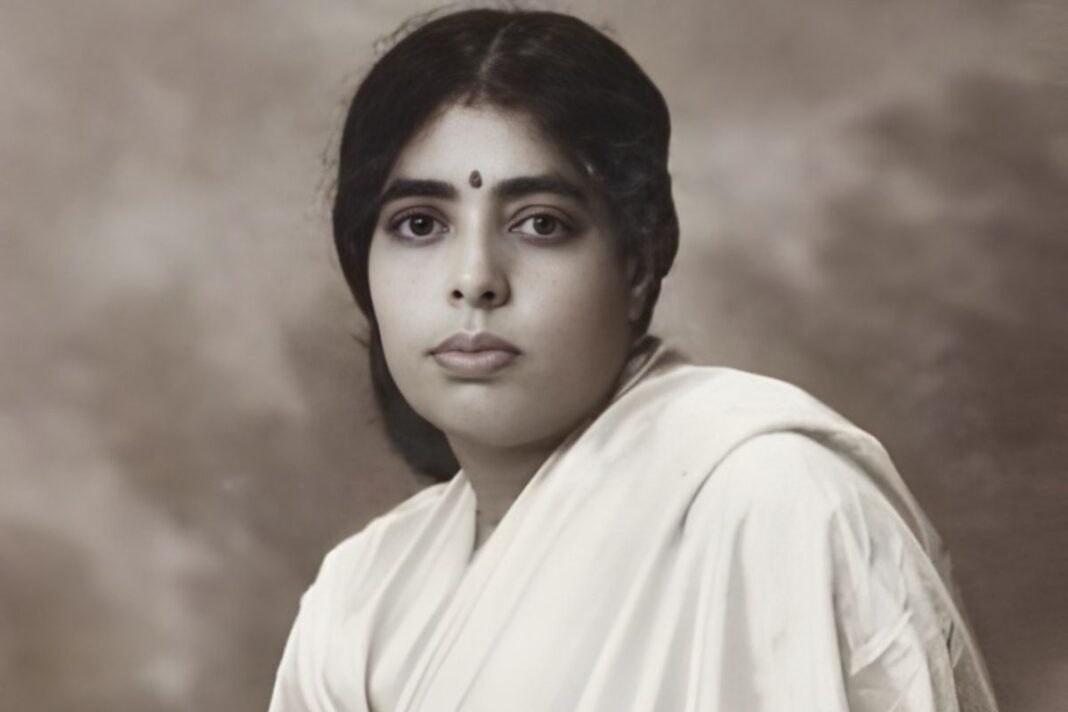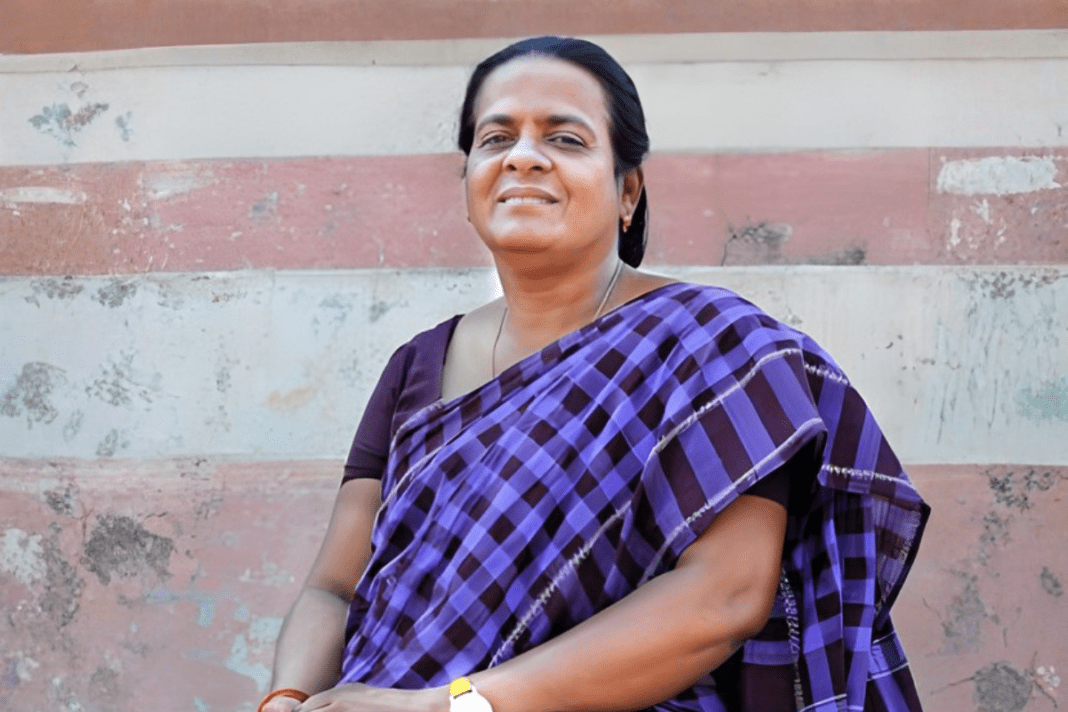

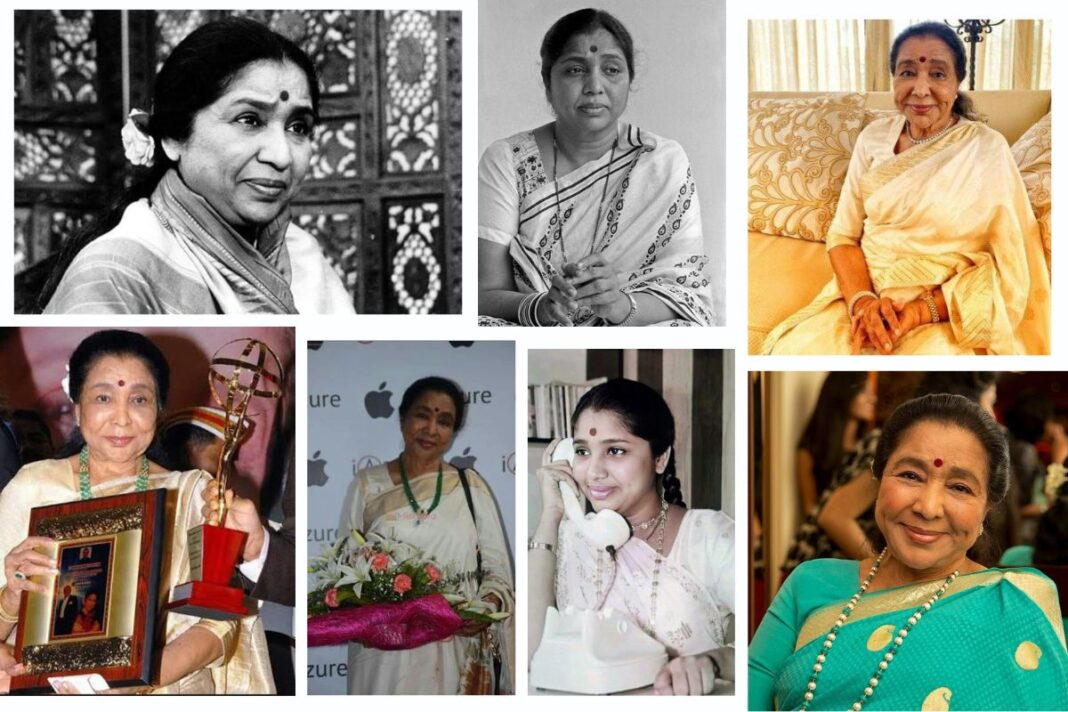

She sang more than 12,000 songs across twenty languages entering the Guiness Book of World Records. Asha Bhosle, whose voice gave life to characters ranging from cabaret dancers to grieving lovers, passed away at age 92 from multiple organ failure in Mumbai on Sunday. Her hospitalisation for exhaustion and a pulmonary infection ended a career that began when she was 10 years old.
The Mangeshkar Family and Early Hardships
Asha Mangeshkar was born on September 8, 1933, in Goar, a small town near Sangli in Maharashtra. Her father, Pandit Deenanath Mangeshkar, was both a Marathi stage actor and a classical singer. He trained his daughter in music from her early childhood. When he died, she was only nine and the family relocated to Mumbai. Survival meant singing and acting for any parts that came by.
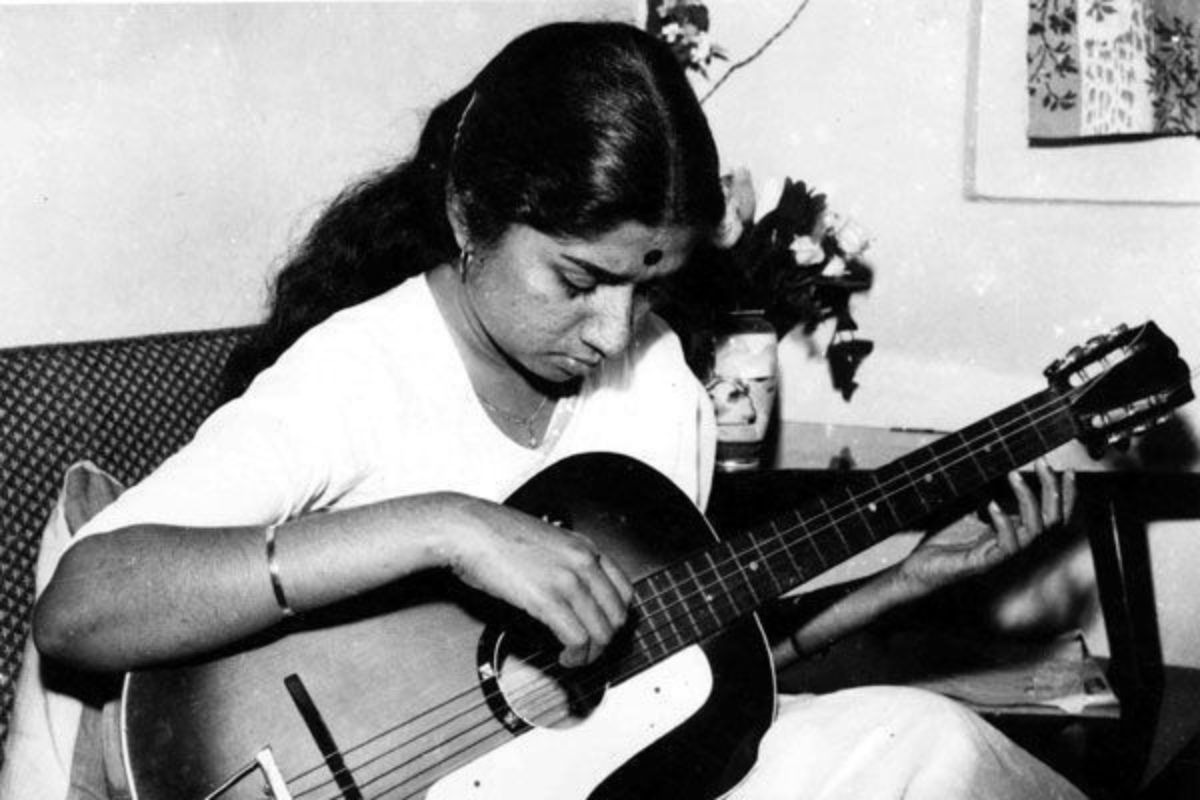
At 10, she recorded “Chala Chala Nav Bala” for the Marathi film ‘Majha Bal’ in 1943. Her Hindi debut came five years later with “Saawan Aaya” in ‘Chunariya’, followed by her first solo performance in ‘Raat Ki Rani’ in 1949. At 16, she eloped with Ganpatrao Bhosle. The marriage created a family rift and brought personal difficulties. She separated from her husband in 1960 after she had raised three children alone through much of the 1950s.
Building a Career in the Shadow of Giants
The 1950s was a difficult period for Asha Bhosle. The industry was dominated by Lata Mangeshkar, Geeta Dutt, and Shamshad Begum. Low-budget films were the only opportunities available. Composers like O.P. Nayyar, Sajjad Hussain, and S. Mohinder gave her breaks when others would not. She sang ten of the eleven songs in ‘Chham Chhama Chham’ in 1952 for O.P. Nayyar.
Her breakthrough performances included ‘Sangdil’ (1952) and Bimal Roy’s ‘Parineeta’ (1953). She voiced all the songs for Nargis in Raj Kapoor’s ‘Boot Polish’ in 1954. The duets with Mohammed Rafi in ‘Naya Daur’ (1957), particularly “Maang Ke Saath Tumhara,” established her credentials. For the first time, she did playback for the leading ladies rather than secondary characters.
The Nayyar Partnership and Transformation
O.P. Nayyar worked with Bhosle from 1952 through the 1970s. Their partnership defined what critics called her siren-ish style. “Aaiye Meharbaan” from ‘Howrah Bridge’ in 1958 became one of their iconic songs. Her duets with Rafi in ‘Naya Daur’, ‘Ek Musafir Ek Hasina’ (1962), and ‘Kashmir Ki Kali’ (1964) demonstrated a range that surprised audiences who had written her off.
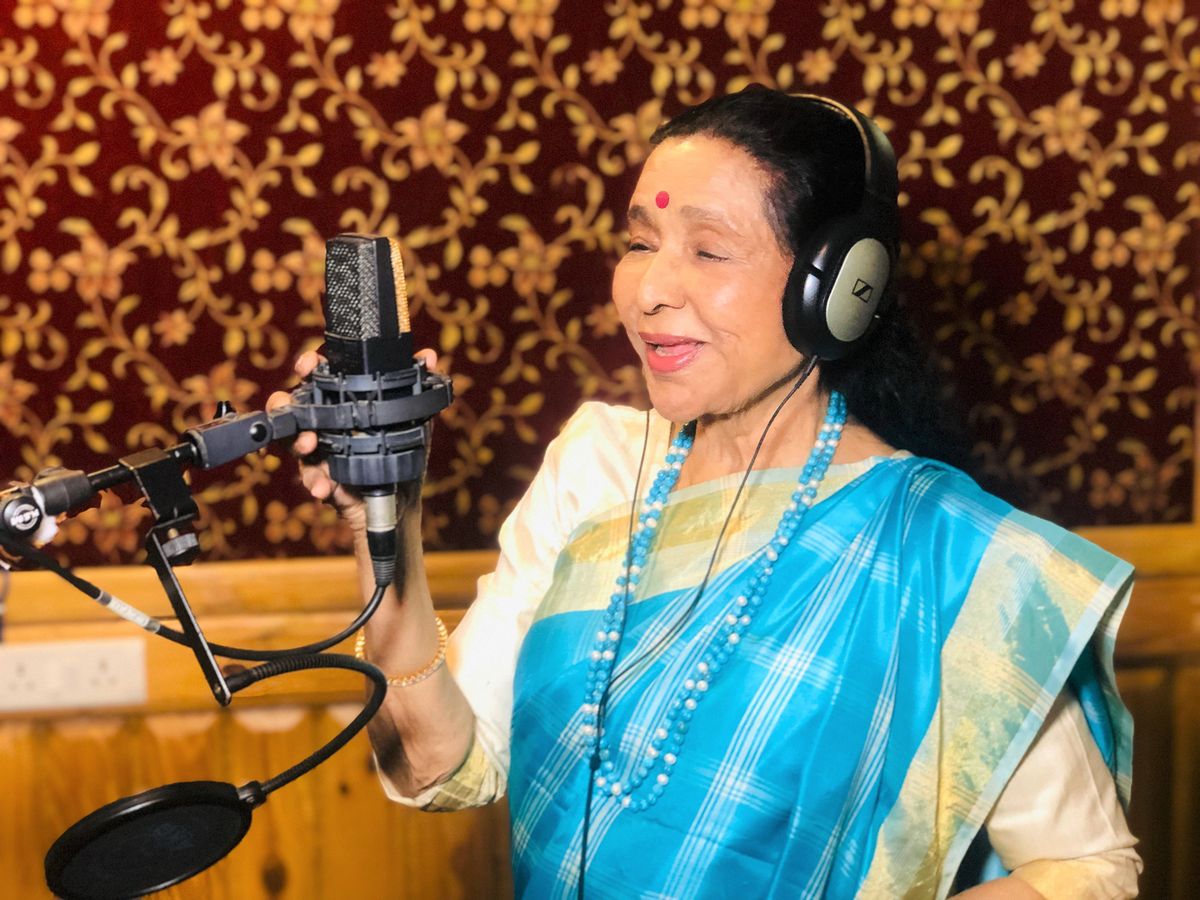
However, their professional relationship ended bitterly in 1972. The split followed years of creative tension. Despite the acrimony, the tracks they produced together still enjoy the massive popularity of yore.
R.D. Burman and a New Sound
R.D. Burman, known as Pancham Da, revolutionised her musical identity starting with ‘Teesri Manzil’ in 1966. “Aaja Aaja Main Hoon Pyar Tera” introduced a sound that bore little resemblance to her earlier work. She married Burman in 1980, though their professional collaboration had already produced extraordinary results.
“Piya Tu Ab To Aaja” from ‘Caravan’ in 1971 and “Dum Maro Dum” from ‘Hare Rama Hare Krishna’ the same year became defining moments in her career. Many of these songs were picturised on Helen, the dancer whose movements matched the complexity of the compositions. Other collaborators during this period included Sachin Dev Burman on ‘Nau Do Gyarah’, Ravi on the lullaby from ‘Chanda Mama Door Ke’, and Shankar-Jaikishan on “Parde Mein Rehne Do” from ‘Shikar’ in 1968.
Versatility Across Musical Forms
Bhosle refused to limit herself to film songs. She performed cabaret numbers, ghazals, bhajans, pop arrangements, classical compositions, folk songs, qawwalis, and Rabindra Sangeet. In 1981, ‘Umrao Jaan’ featured her ghazals, with “Dil Cheez Kya Hai” earning her a National Film Award. The music came from Khayyam. “Mera Kuchh Saamaan” from ‘Ijaazat’ in 1987 brought her the second National Award.
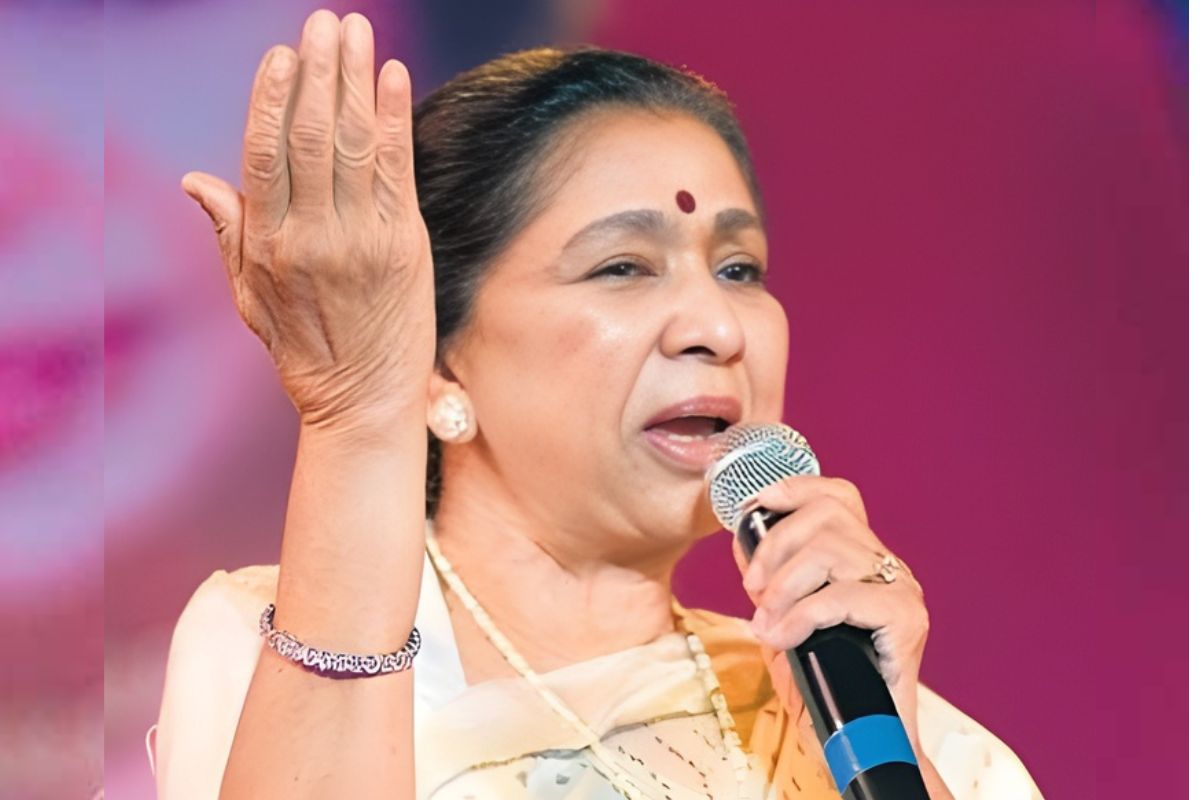
Her later work included A.R. Rahman’s “Rangeela Re” from ‘Rangeela’ (1995) and “Radha Kaise Na Jale” from ‘Lagaan’ (2001). She voiced actresses including Urmila Matondkar and Rekha. At 79, she made her acting debut in ‘Mai’ in 2013, earning critical attention for her portrayal of a woman with Alzheimer’s disease.
Non-film projects extended her reach beyond Bollywood. ‘Dil Padosi Hai’, released in 1987, was created with R.D. Burman and Gulzar and demonstrated her interest in album work. ‘Legacy’ from 1997, recorded with sarod maestro Ustad Ali Akbar Khan, earned her the first Grammy nomination.
Recognition and Awards
Bhosle won seven Filmfare Best Female Playback Singer Awards, tying the record with Alka Yagnik. The wins came for “Garibon Ki Suno” from ‘Dus Lakh’ in 1967, “Parde Mein Rehne Do” from ‘Shikar’ in 1969, “Piya Tu Ab To Aaja” from ‘Caravan’ in 1972, “Dum Maro Dum” from ‘Hare Rama Hare Krishna’ in 1973, “Hone Lagi Hai Raat” from ‘Naina’ in 1974, “Chain Se Humko Kabhi” from ‘Pran Jaye Par Vachan Na Jaye’ in 1975, and “Yeh Mera Dil” from ‘Don’ in 1979. Filmfare also gave her a Special Award in 1996 for ‘Rangeela’ and a Lifetime Achievement Award in 2001.
The Dadasaheb Phalke Award, India’s highest cinema honour, came in 2000. She received the Padma Vibhushan, the second-highest civilian award, in 2008. In 2011, the Guinness Book of World Records recognised her as the most recorded artiste, with more than 11,000 songs.
Global Reach
Bhosle became the first Indian singer to receive a Grammy nomination for ‘Legacy’ in the Best Global Music Album category in 1997. Her second Grammy nomination came in 2006 for ‘You’ve Stolen My Heart: Songs from the Films of R.D. Burman’, recorded with the Kronos Quartet. The album was nominated for the Best Contemporary World Music Album.
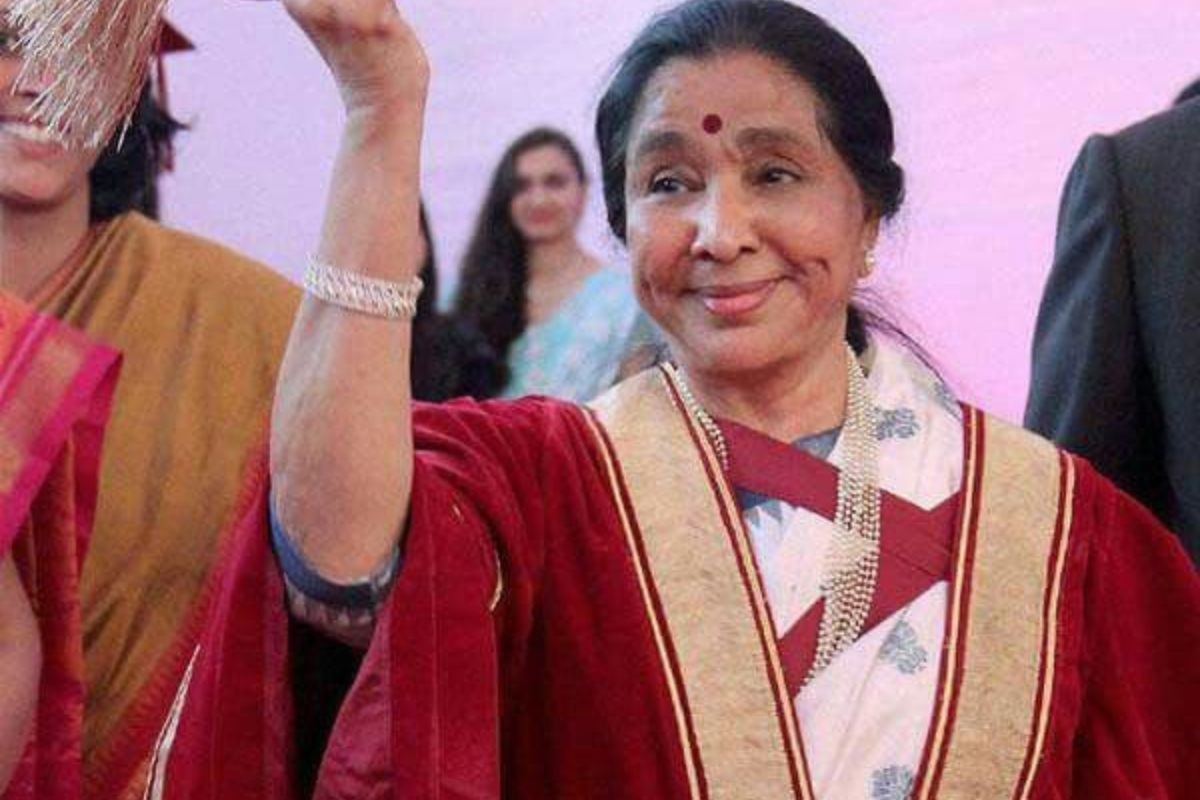
Her international collaborations included work with Boy George and Michael Stipe from R.E.M. on “The Way You Dream” for the 1 Giant Leap project in 2002. She worked with Nelly Furtado and Code Red. In 2026, she appeared on the Gorillaz album The Mountain, performing “The Shadowy Light” with Zakir Hussain.
Her music influenced Western artists. The Black Eyed Peas sampled her work in “Don’t Phunk With My Heart” in 2005. Cornershop’s “Brimful of Asha” from 1997 reached number one on UK charts as a direct tribute to her Legacy.
Final Years
In her eighties and nineties, Bhosle judged the television show Sur Kshetra in 2012 and launched her YouTube channel in 2020. She owned restaurants called Asha’s, combining her passion for music with her interest in cuisine. Despite tensions with her sister Lata Mangeshkar over the years, they recorded duets together, including “Main Chali” from Padosan in 1968.
Her journey from a child singer in low-budget films to an internationally recognised artist represents more than professional success. It documents resilience through personal hardship, adaptability across changing musical styles, and the determination to expand beyond the boundaries others tried to impose. She voiced the dreams, desires, and sorrows of characters across eight decades of Indian cinema. Those melodies remain.
Also Read:Janaki Ammal: One Botanist Who Transformed India’s Sugarcane Forever
You can connect with DNN24 on Facebook, Twitter, and Instagram and subscribe to our YouTube channel.