
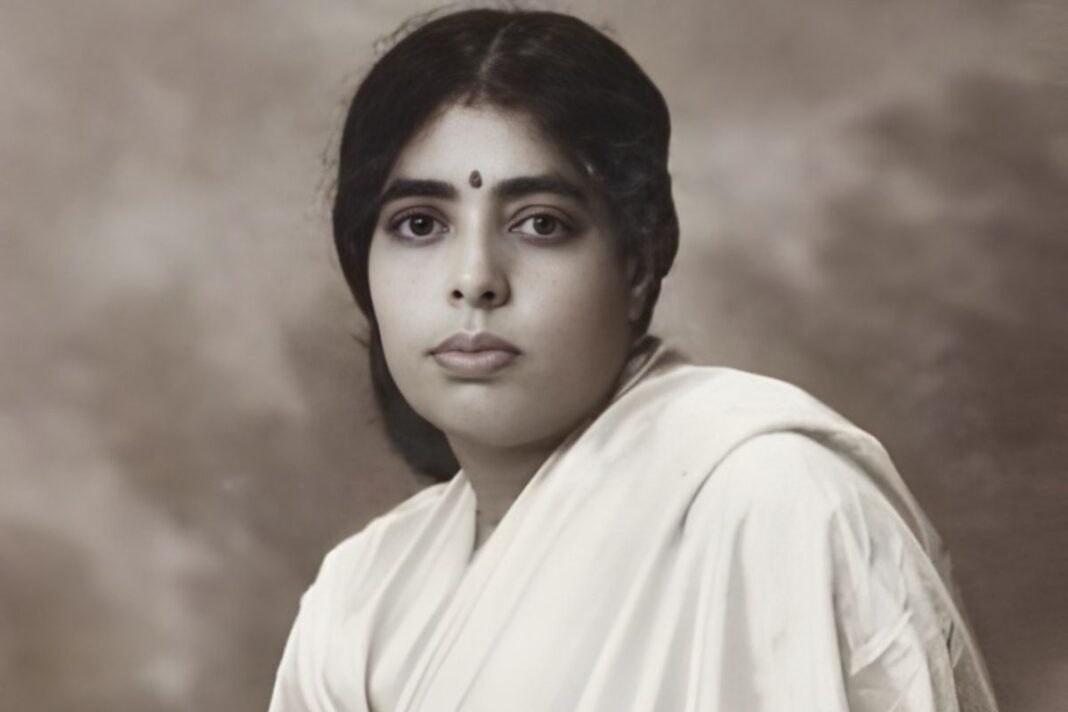

How did a country dependent on imported sugar become the world’s second largest producer? The answer lies in the laboratory work of a Kerala-born botanist who spent decades crossing wild grasses with tropical canes, creating varieties that could thrive in Indian soil. Dr Edavaleth Kakkat Janaki Ammal transformed the nation’s agricultural landscape, yet her name remains absent from most textbooks.
A Childhood in Colonial India
Janaki Ammal was born on November 4, 1897, in Thalassery, a coastal town in Kerala, where her father served as Deputy Collector in the Madras Presidency. Her mother came from mixed British and local ancestry. The family included 12 children. Ammal was the third youngest.
While her sisters accepted arranged marriages, Ammal chose a scholarship. This decision carried weight in early 20th-century India, where women rarely pursued higher education. She attended Sacred Heart Convent for primary schooling, then moved to Queen Mary’s College in Madras for her bachelor’s degree. At Presidency College, she finished first in the Botany honours course.
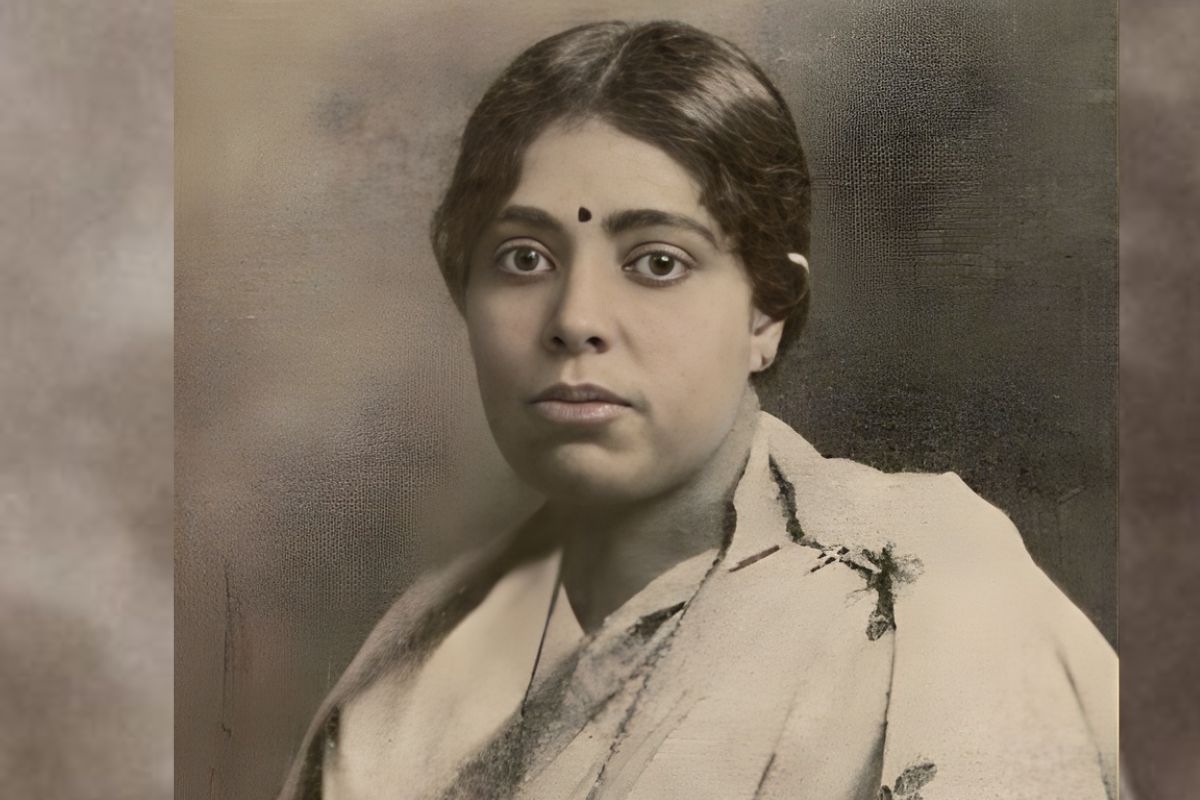
The Barbour Scholarship brought her to the University of Michigan in 1924. She completed a master’s degree in 1926 and taught briefly at Women’s Christian College in Madras before returning to Michigan as an Oriental Barbour Fellow. Her 1931 doctoral thesis examined chromosome patterns in Nicandra physaloides. She became the first Indian woman to earn a PhD in Botany from an American university.
Early Research and Professional Obstacles
Ammal returned to India in 1932 and taught Botany at Maharaja’s College in Trivandrum for two years. In 1934, the Sugarcane Breeding Institute in Coimbatore hired her as a geneticist. The institute, founded in the early 1920s, aimed to develop varieties suited to Indian conditions.
Her position came with difficulties. Male colleagues viewed her as an outsider. She was unmarried, from what some considered a backward caste, and a woman in a field dominated by men. Despite the cold reception, she worked on intergeneric crosses between Saccharum and Zea, pushing the boundaries of what plant breeders thought possible.
When World War II began, Ammal was attending the 1939 International Congress of Genetics in Edinburgh. The conflict stranded her in Britain. She joined C.D. Darlington at the John Innes Horticultural Institution, where they collaborated on The Chromosome Atlas of Cultivated Plants. Published in 1945, the atlas catalogued chromosome numbers for more than 100,000 plant species. Breeders and evolutionists used it as a reference for decades.
The Royal Horticultural Society employed her from 1945 to 1951 at their Wisley gardens. She was their first female salaried scientist. There, she treated magnolias with colchicine to induce polyploidy, creating new varieties. Magnolia kobus ‘Janaki Ammal’ still grows in those gardens.
The Sugarcane Problem
In the 1920s, India grew two types of sugarcane. Saccharum spontaneum, native to the subcontinent, survived well but produced little sugar. Saccharum officinarum, imported from Southeast Asia and Papua New Guinea, yielded sweet juice but struggled in Indian climates. Sugar mills depended on foreign varieties that often failed.
Ammal understood that the solution required combining the hardiness of wild Indian canes with the sweetness of tropical imports. Her cytogenetics training allowed her to manipulate chromosome numbers through controlled crosses. In the laboratory, she developed polyploid strains that carried traits from both parent species.
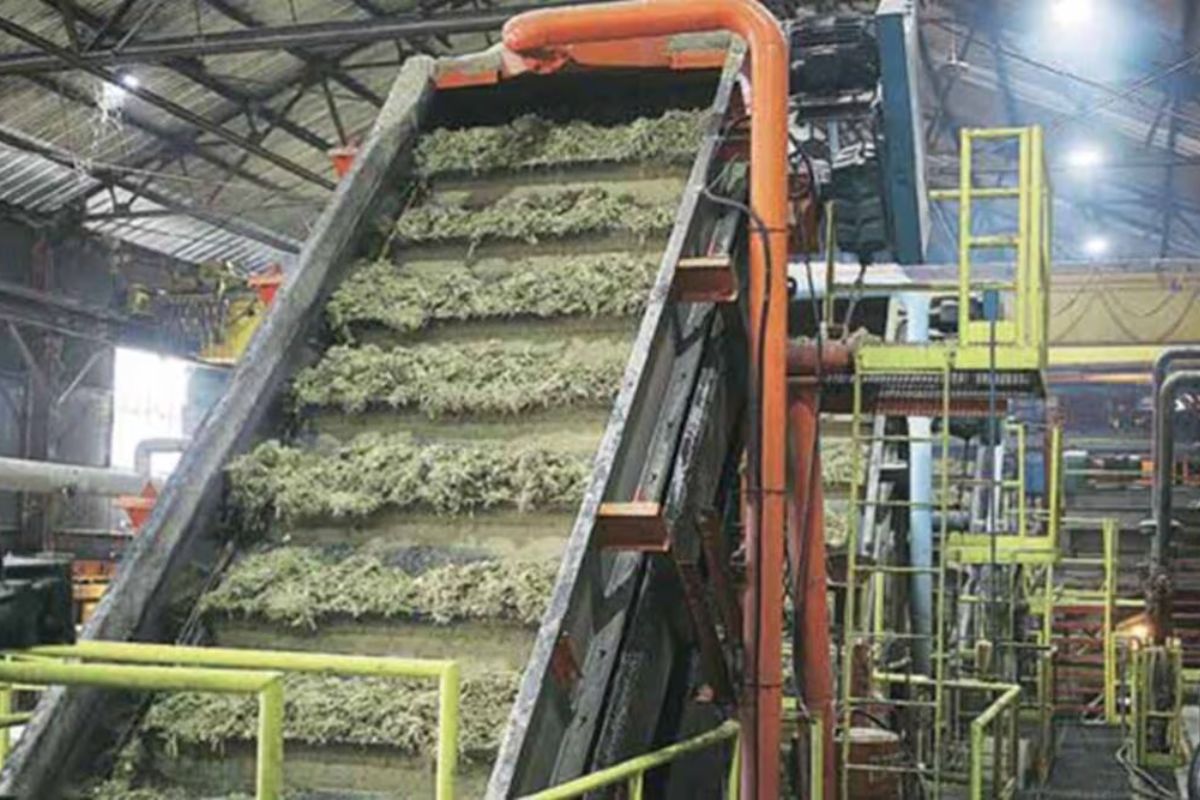
The hybrid Co 205, later refined as Co 527, emerged from crosses between S. spontaneum and S. officinarum. This variety and others in the Co series showed disease resistance, higher sucrose content, and better adaptation to subtropical conditions. Farmers could grow them reliably across different soil types and climates.
A 1938 dispute challenged her work. Critics questioned whether her Saccharum-Zea hybrid was valid. She persisted in defending her research. The controversy was eventually resolved in her favour, but it demonstrated the resistance she faced from established scientists.
Geographic Distribution and Breeding Strategy
Ammal mapped where different sugarcane species grew across India. Her surveys confirmed that S. spontaneum originated in the Indian subcontinent. This geographic knowledge informed breeding decisions. She could select parent plants based on their evolutionary history and environmental adaptation.
The research extended beyond sugarcane. She applied similar techniques to brinjal, creating polyploid eggplant hybrids. Her cytogenetic studies covered Solanum, Datura, Mentha, Cymbopogon, and Dioscorea. In the Himalayas, she observed that polyploidy occurred more frequently in the humid northeastern regions than in the dry northwestern regions. She attributed this pattern to hybridisation between Chinese and Malayan plant populations.
Return and Recognition
Prime Minister Jawaharlal Nehru invited Ammal back to India in 1951. She reorganised the Botanical Survey of India and became the first director of its Central Botanical Laboratory in Allahabad. The position allowed her to shape botanical research across the country.
Later appointments included Officer on Special Duty at the Regional Research Laboratory in Jammu in 1962 and a brief period at Bhabha Atomic Research Centre. She spent her final years as Emeritus Scientist at the Centre for Advanced Study in Botany at the University of Madras.
Professional recognition came through fellowships in the Indian Academy of Sciences in 1935 and the Indian National Science Academy in 1957. The University of Michigan awarded her an honorary doctorate of laws in 1956, citing her painstaking observational work. India granted her the Padma Shri in 1977.
Conservation Work and Ethnobotany
After retirement, Ammal shifted her focus to medicinal plants and ethnobotany. She documented how South Indian tribal communities used Dioscorea species and studied plant diversity in Kerala rainforests. At the Maduravoyal laboratory in Madras, she maintained a garden of medicinal specimens.
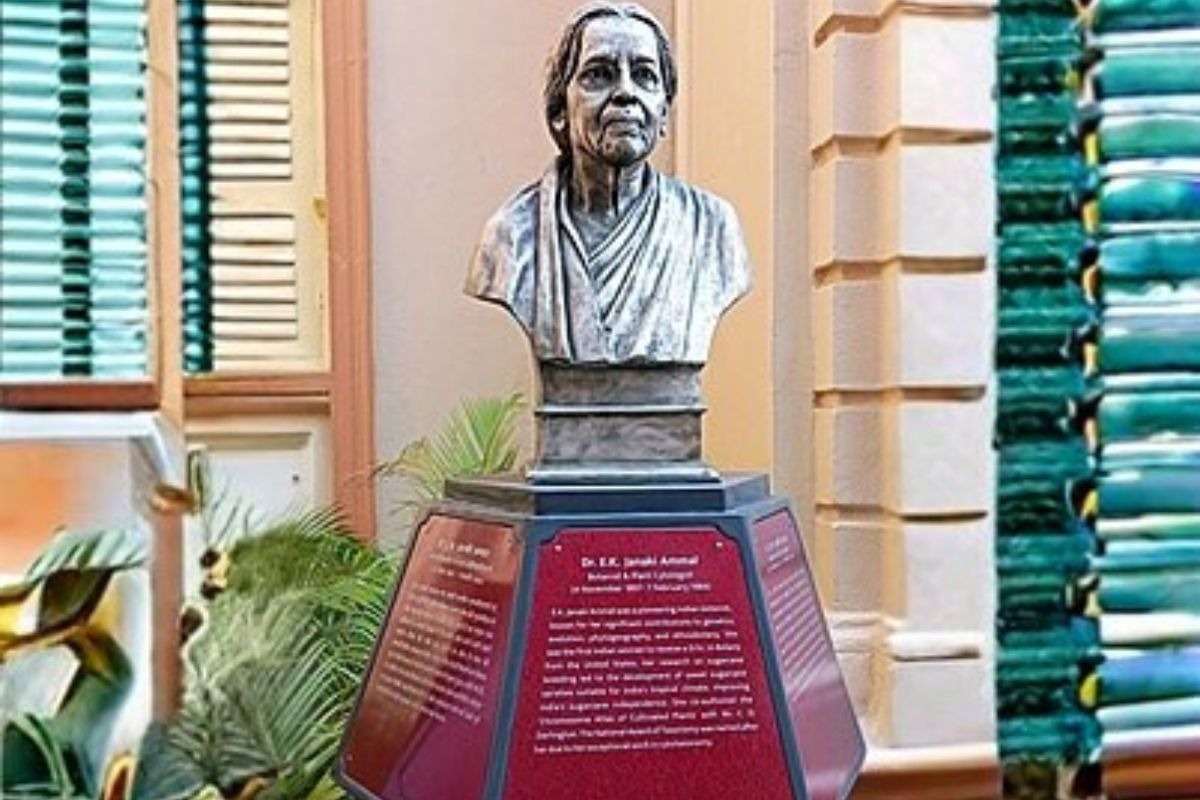
Environmental advocacy occupied her final years. She opposed a hydroelectric dam planned for Silent Valley, arguing it would destroy unique forest ecosystems. Her campaign contributed to the area’s designation as a national park in 1984, months after her death. The park protects rare orchid species and other flora she had documented.
The Industrial Transformation
Ammal’s hybrids changed India’s position in global sugar markets. Before independence, the country imported sugar to meet domestic needs. By the 1950s, production from Co series varieties began rising. Mills expanded across sugarcane-growing regions. The industry employed millions of rural workers.
By the 2020s, India harvested more than 500 million tons of sugarcane annually. Only Brazil produced more. Sucrose recovery rates climbed from 8 to 10 per cent in older varieties to above 18 per cent in modern strains descended from Ammal’s work. Yields in field trials increased by 3 to 11 tons per acre.
Specific varieties demonstrate the lasting impact. Co 0238 covered 36 per cent of the cane area in Uttar Pradesh in recent surveys. Co 11015, bred for resistance to red rot disease, spread across 94,000 acres in Tamil Nadu alone. The Coimbatore Institute continues to develop new Co varieties, building on the genetic foundation Ammal established.
The economic effects became visible beyond sugar production. India began exporting surplus sugar. The government promoted ethanol blending, aiming for a 70 per cent blend with gasoline. Sugarcane supported the livelihoods of approximately 50 million farmers. Revenue from sugar and related products reached billions of dollars annually.
Posthumous Legacy
Several institutions created awards in Ammal’s name. The E.K. Janaki Ammal National Awards for Taxonomy, established in 1999, recognise work in plant and animal classification. The John Innes Centre offers scholarships for PhD students from developing countries.
Scientists named the newly discovered species after her. Sonerila janakiana, a flowering plant, and Dravidogecko janakiae, a gecko species, are named after her. In 2018, horticulturists introduced a rose variety called ‘E.K. Janaki Ammal’. The magnolias she planted at Wisley continue to grow.
Her career demonstrated how fundamental research in cytogenetics could solve practical agricultural challenges. The chromosome manipulation techniques she refined enabled breeders to combine desirable traits that would not cross naturally. This work provided food security for a growing population and economic independence for a developing nation.
India’s current status as a sugarcane powerhouse can be traced back to decisions made in Coimbatore laboratories during the 1930s and 1940s. A single researcher, working amid professional discrimination and wartime disruption, created crop varieties that outlasted her by generations. The sweet juice flowing through Indian mills today owes its existence to genetic crosses she made nearly a century ago.
Also Read:Indian Festivals: Heritage Celebrations Across Communities in April
You can connect with DNN24 on Facebook, Twitter, and Instagram and subscribe to our YouTube channel.