



When a district administration program offers free ultrasound scans to pregnant women in rural India, the results speak louder than policy. Over 138,000 expectant mothers in Ganjam district, Odisha, have received medical imaging at no cost since 2023, and maternal deaths have dropped from 97 per hundred thousand live births to 69 in just two years.
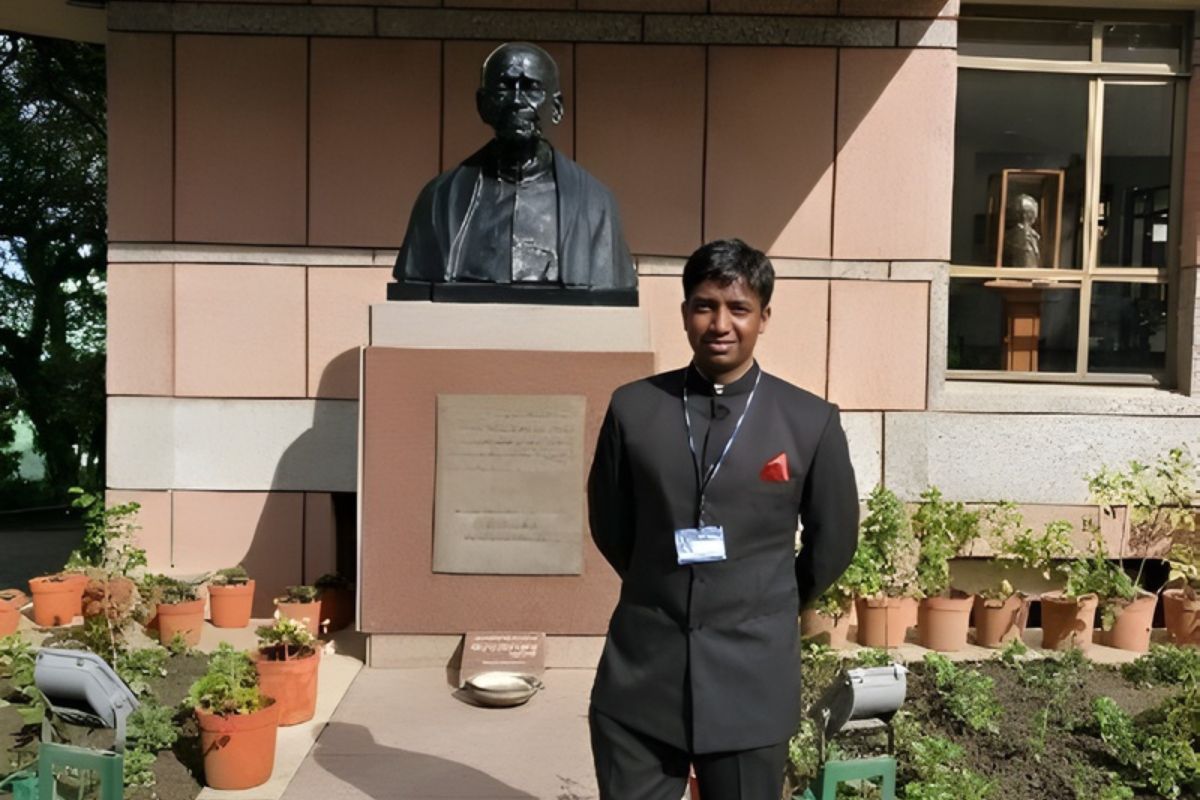
The Nirikhyana initiative, launched by IAS officer Dibyajyoti Parida, has turned a coastal district with scattered villages into a testing ground for maternal healthcare reform. The program, which works through partnerships with 42 private hospitals and clinics, is funded by state resources and coordinated through mobile technology. What began as an administrative experiment has become a documented case study in reducing preventable deaths.
The Healthcare Access Problem
Ganjam district spans coastal Odisha, with a population divided between small urban centres and isolated rural settlements. Expectant mothers in villages often travelled long distances for basic prenatal care, and ultrasound services remained either unavailable or prohibitively expensive. Many families spent significant portions of household income on a single scan, while others went without.
The absence of imaging meant that complications went undetected until delivery. High-risk conditions like placental abnormalities, multiple pregnancies, or fetal developmental issues were discovered only when intervention options had narrowed. The district recorded maternal mortality rates well above state and national targets, and neonatal deaths followed similar patterns.
Healthcare workers on the ground reported a familiar cycle. Women registered for antenatal care but skipped recommended tests due to the cost. ASHA workers and auxiliary nurse-midwives maintained paper registers but lacked tools to track individual cases over the course of months. By the time a pregnancy reached a critical stage, referral options became limited.
Building the Partnership Model
The Nirikhyana program addressed these gaps through government funding and private sector delivery. The state allocated resources under the SAMMPurNA scheme, a maternal health initiative that covers diagnostic costs. District authorities identified willing private facilities, negotiated per-scan rates, and created a network of ultrasound providers across Ganjam.
Pregnant women now receive three scans at participating clinics. ASHA and ANM workers coordinate appointments based on gestational age and clinical need. The district administration has spent over Rs 20 lakh maintaining the program, with each scan reimbursed directly to the provider after verification.
The partnership structure removed two traditional obstacles. Women no longer face upfront costs, and private facilities receive guaranteed payment for services. The model relies on existing infrastructure rather than building new government imaging centres, thereby accelerating implementation and reducing capital expenses.
A mobile application connects the administrative chain. Health workers register pregnant women digitally, entering basic medical information and expected delivery dates. The system generates automated reminders for upcoming scans and tracks completion rates. Ultrasound centres upload reports directly onto the platform, creating a digital record accessible to supervising doctors.
Measuring the Impact
Between 2023 and 2024, the initiative facilitated 85,000 ultrasound tests for expectant mothers, totalling 97,698 scans when repeat imaging and other procedures are included. Coverage rates approached 100 percent of registered pregnancies during this period.
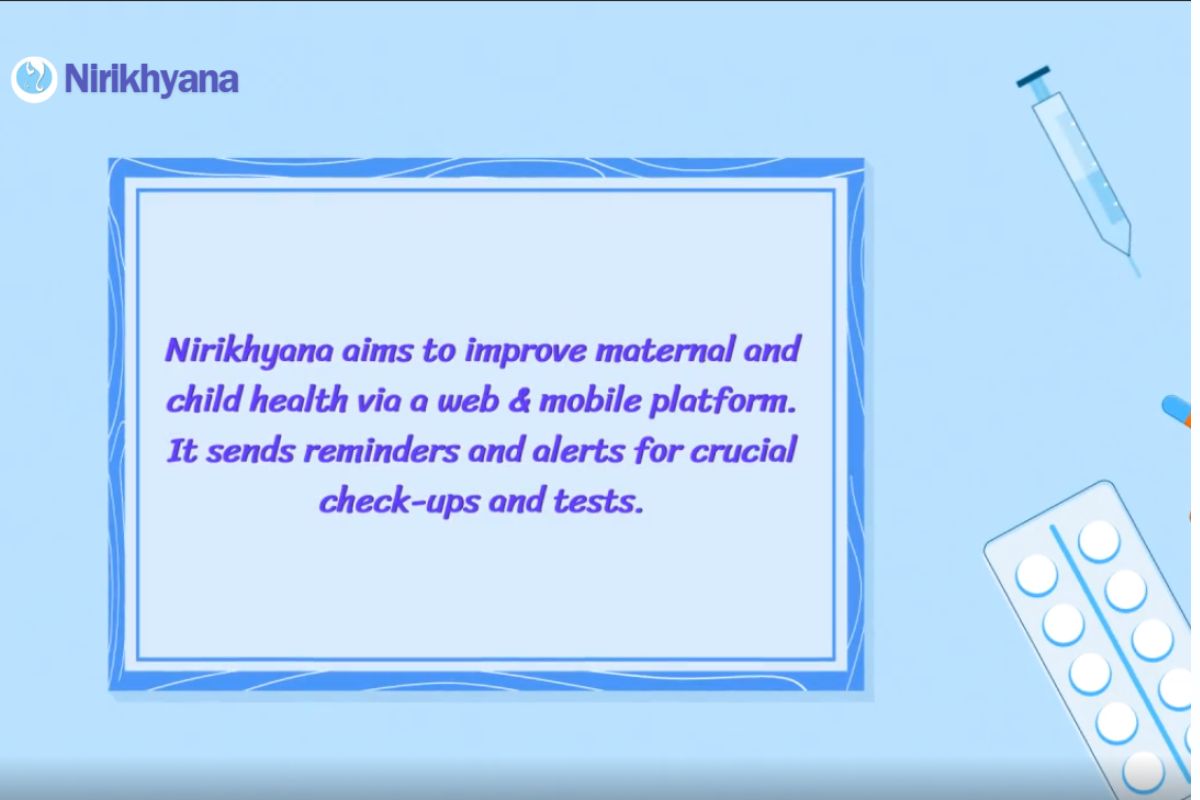
Detection rates for high-risk pregnancies increased from 4 percent to 25 percent. The digital system flags conditions like hypertension, diabetes, anaemia, multiple gestation, and abnormal fetal development. When the application identifies risk factors, it sends notifications to the responsible health worker and supervising medical officer. Early identification allows for planned institutional deliveries, timely referrals to higher-level facilities, and preventive interventions.
Neonatal mortality fell by half over two years. District health officials attribute the decline to earlier detection of fetal complications and better preparation for delivery. Institutional birth rates rose from 97 percent to 98.6 percent, while pre-term birth rates decreased as monitoring improved.
The maternal mortality reduction stands as the clearest indicator of success. The drop from 97 to 69 deaths per hundred thousand live births represents dozens of lives saved in a district of several million people. Central government maternal health teams have reviewed the program and recognised its effectiveness in rural settings.
Technology in a Low-Resource Setting
The Nirikhyana application functions as both a patient reminder system and an administrative dashboard. Pregnant women receive SMS alerts about scheduled scans even when they do not own smartphones. The text messages specify the date, time, and location of the nearest ultrasound facility.
Health workers use the application on basic smartphones or shared tablets. They register each woman by entering her village, age, medical history, and current pregnancy details. After each scan, they upload the radiologist’s report or mark key findings in standardised fields. The system calculates risk scores based on clinical criteria and automatically generates alerts.
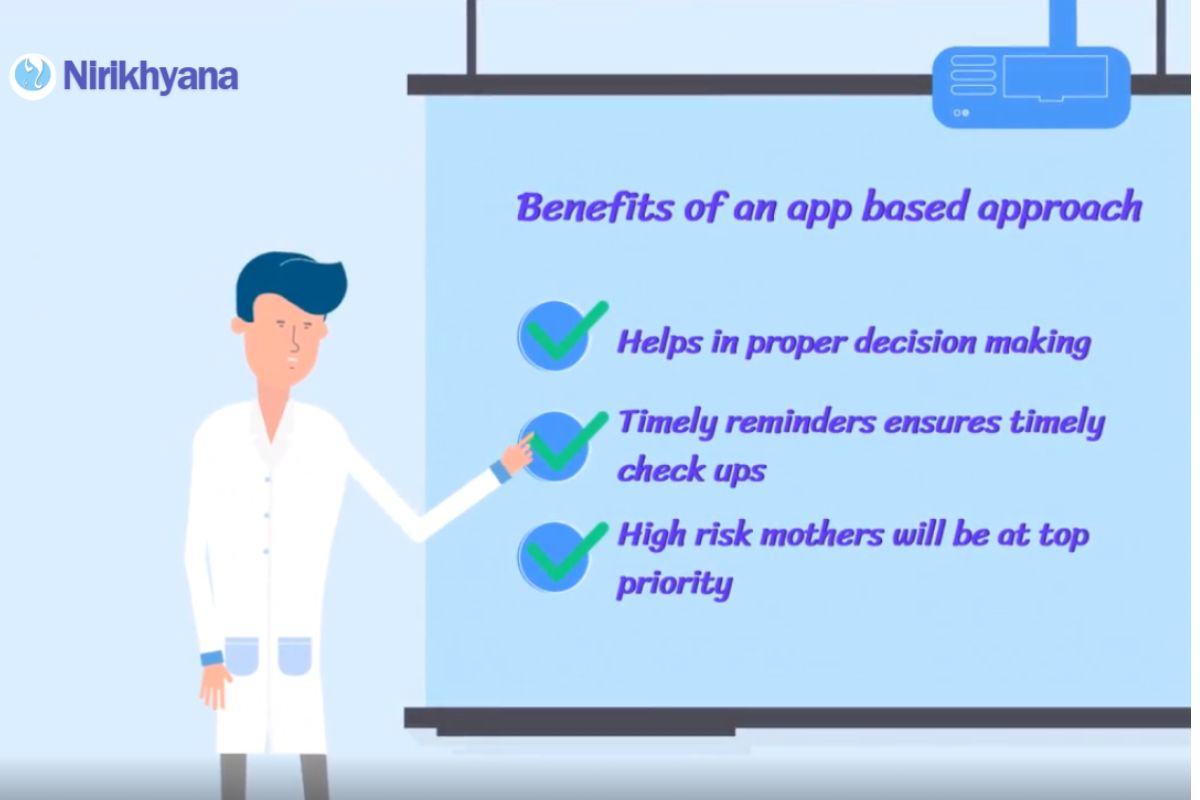
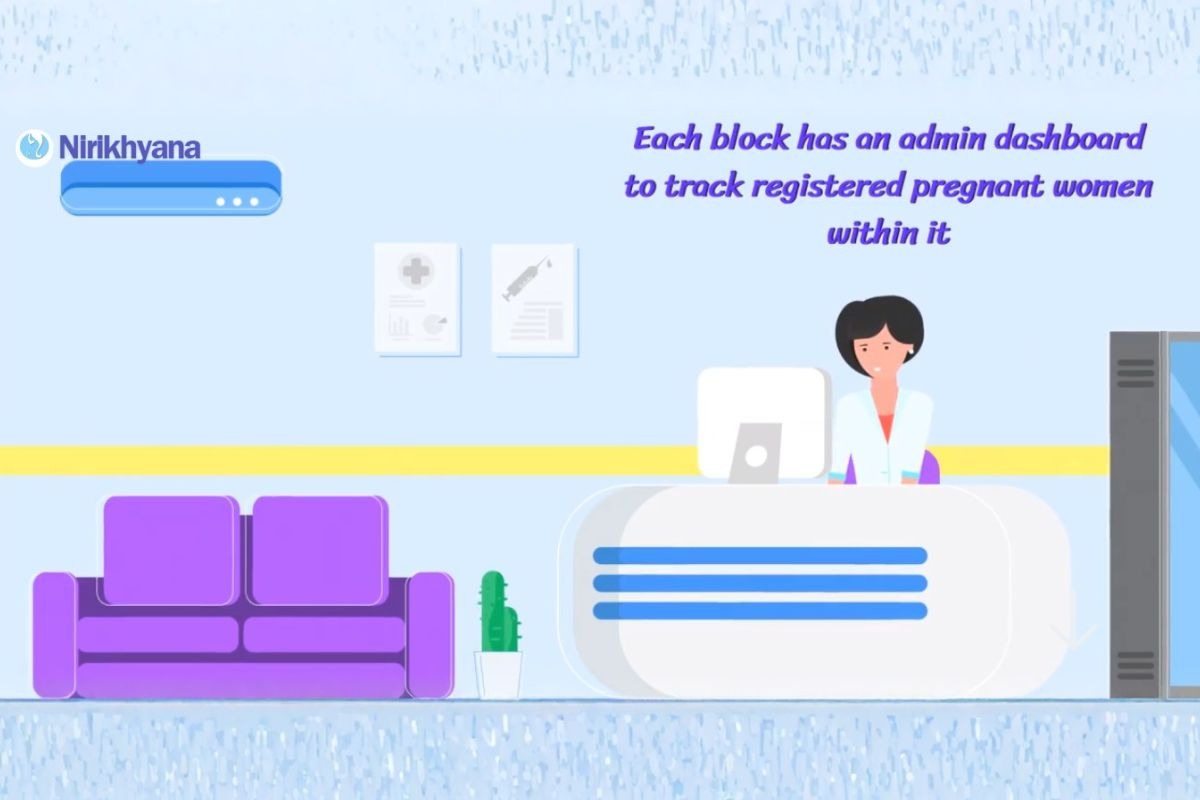
District medical officers monitor a central dashboard showing active pregnancies, scan completion rates, high-risk cases, and referral status. This oversight replaces manual compilation of paper records and enables administrators to identify coverage gaps. Villages with low scan rates receive targeted outreach, and women who miss appointments trigger follow-up visits from ASHA workers.
The technology adapts to ground realities. Many beneficiaries cannot read complex medical reports, so the system translates clinical findings into simple categories and action items. Health workers receive specific instructions rather than general guidelines. A high-risk pregnancy notification includes recommended next steps, referral facility options, and a timeline for action.
Recognition and Replication Potential
The SKOCH award for governance innovation recognised Ganjam district for the Nirikhyana model. Central health authorities have studied the program as a potential template for other states facing similar maternal mortality challenges. The public-private partnership structure offers a faster path to scale than building government imaging infrastructure from scratch.
Parida, now posted as District Magistrate of Puri, has noted that the initiative’s core strength lies in removing structural barriers rather than adding new layers of bureaucracy. Private facilities already possessed ultrasound equipment and trained technicians. The program made its services accessible through funding and coordination.
The cost-effectiveness appeals to health planners. Rs 20 lakh covers imaging for over 130,000 women, a fraction of the expense required to establish government diagnostic centres across rural areas. The model also maintains quality standards through private sector competition and regular audits of participating facilities.
Other districts in Odisha have begun adapting elements of Nirikhyana. Expansion depends on state budgets and local administrative capacity, but the documented results provide evidence for policymakers weighing investments in maternal health infrastructure.
Outcomes Beyond Statistics
Women in remote Ganjam villages now receive medical care that was previously unavailable, regardless of their ability to pay. The program has established ultrasound access as a standard component of pregnancy rather than a luxury service. Health workers report increased confidence among expectant mothers, who arrive at delivery better informed about their conditions.
The initiative demonstrates how targeted interventions can produce measurable improvements in health outcomes within short timeframes. The two-year decline in maternal and neonatal deaths reflects thousands of individual clinical decisions informed by diagnostic imaging. Each scan identifies complications that, left undetected, could prove fatal.
The Nirikhyana program continues to operate with over 1.3 lakh beneficiaries documented to date. The district maintains partnerships with private providers, the mobile application tracks new pregnancies, and ASHA workers coordinate care in villages across Ganjam. What started as an administrative innovation has become embedded in the district’s healthcare delivery system, offering a working example of how governance can directly affect survival.
Also Read:Hearing Impaired Entrepreneur Helps Children Learn English Through Sign Language Platform
You can connect with DNN24 on Facebook, Twitter, and Instagram and subscribe to our YouTube channel.