

There is a pavement outside Tata Memorial Hospital in Mumbai that changed two lives, and through them, more than eight thousand others. On that pavement, Nihal Kaviratne once saw children hooked to intravenous tubes lying on pieces of cardboard, their parents crouching beside them with nowhere else to go. He was not a doctor. He held no government post. He was a retired corporate professional who had recently returned to India after two decades abroad. What he did about the problem is the reason thousands of children are alive today.
A Decision Made on the Footpath
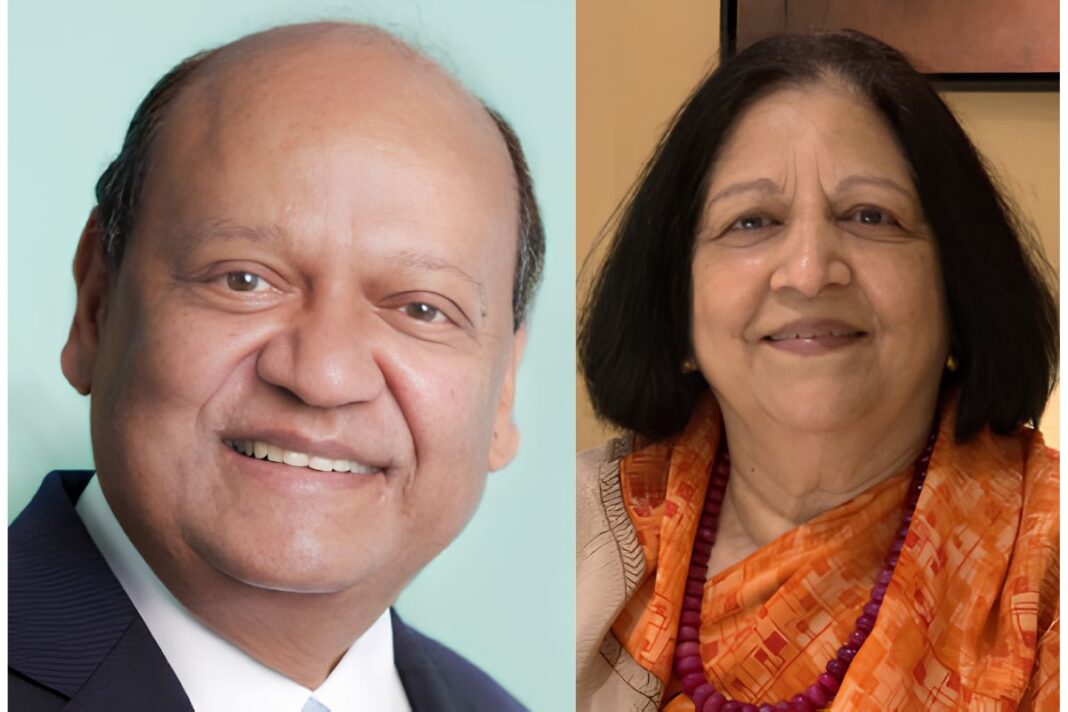
Nihal and his wife, Shyama, had spent roughly 24 years outside India; he was working with Unilever in the United Kingdom, and she was working in welfare programmes for children in difficult circumstances. When they returned to Mumbai in the early 2000s, both of them were looking for work that mattered. Shyama had long been involved with Bal Anand, a school for children from low-income families, and came from a household where charitable work was a normal part of daily life.
When Nihal visited a cancer patient support group and then walked the streets around Tata Memorial, the picture was unambiguous. Families from villages and small towns had travelled hundreds of kilometres for treatment that their hospitals could not provide. The treatment existed in Mumbai. The beds did not. These families slept on footpaths, in corridors, sometimes in parks. Many could not sustain the cost of city life and went home, taking their sick children with them. The children died not because medicine failed them, but because a roof over their heads was not available.
Nihal brought the idea home. Shyama recognised it immediately. Their daughter, Mallika, and a small group of friends came on board. In February 2006, St. Jude India ChildCare Centres opened its first small facility in Mumbai, housing eight families.
The Scale of the Problem They Were Addressing
Each year, close to 75,000 children in India are diagnosed with cancer. Most of these cancers are treatable if detected early and supported with full courses of therapy. The medical infrastructure in major cities, while not perfect, is far ahead of what rural and semi-urban India can provide. This gap pulls families into cities such as Mumbai, Delhi, Kolkata, Hyderabad, and Bengaluru for months at a stretch.
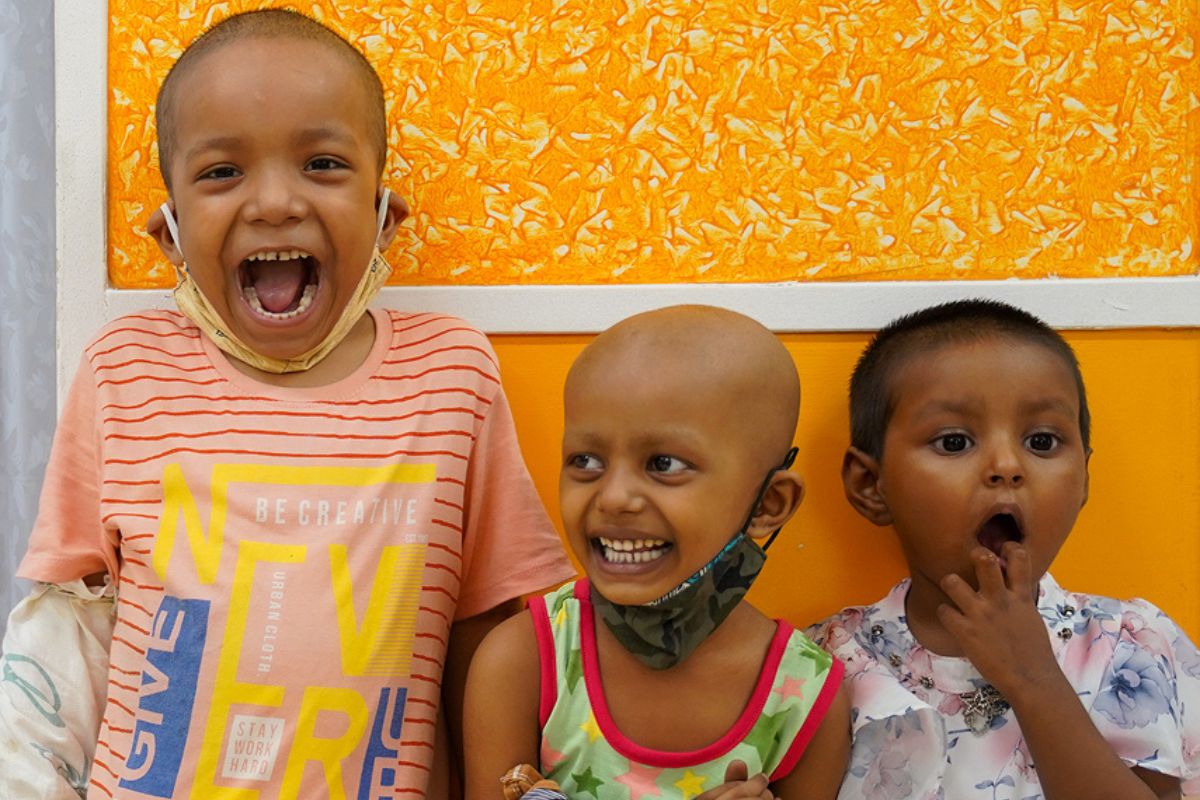
The financial strain of that migration is considerable. Transport, food, accommodation, and lost wages combine to become a burden that many low-income families cannot carry for long. St. Judes’ own records show that inadequate housing and poor nutrition significantly raise the risk of infections in children already weakened by chemotherapy. Those infections, in turn, give exhausted parents a reason, sometimes the only reason they need, to abandon treatment and return home.
Before organisations like St. Judes intervened, treatment abandonment rates in some settings ran above 30 percent. That figure has since dropped to below 5 percent in several partner hospitals. The shift is not the result of any policy change or medical breakthrough. It is the result of a clean room, a shared kitchen, and a shuttle to the hospital each morning.
What the Centres Actually Provide
The physical offer is straightforward. Each centre provides family rooms with bedding and storage space. Shared kitchens feature individual cooking stations, allowing parents to prepare meals tailored to their child’s dietary needs and medical restrictions. Professional housekeeping maintains hygiene standards that are deeply important for children with compromised immune systems. Rations of nutritious food are distributed regularly.
Daily transport is arranged between the centre and the treating hospital. In a city the size of Mumbai or Delhi, this is not a small thing. Crowded public transport carries infection risks that can be dangerous for a child on chemotherapy. A reliable shuttle removes that risk and the daily cost that would otherwise consume a family’s attention.
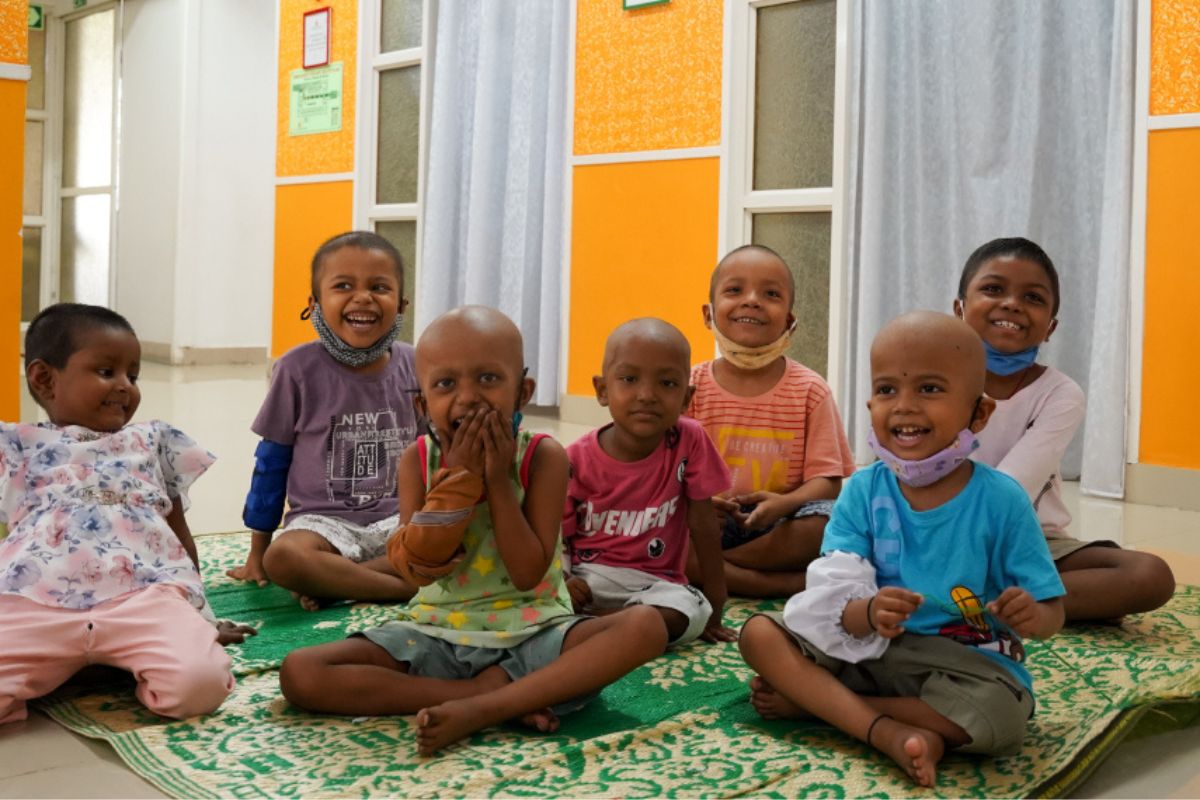
The network now spans 68 centres across 13 cities, with 876 family rooms and more than 1.7 million nights of sleep provided since 2006. Partner hospitals include Tata Memorial Hospital in Mumbai, AIIMS in New Delhi, Tata Medical Centre in Kolkata, and several others. More than 8,800 children and their families have been supported through the programme.
Care That Goes Past Medicine
Physical shelter solves one layer of the problem. St. Judes has built several others on top of it.
Children staying at the centres have access to counselling, art therapy, music sessions, yoga, drama, and play. These are not scheduled as entertainment. They serve a clear purpose: helping a child maintain a sense of self, of agency, of ordinary life, during months of treatment that can otherwise reduce a person entirely to their diagnosis. Children who are afraid can express that fear through paint, movement, or a song. Children who are bored, and a child on a long chemotherapy cycle is very often bored, can read, learn, play, and talk.
On-site tutoring and schoolwork support mean that children do not fall irreparably behind in their education. Festivals are celebrated inside the centres. Outings happen when health allows. Parents are not left idle or helpless during the long weeks of treatment. Skilling programmes in cooking, gardening, and basic vocational work give them occupation, dignity, and sometimes a foundation for earning a livelihood after the treatment period ends.
There is also a programme called St. Judes For Life, which provides post-treatment support to survivors. Education assistance, skill-building, and community engagement continue after the child has left the hospital. The founding belief here is that finishing cancer treatment is not the end of a story. It is the beginning of the next chapter, and that chapter needs tending as well.
The People Behind the Numbers
Shyama Kaviratne brought to the work a genuine love for children and years of experience in welfare organisations. Nihal brought the ability to look at a broken system and ask a practical question: What is the one thing, if provided, that would change the outcome? Their answer was housing. Everything else grew from that.
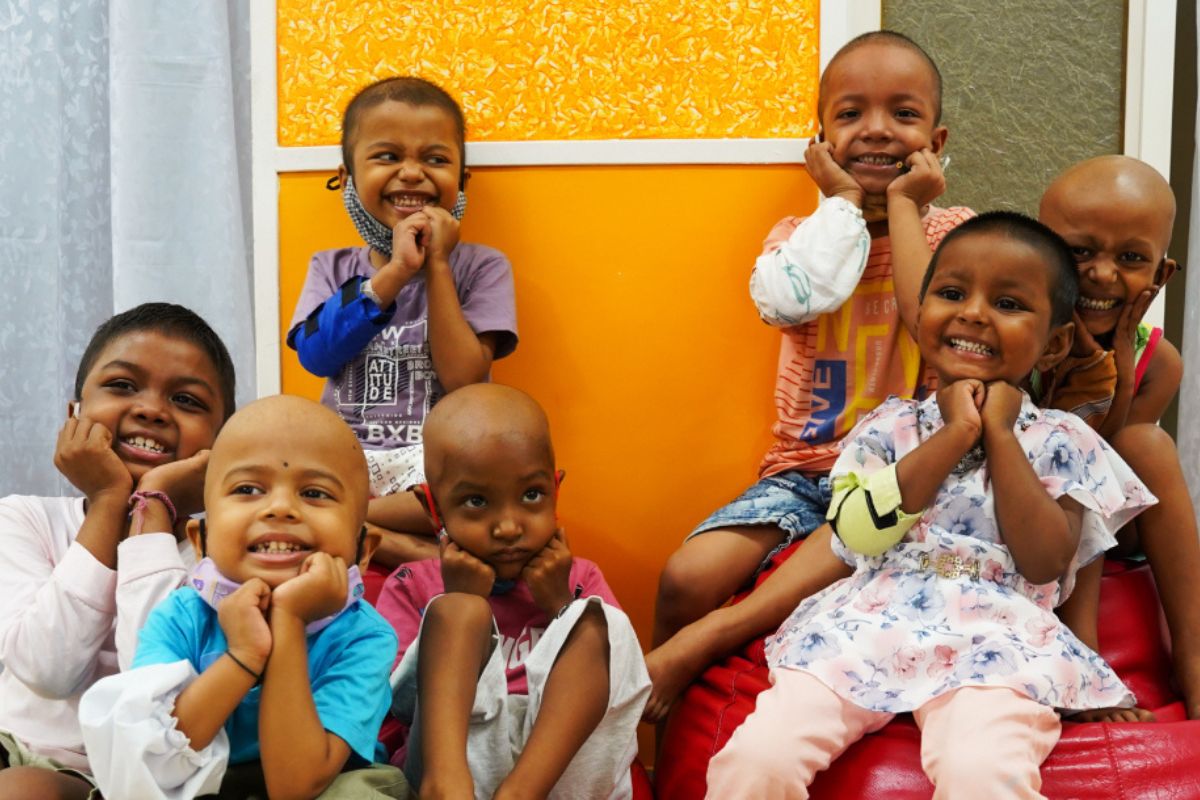
Anil Nair, who leads the organisation as Chief Executive Officer, has described St. Judes as a bridge between medical treatment and social reality. The language he uses is deliberate. He does not speak of miracles or missions. He speaks of beds and meals and transport and the daily, unremarkable work of ensuring that a child has what he needs to show up for chemotherapy the next morning.
That consistency is the organisation’s real achievement. It is easy to admire a dramatic act of generosity. It is considerably harder to maintain an operation across 13 cities, every day, year after year, for families who have no money and nowhere else to turn.
What the Record Shows
The numbers are precise enough to be taken serious. Treatment abandonment rates down from above 30 percent to below 5 percent in partner settings. More than 8,800 children supported. Over 1.7 million nights of accommodation provided. Sixty-eight centres. Thirteen cities. All of it was built from a small flat in Mumbai where eight families first found a place to sleep in 2006.
The Kaviratnes did not invent a new kind of medicine. They did not lobby for legislation or build a hospital. They identified the weakest point in an existing system and built something sturdy at that exact spot. The result has been, by any reasonable measure, thousands of lives extended and improved.
For anyone inclined to ask what a private citizen without medical training can do about a national health crisis, the record of St. Jude India ChildCare Centres offers a clear and documented answer.
Also Read:40-year-old’s quest to Conquer Antarctica’s Highest Peak
You can connect with DNN24 on Facebook, Twitter, and Instagram and subscribe to our YouTube channel.