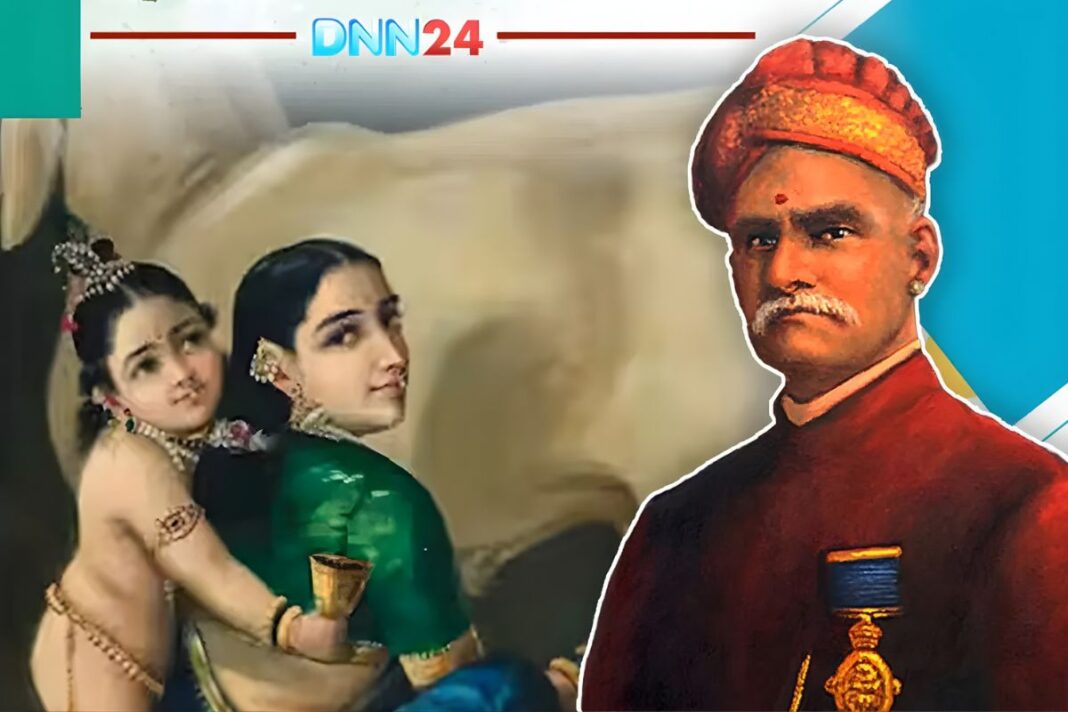

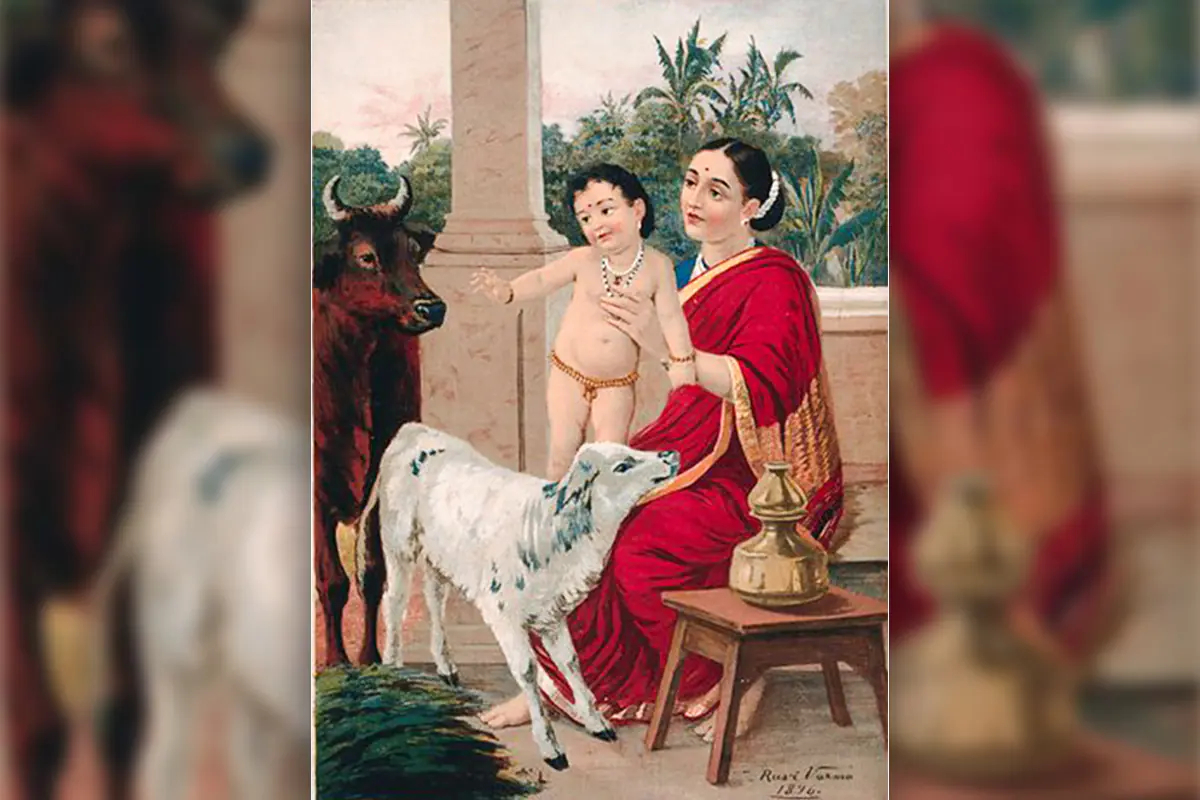
1 April, 2026 added a new chapter to the history of Indian art. Raja Ravi Varma’s magnum opus, ‘Yashoda and Krishna,’ shattered records at an auction, fetching a staggering ₹167.2 crore. This monumental price tag surpassed the previous record held by renowned painter M.F. Husain’s ‘Gram Yatra’ (₹118 crore).
The painting was acquired by Cyrus Poonawalla, the owner of the Serum Institute. He declared it not merely a private possession, but a ‘National Treasure,’ and pledged that it would be periodically exhibited for the public to view. Art critics are hailing it as the ‘Mona Lisa of Indian Art.’
Why is this painting so special?
1. World-Class Emotional Depth
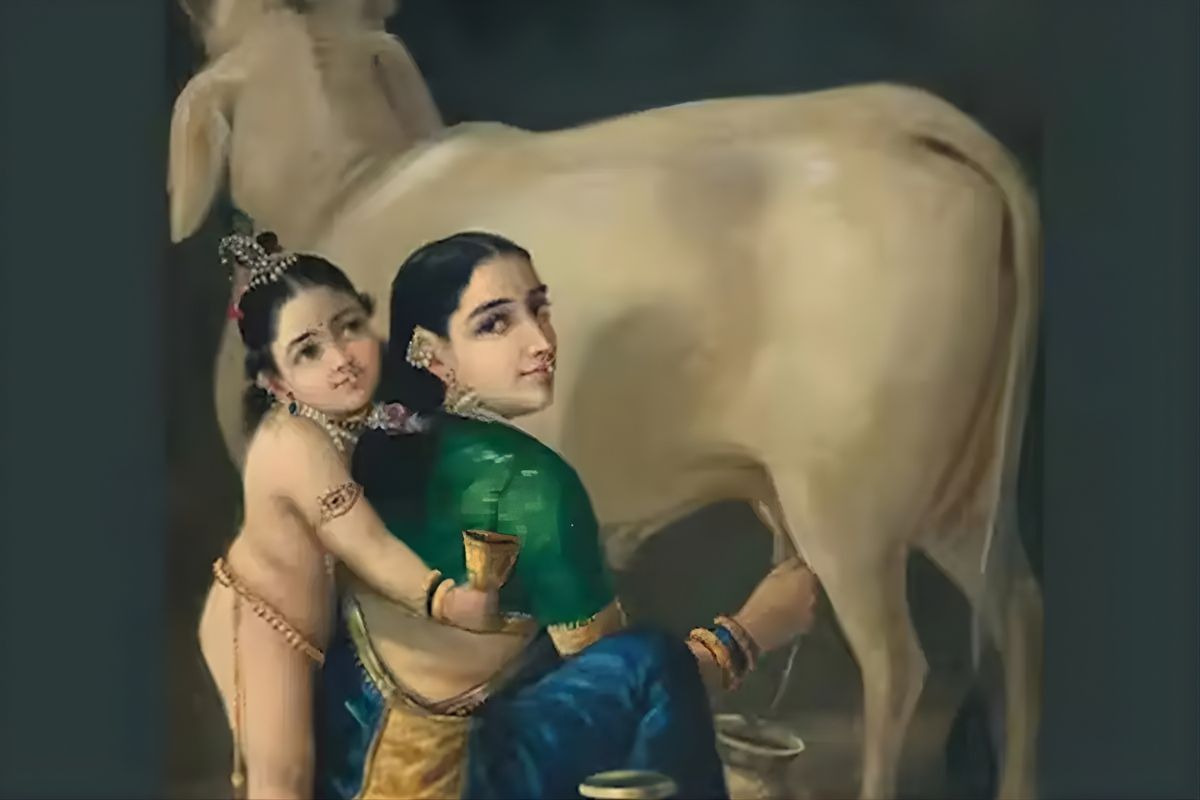
This painting dates back to the 1890s, a period when Raja Ravi Varma was at the zenith of his career. It beautifully depicts the tender bond between Mother Yashoda and the infant Krishna. Interestingly, the work is being placed on par with iconic ‘Mother and Child’ depictions from around the world (such as portrayals of the Virgin Mary and Christ).
2. Exquisite Craftsmanship
If you examine this painting closely, you will be left spellbound:
The Luster of Jewels: The pearl necklaces and earrings worn by Yashoda and Krishna have been rendered with such precision that they appear absolutely real.
Lifelike Expressions: The rosy glow of Krishna’s hands and the charm of his smile are utterly captivating.
The Play of Light: Employing the European ‘Chiaroscuro’ technique, Raja Ravi Varma has cast a magical interplay of light and shadow upon Yashoda’s anchal (veil) and the herd of cows.
Who was Raja Ravi Varma?
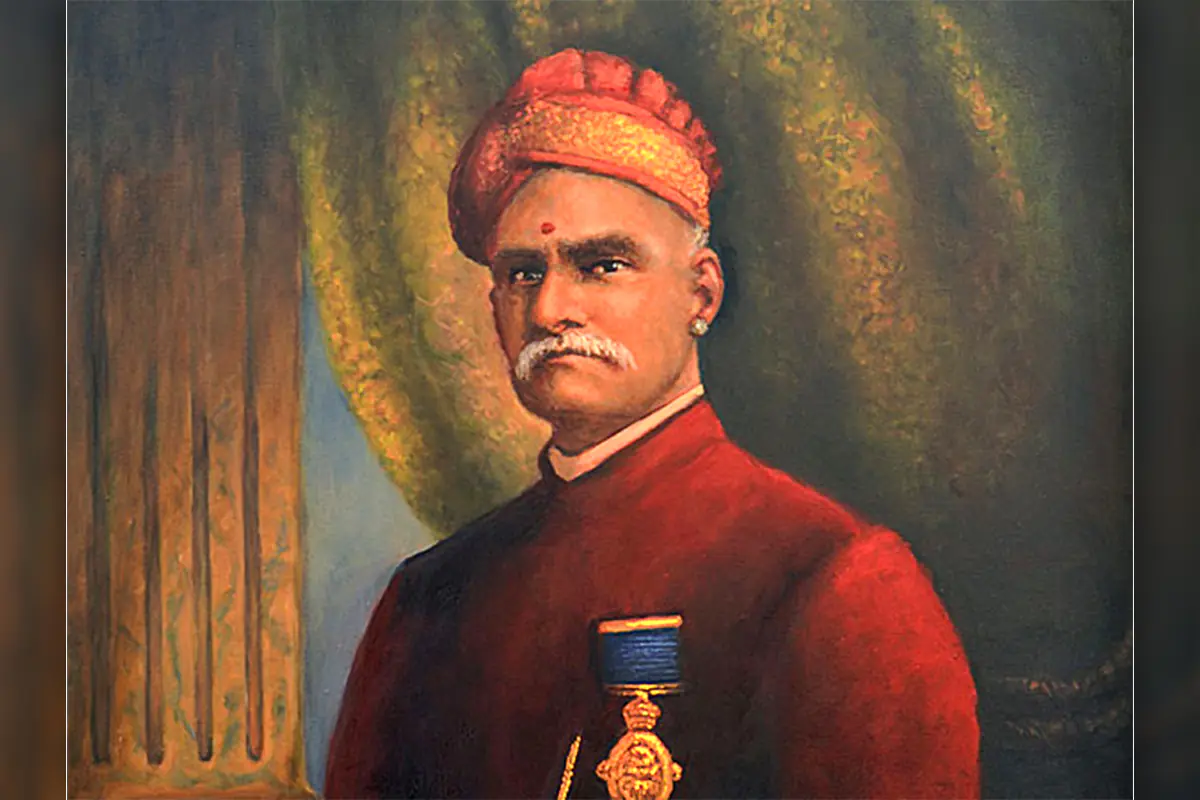
The Royal Painter of Kerala
Raja Ravi Varma was born in 1848 into the royal family of Travancore, Kerala. A self-taught artist, he created a magnificent blend of European Realism and Indian sensibilities.
The Pioneer of ‘Calendar Art’
Ravi Varma was not merely a painter for royalty. In 1894, he established a lithographic press—the ‘Ravi Varma Press.’ This marked a monumental revolution for its time. He produced affordable prints of his otherwise expensive paintings, thereby enabling common people to adorn their homes with the images of deities.
Such was Ravi Varma’s popularity that a dedicated post office had to be opened for him at the Kilimanoor Palace in Kerala, as he received letters from across the country requesting commissions for paintings.
Why is this a Milestone for Indian Art?
1. A New Identity
This record-breaking sale demonstrates that Indian art has now emerged as a significant financial asset on the global stage. While people previously spent millions on Western artists (such as Picasso or Van Gogh), Indian collectors are now taking immense pride in their own heritage.
2. Preservation of Heritage
This particular painting cannot be exported, as it holds immense cultural significance. Its acquisition by an industrialist like Poonawalla sends a powerful message: the nation’s heritage will remain safe and secure within the country itself.
Also Read: Delhi through the eyes of Sohail Hashmi
You can connect with DNN24 on Facebook, Twitter, and Instagramand subscribe to our YouTubechannel.