
A village head in Bihar’s Purnea district has turned basic literacy and market access into tools of financial independence for rural women.
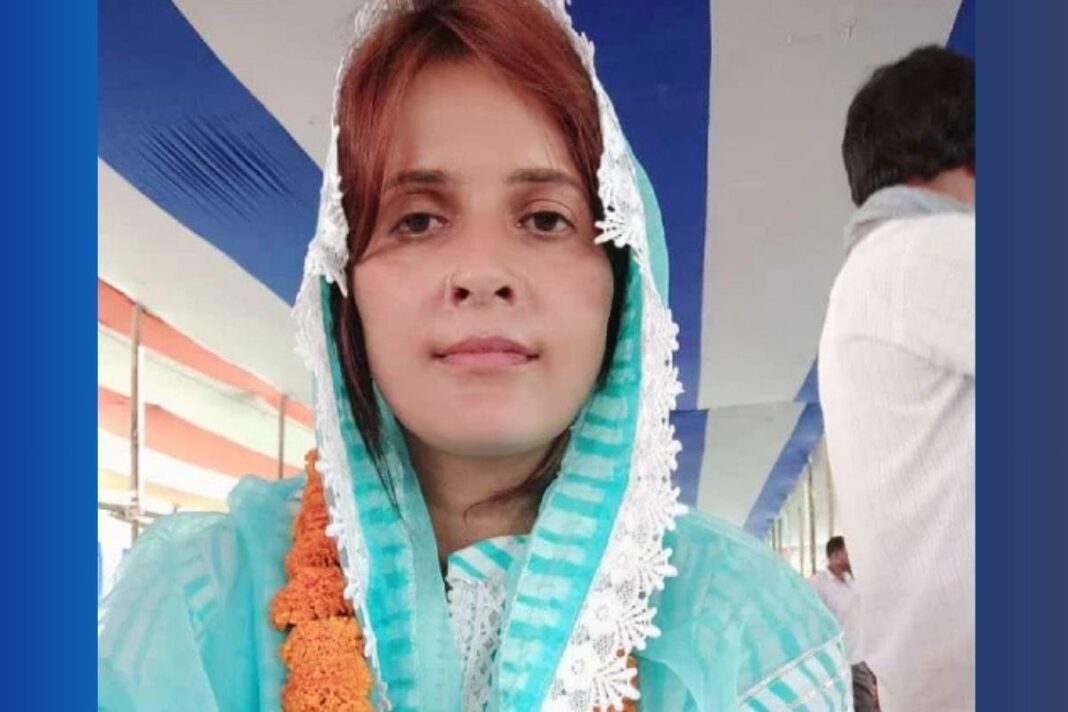
In Kukraun West Panchayat, in Purnea district of Bihar, a transformation has taken place without fanfare or national headlines. Afsana Begum, the elected head of this rural administrative unit, has spent the past few years addressing what many development programmes ignore: the practical barriers that keep women dependent on others for their most basic transactions. Today, nearly 80 percent of women in her panchayat can sign their own names instead of leaving thumbprints on documents. A weekly market she established now hosts over 120 small shops, many operated by women who previously travelled 12 kilometres to buy or sell goods. This is not empowerment as a slogan but as action- a series of concrete changes in how women move, earn, and participate in civic life.
Afsana Begum:The Woman Behind the Changes
Afsana Begum lives in Khanuha village, part of Kukraun West Panchayat under Dhamdaha block. She completed eighth grade in a government school and later pursued intermediate studies through a madrassa, but her education ended there. The nearest schools offering higher classes were eight kilometres away, and few families in the area permitted daughters to travel such distances. This interruption shaped her understanding of what holds women back. When she ran for panchayat head in 2021, she campaigned on development rather than caste affiliations, and won.
Her personal experience guided policy. She knew that distance was not merely an inconvenience but a barrier that determined whether a girl continued learning or stopped at age 13. She also understood that thumbprints were more than a formality. They marked illiteracy, and illiteracy meant dependence on intermediaries for everything from bank withdrawals to government applications.
Bringing Education Closer
Soon after taking office, Afsana Begum worked to reduce the distance problem that had ended her own schooling. The nearest secondary school was still several kilometres from the village, making higher education inaccessible for most girls. Through coordination with local education officials and persistent advocacy, she has helped strengthen the education system within the panchayat itself rather than forcing families to send daughters far away.
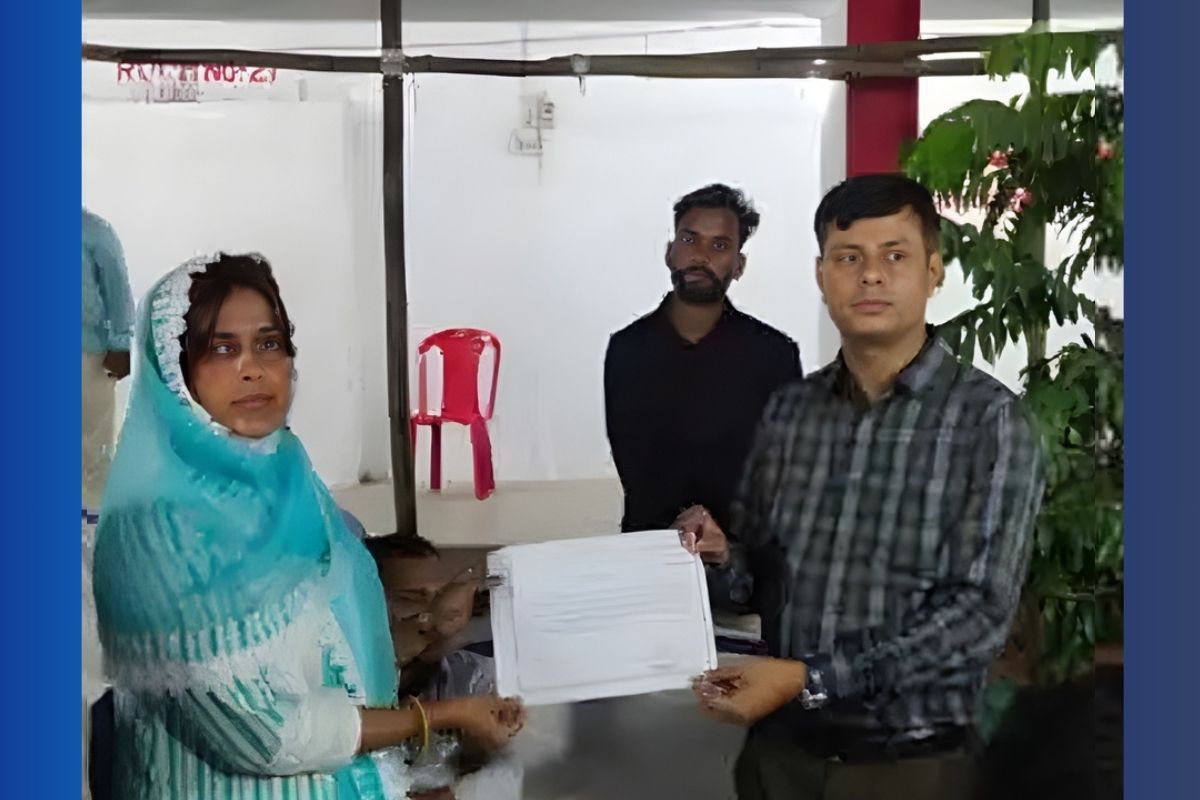
The results are visible. At least six young women from the panchayat now work as trained teachers in government schools. Several others are pursuing college degrees. Families that once refused to let their daughters travel for schooling have changed their approach, in part, because they trust the panchayat leaders to protect their interests. The barrier was not just the absence of traditional options but also the lack of safe, nearby options. Once those options improved, resistance weakened.
From Thumbprints to Signatures
Throughout rural India, the thumbprint remains a symbol of exclusion. It signals that a person cannot write their own name and must therefore depend on others to complete forms, open bank accounts, or claim entitlements. In Kukraun West, most women used thumbprints for all official purposes, even after government schemes like Pradhan Mantri Jan Dhan Yojana expanded bank ownership among rural populations.
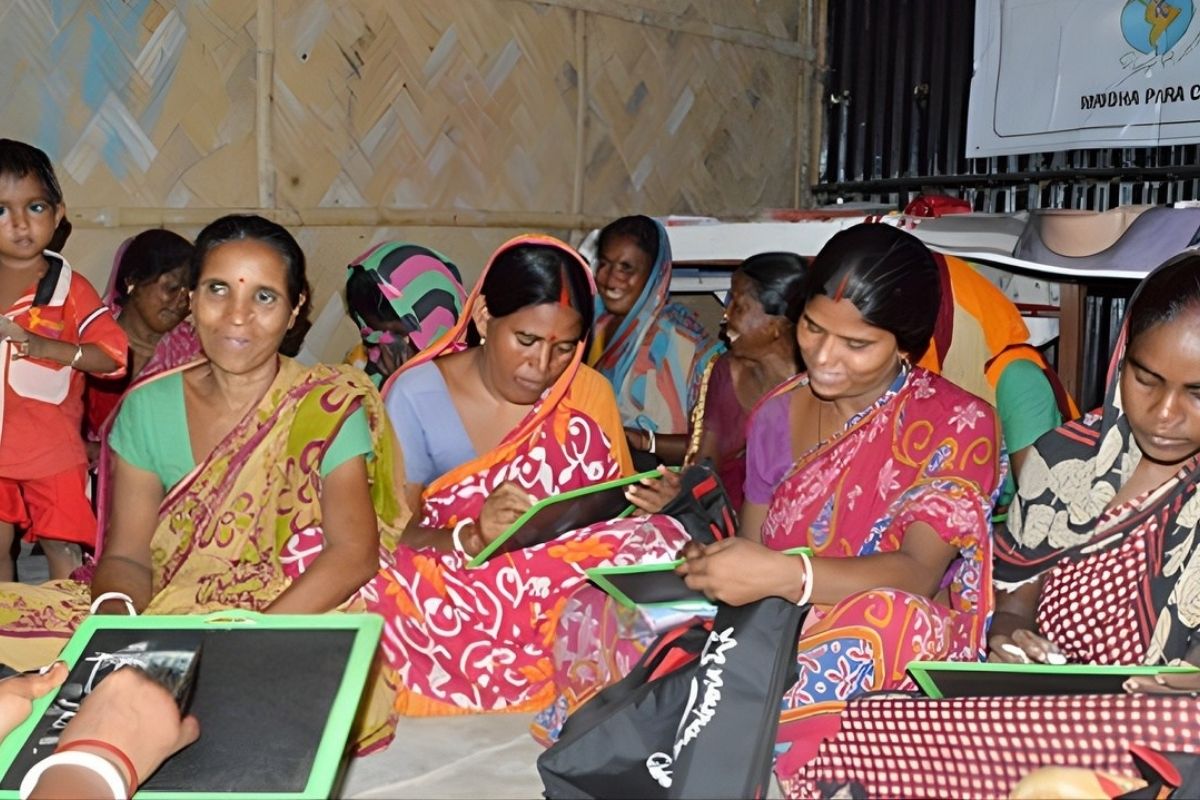
Afsana saw this clearly. A bank account means little if the holder cannot operate it independently. She initiated basic literacy sessions focused on one skill: learning to write one’s own name. The sessions were informal, often held outdoors or near the panchayat office, and scheduled around women’s work and domestic responsibilities. The goal was not abstract literacy but functional autonomy.
The programme worked. Local reports indicate that approximately 80 per cent of women in the panchayat can now sign their names. This seemingly small achievement has practical power. A woman who can sign documents no longer needs a proxy to withdraw money, apply for ration cards, or verify MGNREGA wage records. She can check what she is signing and reduce the risk of fraud or manipulation by intermediaries who claim to help but sometimes exploit.
A Market Within Walking Distance
Literacy addresses identity, but not income. For years, women in Kukraun West walked nearly 12 kilometres to reach the nearest market, a journey that took time, energy, and money. For women balancing farm work, childcare, and household duties, this was more than inconvenient. It was a structural obstacle to participation in commerce.
Afsana Begum established a weekly haat within the village. The market now operates with more than 120 small shops. Many are run by women who sell vegetables, household goods, pickles, snacks, and handmade items. The haat eliminated the need for long trips and created livelihood opportunities within walking distance of home. It also became a social space where women exchanged information about government schemes, negotiated prices collectively, and built informal networks of mutual support.
The market serves a purpose beyond convenience. It has reduced mobility costs, increased household income, and allowed women to operate small businesses without leaving their neighbourhoods. Earnings from the haat are often deposited into the same bank accounts that women can now access independently after learning to sign their names.
The haat reinforces their financial confidence. Women deposit their daily earnings, negotiate small, informal loans within their market network, and interact with banking correspondents or self-help groups operating from the panchayat. The panchayat has effectively created a system in which literacy, financial identity, and local commerce support one another rather than exist in isolation.
A Model of Incremental Change
Afsana Begum’s work does not rely on a single dramatic intervention or a large budget from the state or central government. Instead, she has made a series of targeted adjustments to local systems. She improved access to education by bringing schools closer to communities. She built literacy not as an abstract goal but as a tool for signing documents. She created a market to reduce travel costs and open income opportunities. Each intervention responds to a specific, everyday problem that women face.
The results are measurable. Around 70 to 80 per cent of women in the panchayat now earn some income, either from the haat, agricultural activities, or small enterprises. A similar proportion can sign their names. These are not sweeping statistics, but they represent real shifts in autonomy and dignity for hundreds of women who previously had neither.
Kukraun West offers a different narrative about rural Bihar. It shows that change does not always require massive programmes imposed from above. Sometimes, it requires a local leader who understands the barriers firsthand. Afsana Begum translated her own unfinished education into policy. She turned a simple market into an economic engine. She made signing one’s name a tool of independence. In a country where women’s agency is still mediated by caste, poverty, and custom, her panchayat is a small but concrete example of how governance rooted in lived experience can reshape the terms of dignity and participation for rural women.
Also Read:How Radio Dominated Indian Mornings Before Streaming
You can connect with DNN24 on Facebook, Twitter, and Instagram and subscribe to our YouTube channel.