
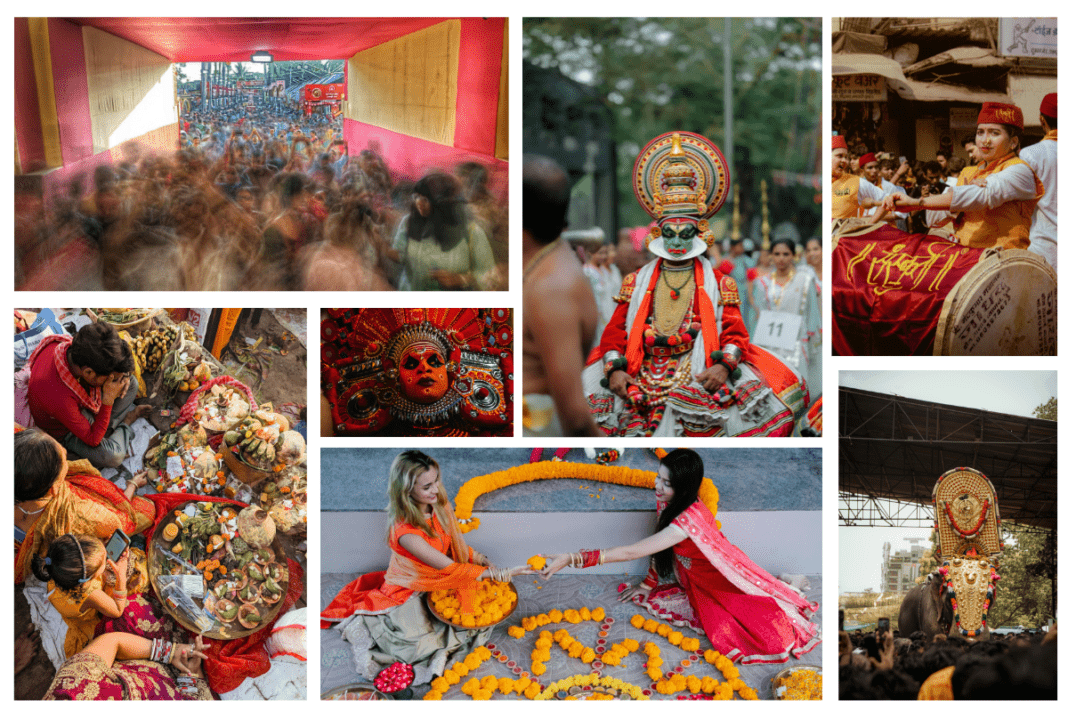

Every April, communities across India gather to mark the turn of agricultural seasons and calendars. The mid-month period brings harvest celebrations, new year observations, and religious commemorations that have endured for centuries. In 2026, these festivals fall primarily on April 14 and 15, drawing millions to temples, gurdwaras, and public grounds where generations transmit cultural knowledge through ritual and performance.
The persistence of these traditions occurs against considerable pressure. Migration to cities separates families from ancestral villages. Global entertainment competes with regional art forms. Climate variability disrupts agricultural cycles that once anchored festival timing. Yet communities respond with adaptation rather than abandonment, finding ways to sustain practices that define their identities.
Punjab’s Baisakhi: Harvest Gratitude and Khalsa Formation
Baisakhi arrives on April 13 in Punjab and Sikh communities worldwide. The festival serves dual purposes. Farmers celebrate the rabi harvest, the winter crop of wheat and barley that sustains northern India. Sikhs commemorate the 1699 establishment of the Khalsa, the order founded by Guru Gobind Singh that formalised Sikh religious identity.
Morning prayers at gurdwaras precede community feasts called langars, where volunteers serve dal, roti, and sweets to all visitors regardless of faith or social status. These meals embody Sikhism’s emphasis on equality and service. Afternoon programs feature bhangra and gidda, the athletic dances performed to dhol drums that express agricultural abundance.
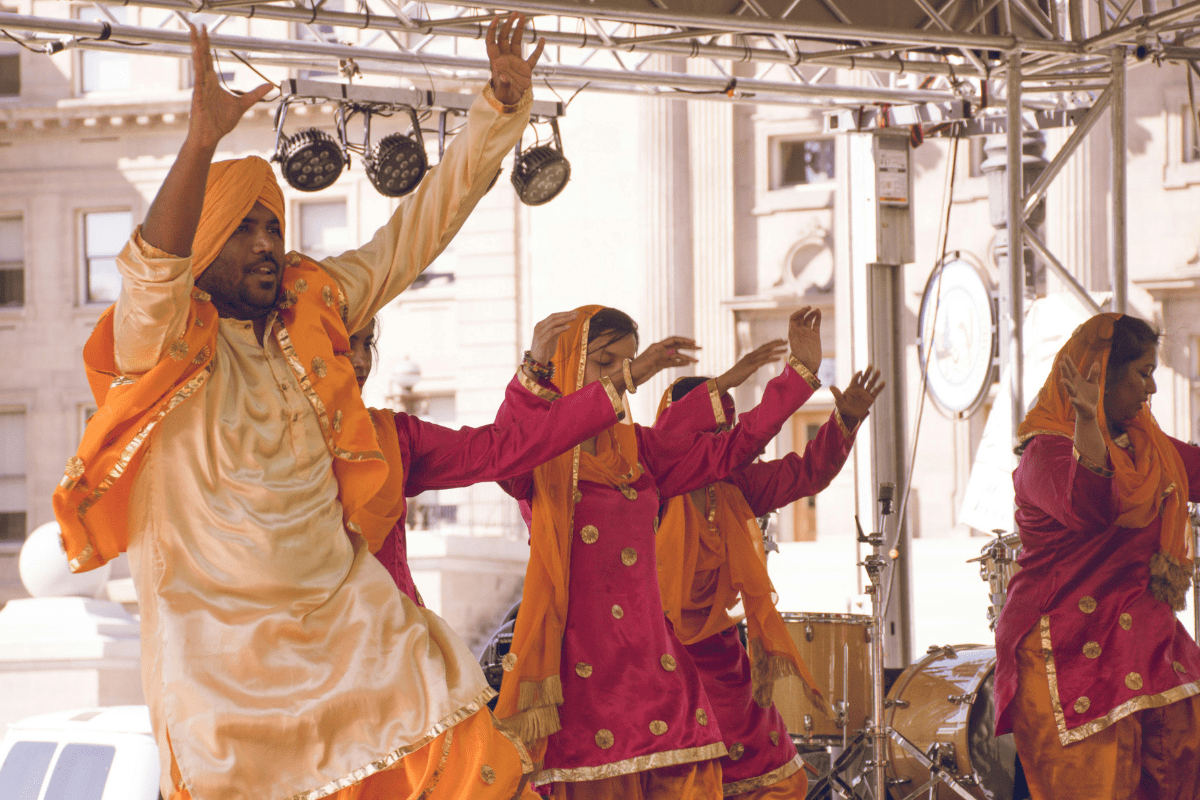
Villagers wear their finest clothes. Women display phulkari shawls, embroidered with silk threads in geometric patterns, passed between mothers and daughters. Men sport turbans in vibrant oranges and blues. Elders teach children folk songs in Punjabi, the language that carries proverbs about farming and faith.
Preservation efforts extend beyond India. Sikh organisations in North America and Britain organise annual melas, gatherings where diaspora youth learn through workshops. Families prepare traditional foods, including kadhi pakora, chickpea fritters in yoghurt gravy, and jalebi, the sweet spirals soaked in syrup. These meals connect generations separated by oceans.
Assam’s Rongali Bihu: Agricultural Rhythms in the Northeast
The Assamese calendar marks Rongali Bihu across seven days from April 14 to 20. The first day, Goru Bihu, honours cattle with baths and special feeds. Farmers recognise that water buffalo and oxen make rice cultivation possible in Assam’s flood plains. The second day, Manuh Bihu on April 15, celebrates the Assamese New Year with family gatherings.
Women wear mekhela chador, the traditional two-piece garments woven on handlooms. Men display gamosa scarves, white cotton printed with red patterns that serve both decorative and practical functions. Communities perform bihu dances, movements distinguished by quick hand gestures and energetic footwork, accompanied by pepa horns made from buffalo horn and gourd.
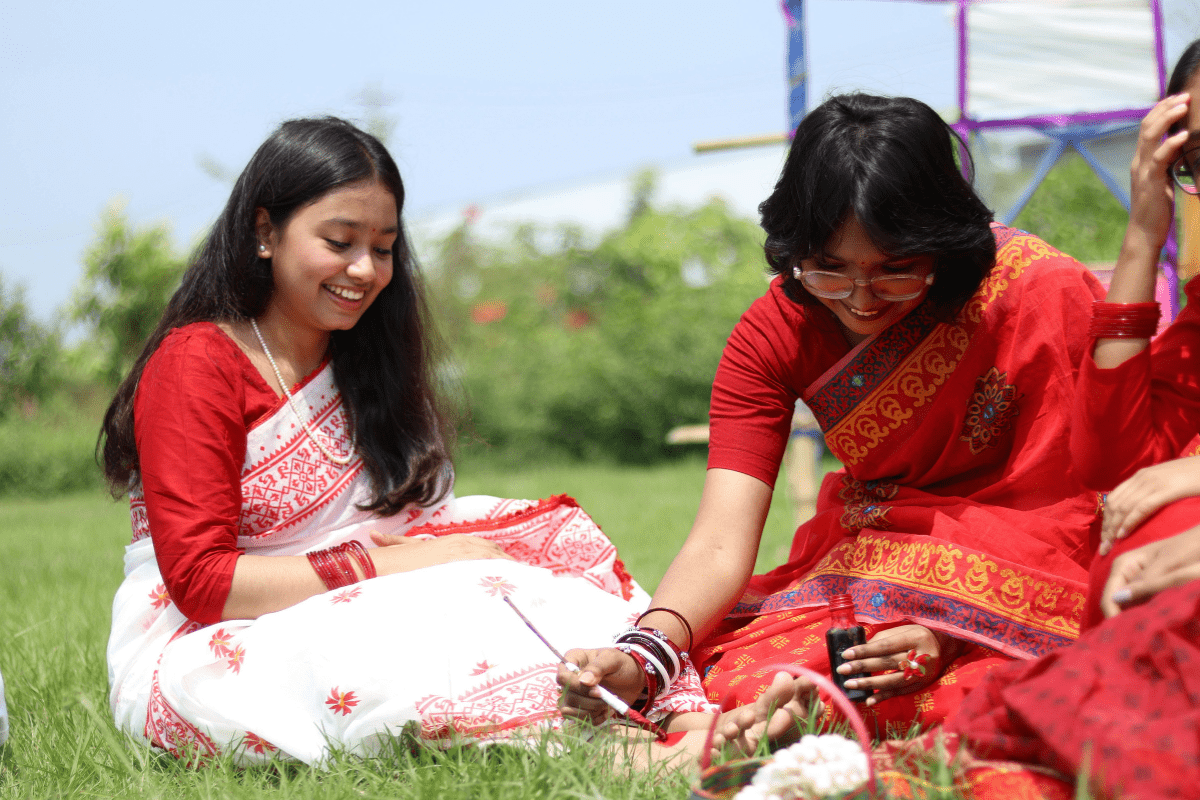
UNESCO recognised bihu as an intangible cultural heritage, validating preservation efforts. Community groups called husori troupes visit homes singing blessings. Women lead teaching sessions where girls learn the intricate steps that require years to master. Academic symposiums document lyrics that describe monsoon patterns and harvesting techniques.
Families prepare pitha, rice cakes steamed in banana leaves or fried in oil, and jolpan, a breakfast of flattened rice with curd and jaggery. These foods emerge from surplus rice, the gift of fertile land. Eco-tourism initiatives now invite visitors to experience bihu in villages, creating economic incentives for cultural maintenance.
Tamil Puthandu: Astrological New Year in the South
Tamil communities observe Puthandu on April 14, timed to the sun’s entry into the zodiac sign Mesha. The precise moment, called sankranti, occurs at 09:41 AM in 2026. Families arrange the kanni tray before dawn, displaying gold jewellery, fresh fruits, flowers, and new clothes as symbols of prosperity for the coming year.
Temples distribute panchangams, almanacks listing auspicious dates for weddings, business ventures, and construction projects. Priests conduct special pujas while devotees circumambulate shrines. Homes display kolam, the intricate floor designs made from rice flour that welcome Lakshmi, the goddess of wealth.
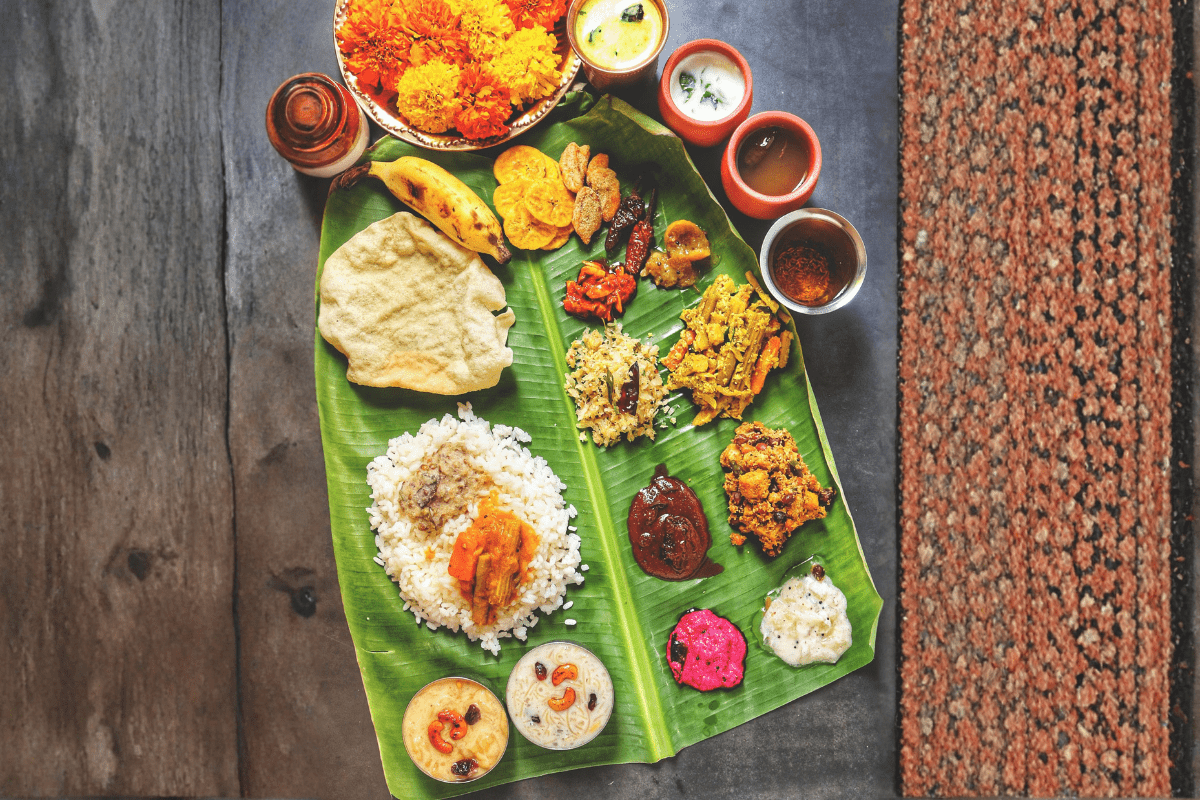
The ritual meal features mango pachadi, a preparation combining six tastes: sweet, sour, salty, bitter, spicy, and astringent. This mixture represents life’s varied experiences, a reminder to accept fortune’s changes with equanimity. Other dishes include kootu, a mixed vegetable dish with lentils, shared with neighbours in gestures that strengthen community bonds.
Cultural groups stage performances blending classical Bharatanatyam dance with folk traditions. Schools in Chennai and Madurai incorporate these festivals into their curricula, teaching students the mathematics behind kolam patterns and the astronomy that determines sankranti. Diaspora Tamils organise virtual gatherings, broadcasting temple ceremonies to families abroad.
Bengali Pohela Boishakh: Literary and Artistic Renewal
Bengali communities in West Bengal, Bangladesh, and global cities celebrate Pohela Boishakh on April 14. The day begins with mangal shobhajatra, processions featuring large masks and painted floats depicting folk characters. Students and artists organise these events, which draw hundreds of thousands to the streets.
Traditional dress marks the occasion. Women wear white saris with red borders, men don dhutis, and children receive new clothes. The greeting “shubho noboborsho” echoes through neighbourhoods. Families share panta bhat, rice soaked overnight in water, served with fried ilish fish, onions, and green chillies. This humble meal recalls agricultural roots.
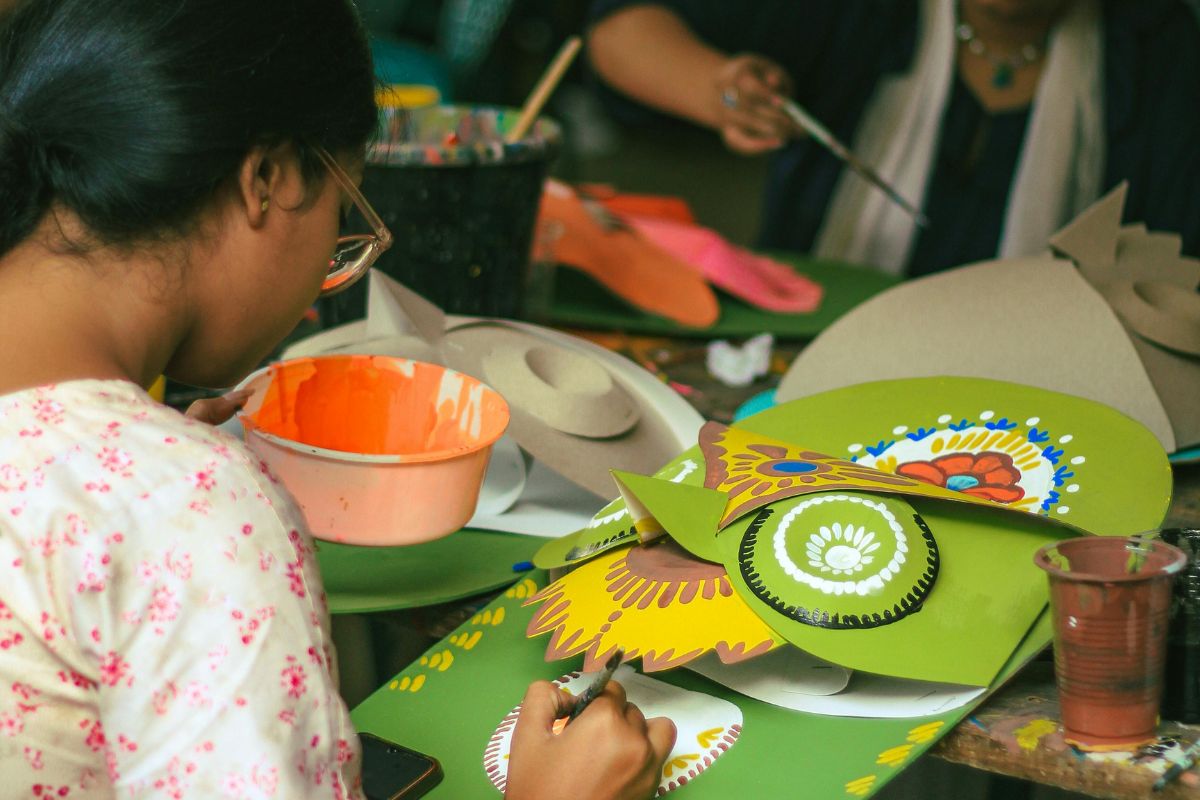
Cultural programs feature Rabindra Sangeet, songs composed by Nobel laureate Rabindranath Tagore, exploring themes of nature, love, and spirituality. Dance performances and poetry recitals celebrate the depth of Bengali literature. Fairs sell roshogolla, the spongy white sweets invented in Kolkata, alongside handicrafts from rural artisans.
Youth workshops teach baul music, the mystical folk tradition performed by wandering minstrels. These efforts resist cultural homogenisation by demonstrating the foundations of Bengali identity. The harvest calendar that determines Pohela Boishakh survives through conscious transmission rather than passive inheritance.
Jain Mahavir Jayanti: Nonviolence and Ascetic Ideals
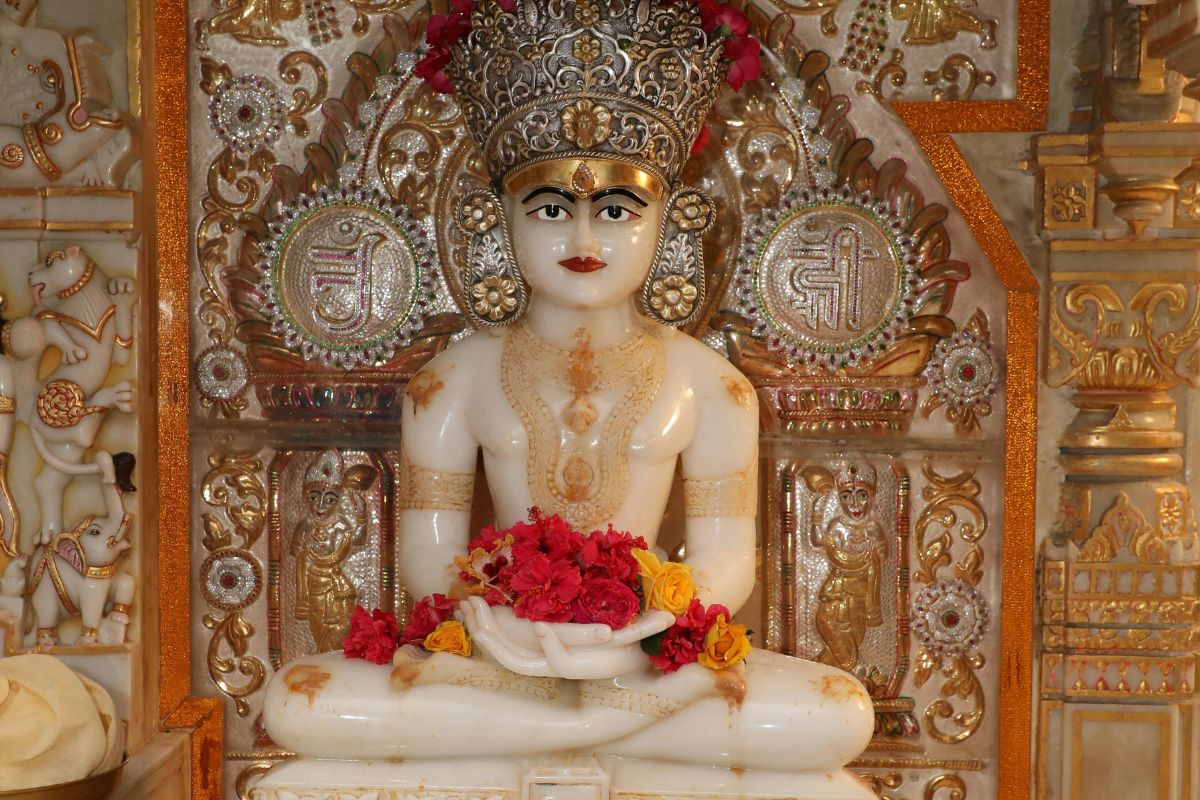
Mahavir Jayanti, celebrating the birth of Jainism’s 24th Tirthankara, falls primarily on March 31 in 2026, though observances continue into early April. Communities organise shobha yatras, processions carrying decorated idols of Mahavir through the streets while devotees chant prayers.
The festival emphasises ahimsa, nonviolence toward all living beings. Jains visit temples for special aartis, waving lamps before images while singing devotional songs. They adorn statues with flowers and offer vegetarian feasts that exclude root vegetables to protect underground organisms. These practices demonstrate the religion’s ethical rigour.
Schools teach children the Navkar mantra, the fundamental prayer honouring enlightened souls. Global Jain communities organise blood donation camps and charitable activities, applying ancient principles to contemporary service. In Rajasthan and Gujarat, restoration projects preserve temple architecture and connect festivals to heritage sites.
Kerala’s Vishu: Golden Dawn Rituals with a picture of the golden dawn ritual
What Kerala families see at dawn determines their year ahead. Vishu, the Malayalam New Year falling on April 14, centres on Vishu Kani, a brass vessel arranged the night before with golden cucumbers, konna flowers, coins, and a mirror. Family members approach with eyes closed, opening them only for this auspicious display, inviting twelve months of fortune. Elders gift money in coconut shells during Vishukkaineetam. The festival concludes with Vishu Sadhya, a vegetarian feast spanning twenty dishes on banana leaves. Fireworks mark the solar calendar’s entry into Medam, celebrating agricultural abundance across Kerala, Tulu Nadu, and Mahe since ancient times.
Sustaining Traditions Through Innovation
Communities face genuine challenges. Urbanisation draws young people from villages where elders transmit knowledge. Climate shifts alter agricultural patterns that determine festival timing. Economic pressures compete with the time required for preparation and participation.
Responses vary but share common features. Punjab’s wrestling akharas train bhangra performers annually. Assam’s cultural bodies pursue additional UNESCO recognition by documenting oral traditions. NGOs create digital archives of rituals, ensuring records survive beyond individual memory.
Schools integrate festivals into the standard curriculum rather than treating them as optional add-ons. Diaspora communities develop applications that share recipes and stream ceremonies, bridging the distance between generations. Government programs fund community halls where groups rehearse dances and organise feasts.
These April celebrations demonstrate how India’s diversity operates. Sikhs emphasise valour and equality. Assamese celebrate agricultural vitality. Tamils mark astrological precision. Bengalis honour literary achievement. Jains practice nonviolence. Each community maintains distinct traditions while participating in a broader national culture.
The festivals endure because communities actively choose continuation. Elders bless the youth who wear traditional dress. Villages host langars that feed hundreds. Families prepare ritual foods using ancestral recipes. Through these acts, separate from government mandates or commercial promotion, ordinary people script cultural survival.
Also Read:How Radio Dominated Indian Mornings Before Streaming
You can connect with DNN24 on Facebook, Twitter, and Instagram and subscribe to our YouTube channel.