
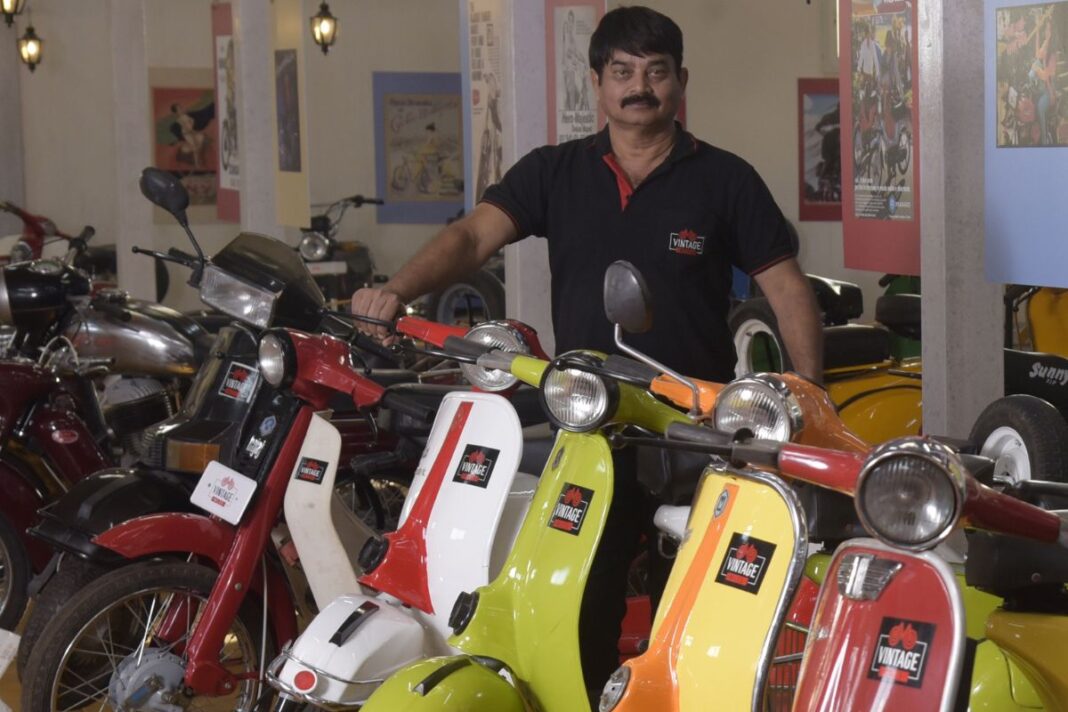

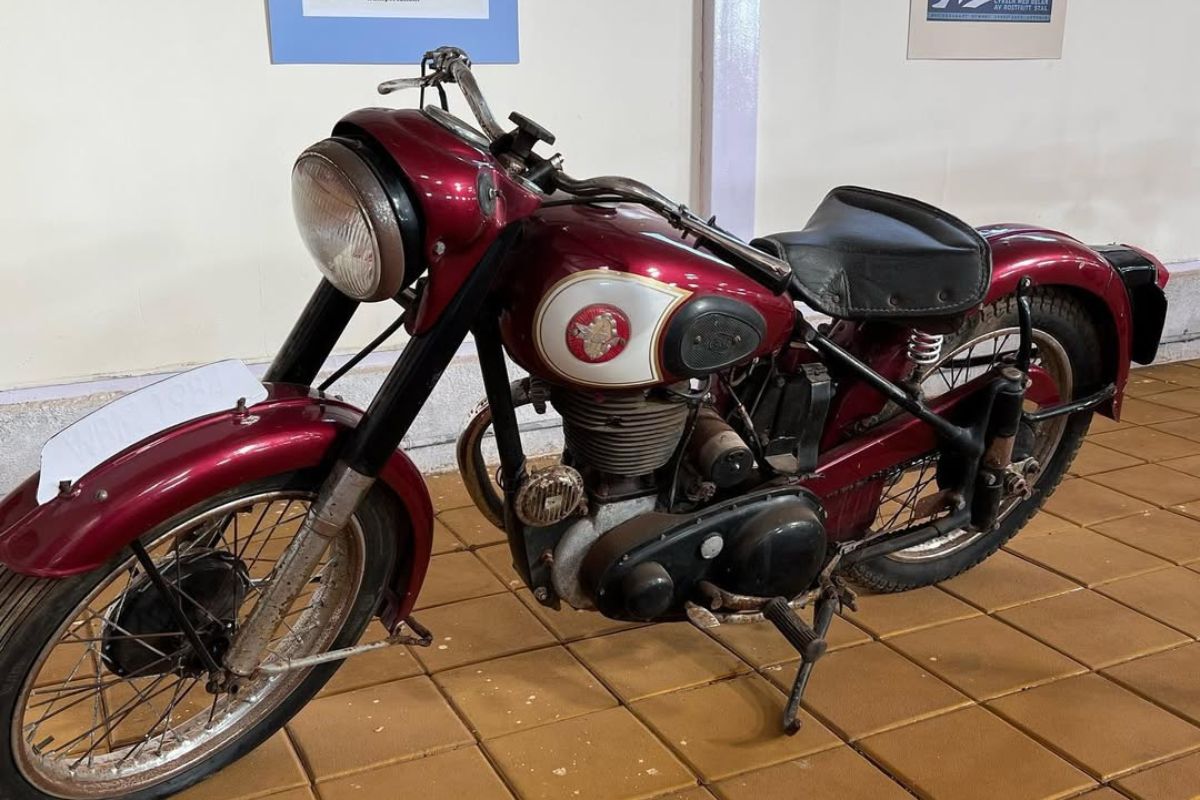
In Maharashtra, a unique passion project by Pune-based Vinit Prabhakar Kenjale has taken shape as Vintage Miles, India’s first museum dedicated entirely to vintage two-wheelers, showcasing over 500 rare models, from classic Royal Enfield machines to a 1967 Hercules moped.
A stripped scooter sat abandoned on a Pune street corner in the late 1980s. Its panels were gone. The engine stood exposed. Most people walked past without a second glance. But not Vinit Prabhakar Kenjale. He stopped and stared at the naked machinery, the visible pistons and gears working in harmony. That moment changed the trajectory of his life.
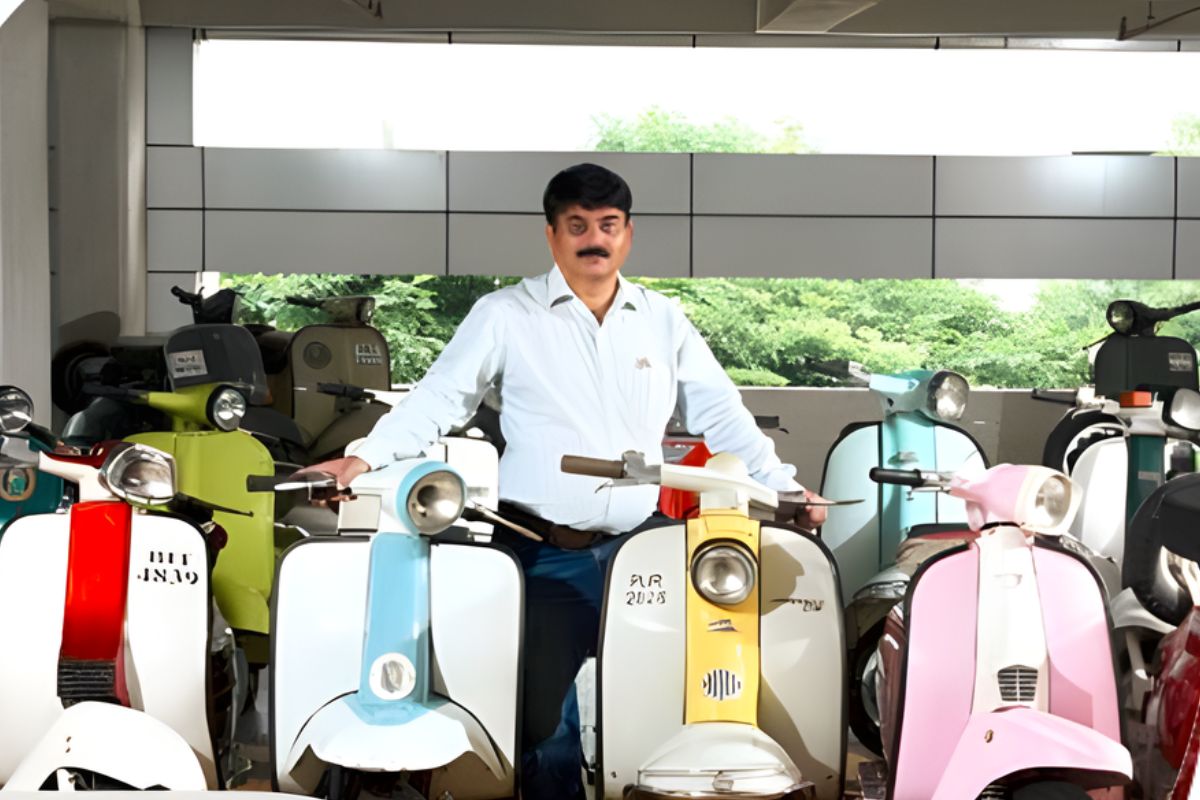
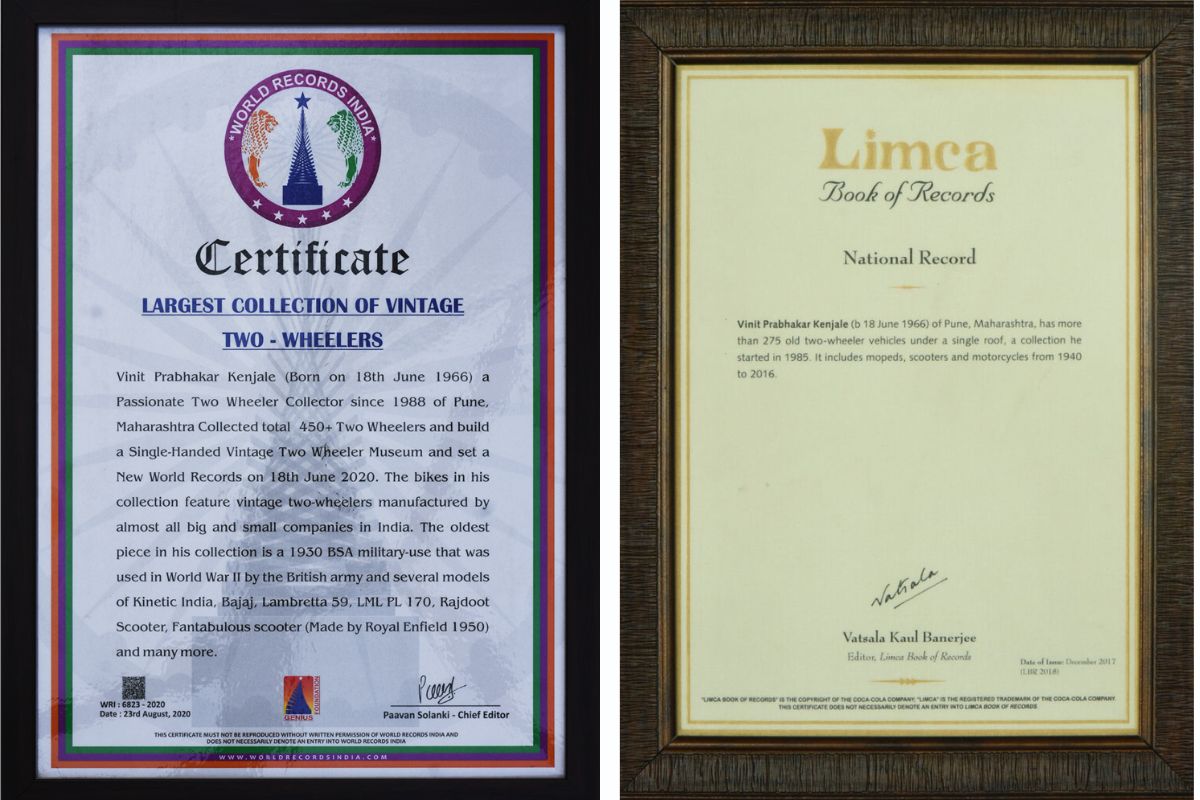
Today, Kenjale owns what record-keepers call India’s largest private collection of vintage two-wheelers under one roof. The collection numbers over 500 machines. They span eight decades of manufacturing history. Most of them are in working condition.
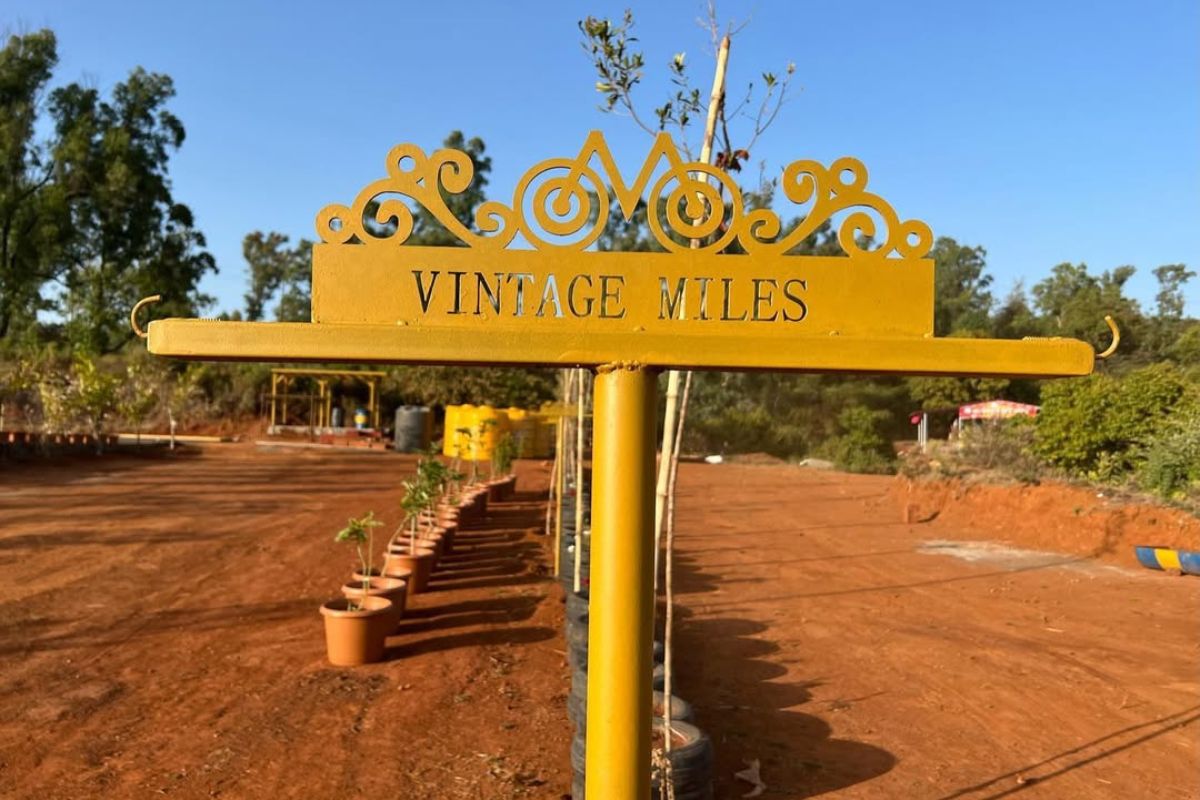
Vintage Miles opened to the public in 2022 along the Panchgani-Mahabaleshwar Road in western Maharashtra. The facility represents something unusual: a museum dedicated entirely to motorcycles, scooters, and mopeds. No cars. No tractors. Just the machines that moved ordinary Indians through the second half of the twentieth century.
The Founder’s Background
Kenjale built his fortune in Pune’s business sector before turning his attention to preservation. The collecting began in his youth, driven by mechanical curiosity rather than nostalgia. Each acquisition came with a story attached. A family’s first vehicle. A delivery bike that served a business for thirty years. Machines slated for scrap yards.
The collection grew steadily over three decades. By the time Kenjale decided to formalise the museum, he had accumulated pieces that ranged from military motorcycles of the 1930s to electric scooters from the current decade. The Limca Book of Records recognised his achievement in 2018. World Records of India followed in 2020.
Kenjale says 95 per cent of the vehicles remain operational. This claim sets Vintage Miles apart from other static displays. His focus is on working restoration rather than cosmetic preservation. Engines turn over. Gears engage. The collection documents function as much as form.
Location and Accessibility
The museum is located roughly six kilometres from central Mahabaleshwar. The road connecting Panchgani to Mahabaleshwar runs directly past the entrance. The parking accommodates both cars and motorcycles. The timings are 9 AM to 6 PM every day of the week. Entry costs Rs 100 per adult.
The Collection
Five hundred machines fill the exhibition space. The inventory includes motorcycles, scooters, mopeds, and scooterettes from manufacturers that shaped Indian transportation. Metal frames from the 1940s sit near plastic-bodied models from the 2000s. Two-stroke engines share space with electric motors.
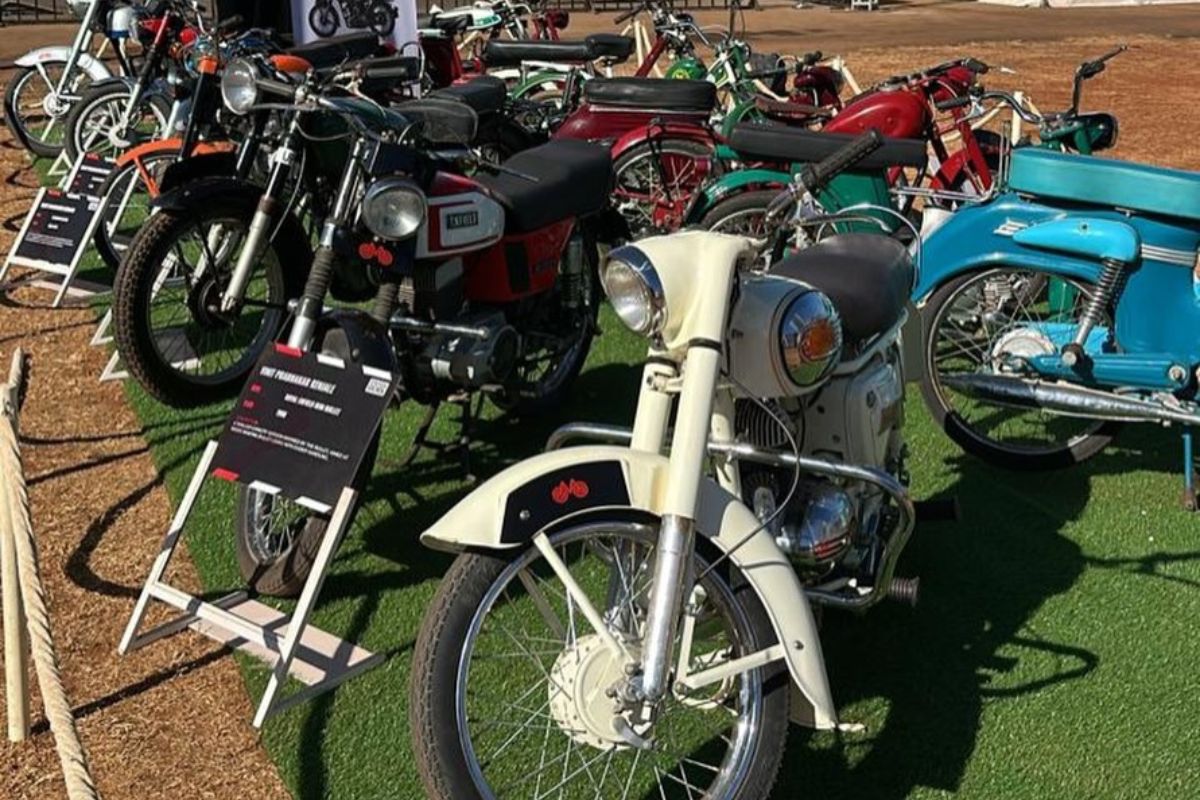
The chronological arrangement traces industrial evolution. Early post-war imports gave way to licensed manufacturing in the 1960s. Domestic production expanded through the 1970s and 1980s. The 1990s brought Japanese partnerships and modern engineering. Recent years have introduced electric alternatives.
Kenjale’s acquisition strategy favoured diversity. The collection includes at least one example from each major manufacturer active in India between 1940 and 2017. British brands appear alongside German engineering and Italian design. Homegrown Indian production occupies substantial floor space.
Besides complete vehicles, the museum displays cutaway models that expose internal mechanisms. Visitors get to see valve trains, transmission systems, and electrical components working live. These teaching tools echo the stripped scooter that first caught Kenjale’s attention decades ago.
Notable Pieces
The Royal Enfield Fantabulous scooter from 1950 represents an early attempt to blend British engineering with Indian assembly. Production numbers were limited. Few examples survive. The model predates the scooter boom that would transform Indian urban transportation in the following decade.
A 1967 Hercules moped illustrates the democratisation of motorised transport. These machines were sold to buyers who could not afford motorcycles or scooters. Simple mechanics kept maintenance costs low. The moped segment offered inexpensive transport to India’s emerging middle class.
Military green Matchless motorcycles from the 1930s show the British colonial reliance on imported machinery. These heavy bikes served military and administrative functions before independence. Their rugged construction suited rough roads and limited maintenance infrastructure.
The NSU Quickly N from 1953 arrived as European manufacturers developed lightweight categories. New regulations in post-war Europe spurred the design of mopeds. Indian imports followed shortly after the introduction of Europeans. The Quickly’s simple frame and small engine embodied affordable mobility.
Lambretta models from the early 1950s captured the scooter revolution. Urban Indians embraced enclosed designs that protected riders from weather and road debris. The Italian manufacturer’s presence in India shaped local tastes for decades.
Historical Context
India emerged as the world’s largest two-wheeler market during the period documented in this collection. The transition from import dependence to export capacity unfolded across these decades. Early models arrived as complete imports or knocked-down kits. Manufacturing licenses followed. Domestic engineering developed gradually.
The museum’s timeline mirrors national industrial policy. Import restrictions in the 1960s and 1970s forced local assembly. Technology transfer agreements brought foreign designs to Indian factories. Indigenous development began in the 1980s. Export markets opened in the 1990s.
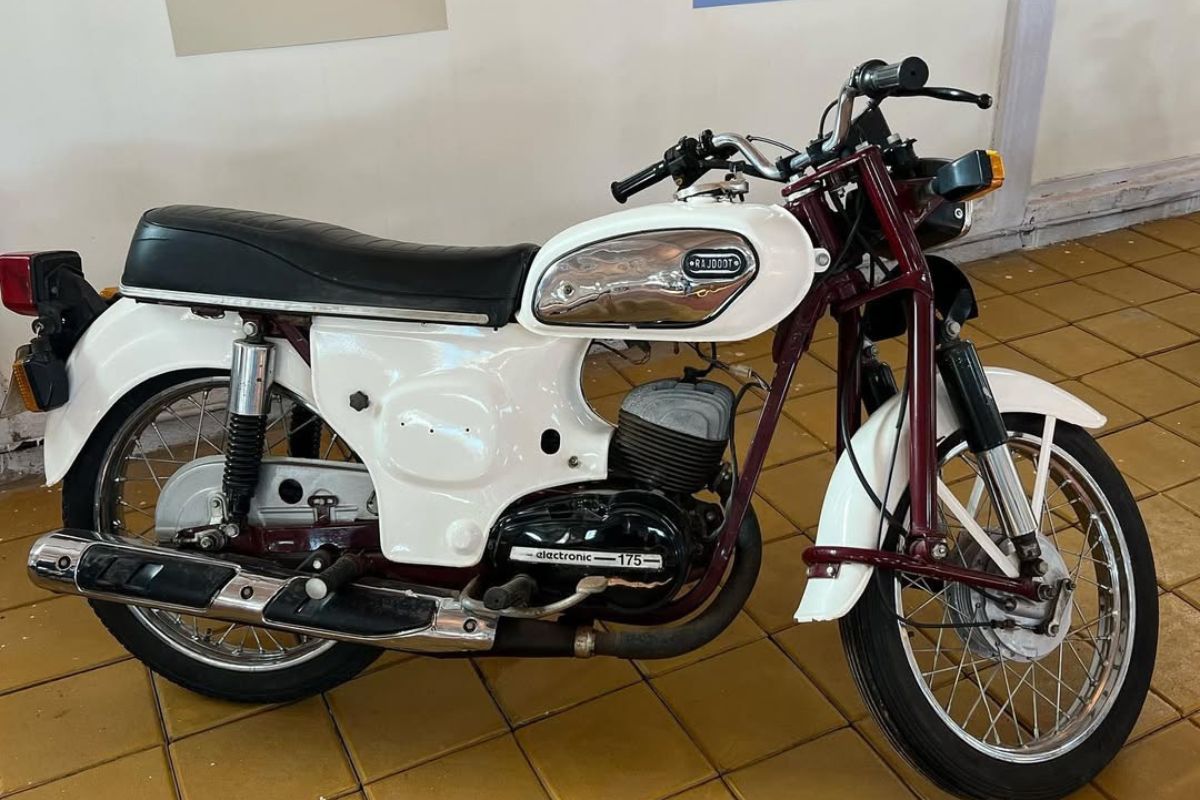
These machines served functional roles in daily life. They were not luxury items or sporting equipment. Workers commuted on them. Families travelled together on single bikes. Businesses used them for deliveries. The wear patterns and modifications visible on many exhibits tell these stories.
Maharashtra’s hosting of India’s first dedicated two-wheeler museum carries significance. The automotive industry is concentrated in western India. Pune became a manufacturing hub. Local collections like Kenjale’s preserve regional industrial heritage.
What Visitors Will Find
The layout follows chronological progression. Entrance galleries feature pre-war and immediate post-war models. The middle sections cover the license-raj era and early domestic production. Later galleries show modern development and electric transitions.
Staff members provide context for specific exhibits. Visitors with mechanical knowledge appreciate technical details. General audiences grasp broader stories about transportation and social change.
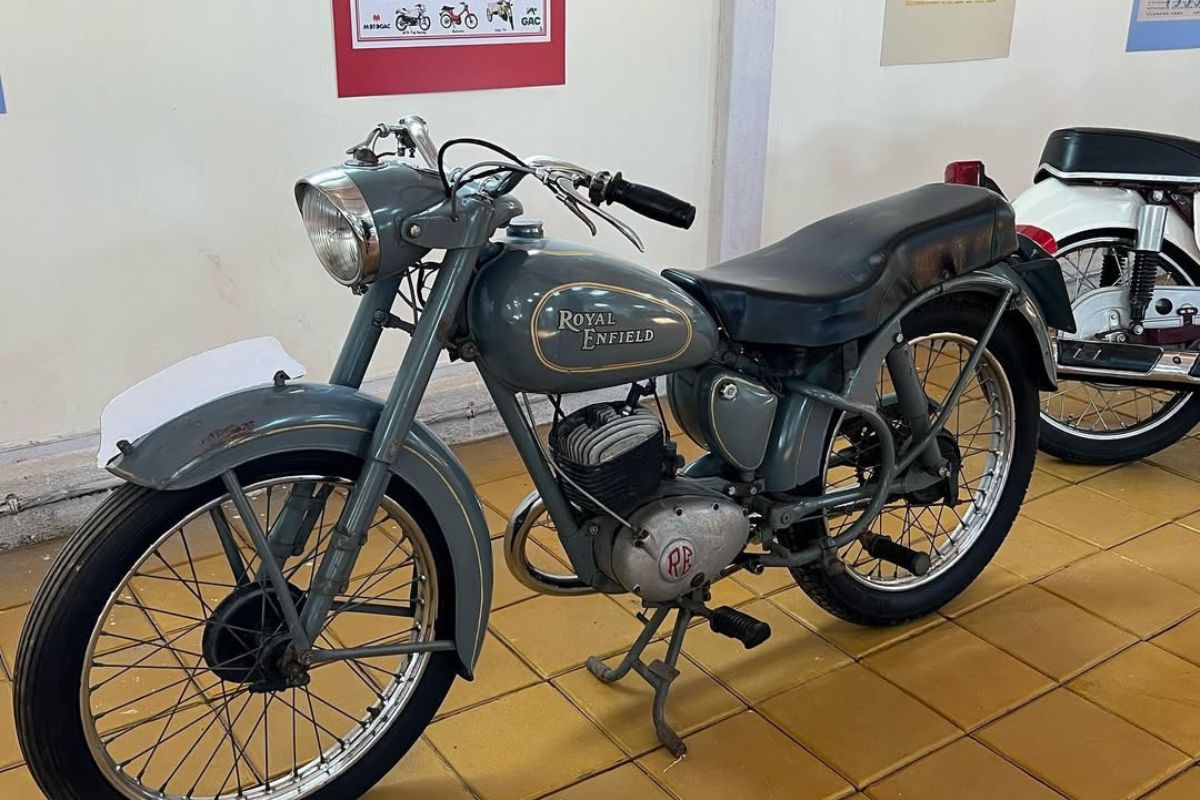
The operational status of most vehicles allows occasional demonstrations. Kenjale and his team start engines and operate mechanisms for interested groups. The sound and movement bring static history to life. Visitors experience a thrill hearing the distinctive two-stroke rasp and seeing belt-drive systems engage.
Photography is permitted throughout the facility. The indoor and outdoor layout requires comfortable walking shoes. Climate control protects exhibits from the humidity in Maharashtra. The preservation challenges in tropical conditions shape maintenance procedures.
Planning Your Visit
Individual visitors need no reservation, walk-ins are welcome during posted hours. Groups need to call ahead during peak tourist seasons and holidays. The museum recommends setting aside two hours for a thorough visit.
The location complements other Mahabaleshwar attractions. Viewpoints, gardens, and hill-station amenities are within a short distance. Visitors often plan full-day trips that include multiple stops. The museum provides specialised content that complements general sightseeing.
Public transportation connects Pune and Mumbai to Panchgani. From there, local buses and hired vehicles reach Mahabaleshwar. GPS navigation lists “Vintage Miles Museum” as a destination. Road signage appears along the Panchgani-Mahabaleshwar route.
Preservation Efforts
The collection continues to grow. Kenjale actively seeks rare models and significant examples. Each acquisition undergoes assessment and restoration as needed. The workshop maintains the operational status that defines the museum’s character.
Documentation accompanies mechanical work. Provenance research traces ownership histories. Manufacturing details receive verification against factory records when available. The archive serves educational purposes beyond public display.
Plans include expanding the facility and acquiring additional electric vehicles. International partnerships may develop as the museum gains recognition. Participation in events like India Bike Week 2025 raises the profile of the collection.
The stated goal is to achieve global recognition as a premier motorcycle museum. This ambition drives ongoing investment in preservation and presentation. As India’s two-wheeler industry continues evolving toward electric power, Vintage Miles documents the journey from imported curiosities to exported innovations.
The museum represents Kenjale’s passion that began when he spotted the stripped scooter on a Pune street. What began as adolescent curiosity became a lifetime pursuit. Five hundred machines later, the collection offers visitors a tangible connection to India’s transportation history. The bikes that moved millions now sit preserved, their stories available to anyone willing to spend an afternoon listening to their hum.
Also Read:D. Sharifa Khanam: Fairy Godmother for Oppressed Women
You can connect with DNN24 on Facebook, Twitter, and Instagram and subscribe to our YouTube channel.