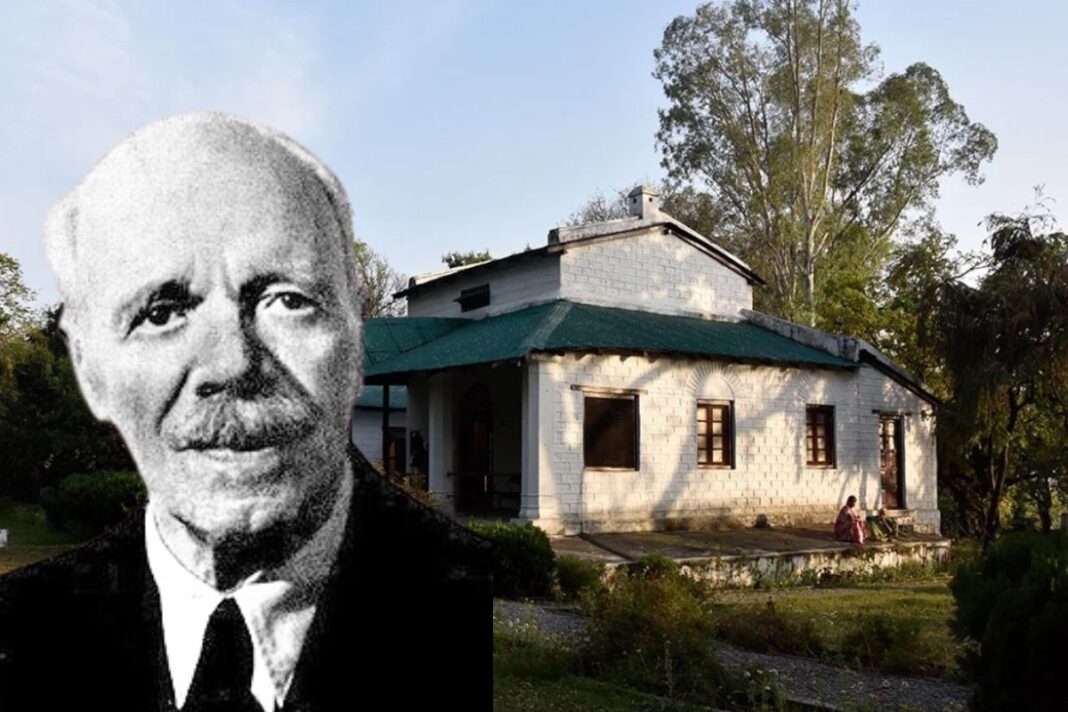

Chandigarh is one of India’s most carefully planned cities, and even today its infrastructure and architecture are cited as global examples of urban design. The city is not merely a place to live; it is an idea, a vision, and a symbol of a new India. After Independence, when Punjab needed a new capital, the dream was to create a city that was modern, efficient, and designed around human needs. To turn that vision into reality, world-renowned architects were invited. Among the most important of them was Pierre Jeanneret, who played a central role in shaping Chandigarh.
Maison Jeanneret: Where Chandigarh’s architectural story began
Maison Jeanneret holds a special place in Chandigarh’s history. Built in 1954 in Sector 5, it is widely regarded as one of the city’s earliest and most significant architectural residences, and is often described as the first house built in Chandigarh. Pierre Jeanneret lived here for about 11 years, from 1954 to 1965, while helping design and develop the city. The house served both as his residence and as a working space from where he carried out much of his architectural planning.
A unique blend of architecture and functionality
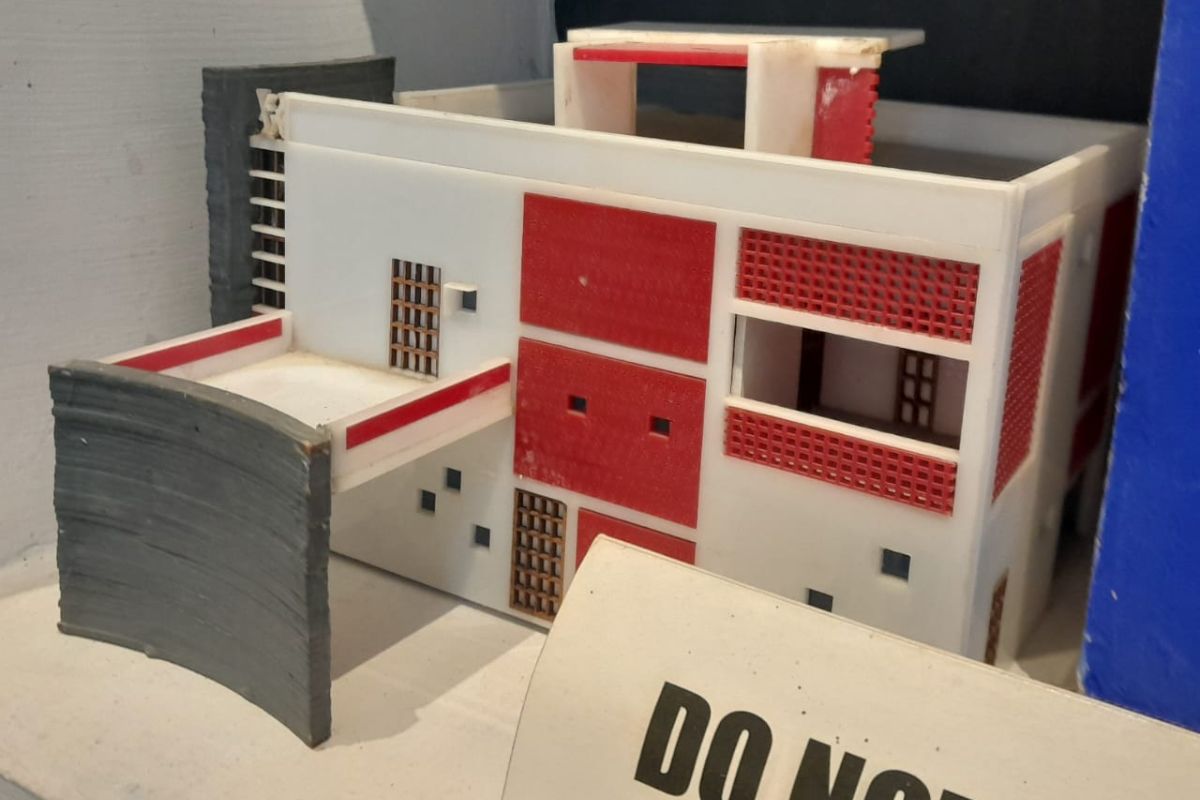
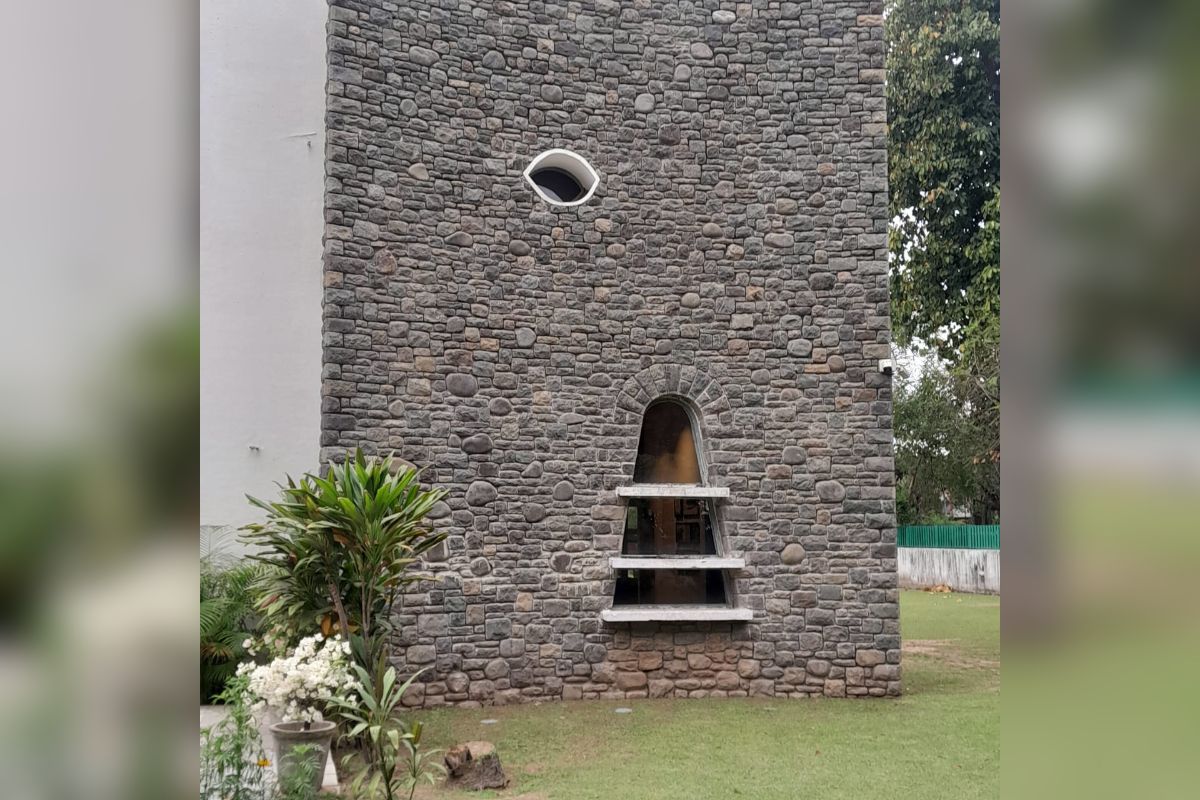
The design of Maison Jeanneret is a fine balance of simplicity and functionality. It is a two-storeyed building whose layout was carefully planned not only for visual appeal but also for daily use and comfort. The lower floor functioned as an office and meeting area, where Pierre Jeanneret worked with colleagues and discussed projects, while the upper floor was reserved for private life, with bedrooms and resting spaces. This arrangement clearly reflects a thoughtful balance between work and personal life.
Climate-responsive design
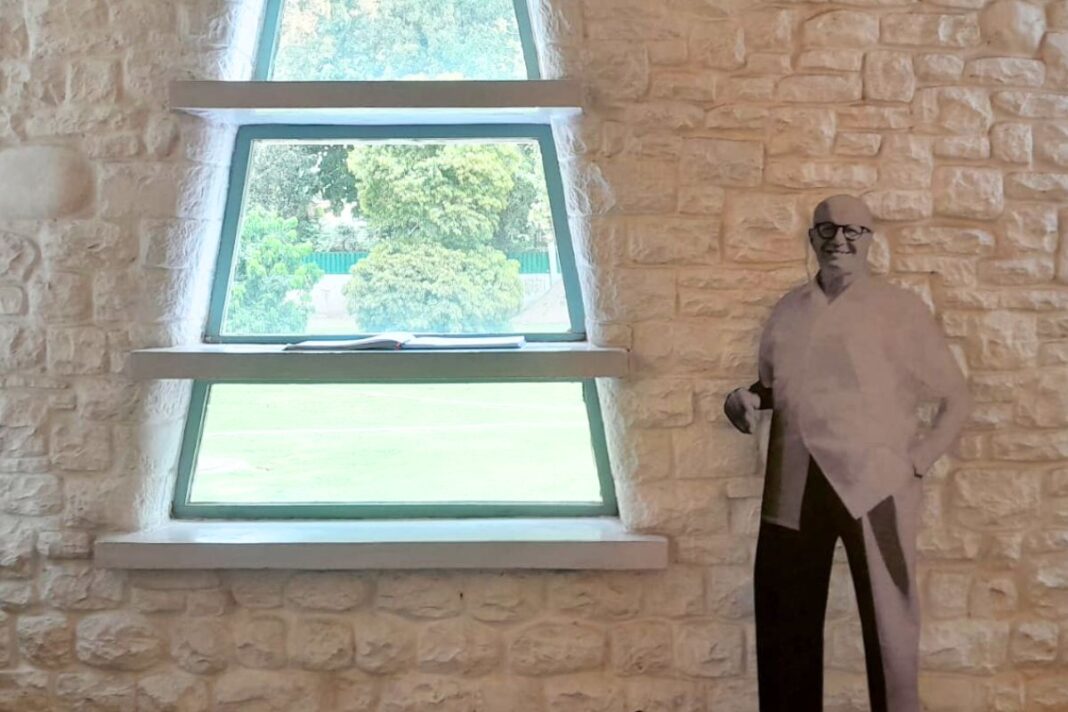
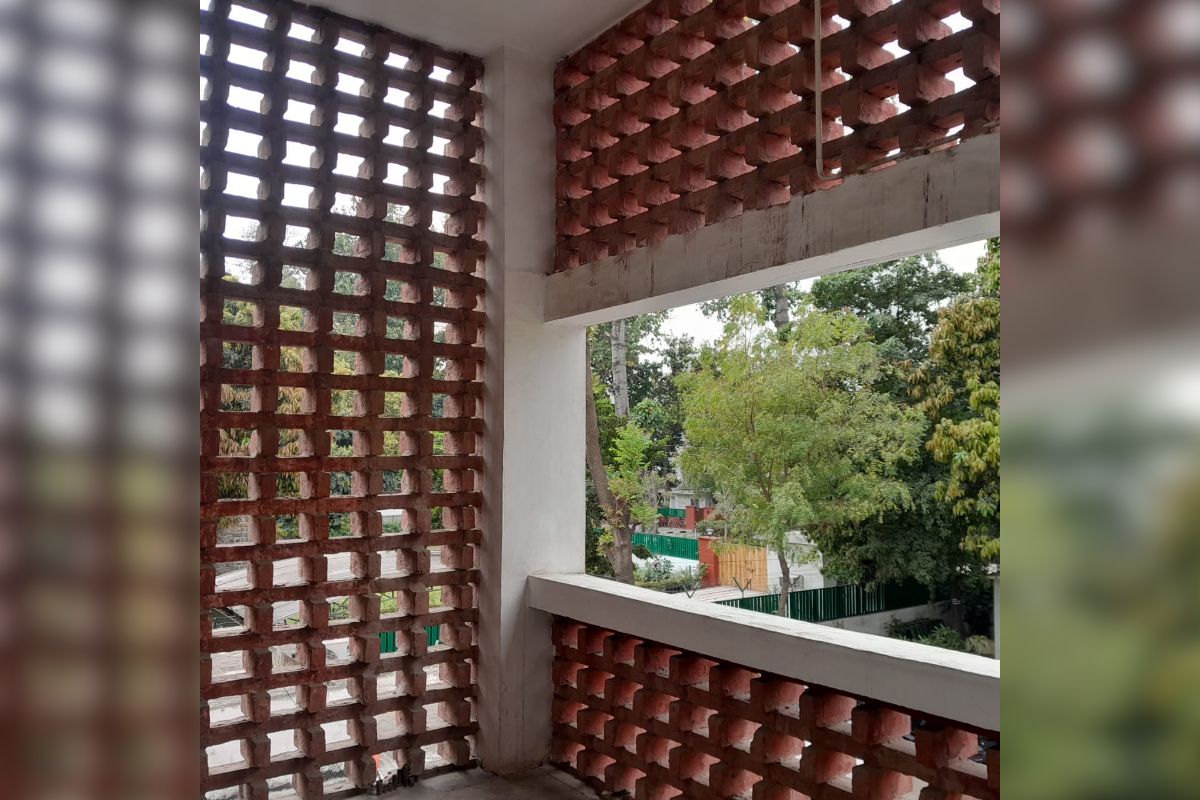
Keeping Chandigarh’s hot climate in mind, Maison Jeanneret was designed with climate sensitivity at its core. The use of thick brick and concrete walls helped maintain cooler interior temperatures. The house also features deep balconies and latticed brick screens, which allow airflow and diffuse natural light while preserving privacy. These features show how advanced and practical the design thinking was for its time.
Furniture and interiors
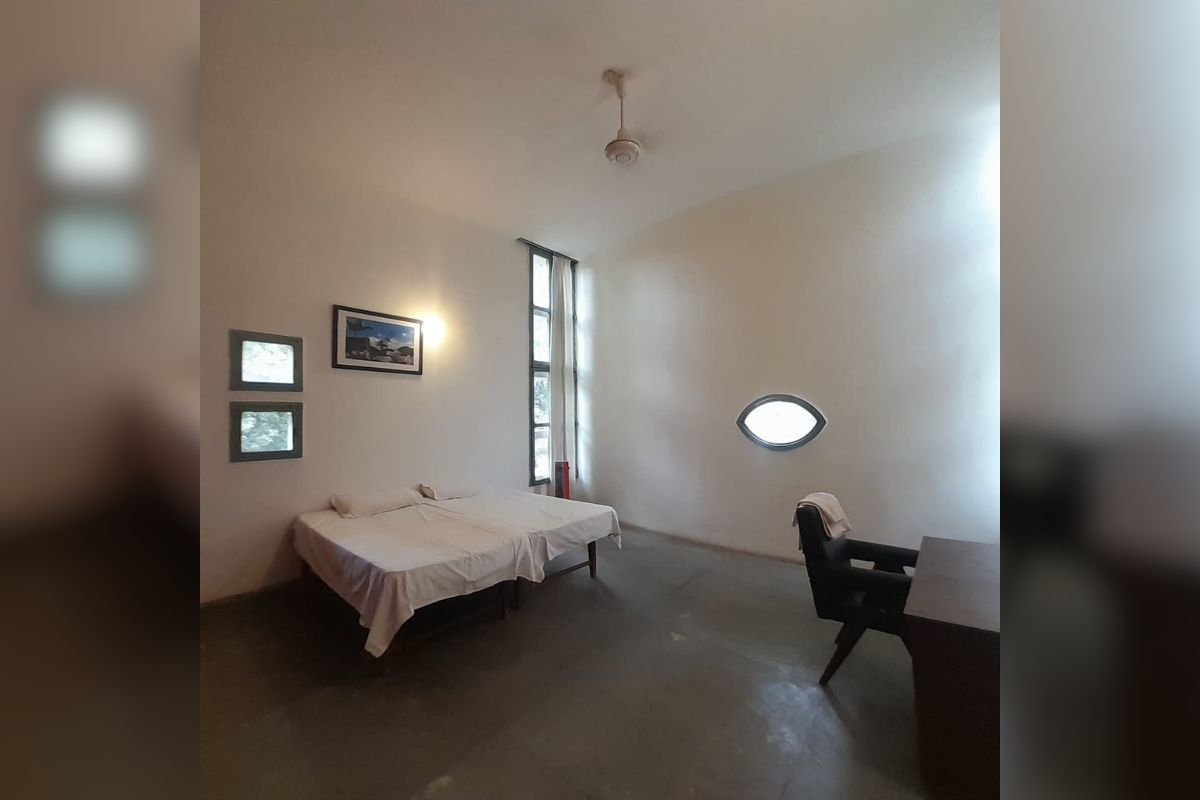
The furniture of Maison Jeanneret is as distinctive as the house itself. Pierre Jeanneret designed chairs, tables, and other furnishings that combined simplicity, durability, and comfort. His furniture, often made with locally available materials and local craftsmanship, has since become internationally known as Chandigarh furniture and is today highly sought after. This enduring appeal shows that great design does not lose relevance with time.
From residence to museum
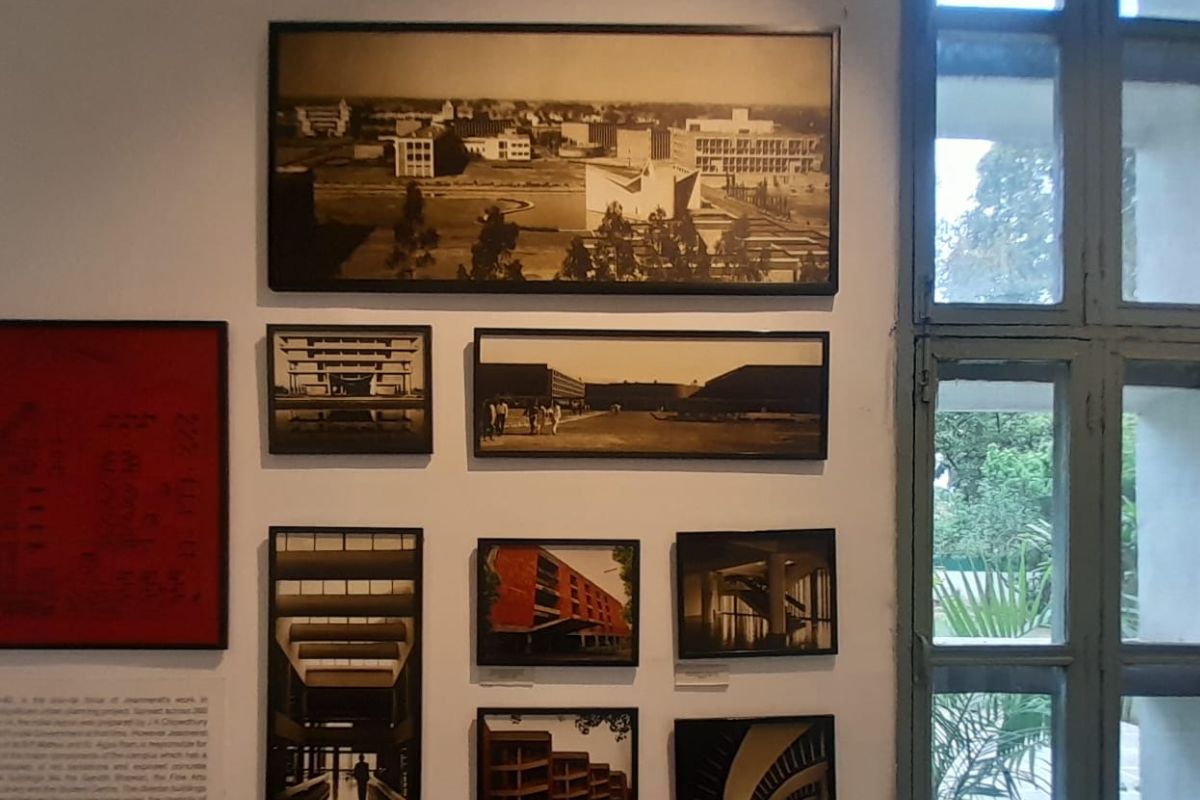
Today, Maison Jeanneret has been converted into a museum to honor Pierre Jeanneret’s contribution and preserve his memory. The museum allows visitors to learn about his life, his work, and the making of Chandigarh. It is also part of Chandigarh’s wider architectural heritage, which draws students, architects, and history enthusiasts from India and abroad. The house was converted into a museum and opened in 2017.
The heart of Chandigarh’s architectural imagination
Maison Jeanneret is not just a building; it is the birthplace of an idea. It represents the place where Chandigarh’s planning spirit found built form and where the foundations of a new city were shaped. Even today, its design continues to inspire people in the field of architecture by showing how thoughtful planning and simplicity can create something timeless.
Conclusion
The making of Chandigarh was the result of a bold vision, and Pierre Jeanneret’s contribution to that vision was extraordinary. Maison Jeanneret stands as a living example of his legacy. His story shows how the imagination of one architect helped shape an entire city. Even today, the house inspires us to think bigger and build things that can endure across generations.
This article originally appeared in Sadda Punjab.