
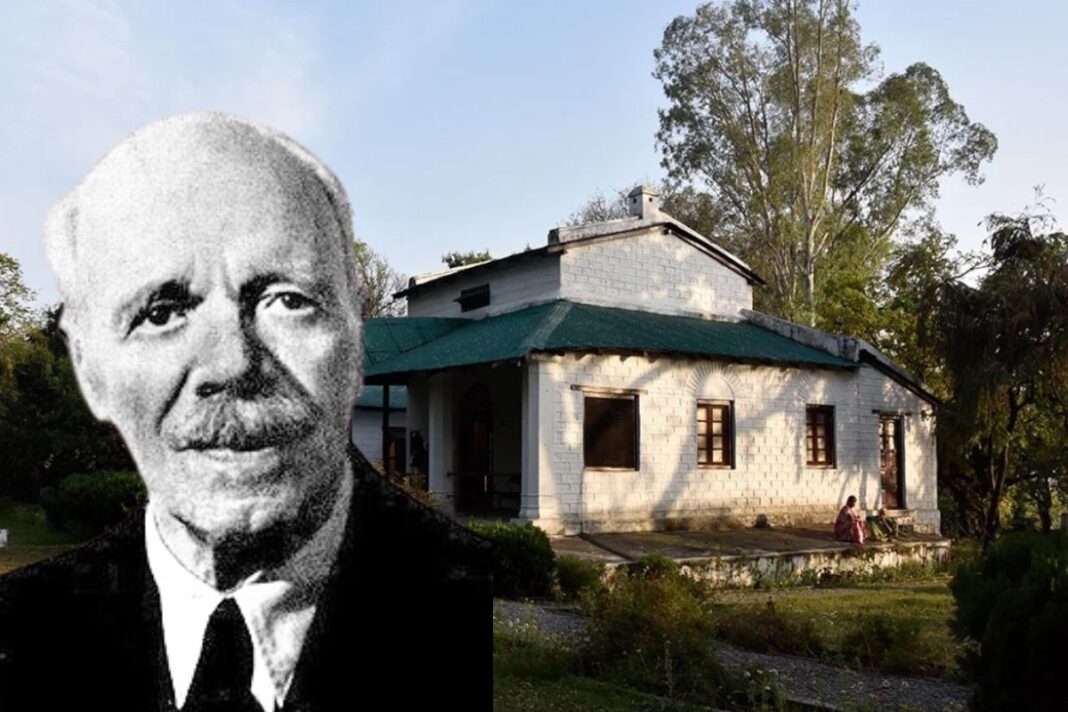

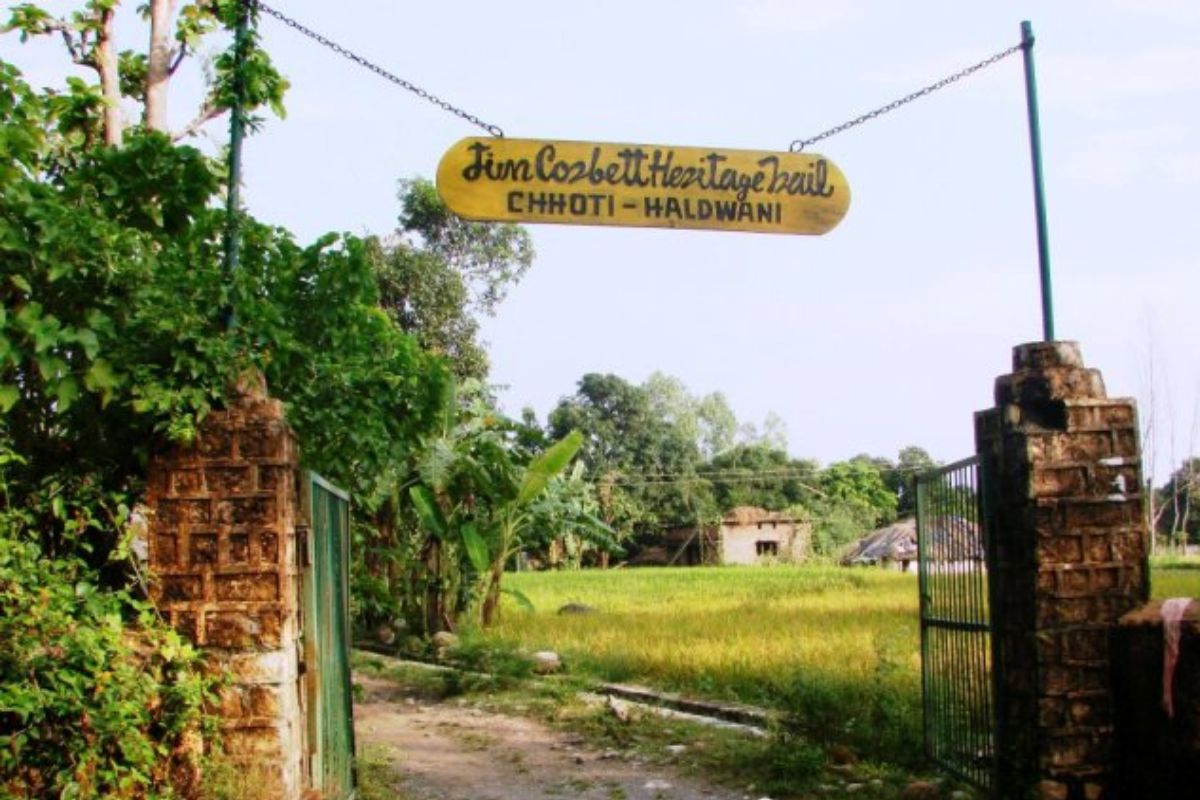
Kaladhungi is a small town in the Nainital district of Uttarakhand. It was here that hunter-turned-environmentalist Jim Corbett spent the later years of his life and gave it an affectionate nickname- Chhoti Haldwani.
Corbett also spent his childhood here. His father was a postmaster, and the family owned 40 acres of land granted by the British government as a kind of early privilege. After completing his education, Corbett worked for the railways and was posted in Bihar. During World War I, he led 500 soldiers from Kumaon to France as an Army Captain and returned as a Major. This is the part that history records formally, but Corbett’s real story unfolds beyond these formal achievements.
After leaving his job, he started working in property dealing. He would travel to Nainital five days a week. His journeys on horseback through the dense forests of Mangoli and Ghatgarh between Kaladhungi and Nainital remain etched in the memory of locals like a moving picture. Though he had the company of English friends, and all comforts in Nainital, his heart longed for Kaladhungi- for the forests and the life within them, which he deeply loved.
A hunter and later, a conservationist, Corbett did not just navigate the forests of the Terai and Bhabar, he lived them. Between 1907 and 1929, he killed several man-eating tigers in places like Champawat, Panar, and Rudraprayag. These are not just geographical names but thrilling adventures for his countless readers. The Champawat tigress killed 436 people. More than the thrill of hunting, the killing of this maneater evokes a sense of collective relief.
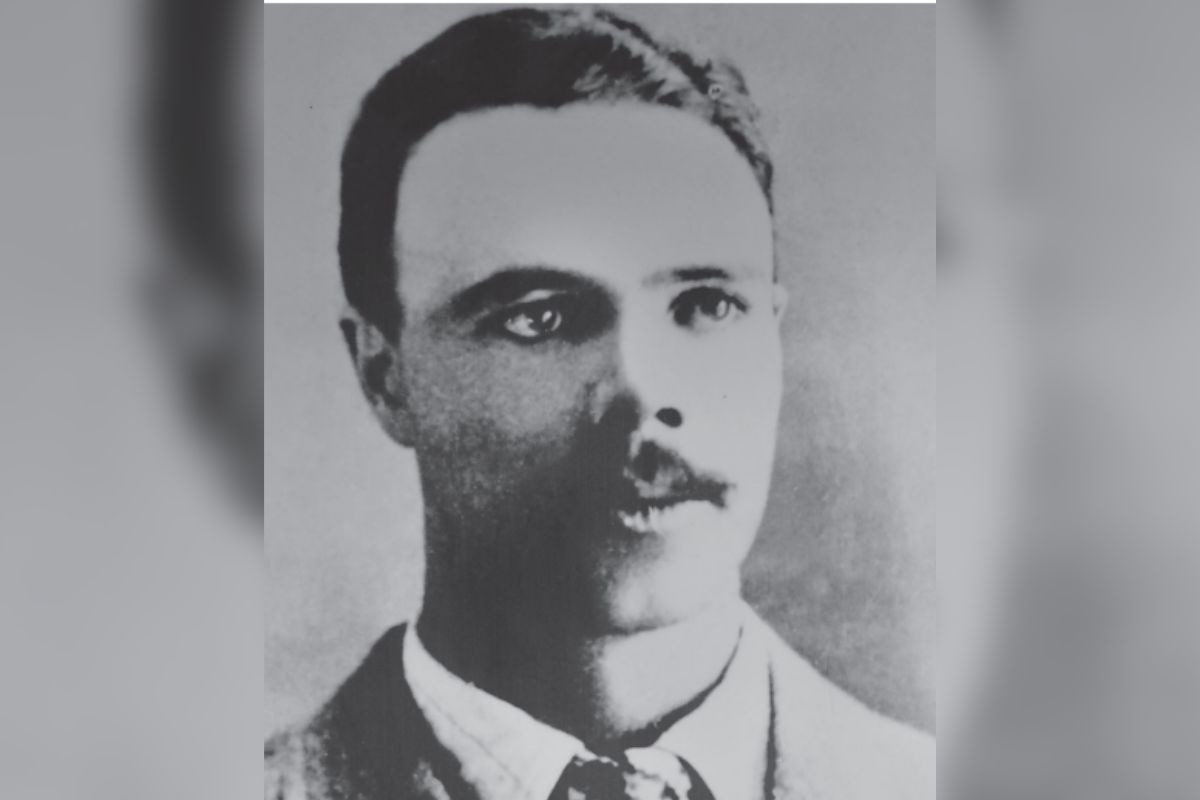
However, calling Corbett merely a hunter would be an oversimplification. His books, though centered on hunting, are actually human diaries. The way he documented people around him- their dialects, habits, joys, and sorrows- gives him the depth of an anthropologist. The people of Kaladhungi and nearby villages were not just characters for him; the relationship lasted until his death.
His home in Kaladhungi, where he lived with his sister Maggie Corbett, was a small world in itself. They were served by a domestic helper, Ramsingh, and his family. When Corbett decided to leave India and settle in Kenya in 1947, his biggest concern was this family. He transferred a piece of land to Ramsingh and made arrangements for their monthly financial support. Even after his death in 1955, Maggie continued to fulfil this responsibility. Such acts shine a brighter light on Corbett’s character than any formal honor.
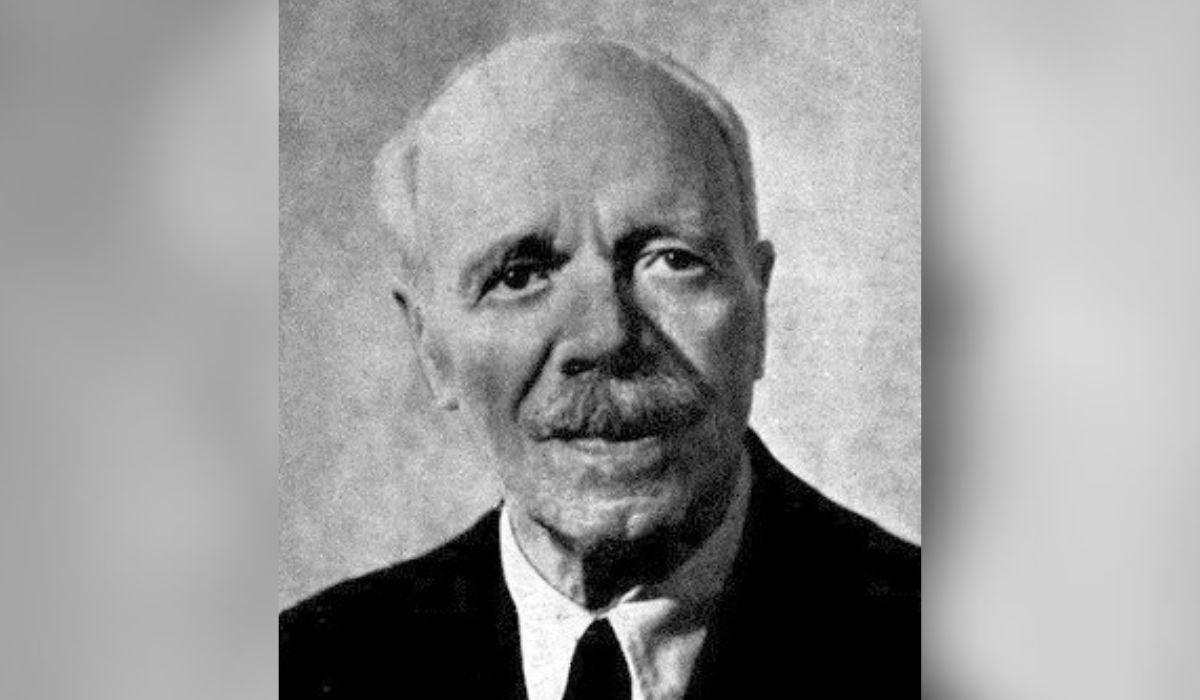
Many important people from his Kaladhungi life are immortalized in his books. His hunting companion and village head of Chhoti Haldwani, Bahadur Khan, was a skilled hunter and photographer. Then there was Moti Singh, a poor farmer and Corbett’s main aide, whose understanding of the jungle was extraordinary. His son, Pan Singh was also part of this circle. And there was Kunwar Singh- a ruthless hunter whom Corbett often disagreed with, yet learned crucial lessons about the forest from him.
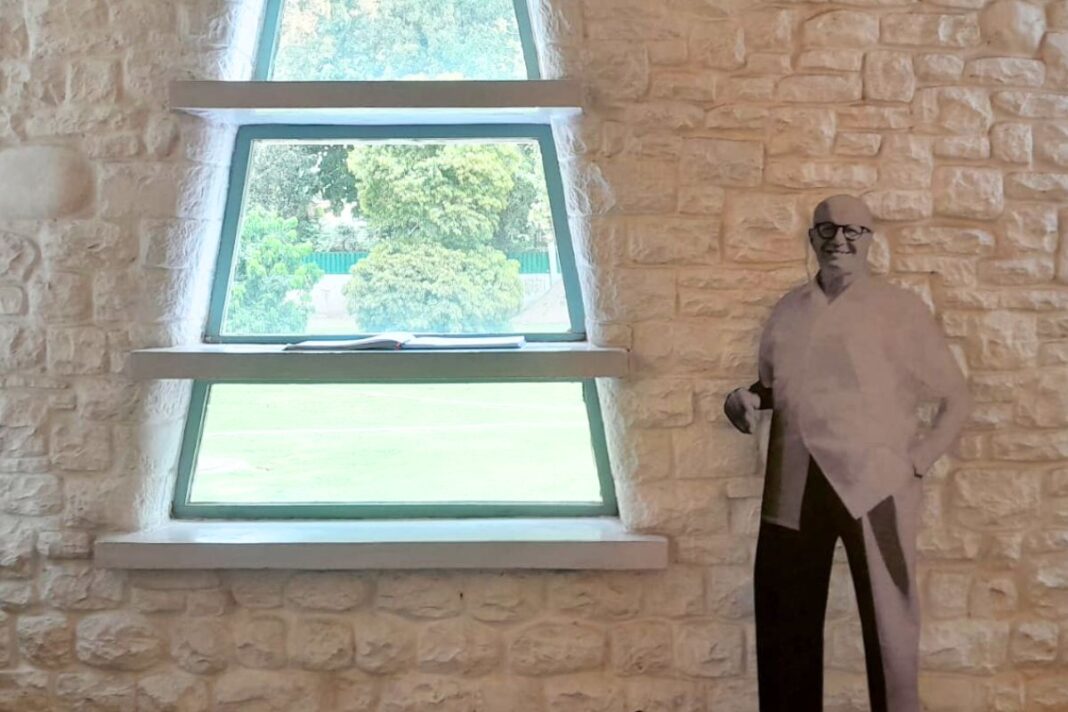
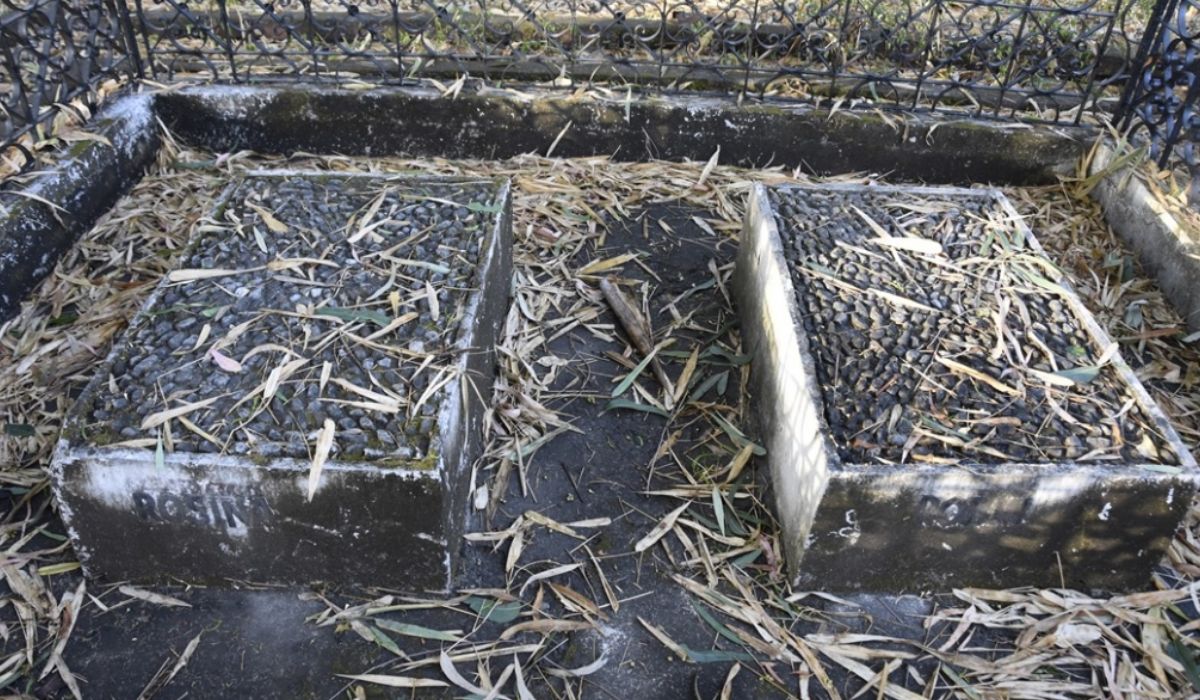
Last but not the least, there were his dogs- Robin and Rosina. The warmth and love with which Corbett remembered them makes any sensitive reader pause and reflect. In a corner of his house in Kaladhungi, which is now a museum, their graves still remain. The graves reflect the kind and humane side of Corbett.
His love for India is beautifully expressed in his book ‘My India’. The India he spoke of was a country of forty crore people- most of them poor, honest, and hardworking.
Perhaps Corbett’s most significant contribution as a hunter was understanding why tigers turned man-eaters. The Champawat tigress, whose teeth were damaged by an old bullet wound, could no longer hunt its natural prey and thus turned to humans. This understanding led him toward conservation. In 1936, he played a decisive role in establishing India’s first national park- Hailey National Park- for which he was awarded the ‘Kaiser-e-Hind’ title. Later, the park was renamed after him and is known across the world as Jim Corbett National Park.
Remembering Corbett is, in essence, remembering a rare human being- one who carried a gun yet advocated for the protection of forests. One who hunted, yet ultimately stood for life. He truly deserved to be called Kaiser-e-Hind.