


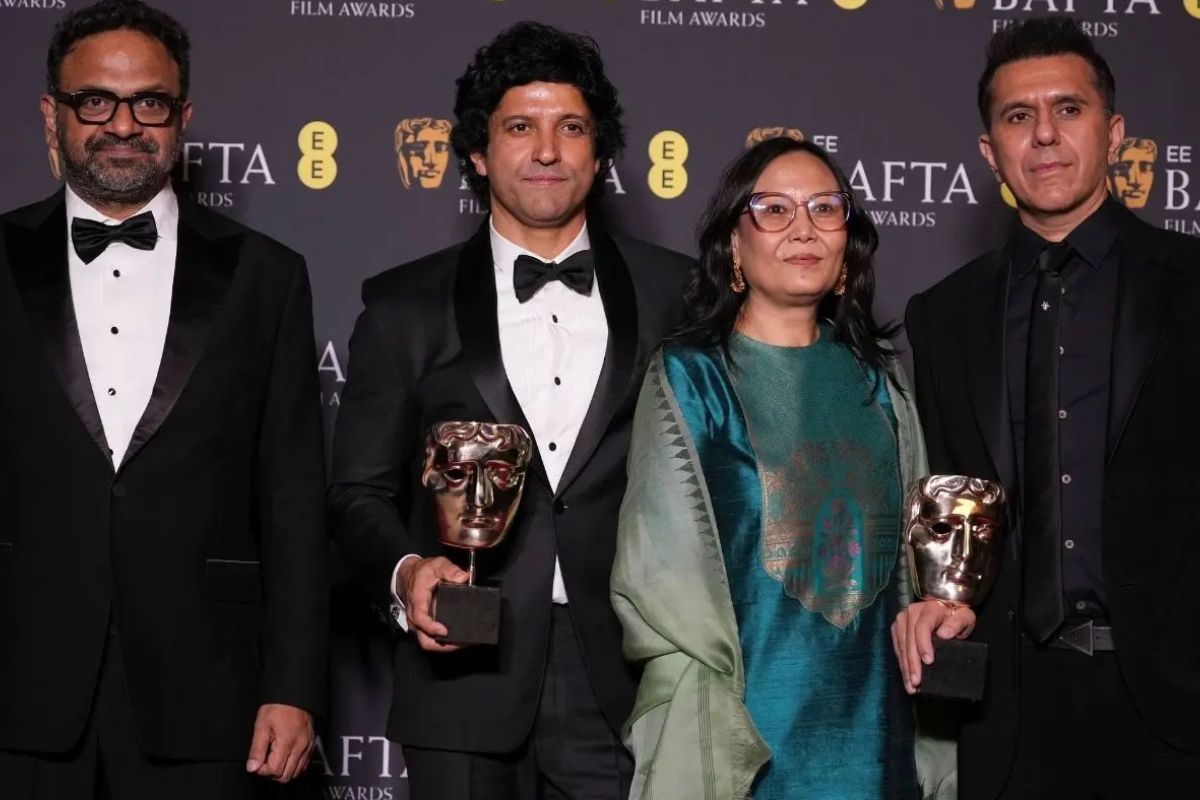
When Director Lakshmipriya Devi stepped up to accept the BAFTA trophy for Best Children’s & Family Film Award for Boong on February 22, 2026, she carried an entire region’s aspirations through her directorial debut. The award marked the first time any Indian film had claimed this honour at the British Academy Film Awards, a breakthrough that placed Manipuri cinema on the international map.
Boong beat four competitors at the 79th BAFTA ceremony in London, including Disney’s Zootopia 2, the live-action Lilo & Stitch remake, and Arco. The victory represented years of work by producers Ritesh Sidhwani and Farhan Akhtar of Excel Entertainment, alongside Chalkboard Entertainment and Suitable Pictures.
The Achievement
The win capped Boong’s successful festival circuit run that began at the Toronto International Film Festival (TIFF) in September 2024. Critics described the film as a “rich coming-of-age tale” that balanced childhood innocence with the realities of life along the border in Northeast India. The Asia Pacific Screen Awards recognised it as Best Youth Film, while the Indian Film Festival of Melbourne gave lead actor Gugun Kipgen a Special Mention for Best Actor in 2025.
In their acceptance speech, Sidhwani and Devi dedicated the award to Manipuri talent. The recognition came as unexpected validation for a project filmed in remote locations with primarily local, often untrained actors. Producer Alan McAlex of Chalkboard Entertainment had discovered the script through a budget inquiry and convinced Excel to back the production based on its cultural authenticity.
Story and Setting
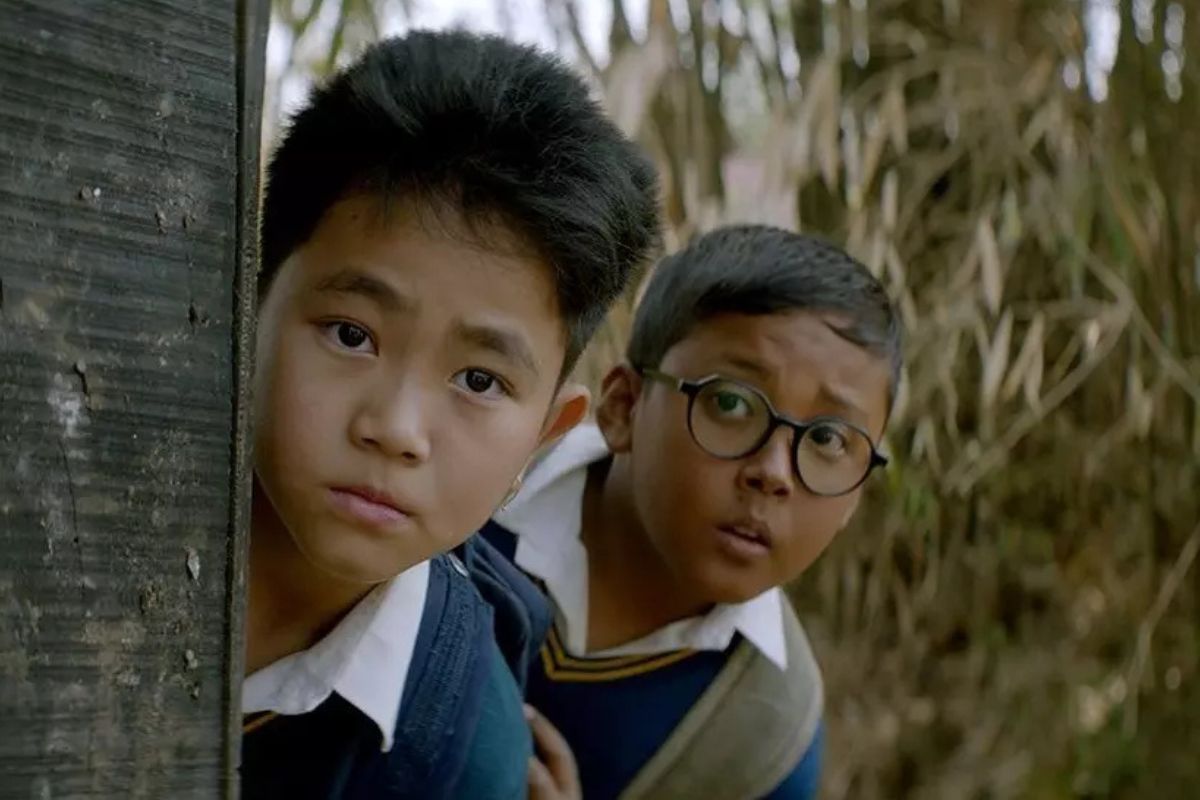
The film follows Brojendro, called Boong, a schoolboy who lives in a Manipur village near the Myanmar border. When his father, Joykumar, travels to Moreh for work and disappears, Boong refuses to accept his presumed death. He sets out to find his father, joined by his best friend Raju Agarwal.
Their journey exposes the complications of border life. The story addresses racial prejudice between communities, the uncertainty of cross-border movement, and ethnic tensions that simmer beneath daily routines. Boong’s mother, Mandakini, runs her household while grieving for her missing husband, representing the quiet endurance of families caught in uncertain circumstances.
The narrative avoids heavy-handed lessons. Through the determination of a child who fails to understand why adults have given up hope, the film presents loss and resilience as facts of life rather than dramatic set pieces.
Director’s Methods
Devi wrote the script during a break from her career as a first assistant director on major productions. She had worked in commercial film but wanted creative control to tell stories rooted in her own experience. Her grandmother’s folk tales influenced the storytelling approach, providing a template for narratives that comfort while acknowledging hardship.
For the child artistes, Devi rejected traditional rehearsal methods. She presented real-life scenarios and captured spontaneous reactions, a technique she called “situational acting.” This approach yielded performances that critics called authentic. Devi has explained in interviews that she wanted socio-political elements to feel woven into personal moments rather than imposed as commentary.
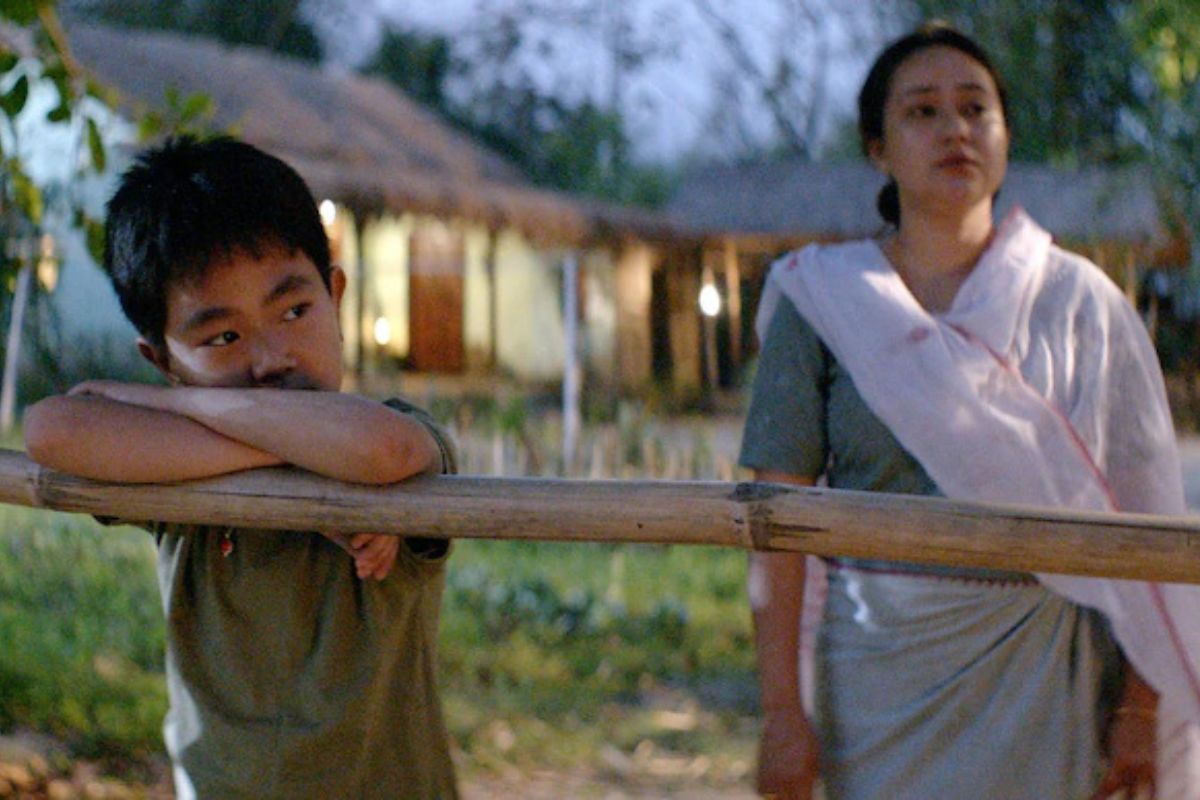
The production team faced what Devi termed “unpredictable terrain.” Filming locations included Moreh border town, the Tamil colony, and the actual border gates. The crew completed principal photography by early May 2023, finishing just hours before ethnic violence erupted across Manipur on May 3. The timing transformed Boong into an unintended record of life before the conflict intensified.
Performances
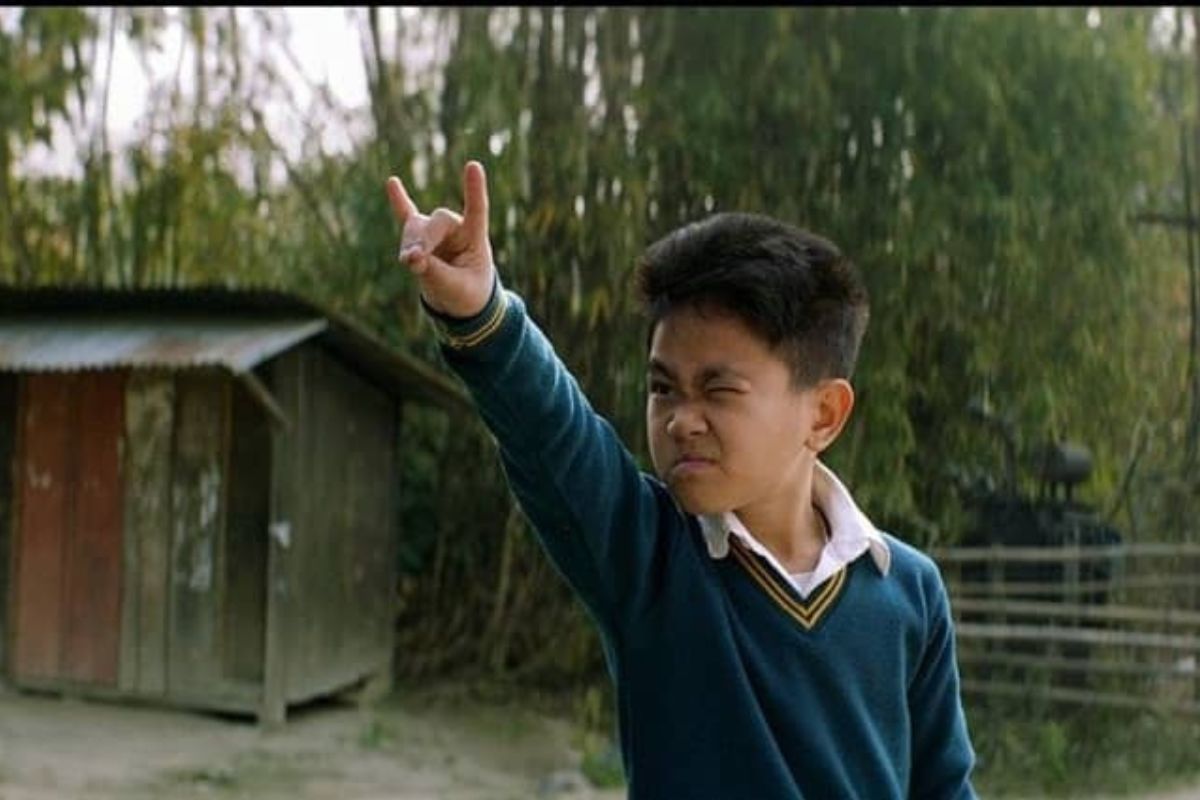
Gugun Kipgen carries the film as Boong with a performance that balances childlike stubbornness with vulnerability. His portrayal earned applause at international festivals before the BAFTA nomination. Bala Hijam plays Mandakini with restraint, conveying grief through small gestures rather than dramatic scenes.
Angom Sanamatum plays Raju, the friend who accompanies Boong on his search for his missing father. Vikram Kochhar plays Raju’s father, Sudhir Agarwal, a character who represents attempts at cross-community understanding. Supporting roles went to local actors, including Nemetia Ngangbam and Jenny Khurai, many of whom had no previous film experience.
Hamom Sadananda plays the missing father Joykumar, a role that drives the plot through its absence. The casting prioritised faces and voices that would register as genuine to audiences familiar with the region.
Production Background
Excel Entertainment’s involvement began when McAlex pitched Devi’s script after it was read during Chalkboard’s development process. The production companies structured financing to allow filming in actual locations rather than recreating border settings elsewhere. This decision added logistical challenges but preserved the story’s geographical specificity.
The crew included both industry professionals and community members. Devi mentored local participants in technical roles, a choice that slowed production but maintained what she called cultural “nuances” that outsiders might miss. The Central Board of Film Certification granted the film a “U” certificate for universal audiences in 2025.
Boong received a limited theatrical release through PVR INOX on September 19, 2025. The modest distribution reflected the challenges facing regional Indian films despite festival success.
Festival Recognition
After premiering at TIFF, Boong appeared at more than 15 festivals worldwide. The list included the Warsaw Film Festival, Mumbai Film Festival (MAMI), the International Film Festival of India (IFFI), where Devi earned a Best Debut Director nomination, and BUFF Malmö. The film won Excellence in Feature Filmmaking at the Indian Summer Arts & Film Festival in Canada.
Reviews from Variety and other media outlets praised Devi’s “gentle lens” on childhood during unstable times. The BAFTA nomination announced in January 2026 surprised industry observers who expected Disney properties to dominate the category. The subsequent win validated Excel’s investment in a story told entirely in Manipuri.
Cultural Significance
Boong documents aspects of border life that have received little screen representation. The use of Meitei language throughout the film established linguistic authenticity that dubbed or subtitled versions cannot fully replicate. For Northeast Indian cinema, which operates with far less infrastructure than the film industry in South India, international attention represents a shift in how regional stories are valued.
The film captured locations now damaged by violence. Moreh and the surrounding areas have seen disruption since May 2023, making Boong an accidental archive of places and daily patterns that no longer exist in their filmed form.
Impact on Regional Cinema
Manipur’s film industry has operated with limited state funding and almost no multiplex distribution. The Manipur State Film Development Society runs festivals and pitching laboratories while working to restore classics like Ishanou, which screened at Cannes decades ago. Recent increases in the prize money of state film awards, including raising the kitty of Best Director prizes to Rs 100,000, aim to encourage higher production values.
New releases continue despite the security situation. Chinglensana received a special screening in March 2025, while Laangoi premiered in November 2024. These films signal continued creative activity, though viability remains uncertain without distribution networks.
Government officials have praised Boong’s success as evidence of local capabilities. Chief Minister Yumnam Khemchand Singh issued statements highlighting the achievement. However, infrastructure gaps persist. Filmmakers still face difficulties securing financing and reaching audiences beyond festival circuits.
Looking Forward
Industry observers describe the honour as potentially transformative if structural support materialises. Boong’s streaming prospects have improved following the BAFTA win, which may fund future productions with authentic regional perspectives. The Manipur State Film Development Society continues to develop fiction screenplays and documentaries for international festivals.
Whether this recognition translates into sustained industry growth depends on factors beyond critical acclaim. Market expansion, government financing mechanisms, and distribution agreements will determine if other Manipuri filmmakers can follow Devi’s path from local stories to the international stage.
Boong proved that films in minority languages with modest budgets can compete against major studio releases. The question now is whether the infrastructure exists to build on this single success or whether it remains an exceptional case in an industry still seeking a stable foothold.
Also Read: Border 2: The Real Soldier Behind The Reel Hero
You can connect with DNN24 on Facebook, Twitter, and Instagram and subscribe to our YouTube channel.