
The Your Reading (YRC) Circle initiative is reshaping how Indians engage with books by transforming solitary reading habits into collective experiences. Unlike traditional book clubs that emphasise quiet, individual consumption of literature, this community has built its foundation on something different: turning reading into a shared, experience-led practice that brings people together in physical spaces across Indian cities.
YRC From Silent Pages to Shared Experiences
Most book clubs in India operate as silent reading communities. Members gather, select books, and read quietly together. The Your Reading Circle does not reject this approach, but it has chosen a different path. The organisation positions reading at its centre while layering additional elements around it. These monthly meetups serve as anchors for a broader mission that includes mini libraries and writing initiatives, all designed to create what the founders describe as an experience-led readers’ community.
The distinction matters. Where conventional clubs might meet to discuss a book after individual members have finished it at home, YRC structures its gatherings around themes, seasons, and collaborative discovery. February, recognised as the month of love, might feature romantic literature. Winter months could bring books suited to colder weather and introspective moods. The programming adapts to the calendar and the collective mood of participants.
YRC Building Infrastructure for Readers
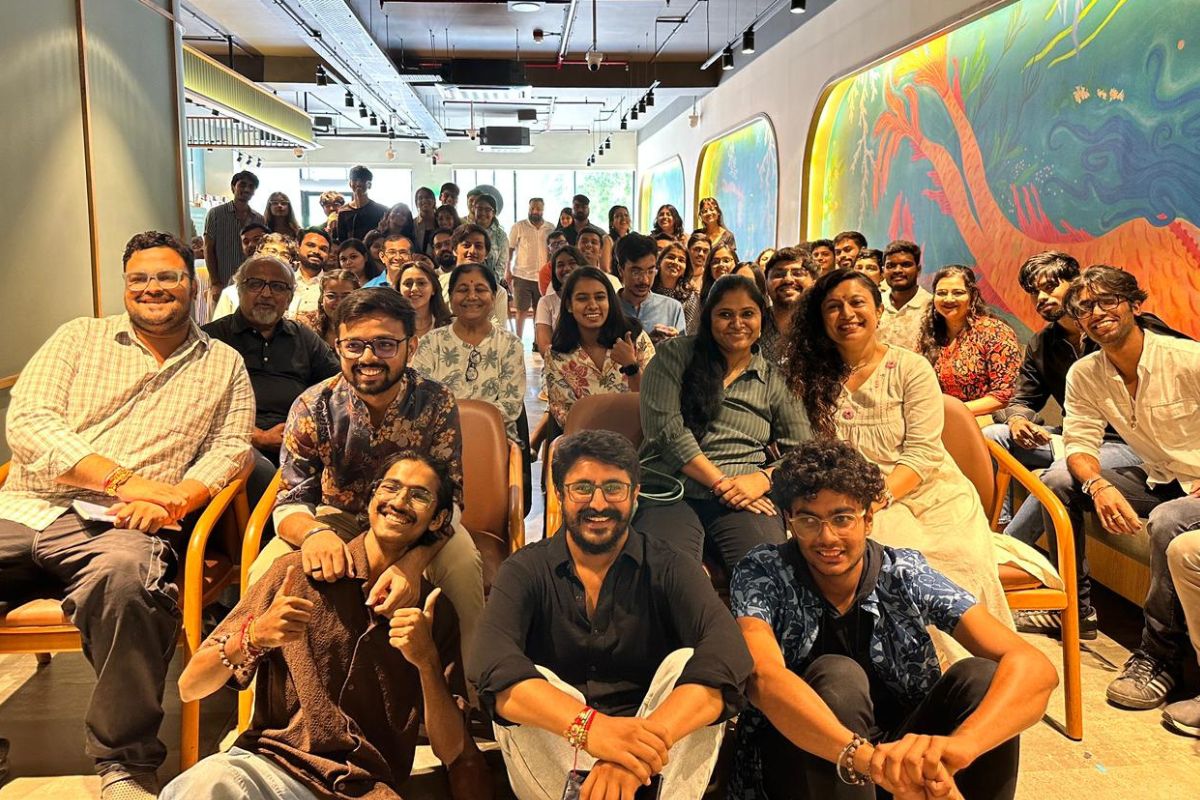
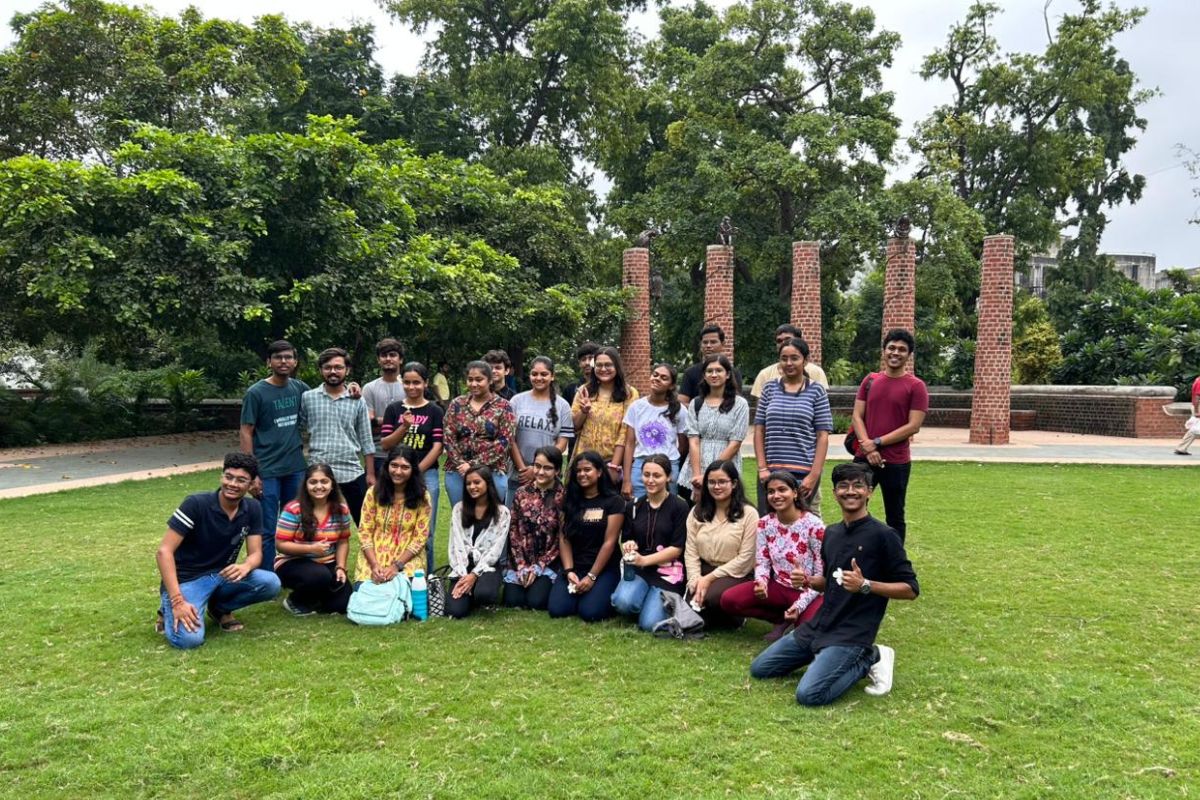
The organisation operates through three primary channels. Monthly meetups form the visible face of the community, drawing both seasoned readers and newcomers to regular gatherings in different cities. These events create recurring touchpoints where relationships develop, and reading becomes a social activity rather than a private one.
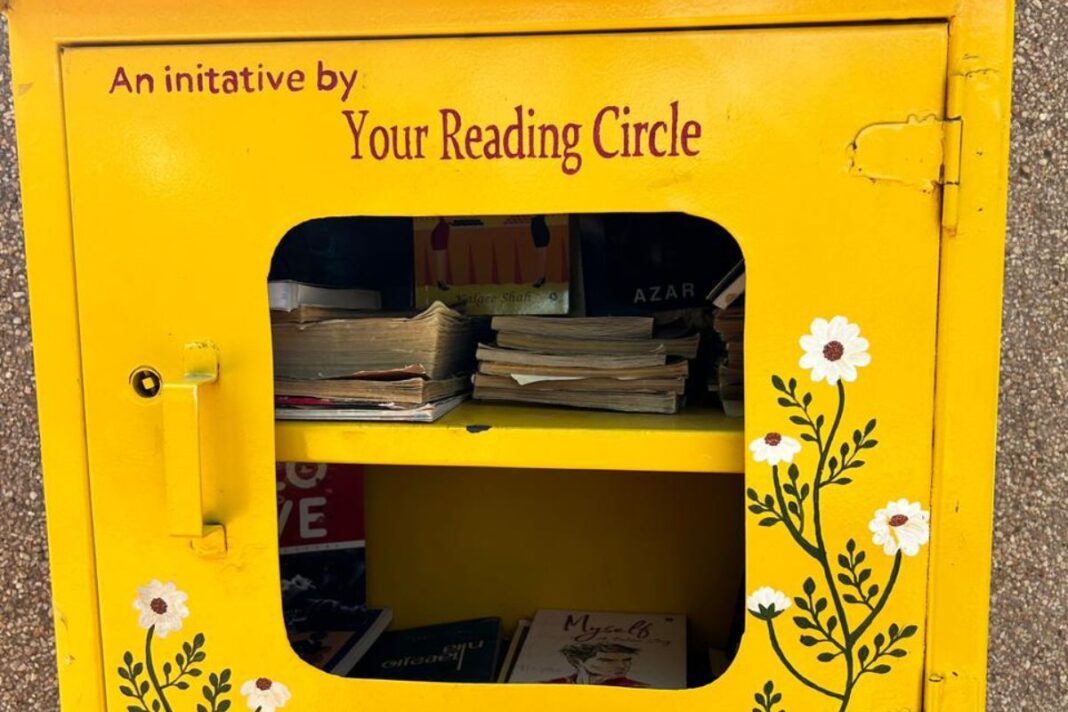
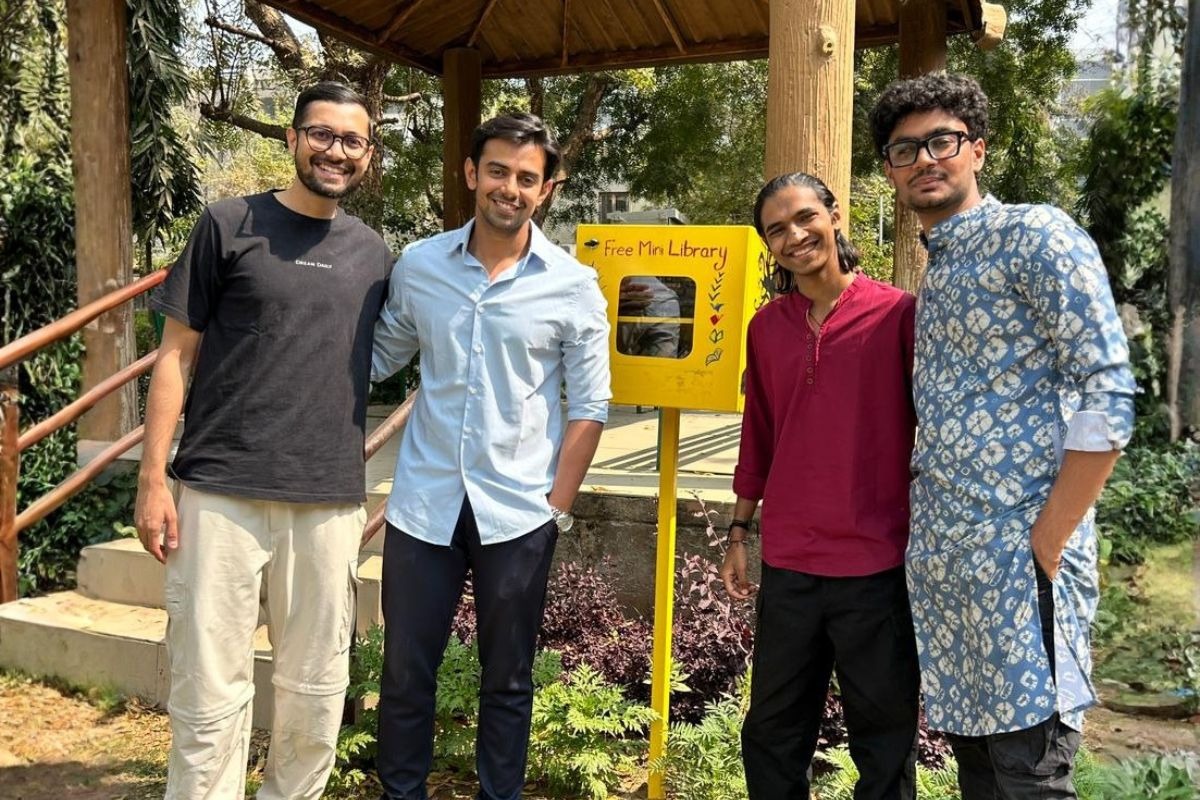
The mini library initiative represents the second pillar. Individual sponsorships fund these small collections, which circulate books through local communities. The philosophy behind this effort centres on accessibility and proximity. Rather than directing readers to large public libraries or bookstores, YRC places books directly in neighbourhoods where people live and gather.
The third component involves writing programs, though the transcript provides limited detail about how these function within the larger structure. Together, these three elements work to nurture what the organisation calls a reading culture, a term that suggests ambitions beyond simply getting people to read more books.
YRC Monthly Meetups as Community Anchors
The monthly gatherings serve multiple purposes. They introduce non-readers to books in a social context that feels less intimidating than walking into a bookstore or library alone. Someone who might be “roaming around” without particular literary interests can stumble into an event and find an entry point to reading. The regularity of these meetups creates rhythm and expectation. Members know when and where to show up, and that consistency helps build attendance and deepen connections over time.
Format and book selection vary deliberately. The organisers balance accessibility for beginners with substance for experienced readers. Some months might feature well-known popular titles that lower barriers to entry. Other gatherings could explore more challenging works. Thematic programming helps guide these choices without requiring rigid advance reading. A discussion about love in literature might draw from multiple texts, allowing participants to contribute regardless of whether they finished a particular book.
YRC Funding a Community Vision
Individual sponsorships sustain the mini libraries. This funding model distributes financial support across multiple contributors rather than relying on institutional grants or corporate partnerships. Each sponsor effectively adopts a small collection, providing resources to acquire books and maintain circulation systems.
The meetups operate on a different financial basis, though the transcript does not specify whether attendance fees, venue partnerships, or other mechanisms support these events. The organisation’s structure suggests a grassroots approach, with community members providing the resources needed to keep activities running.
YRC Philosophy of Book Circulation
The mini library system reflects particular values about how books should move through communities. Rather than treating literature as individual property or institutional holdings, YRC sees books as shared resources that gain value through circulation. The physical act of passing a book from one reader to another creates connections between people who might never meet.
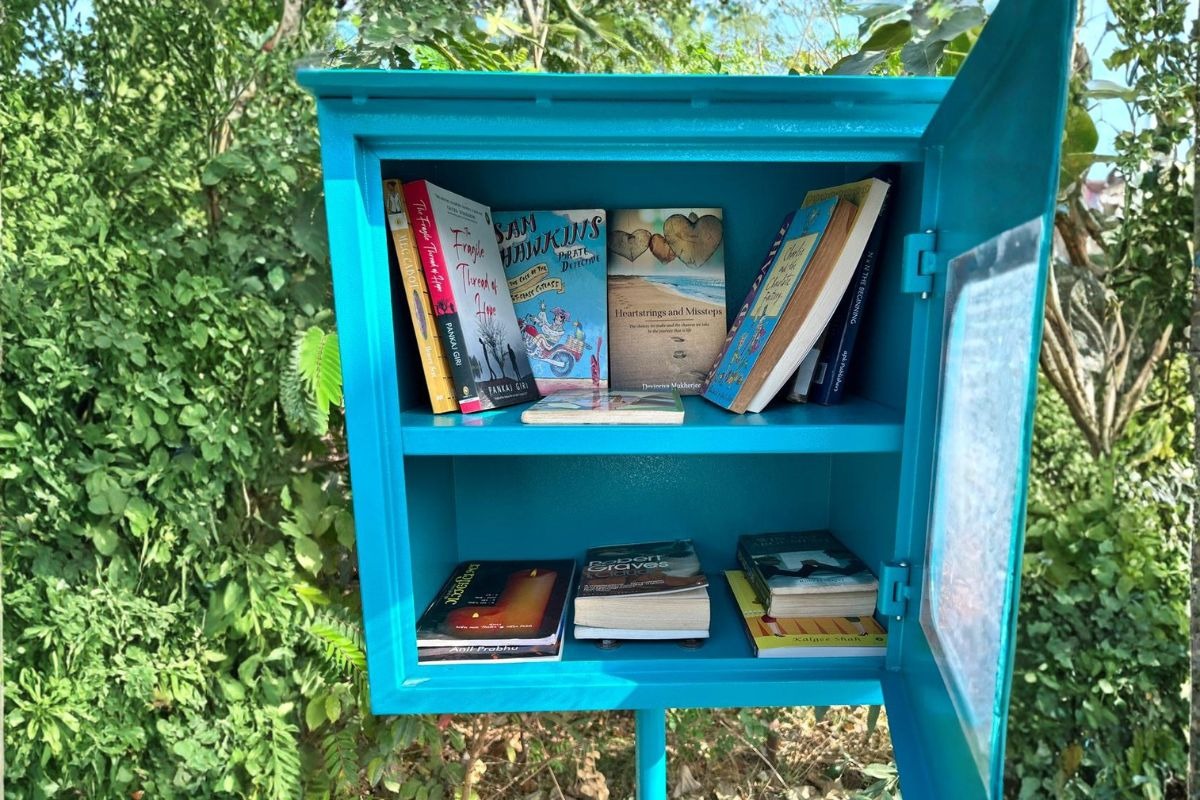
This approach also addresses practical barriers. Buying books remains expensive for many Indians, and public library systems vary widely in quality and accessibility across different cities. By placing small collections in local settings, the organisation reduces both financial and logistical barriers to reading.
YRC Technology and Attention in a Digital Age
The founders acknowledge that technology functions as a double-edged tool. Digital platforms offer tremendous opportunities to spread information and connect people across distances. The same technology, however, fragments attention and trains users to consume content in short bursts. Social media scrolling creates habits antithetical to the sustained focus required by reading.
YRC’s response involves creating physical spaces where technology takes a secondary role. The one-to-one connections that develop at in-person meetups cannot be replicated through screens. A book community provides what the organisers describe as a sense of belonging, something that online interactions struggle to deliver with the same depth. Reading circles offer places for human connection that feel increasingly rare as digital mediation becomes the default mode of interaction.
YRC Expanding Beyond Urban Centres
Many book clubs in India cluster in major cities and cater to English-speaking, educated audiences. The Your Reading Circle recognises these limitations and works to address them, particularly in terms of language accessibility. In Ahmedabad, the organisation deliberately hosts events that extend beyond aesthetically pleasing spaces and English-language literature. The goal is to connect with readers in their own languages and cultural contexts.

This expansion requires different strategies for different regions. What works in one city may not translate to another. The challenge is to maintain core values while adapting to local preferences, reading levels, and cultural norms. The organisation is navigating these questions actively as it grows.
YRC Depth Over Numbers
Collaborations with speakers and special reading series aim to deepen community bonds rather than inflate membership numbers. The distinction matters because growth metrics can become self-justifying goals that distort an organisation’s purpose. A book club with 10,000 members who barely know each other serves different ends than one with 500 people who have built genuine relationships.
Your Reading Circle positions itself in the second category. Initiatives such as speaker events and curated reading seasons create shared experiences that strengthen ties among existing members. Someone who attends multiple themed discussions develops familiarity with other regular participants. These relationships then become reasons to continue attending, creating a positive cycle that sustains the community.
YRC Long-Term Vision
Looking five years ahead, the organisation aspires to leave a legacy in India’s reading ecosystem. The specific contours of that legacy remain somewhat undefined in the transcript, but the direction is clear: the founders want to create lasting change in how Indians relate to books and to each other through books.
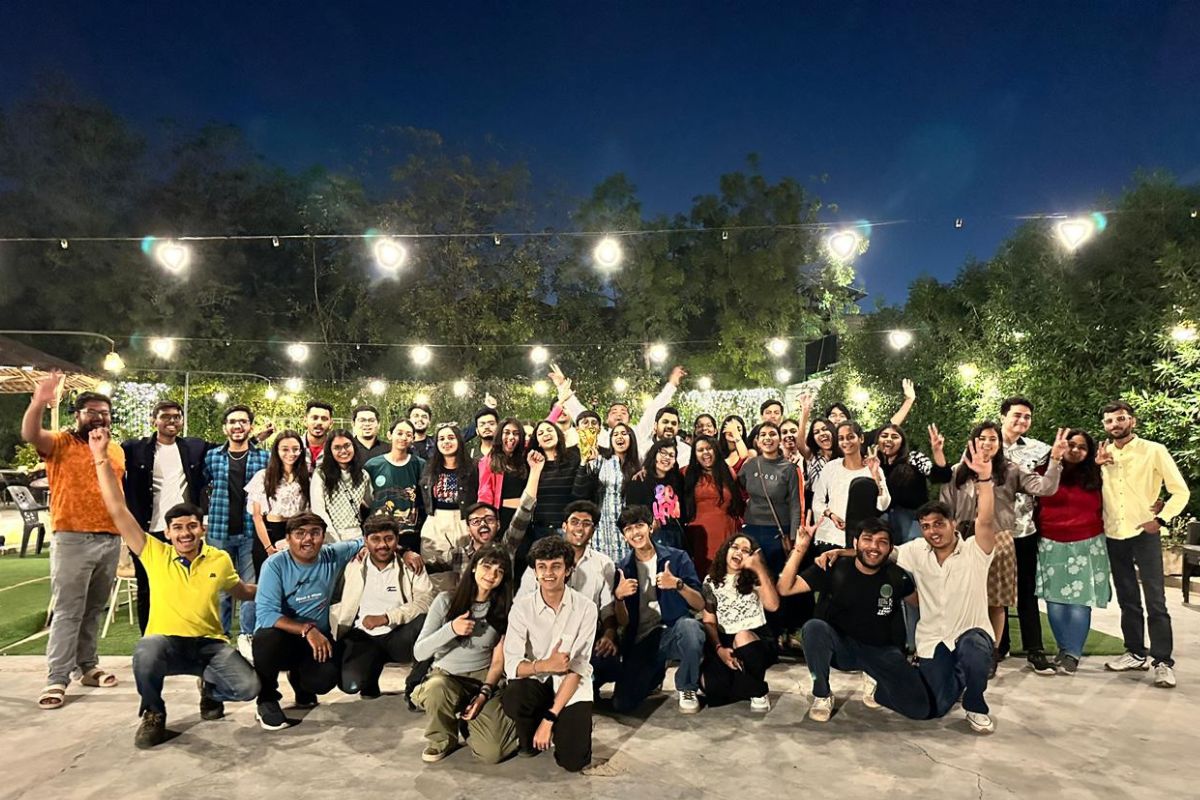
This vision extends beyond the organisation itself. If Your Reading Circle succeeds, it will have demonstrated a model that other communities can adopt and adapt. The combination of regular meetups, mini libraries, and writing programs represents a replicable framework. Other cities and towns could build their own versions, creating a network of reading communities that collectively shift cultural norms around literacy and literature.
The Work Continues
Building a reading culture in the age of digital distraction requires patience and consistent effort. The Your Reading Circle has chosen to pursue this goal through monthly gatherings, local book collections, and an emphasis on experience over passive consumption. Individual sponsorships fund the work, and community members provide the energy that keeps events running.
The results play out in small moments: a non-reader discovering their first beloved book, regular attendees forming friendships, and neighbourhoods gaining access to literature that was previously out of reach. These incremental changes accumulate over time, creating the foundation for broader cultural shifts. Whether the organisation achieves its five-year vision will depend on its ability to sustain these efforts while expanding thoughtfully into new cities and communities across India.
Also Read:Green Pencil Foundation: Built a movement that touches 10,000 lives across seven states.
You can connect with DNN24 on Facebook, Twitter, and Instagram and subscribe to our YouTube channel.