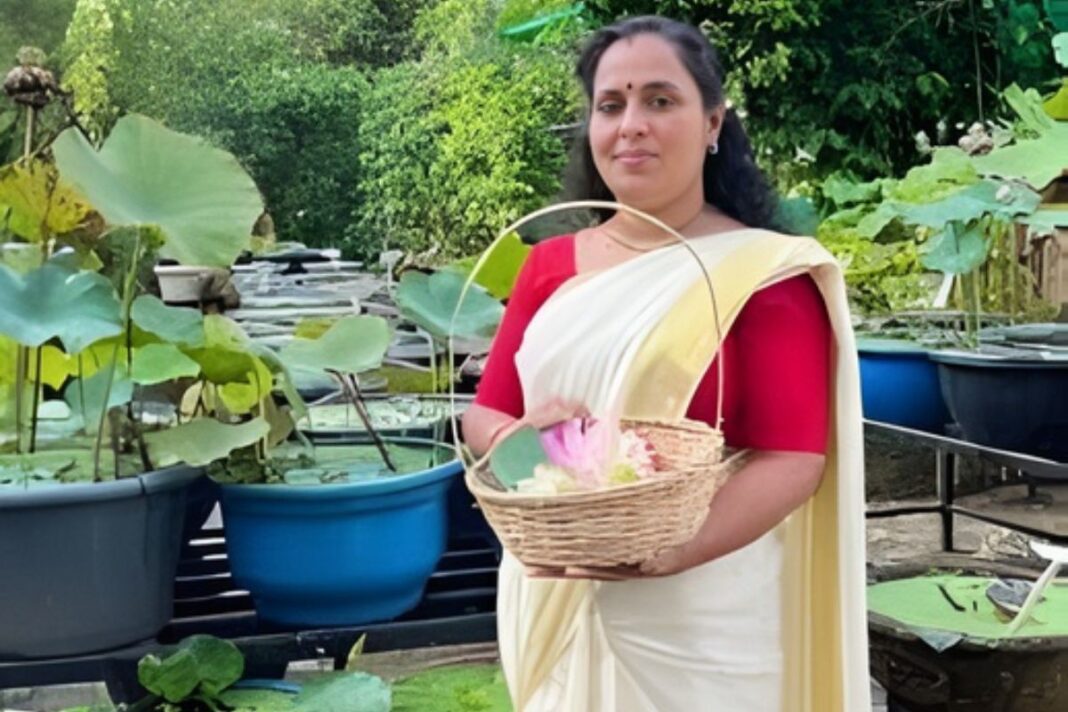


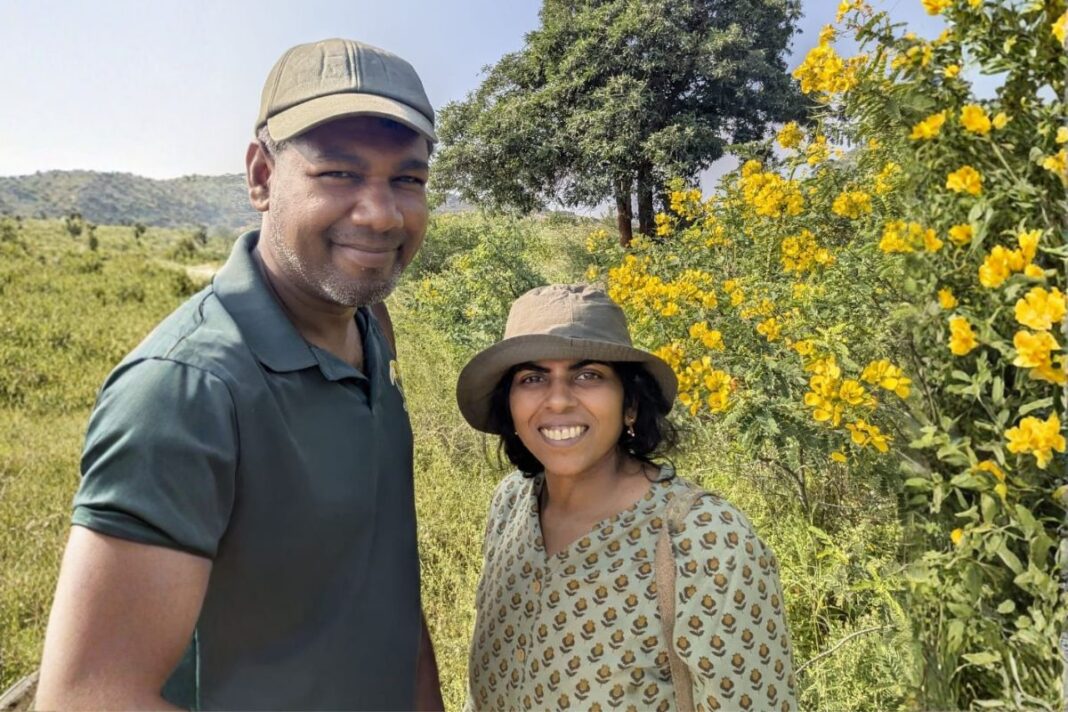

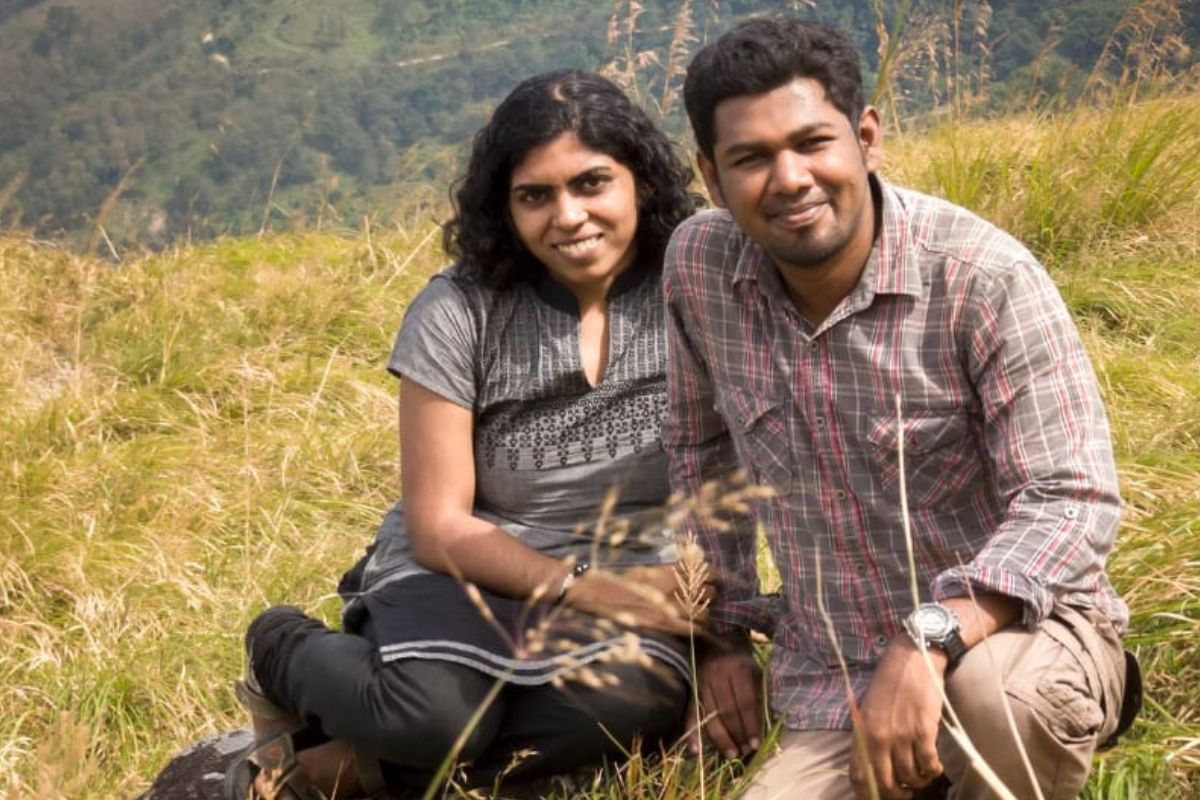
While most professionals in their early thirties focus on climbing the corporate ladder, Paulmathi Vinod and Vinod Sadhasivan walked away from their stable banking jobs to restore degraded forests in Tamil Nadu’s Kanniyakumari district. Their decision followed years of weekend nature trips, volunteer work with sea turtles, and a growing discomfort with trading their most energetic decades for a retirement that might arrive too late.
They now spend their days removing invasive plant species from 400 square kilometres of protected sanctuary land, documenting bioluminescent mushrooms in bamboo groves, and training young naturalists. They call themselves the Roaming Owls.
The City and the Countryside
Vinod grew up in Chennai, where green spaces appeared only in fragments. Parks felt precious. Beaches offered brief relief from concrete. That scarcity of green cover created a hunger in him. Every patch of trees mattered when surrounded by urban density.
Paulmathi’s childhood in Nagercoil presented the opposite landscape. Paddy fields stretched into the horizon. Hills turned green during monsoons. Nature surrounded daily life with such constancy that it became familiar rather than exotic. Both experiences led to the same conclusion. Vinod’s absence of nature bred appreciation. Paulmathi’s abundance of it fostered respect. When they met, their different paths converged.
Walking Away from Security
The monthly salary notification provides more than money. It validates. It is a reassurance. It signals stability in a society where financial predictability defines success. Walking away from that regular deposit felt harder than expected.
The couple discussed practical fears repeatedly. Medical emergencies. Family expectations. The possibility of savings running dry. In a culture where secure employment equals responsibility, choosing uncertainty can look reckless even when deliberate. Identity questions emerged as well. A profession defines you for years. When you quit, your identity changes. That requires comfort with ambiguity and a willingness to redefine success.
Both needed to feel ready. They built a financial buffer, reduced unnecessary expenses, and ensured their decision was strategic rather than impulsive. The prospect of working with forests eventually outweighed the fear of losing a steady income. Vinod articulated their philosophy in an interview with The Better India. He said observation requires stillness and a willingness to absorb surroundings. That approach now defines their work.
From Tourists to Custodians
Volunteering changed everything. Early trips involved photographing landscapes and enjoying quiet wild places. Sea turtle conservation projects required different engagement.
Walking beaches at night to monitor nesting sites demanded commitment. Documenting tracks at dawn required patience. Speaking with local communities involved responsibility. The work was often unglamorous. Clearing debris from nesting beaches and recording data while sand blew into every crevice. Yet this repetition built investment.
The landscapes stopped being merely beautiful. They became fragile. Plastic entanglement appeared where none seemed visible before. Habitat loss revealed itself in ways weekend trips could never show.
Conservation work proved slow and repetitive. But it built belonging. The beach monitored at two in the morning feels different from the beach photographed at sunset. Their questions shifted from “Where should we travel next?” to “Where are we needed?” That transformation made them feel responsible for protecting landscapes they once admired.
American Lessons Applied in India
Their time in the United States exposed them to structured natural spaces. Trails had clear maintenance. Signage provided information. Community-led cleanups involved ordinary people, not just scientists or government officials. Citizen participation stood out most strongly. People volunteered in parks, joined bird counts, and supported local conservation initiatives. Conservation was community-driven rather than left entirely to experts.
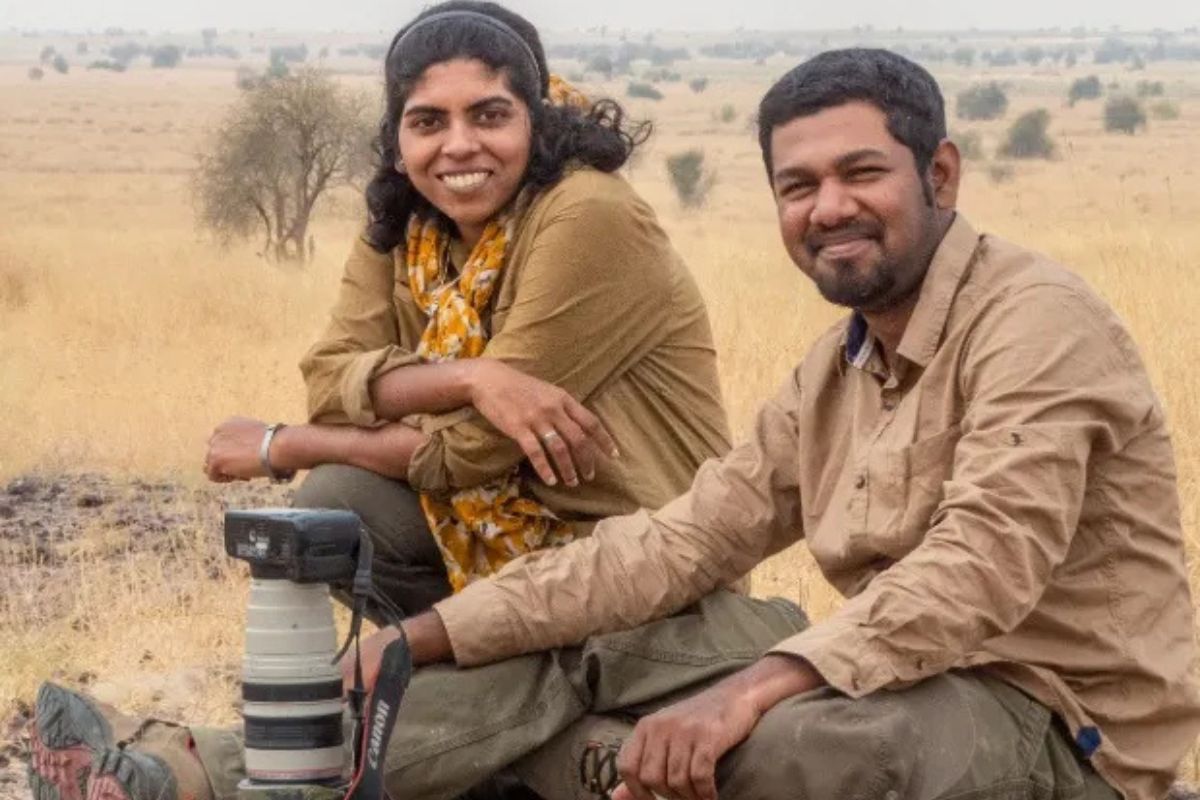
Through the Kanniyakumari Nature Foundation, they put these lessons into action. They encourage structured volunteering, promote environmental awareness through storytelling, and work to make conservation relatable. They try to nurture a culture in which protecting forests and coastlines becomes a shared civic value.
Landscape-Level Restoration
Kanniyakumari Nature Foundation works with the forest department on habitat restoration projects in the 400-square-kilometre Kanyakumari Wildlife Sanctuary. Their approach focuses on entire ecosystems rather than a single flagship species. Ecosystems are interconnected. You cannot protect a species without protecting the habitat sustaining it. Soil health, water systems, native vegetation, pollinators, and community relationships all matter.
An invasive plant species had overtaken large portions of the sanctuary, and they are now removing it. True success comes when the landscape no longer depends heavily on human intervention, when ecological processes restart and sustain themselves. Success is resilience. A living ecosystem that can stand on its own again.
Documentation as Foundation
Field naturalists spend long hours observing and documenting. Building species lists for birds, butterflies, fungi, odonates, and plants forms the backbone of their work. Without reliable field data, storytelling becomes superficial.
The foundation discovered bioluminescent mushrooms in Kanniyakumari Wildlife Sanctuary, a finding that required multiple night visits to bamboo groves. Storytelling becomes the bridge. Scientific papers speak to academics and policymakers. Stories and public talks speak to communities and young naturalists. The foundation received the Green Champion Award from the Tamil Nadu government.
Content Without Commerce
The Roaming Owls blog consciously avoids hotel reviews, food recommendations, and tourism promotion. The couple receive collaboration offers that could make the platform financially comfortable. But they decline each one.
Their purpose centres on ecology, ethics, and awareness rather than tourism. Many of the places they document are ecologically sensitive. Promoting them casually can increase footfall and disturbance. A viral post can transform a quiet forest trail into an overcrowded destination.
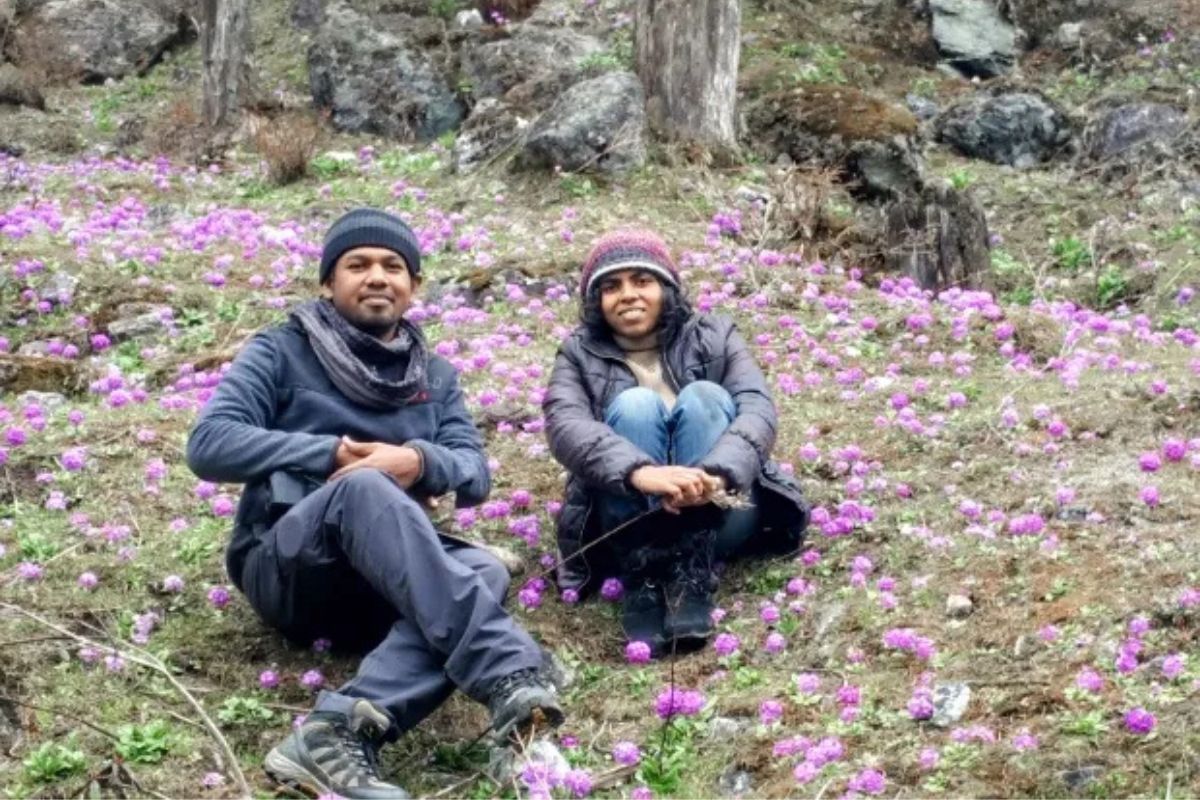
They also run a YouTube channel focused on Indian bird videos with over 20,000 subscribers. Running it without showing their faces is a conscious ethical choice. The landscape comes first. The species comes first.
Three Non-Negotiable Principles
A single social media reel can bring hundreds of people to an ecologically sensitive spot overnight. This reality shapes their view of ethical principles that nature travellers and vloggers should follow.
First, nature travel means immersing yourself in the wild, not bringing urban comforts into the forest. The forest gives a structure its beauty and meaning. Learn to appreciate the landscape on its own terms. Second, protect sensitive locations by keeping them undisclosed. Not every place can handle unlimited visitors. If you cannot recognise and respect ecological significance, you do not deserve access.
Third, remember that forests are the last refuge for wildlife, safe from constant human intrusion. Having the curiosity or means to explore does not grant one the right to intrude on another being’s home. With increasing access, better cameras, and viral algorithms, the real discipline is knowing when not to post, where not to go, and what not to reveal.
The Contrast Between Forest and City
Spending days in forests creates a particular rhythm. Dawn melodies. Flowing streams. Tiny interactions in ecosystems. Life feels slower, alive, deeply connected. Returning to cities can jar. Littered streets. Shrinking trees. Apathy toward environmental issues.
They handle it by introducing green into daily life- setting up gardens, participating in community cleanups and contributing to citizen science initiatives. These actions maintain tangible connections even in urban chaos.
Advice for Young Naturalists
For young Indians passionate about nature yet conscious of financial responsibilities and family expectations, the couple offers a practical perspective. Start with clarity, not recklessness. Before quitting a job or jumping into full-time conservation, ask yourself what you truly want your life to revolve around. Understanding core values gives direction.
Build financial scaffolding first. Financial freedom does not require wealth. It requires stability. Save, invest, and create a safety buffer before transitioning. Even small, consistent investments provide peace of mind.
Integrate conservation into your work. You do not always have to choose between money and purpose. Many paths exist. Ecotourism or responsible field guiding. Wildlife documentation, photography, or videography. Citizen science projects and collaborations with NGOs. Environmental education or content creation.
Start by blending conservation with part-time work or freelance projects. This reduces pressure while building skills and networks. The key is designing a life that balances practicality with purpose. Understanding your core values, building financial stability, and integrating conservation into your work rather than separating them are helpful tips. The path is not easy, but it is possible.
Also Read:Project Ecosanitation Transforms Menstrual Health Across India
You can connect with DNN24 on Facebook, Twitter, and Instagram and subscribe to our YouTube channel.